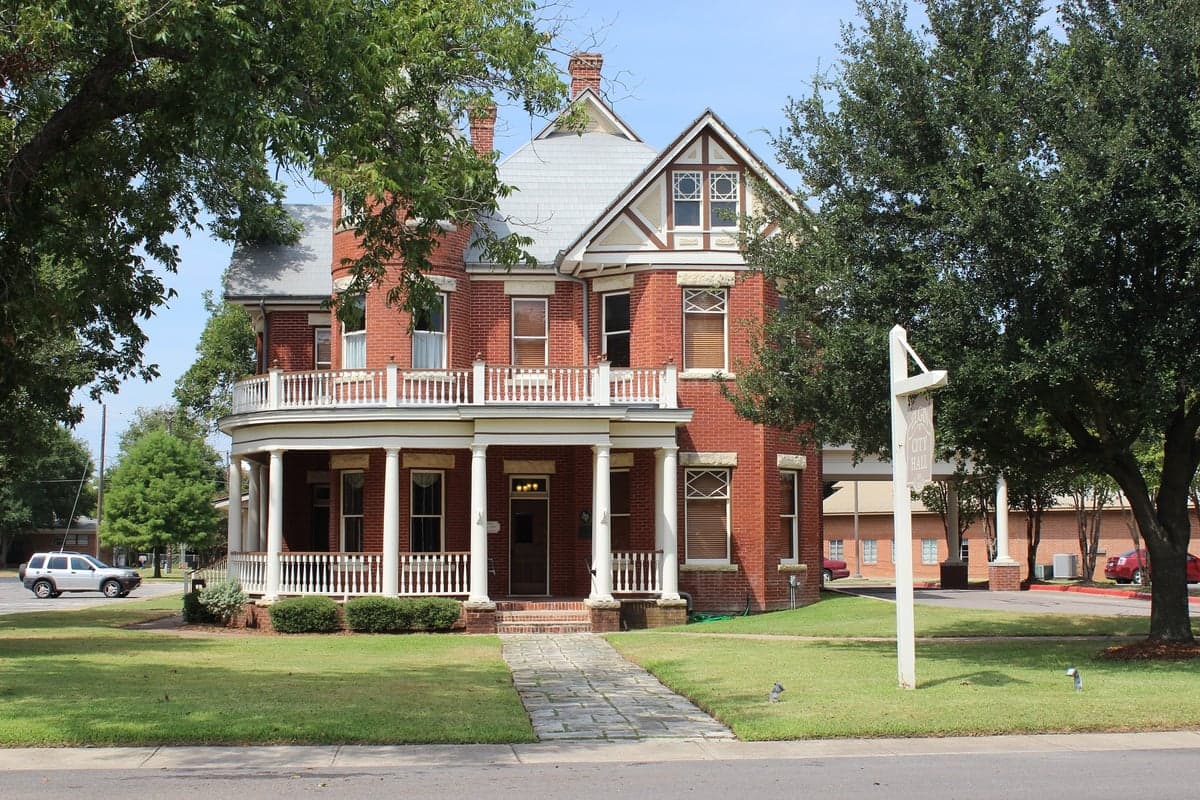
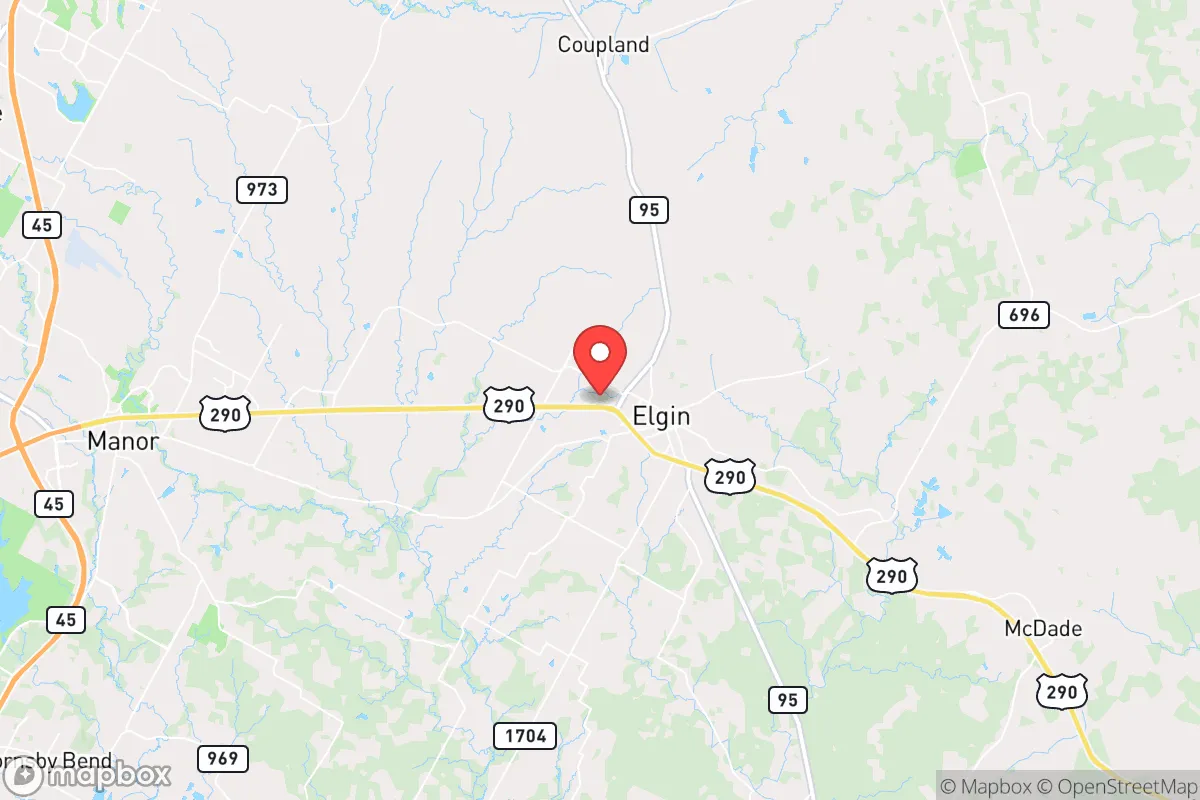
Photo: Wikipedia
Find The Best Places To Live
in Elgin
PRO TIP! You can paste a Zillow or Redfin link to get info on that property.
What It's Like Living in Elgin, TX
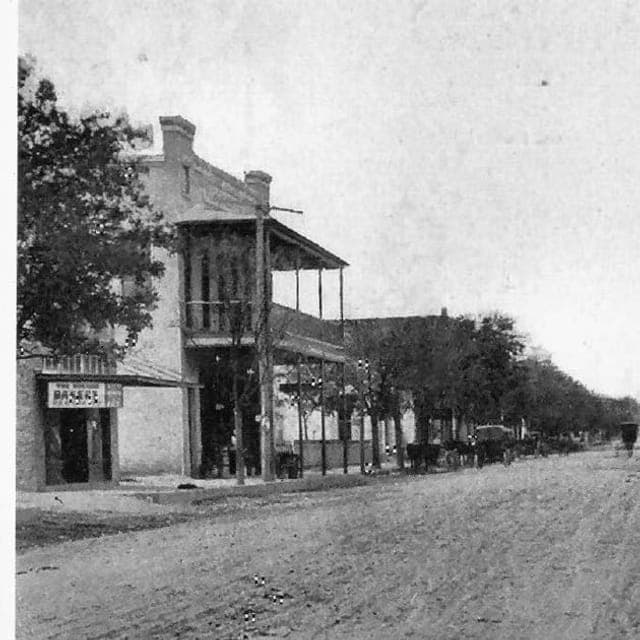
Elgin, Texas, still feels like the small town it was before the Austin exodus found it, but the change is unmistakable. You get a place where folks wave from pickup trucks and the high school band matters more than any pro team, yet you can be in downtown Austin in 35 minutes if traffic cooperates. It’s a community caught between its sausage-festival roots and a wave of newcomers looking for cheaper land and a slower clock.
The Daily Rhythm: Work, Commute, and Weekend Pace
Most people here work in Austin or the surrounding industrial parks, which explains the average commute of about 34 minutes—long enough to finish a podcast, short enough that you aren’t living in your car like some Cedar Park refugees. The median household income sits at $85,666, which goes further here than in Travis County because the median home value is $267,900 and the cost of living index is 105, just a hair above the national average. That means a teacher or a mid-level tradesperson can actually buy a house with a yard, something that’s become a punchline in Austin proper.
Weekends revolve around the backyard, the lake, or Main Street. People grill, hit the Elgin Library for kids’ story time, or drive twenty minutes to McKinney Roughs Nature Park for hiking along the Colorado River. There isn’t a nightlife scene to speak of—the few bars like The Roadhouse or Elgin Brewing Company are more about a cold beer and conversation than dancing until 2 AM. That’s the trade-off: quiet evenings and neighborly chats instead of bar-hopping.
Sports, Festivals, and the Things That Bring Everyone Together
High school sports are the main event here. Elgin High School Wildcats football games on Friday nights pack the stands with parents, grandparents, and local business owners who close up shop early to watch. There’s no pro team within an hour that anyone cares about as much—the Longhorns in Austin are a distant second to the Wildcats when the playoffs roll around. The community’s identity is stitched into those Friday nights, and if you don’t care about high school athletics, you’ll miss a big part of the social fabric.
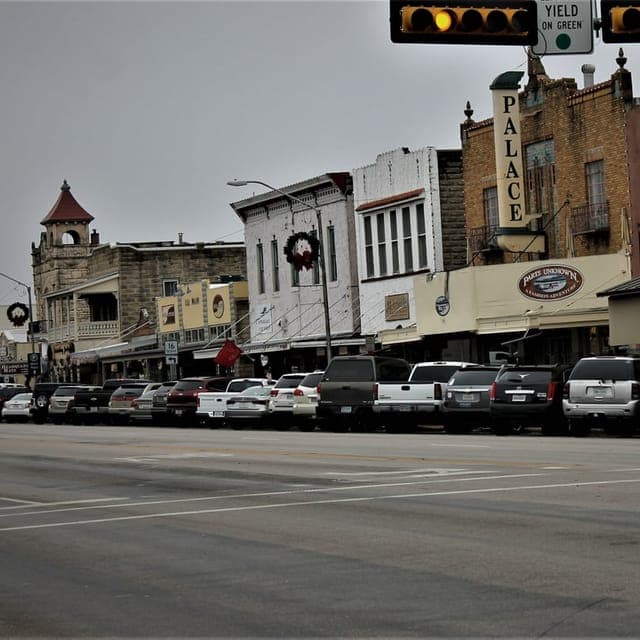
The other anchor is the Elgin Hogeye Festival, held every October. It’s a weekend-long celebration of the town’s sausage-making history, complete with a parade, a barbecue cook-off, and a carnival. It draws thousands of visitors, but locals treat it like a family reunion. If you’re new, showing up to the Hogeye is the fastest way to get introduced to half the town. There’s also the Elgin Farmers Market on Saturday mornings from spring through fall, where you can buy local honey, grass-fed beef, and kolaches from the Czech bakers who’ve been here for generations.
Who Fits In—and Who Might Struggle
Elgin works best for people who want a house with land, a slower pace, and a community where people know your name. The median age is 40.4, which skews older than a typical Austin suburb, and only 22.5% of adults hold a college degree. That doesn’t mean it’s anti-intellectual—it means the workforce is heavy on trades, logistics, and agriculture. You’ll meet welders, truck drivers, and small business owners who’ve been here thirty years, alongside remote workers who moved from California for the space and the lower taxes.
The downsides are real. The violent crime rate is 204.4 per 100,000, which is higher than the national average and noticeably above neighboring towns like Bastrop. Most of it is property crime and domestic incidents, not random street violence, but it’s something to factor in if you’re raising kids and planning evening walks. The schools—Elgin ISD—are a mixed bag; they’re adequate but not the draw that Round Rock or Dripping Springs can claim. Parents who prioritize academics often look at private options or brace for a longer commute to a better district.
Traffic on US-290 is the other sore spot. That 34-minute average commute can balloon to an hour if there’s a wreck or construction, and there’s always construction. Locals joke that “Elgin time” means adding twenty minutes to any drive toward Austin. The weather is classic Central Texas: brutal July heat, mild winters, and the occasional flash flood that turns low-water crossings into hazards. You learn to keep a go-bag in the car during spring storm season.
What keeps people here is the trade-off. You get a $267,900 median home with a quarter-acre lot, a front porch, and neighbors who’ll bring you a casserole when you move in. You get the Elgin Sausage Company for the best kolaches in the county, and you get a town that still has a hardware store where the owner remembers what you bought last month. It’s not for everyone—if you need nightlife, diversity in dining, or a top-tier school district, look west. But if you want a place where you can own a home, know your mail carrier, and watch the Friday night lights, Elgin is exactly what it looks like.

Similar towns to Elgin


* Values derived from national, state, county, city and local statistics and may differ in a specific area. Last updated: 2026-04-24T06:20:01.000Z
Narrative content on this page is AI-generated and may contain mistakes. Verify any details that matter before acting on them.
ReloMaps may earn a commission from affiliate links at no extra cost to you.

