Find The Best Places To Live
in Frisco
PRO TIP! You can paste a Zillow or Redfin link to get info on that property.
What It's Like Living in Frisco, TX
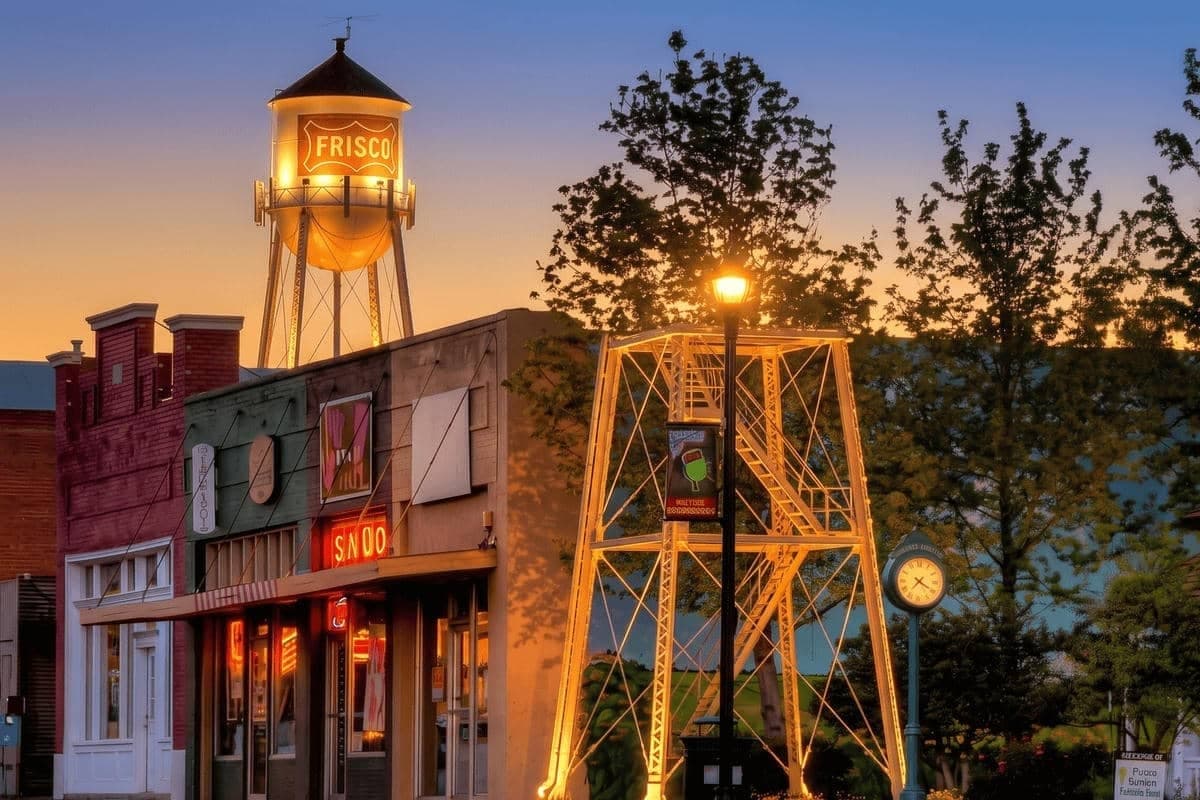
Frisco feels less like a suburb and more like a city that decided to build its own identity from scratch—and did it fast. With a population of 210,238 and a median age of 38.1, it’s a place where families and professionals have created a community that’s polished, ambitious, and surprisingly self-contained. You don’t move to Frisco just to be near Dallas; you move here because Frisco itself has become the destination.
The Daily Rhythm: Where Work, School, and Weekends Blend
Daily life in Frisco revolves around two poles: the school calendar and the sports schedule. With 66.0% of adults holding a college degree and a median household income of $146,158, this is a highly educated, affluent community where parents are deeply involved in their kids’ activities. Weekday mornings see a steady stream of SUVs heading to top-rated public schools, then to corporate campuses for companies like Toyota North America (which moved its headquarters here in 2017) and Keurig Dr Pepper. The average commute of 28.6 minutes is manageable by DFW standards, though the main arteries—the Dallas North Tollway and Preston Road—can get congested during rush hour.
Weekends are for the Frisco RoughRiders (the Texas Rangers’ Double-A affiliate) at Riders Field, a ballpark that feels like a permanent block party, or for hitting the National Videogame Museum and the Sci-Tech Discovery Center with the kids. Shopping means the massive Stonebriar Centre mall or the outdoor Shops at Legacy in neighboring Plano. Dining leans toward polished chains (True Food Kitchen, The Capital Grille) alongside local standouts like Hutchins BBQ in nearby McKinney and Bavarian Grill for German food. The weather follows a classic North Texas rhythm: hot, dry summers (July highs average 95°F), mild springs and falls, and the occasional winter ice storm that shuts down the city for a day.
Sports & Community: Friday Night Lights and Pro-Level Ambition
Sports aren’t just entertainment here—they’re the civic glue. Frisco is home to the Dallas Cowboys’ headquarters and training facility (The Star in nearby Prosper), the Frisco RoughRiders, and the Dallas Stars’ practice rink at the Comerica Center. High school football is a religion: Frisco ISD’s stadiums regularly draw crowds of 10,000+ on Friday nights, and the district’s teams (like Lone Star and Wakeland) are perennial state contenders. The city also hosts the NCAA Division I Football Championship (the FCS title game) at Toyota Stadium, which is also home to FC Dallas of Major League Soccer. For a city its size, the concentration of pro-level sports infrastructure is unusual—it’s a place where a kid can grow up watching future Rangers and Stars players develop, then play high school ball in a stadium that rivals small colleges.
The cultural identity is proudly Texan but not cowboy-hat-and-boots Texan. It’s more about new money, new construction, and new traditions. The annual Frisco Freedom Fest on July 4th draws 50,000 people to Simpson Plaza for fireworks and a parade. The Frisco Arts Walk and the Frisco Public Library (one of the busiest in the state) anchor a quieter side of the community. A quirky local marker: the city’s official slogan is “Frisco: The City That Plays,” and they mean it literally—there’s a massive playground at the Frisco Commons Park that’s a weekend magnet for families.
Pros and Cons: What Residents Love and What Frustrates
What people love: The schools are the headline. Frisco ISD is consistently ranked among the top in Texas, and the city’s investment in parks, libraries, and rec centers is visible everywhere. The job market is strong—Toyota, Keurig Dr Pepper, and dozens of tech and finance firms have major operations here. The cost of living index of 183 (83% above the US average) is high, but the median home value of $595,400 reflects a market that has held value well. For families, the combination of safety, amenities, and school quality is hard to beat.
What frustrates: The violent crime rate of 342.3 per 100,000 is above the national average (roughly 380), though most crime is property-related and concentrated in specific apartment-heavy areas. Traffic is the top complaint—the tollway is a daily grind, and the city’s rapid growth has outpaced road infrastructure. Some longtime residents miss the small-town feel Frisco had 15 years ago, when it was still a farming community. The weather can be brutal: summer heat is relentless, and spring brings the occasional tornado warning. And while the cost of living is high, the median income supports it—but renters and younger singles on a lower budget may feel squeezed.
The kind of person who fits best here is someone who values order, opportunity, and community involvement. It’s a place for families who want their kids in good schools and on good sports teams, for professionals who want a short commute to a corporate campus, and for anyone who doesn’t mind a little heat in exchange for a lot of convenience. Singles might find the social scene quieter than Dallas proper, but the Legacy West area in nearby Plano offers nightlife and upscale dining. The city’s identity is still being written—and that’s part of the appeal. You’re not moving into a finished product; you’re joining a place that’s still deciding what it wants to be.

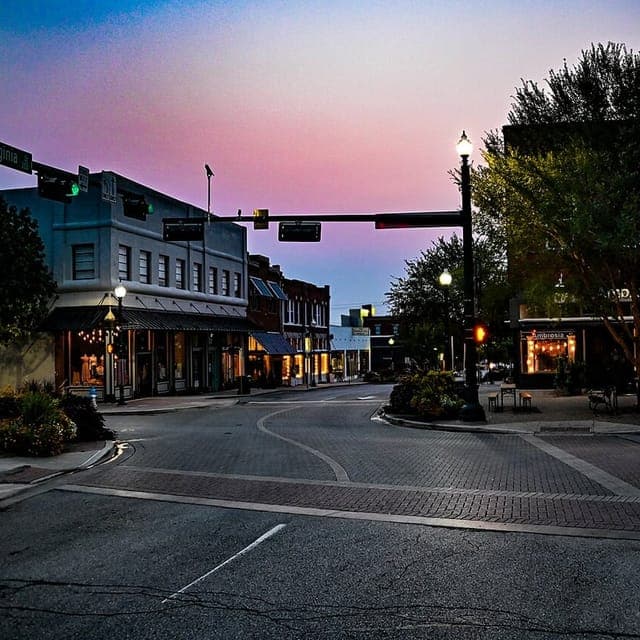
Similar small cities to Frisco

* Values derived from national, state, county, city and local statistics and may differ in a specific area. Last updated: 2026-09-21T16:18:55.000Z
Narrative content on this page is AI-generated and may contain mistakes. Verify any details that matter before acting on them.
ReloMaps may earn a commission from affiliate links at no extra cost to you.

