Photo: Wikipedia
Find The Best Places To Live
in Waxahachie
PRO TIP! You can paste a Zillow or Redfin link to get info on that property.
What It's Like Living in Waxahachie, TX
Waxahachie feels like a town that grew up fast but kept its small-town soul. You’ll see it in the way people still wave from pickup trucks on the square, yet the new subdivisions and a bustling Highway 77 corridor tell you this isn’t your granddad’s sleepy county seat anymore. With a population just over 43,500 and a median age of 32.6, it’s a place where young families and commuters are reshaping what “small-town Texas” means—without losing the Friday night lights or the front-porch friendliness.
The Daily Rhythm: Commute, Coffee, and the Square
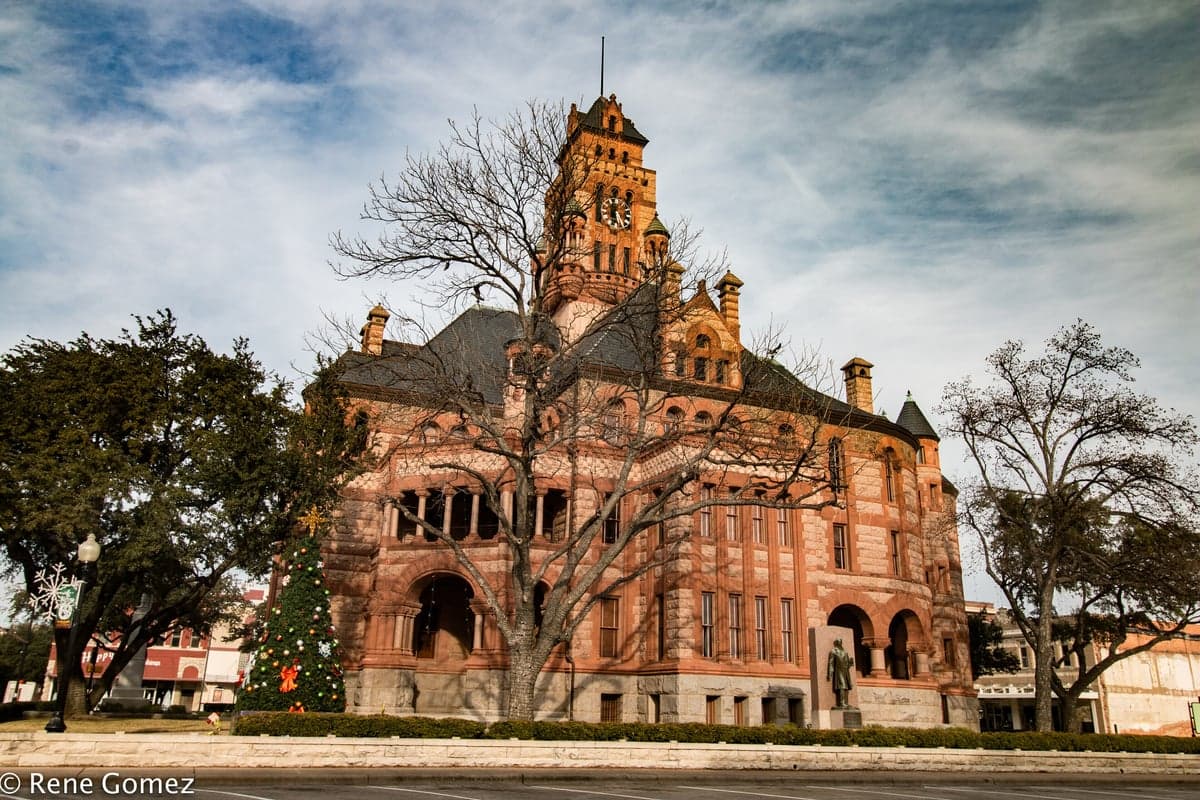
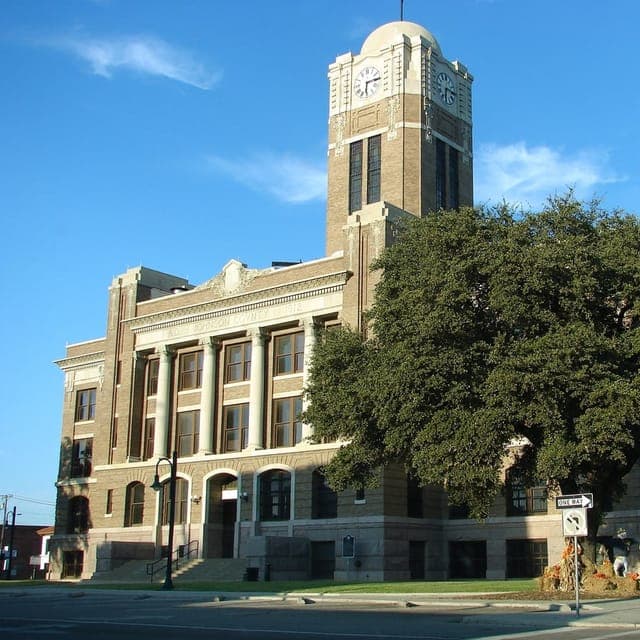
Most mornings start with a 27-minute average commute—long enough to finish a podcast, short enough to not feel like a grind. That drive is the trade-off for living here: you get a median home value around $307,900 (still a bargain compared to Dallas proper) and a cost of living index of 121, which is higher than the national average but feels reasonable when you see what you get for the money. People grab coffee at Local 1908 or breakfast tacos at Bunkhouse Coffee before heading out. Weekends revolve around the historic downtown square—antique shops, the Ellis County Courthouse (a stunning red sandstone landmark), and the Waxahachie Farmers Market from spring through fall. For groceries, it’s H-E-B or Walmart, but locals swear by the meat counter at Brookshire’s.
Sports, Schools, and the Community Glue
High school football is the closest thing to a civic religion here. Waxahachie High School’s Indians pack the stands at Lumpkins Stadium on Friday nights, and the energy spills into local sports bars like The Vault or Boo’s Bar & Grill afterward. The school system is a major reason families move here—it’s the kind of district where teachers know your kid’s name and the PTA runs like a small business. Beyond football, the city’s Getzendaner Park hosts youth soccer and baseball leagues, and the Waxahachie Civic Center is a hub for everything from bridal shows to gun shows. There’s no pro sports team in town, but Dallas’s Cowboys, Rangers, and Stars are all a 35- to 45-minute drive north—close enough for a Sunday road trip, far enough to avoid the traffic headaches daily.
What There Is to Do (and What There Isn’t)
The biggest draw is the Gingerbread Trail each spring, where Victorian homes open their doors for tours—it’s a quirky, beloved tradition that leans into the town’s historic identity. Summer brings the Scarborough Renaissance Festival just outside town, a massive ren faire that draws crowds from all over DFW. For outdoor types, Lake Waxahachie is decent for fishing and kayaking, though it’s no Lake Texoma. Nightlife is limited: a handful of bars on the square (College Street Pub is a favorite) and a few chain restaurants near the highway. Locals often drive to Midlothian or Ennis for a change of scenery. The honest truth? If you need a live music venue or a late-night food scene, you’ll be disappointed. But if your idea of a good weekend is a crawfish boil at Big Al’s Seafood or a hike at the Waxahachie Creek Hike and Bike Trail, you’ll be fine.
Pros and Cons of Living Here
- Pro: Genuine community feel. Neighbors still bring casseroles when someone’s sick. The median income of $82,449 supports a comfortable middle-class lifestyle, and you’ll find plenty of families with kids at similar life stages.
- Pro: Affordable housing. That $307,900 median home value buys a 3-bedroom with a yard in a good school zone—hard to beat in the DFW orbit.
- Con: Limited job base. Most white-collar workers commute to Dallas or Arlington. Major local employers include Baylor Scott & White Medical Center and the school district, but it’s not a place you move to for a career pivot.
- Con: Crime concerns. The violent crime rate of 180 per 100,000 is below the national average, but property crime in certain neighborhoods near the highway can be a nuisance. Locals will tell you to lock your car doors.
- Con: Weather extremes. Summers are brutally hot (100°F is normal), and spring brings tornado watches. The “seasonal rhythm” here is basically “hot, then less hot, then ice storms.”
The kind of person who fits in Waxahachie is someone who values space, safety, and a slower pace over urban convenience. It’s a place for parents who want their kids to ride bikes to the park, for commuters who don’t mind the drive, and for anyone who thinks “Friday night lights” isn’t just a TV show. The college-educated rate is only 28.1%, which reflects a workforce heavy on trades, service jobs, and commuting professionals—not a knock, just a reality. If you’re looking for a hipster coffee shop on every corner, keep driving north. If you want a front porch, a good school, and neighbors who’ll help you haul a couch, you’ve found your spot.

Similar towns to Waxahachie
* Values derived from national, state, county, city and local statistics and may differ in a specific area. Last updated: 2026-05-16T22:50:22.000Z
Narrative content on this page is AI-generated and may contain mistakes. Verify any details that matter before acting on them.
ReloMaps may earn a commission from affiliate links at no extra cost to you.

