Photo: Wikipedia
Find The Best Places To Live in Leon County
PRO TIP! You can paste a Zillow or Redfin link to get info on that property.
Best Places to Live in Leon County
Cities & Towns in Leon County
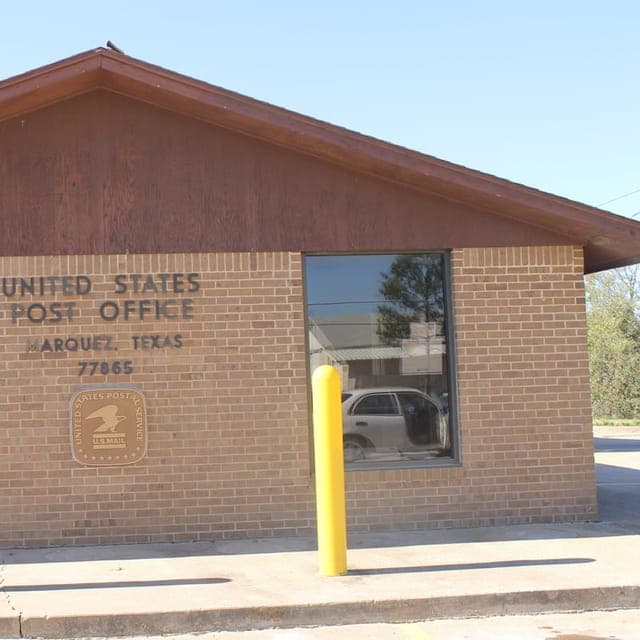
Cities in Leon County
What It's Like Living in Leon County, TX
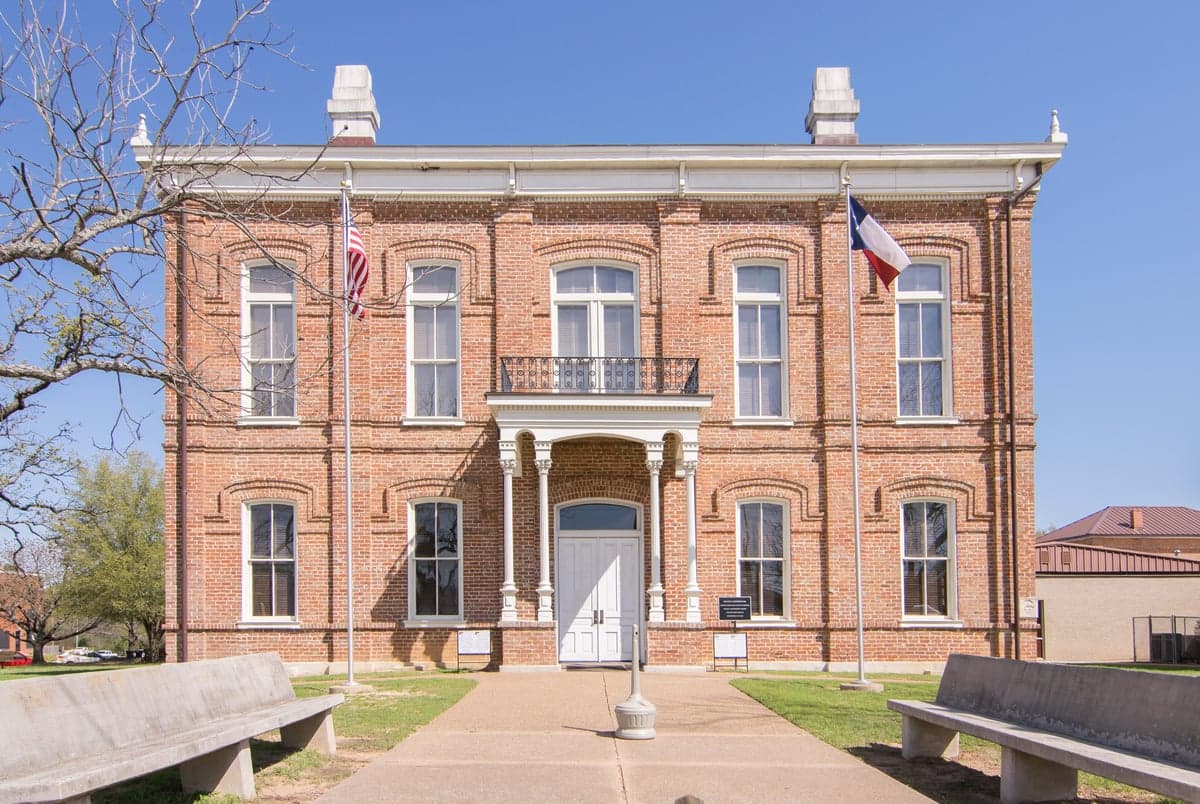
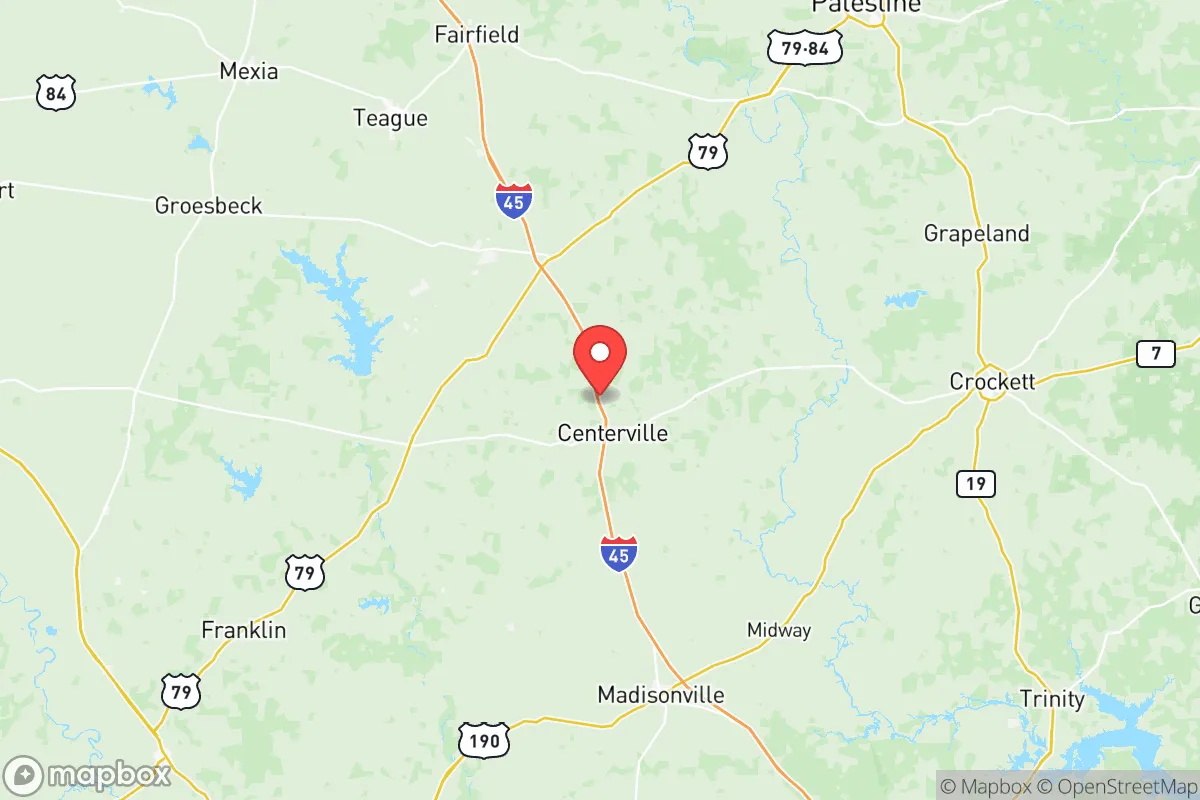
Living in Leon County, Texas, feels like stepping into a quieter, slower-paced version of the state where the nearest Buc-ee’s is a 30-minute drive and the biggest decision of the week might be whether to hit the lake or the deer stand. With a population just over 16,000 spread across towns like Centerville, Buffalo, Jewett, and Normangee, this is a place where everyone knows your truck, and the local diner knows your breakfast order. It’s not for everyone, but for folks who value space, privacy, and a calendar ruled by hunting seasons and Friday-night lights, it’s a genuine find.
The Daily Rhythm in Leon County
Life here moves on its own schedule, and that schedule is often dictated by the land. The median age of 44.3 tells you this isn’t a young, transient crowd—most people have roots, and they’ve chosen to stay. A typical weekday starts early, with a commute averaging about 29 minutes, which is longer than you’d expect for a rural county, but that’s because many residents drive to jobs in Centerville (the county seat), Buffalo, or even as far as College Station or Huntsville. The median household income sits at $59,975, which goes a long way here thanks to a cost of living index of 66—well below the national average. That means a family can afford a decent home on a single income, and the median home value of $177,400 reflects that reality. You’ll find people working in agriculture, oilfield services, local schools, and small businesses like the hardware store in Jewett or the feed shop in Normangee.
Weekends are for the outdoors. The Trinity River runs through the county, and Lake Limestone (partly in Leon County) is a popular spot for fishing, kayaking, and weekend camping. Hunting leases are a big deal—deer, turkey, and hogs are plentiful, and many families have a lease they’ve held for generations. The local grocery stores in Centerville and Buffalo are where you’ll see neighbors catching up, and the Dairy Queen in Buffalo is a genuine social hub after a Friday-night game. There’s no mall, no movie theater, and no Starbucks—the closest Target is in College Station, about 45 minutes north. That’s a pro for some, a con for others.
Sports, Community, and What Unites People
High school sports are the main event. The Centerville Tigers and Buffalo Bison draw big crowds on Friday nights, and the rivalry between them is real but good-natured. Football is king, but basketball and baseball also get strong support, especially when teams make playoff runs. There’s no college or pro team in the county, so most folks adopt Texas A&M (30 minutes north in College Station) or the Houston Texans as their allegiances. The annual Leon County Fair and Rodeo in Centerville is a highlight, with a parade, livestock shows, and a carnival that brings the whole county together. The Jewett Jamboree is another local staple, a small-town festival with live music, food vendors, and a sense of community that’s hard to find in bigger places.
Churches are the other major gathering point. Baptist, Methodist, and non-denominational congregations are everywhere, and they’re central to social life—potlucks, youth groups, and Wednesday-night suppers are the norm. The county’s population is overwhelmingly conservative, and that’s reflected in the local politics, the gun culture, and the general attitude toward self-reliance. It’s a place where people wave to strangers on the road and leave their doors unlocked, but they also keep a shotgun in the closet.
What’s There to Do (and What’s Missing)
Outdoor recreation is the main draw. Lake Limestone offers good fishing for catfish, crappie, and bass, and the Fort Boggy State Park in Centerville has hiking trails, a swimming pond, and primitive campsites. The Trinity River National Wildlife Refuge is a short drive south and offers excellent birdwatching and paddling. For a night out, the Longhorn Saloon in Buffalo is a classic country bar with live music on weekends, and the Centerville Steakhouse is the go-to for a decent ribeye. There’s no craft brewery or trendy coffee shop—the closest thing to a hipster hangout is the Jewett Café, which serves chicken-fried steak and sweet tea.
What’s missing? Shopping, entertainment, and diversity. The only movie theater is in Buffalo (a single-screen operation), and the closest hospital is in Centerville (a small critical-access facility). For serious medical care, you’re driving to College Station or Palestine. The violent crime rate is 345.5 per 100,000, which is higher than the national average, but most of that is domestic disputes and property crime—it’s not a place where you worry about walking alone at night. The biggest frustration for locals is the lack of jobs for young adults, which is why many kids leave for college and don’t come back.
Pros and Cons of Living Here
- Pro: Affordable housing and low cost of living—a family can buy a 3-bedroom home in Normangee for under $150,000.
- Pro: Strong sense of community and safety—neighbors help neighbors, and kids can ride bikes without worry.
- Pro: Unmatched access to hunting, fishing, and outdoor recreation—you’re never far from a quiet spot.
- Con: Limited job opportunities—most work is in agriculture, education, or commuting to larger cities.
- Con: Few entertainment options—no movie theaters, no malls, and the closest airport is in College Station (45 minutes).
- Con: Hot, humid summers and occasional severe weather—tornado warnings are a springtime reality.
Only 17.1% of adults hold a college degree, which is well below the state average, and that shapes the local culture—it’s a blue-collar, practical-minded place where book smarts are less valued than common sense. The weather is classic East Texas: hot and humid from May through September, with mild winters that occasionally dip below freezing. The seasonal rhythm is tied to hunting (October-January), fishing (spring and fall), and the county fair (late summer). For the right person—someone who values quiet, space, and a slower pace—Leon County is a hidden gem. For anyone craving urban amenities or cultural diversity, it’s a tough sell. But if you’re looking for a place where you can own land, raise a family, and know your neighbors, it’s worth a serious look.

* Values derived from national, state, county, city and local statistics and may differ in a specific area. Last updated: 2026-08-02T02:03:32.000Z
Narrative content on this page is AI-generated and may contain mistakes. Verify any details that matter before acting on them.
ReloMaps may earn a commission from affiliate links at no extra cost to you.

