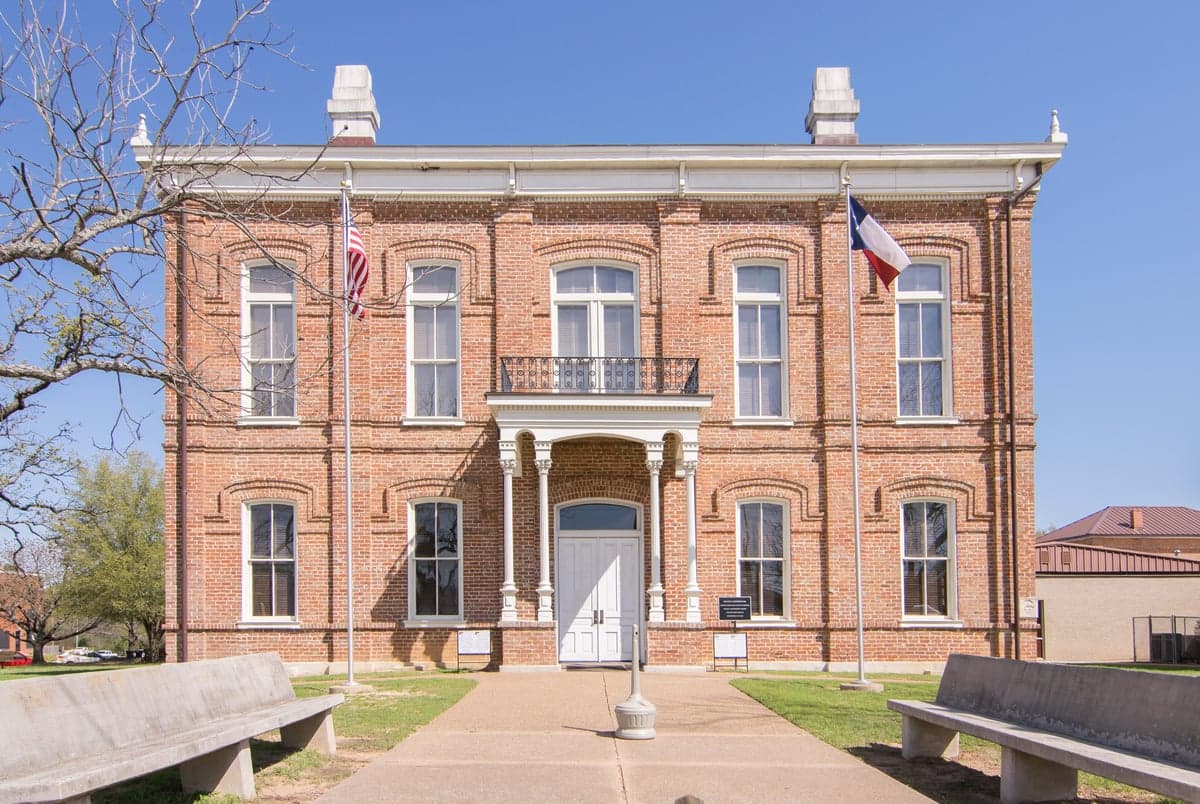
Photo: Wikipedia
Quality of Life in Leon County
A livable area that tracks near national norms for affordability, walkability, and neighborhood health.
What does Quality of Life tell us?
Quality of Life measures an area by evaluating factors like cost of living, nearby amenities, country club access, airport proximity, socioeconomic signals and neighborhood character. For large states, this is a general average — quality of life can vary dramatically between metro areas, suburbs, and rural communities within the same state.
What does this tell us?
Quality of Life measures an area by evaluating factors like cost of living, nearby amenities, country club access, airport proximity, socioeconomic signals and neighborhood character. For large states, this is a general average — quality of life can vary dramatically between metro areas, suburbs, and rural communities within the same state.
Cost of Living
34% below national average
118%
The Real Cost of Living in Leon County for 2026
| Tier | Individual | Family (4) |
|---|---|---|
| Survival | $13k | $24k |
| Comfortable | $34k | $51k |
| Luxury | $102k+ | $158k+ |
| Elite (Top 5%) | $120k+ | $186k+ |
Quality-of-Life Analysis
Leon County, Texas, offers a spectrum of quality-of-life options that range from the modest conveniences of its county seat, Centerville, to the quiet, unincorporated crossroads of Flynn and the sprawling ranchlands of the county’s northern and eastern reaches. The county’s character is defined by its position as a rural gateway between the Dallas-Fort Worth metroplex and Houston, drawing residents who prioritize affordability, space, and a slower pace over urban amenities. The county’s overall cost of living index sits at a remarkably low 66 (100 = US average), with a median home value of $177,400 and median rent of $798, making it one of the most budget-friendly areas in the state.
Largest town(s) & population centers
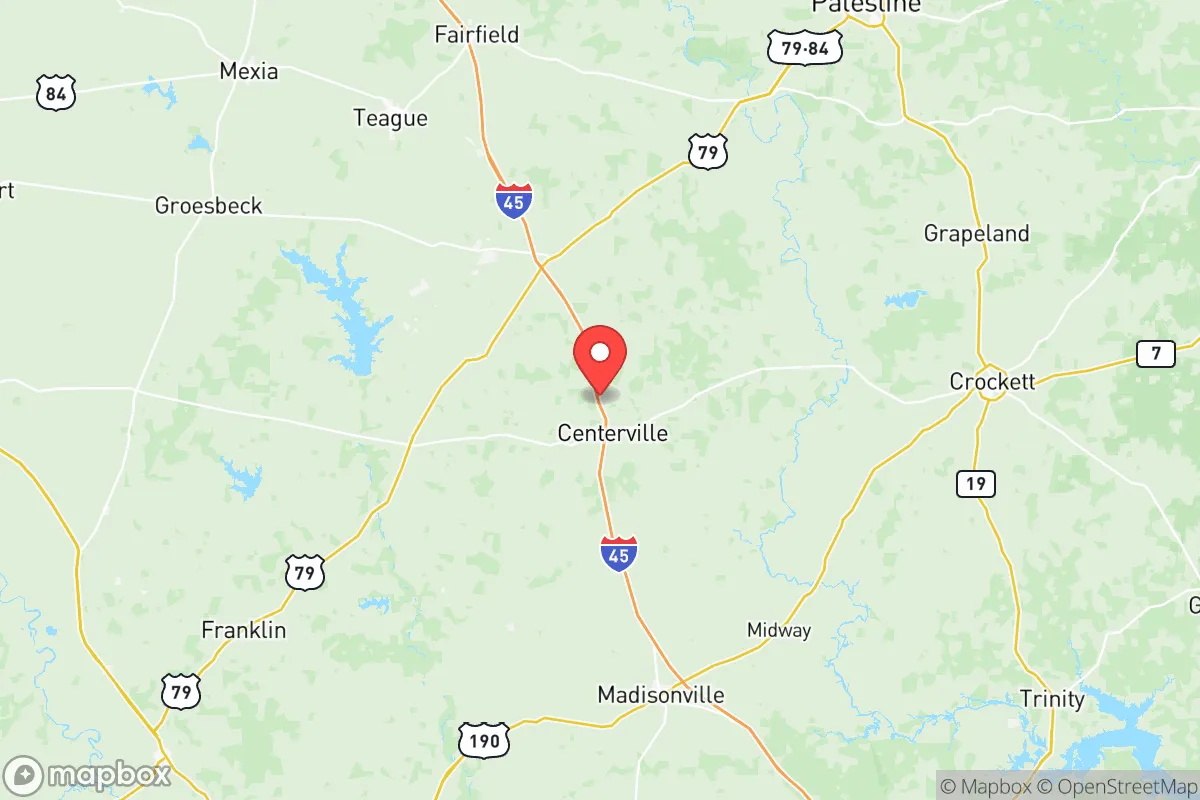
Centerville, the county seat and largest town, is the primary hub for commerce, government, and daily errands. Life here centers around the courthouse square, with local diners, a grocery store, and a handful of essential services. The town’s population hovers around 900, and its schools serve as a community anchor. Buffalo, located along Interstate 45, is the county’s second-largest population center and functions as a commuter-friendly stop for those working in Huntsville or even the northern edge of Houston. Buffalo offers a few more retail options than Centerville, including a Walmart and fast-food chains, but retains a small-town feel. The average commute across the county is 29.1 minutes, a figure that reflects the many residents who drive to jobs in larger neighboring counties like Madison or Freestone.
Smaller towns & rural pockets
Beyond the two main towns, Leon County is dotted with unincorporated communities that define its rural character. Flynn, a tiny crossroads with a historic store and a post office, offers a deeply quiet, agricultural lifestyle. Jewett, located near the county’s southern border, is a small community with a few churches and a volunteer fire department, where many residents live on acreage. Normangee, straddling the Leon-Madison county line, is a classic Texas farming town with a grain elevator and a strong sense of local identity. Oakwood, in the county’s far northeast, is a sparsely populated area where homes sit on large lots and the nearest grocery store is a 20-minute drive. These pockets are ideal for those seeking complete seclusion, land for livestock, or a weekend retreat.
Cost & lifestyle range
The cost of living in Leon County is uniformly low, but the lifestyle options vary significantly. At the most affordable end, a renter in Centerville or Buffalo can find a two-bedroom apartment for around $798 per month, well below the state average. Homebuyers in these towns can purchase a fixer-upper for under $150,000, though the median home value of $177,400 reflects a mix of older homes and newer manufactured housing. At the higher end of the spectrum, properties along the shores of Lake Limestone (which touches the county’s western edge) or near the Trinity River bottomlands command prices above $300,000, often for recreational cabins or waterfront homes. The trade-off is clear: residents in Centerville or Buffalo have access to a grocery store, a pharmacy, and a school within a 10-minute drive, while those in Flynn or Oakwood may drive 25-30 minutes for the same errands. The county lacks a hospital, with the nearest full-service medical facilities in Huntsville or Palestine, a factor that shapes daily life for families and retirees alike.
Leon County is best suited for those who value land, privacy, and a low cost of living over career opportunities, nightlife, or specialized healthcare. Retirees on fixed incomes, remote workers with stable internet (available in town centers but spotty in rural areas), and families seeking a safe, slow-paced environment for raising children will find the county’s mix of small-town and rural life appealing. The county’s low crime rates and strong sense of community are its greatest assets, but the limited job market and long drives for basic services mean it is not for everyone. For those who thrive on solitude and self-reliance, Leon County offers a genuine slice of rural Texas at a price that is increasingly hard to find elsewhere.

Crime in Leon County
Crime rates similar to the national median for U.S. locations.
Violent CrimeViolent Crime Analysis
Property CrimeProperty Crime Analysis
Crime Analysis
Leon County, Texas, reports a violent crime rate of 345.5 per 100,000 residents and a property crime rate of 1,795.5 per 100,000, placing it in a middle tier for safety within the state. While these figures are not the highest in Texas, they are significantly elevated compared to the safest rural counties in the region, and the nature of crime here is heavily influenced by the county's position along the Interstate 45 corridor. The county seat of Centerville and the larger town of Buffalo see the bulk of reported incidents, while smaller communities like Jewett, Normangee, and Oakwood generally experience lower volumes of crime, though data for these smaller towns is often aggregated into the county total.
Crime in context
Leon County's violent crime rate of 345.5 per 100,000 is roughly 15% higher than the national average and sits slightly above the Texas state average, which is itself elevated by major metropolitan areas. The property crime rate of 1,795.5 per 100,000 is approximately 10% below the national average but still represents a meaningful risk, particularly for vehicle burglary and theft from unlocked structures. For context, neighboring Madison County reports a violent crime rate near 400 per 100,000, while Robertson County to the west is closer to 300 per 100,000. Leon County's position on I-45, a major drug and human trafficking corridor between Houston and Dallas, contributes to a disproportionate share of drug-related violent crime and property thefts tied to transient populations passing through Centerville and Buffalo.
What residents experience
Residents of Leon County most frequently encounter property crime, with theft and burglary accounting for the majority of reported incidents. The county's rural nature means that many homes and outbuildings are isolated, making them targets for burglary when owners are away. Violent crime, while less common, is often concentrated in specific contexts: domestic disputes, drug-related altercations, and occasional aggravated assaults in and around the bars and truck stops along the I-45 corridor near Centerville. The Leon County Sheriff's Office, under the jurisdiction of the 87th Judicial District, maintains a visible presence, but the county's large geographic area and limited deputy staffing mean response times in the far eastern and western portions of the county—near the Trinity River bottom and the Houston County line—can be extended. The District Attorney for the 87th District, which covers Leon and adjacent counties, is an elected position; voters concerned about progressive criminal justice policies should note that the current office has maintained a generally conservative approach to prosecution, though the broader trend in Texas's urban judicial districts has been toward more lenient sentencing and pre-trial diversion programs, a dynamic that has not yet fully taken hold in this rural district.
Neighborhood-level variation
Safety in Leon County varies noticeably between its incorporated towns and unincorporated areas. Centerville, the county seat, sees the highest concentration of reported crime due to its role as a commercial and transportation hub, with the I-45 frontage road and the downtown area being the most active zones for both property and drug-related offenses. Buffalo, the largest town in the county, has a similar profile but benefits from a slightly larger police department and more active neighborhood watch programs. Jewett and Normangee are quieter, with crime largely limited to minor thefts and occasional vandalism, making them the preferred choices for families seeking a lower-risk environment. Oakwood, straddling the Leon-Freestone county line, is the most isolated and sees the fewest reported incidents, though its distance from law enforcement resources is a trade-off. For those considering relocation, the safest strategy is to choose a home within the city limits of Jewett or Normangee, where local police response is faster, and to avoid properties directly adjacent to the I-45 exits in Centerville and Buffalo, where transient crime is most pronounced.
* Values derived from national, state, county, city and local statistics and may differ in a specific area. Last updated: 2026-08-02T02:03:32.000Z
Narrative content on this page is AI-generated and may contain mistakes. Verify any details that matter before acting on them.
ReloMaps may earn a commission from affiliate links at no extra cost to you.

