 Popular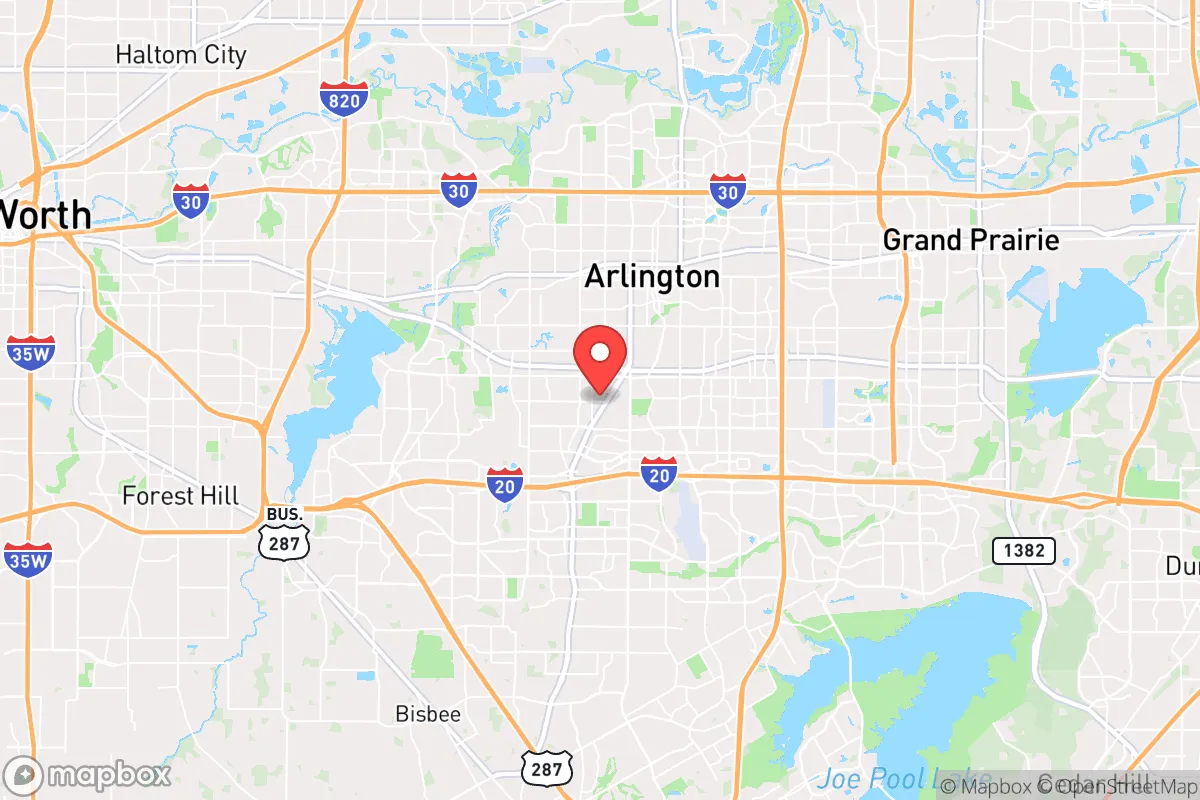
Photo: Wikipedia
Find The Best Places To Live
in Arlington
PRO TIP! You can paste a Zillow or Redfin link to get info on that property.
What It's Like Living in Arlington, TX
Arlington, Texas, is a city that wears its identity on its sleeve: it’s a sprawling, sports-obsessed, family-first suburb that happens to be the seventh-largest city in the state, yet still feels like a collection of neighborhoods rather than a single downtown hub. With a population of nearly 395,000 and a median age of 33.6, it’s a place where young families and single professionals coexist, drawn by the promise of affordable housing, major league entertainment, and a no-nonsense, work-hard-play-harder ethos. You won’t find a lot of pretension here—what you will find is a city that knows exactly what it is and doesn’t apologize for it.
The Daily Grind: Work, Commute, and the Weekend Reset
For most residents, daily life in Arlington revolves around a few constants: a manageable commute (the average is about 27 minutes), a heavy reliance on the car, and a weekend calendar that’s packed with either youth sports or big-league games. The city’s median household income of $73,519 is solidly middle-class, and the cost of living index sits at 111—slightly above the national average, but still a bargain compared to Dallas or Fort Worth proper. You’ll see a lot of people working in healthcare, education, and logistics (Arlington is a major hub for General Motors and the sprawling Arlington ISD), and the 33.1% college-educated rate means you’re just as likely to run into a nurse or a teacher as a corporate transplant.
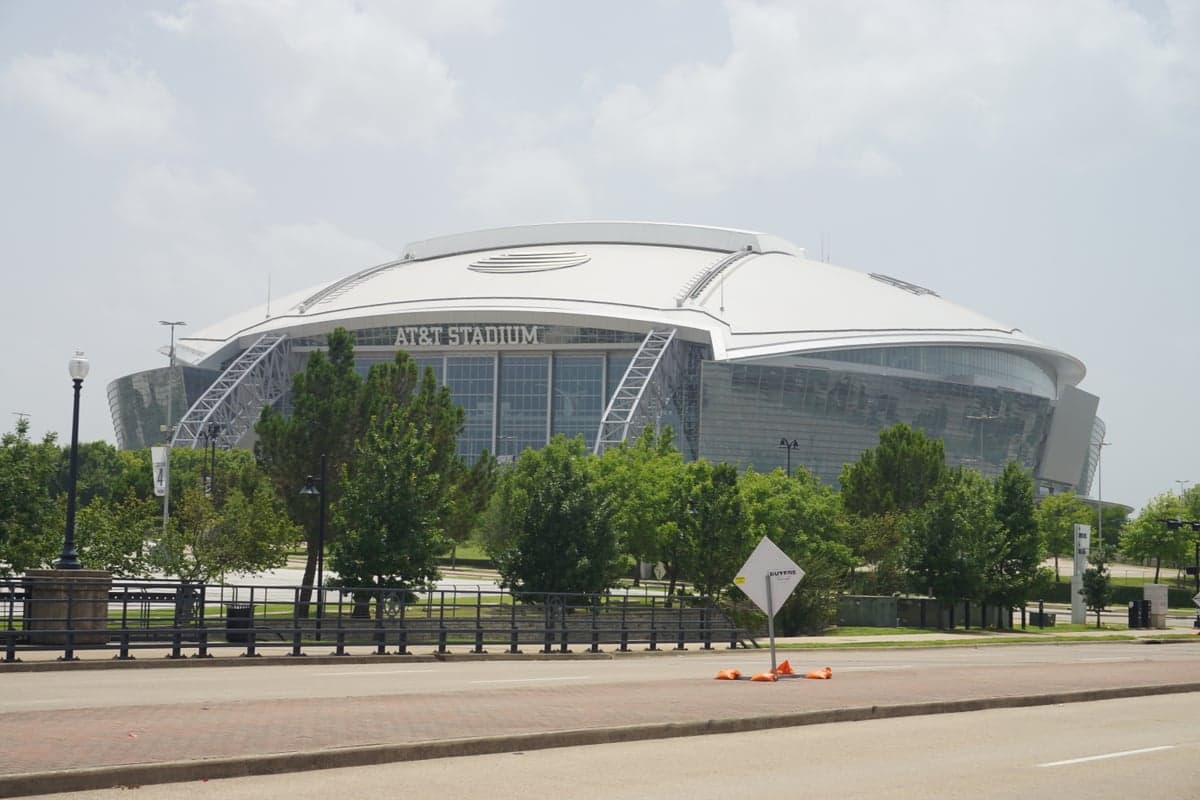
Weekends here are rarely lazy. Friday nights in the fall are dominated by high school football—think packed bleachers, booster club fundraisers, and the smell of popcorn drifting over the field. Saturdays and Sundays are for the big leagues: the Texas Rangers (Globe Life Field) and the Dallas Cowboys (AT&T Stadium) both call Arlington home, and game days transform the city into a sea of blue and silver. If you’re not at a game, you’re likely at a chain restaurant on I-20 or Cooper Street—Arlington isn’t a foodie destination, but locals swear by the Tex-Mex at Los Pastores and the barbecue at Bodacious Bar-B-Q. The city’s sprawling parks system, including the 120-acre River Legacy Park, offers trails and green space for those who want to escape the asphalt.
Sports, Entertainment, and the “Entertainment District”
Arlington’s identity is inseparable from its sports and entertainment complex. The area around AT&T Stadium and Globe Life Field—often called the Entertainment District—is the city’s gravitational center. On any given weekend, you can catch a Rangers game, a Cowboys preseason matchup, or a concert at the Texas Live! complex, a massive bar-and-restaurant hub that feels like a permanent tailgate. The city also hosts the annual Arlington Fourth of July Parade, one of the largest in the nation, and the Texas Rangers Fan Fest draws thousands every winter. For a quieter night, locals head to Division Brewing in the downtown area, a craft brewery that’s become a gathering spot for the city’s small but growing arts scene.
But the sports obsession isn’t just pro-level. High school football is a religion here, with programs like Martin High School and Arlington High School drawing crowds that rival some small colleges. The University of Texas at Arlington (UTA) adds a college-town vibe to the mix, with its Mavericks basketball and baseball games offering a more intimate, affordable alternative to the pros. If you’re not a sports fan, you might feel a little out of step—Arlington’s social calendar is largely built around game days.
What Works, What Doesn’t: The Honest Trade-Offs
Longtime residents love Arlington for its affordability and convenience. The median home value of $276,400 is a steal compared to Dallas or Austin, and the city’s location between Fort Worth and Dallas means you can be in either downtown in under 30 minutes (traffic permitting). The schools are a mixed bag—Arlington ISD has strong programs in some areas, but the sheer size of the district (over 50,000 students) means quality varies by neighborhood. Parents often choose their home based on feeder patterns, and the community’s investment in school sports and fine arts is palpable.
On the downside, the violent crime rate of 402.2 per 100,000 is higher than the national average, and while most of it is concentrated in specific areas, it’s a concern that comes up in neighborhood forums. Traffic on I-30 and I-20 can be brutal during rush hour, and the city’s lack of a true downtown core means you’ll drive everywhere—there’s no walkable urban center. The weather is classic North Texas: blistering summers (100°F+ for weeks at a time), mild winters, and the occasional tornado scare in spring. Locals cope by staying indoors from June through August or heading to nearby Lake Arlington for boating and fishing.
For the conservative-leaning audience, Arlington is a comfortable fit: it’s a purple city in a red county, with a strong emphasis on family values, community events, and a live-and-let-live attitude. You won’t find much political activism on street corners, but you will find a city that rallies around its schools, its teams, and its neighbors. The biggest frustration? The lack of a cohesive identity beyond sports—Arlington can feel like a collection of strip malls and subdivisions, and the city’s leadership has struggled to create a walkable, vibrant downtown. But for those who prioritize affordability, proximity to jobs, and a calendar full of games and festivals, it’s a place that delivers exactly what it promises.

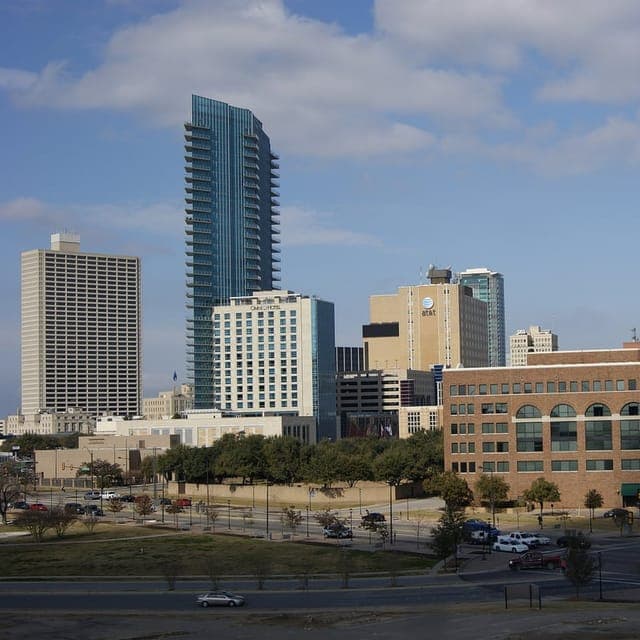
Similar mid-size cities to Arlington

* Values derived from national, state, county, city and local statistics and may differ in a specific area. Last updated: 2026-04-21T17:42:34.000Z
Narrative content on this page is AI-generated and may contain mistakes. Verify any details that matter before acting on them.
ReloMaps may earn a commission from affiliate links at no extra cost to you.

