Photo: Wikipedia
Find The Best Places To Live in Reeves County
PRO TIP! You can paste a Zillow or Redfin link to get info on that property.
Best Places to Live in Reeves County
Cities & Towns in Reeves County
Cities in Reeves County
What It's Like Living in Reeves County, TX
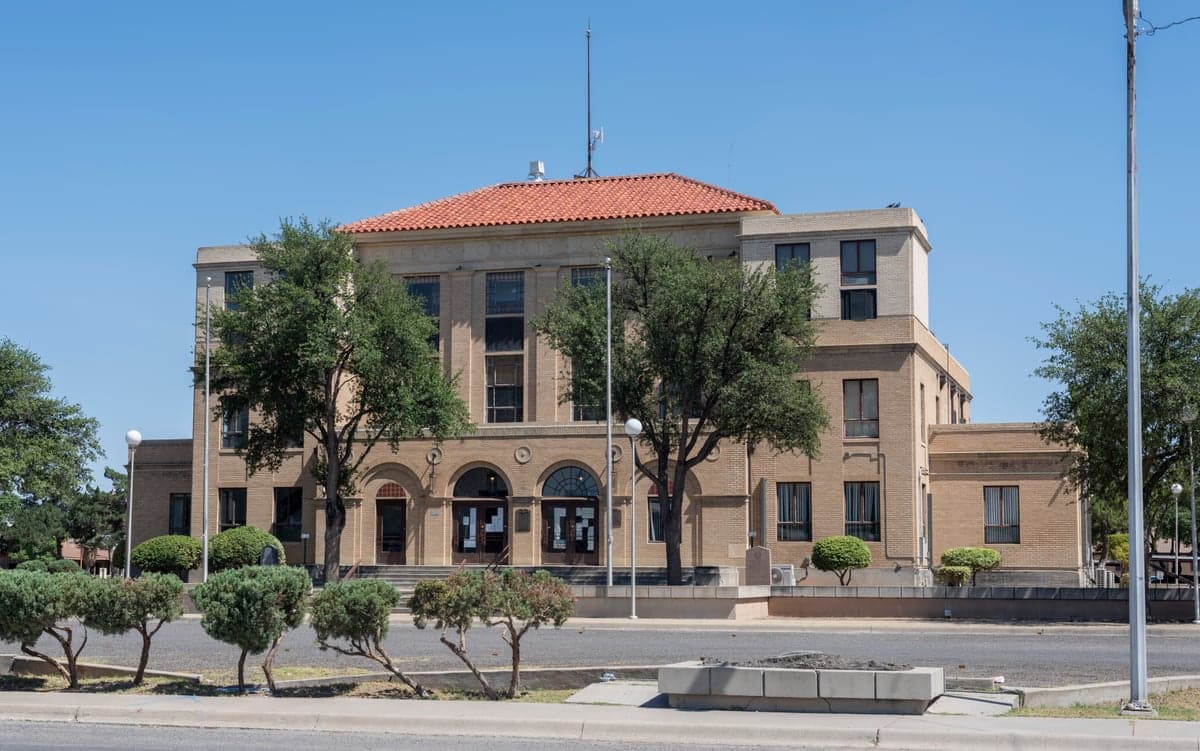
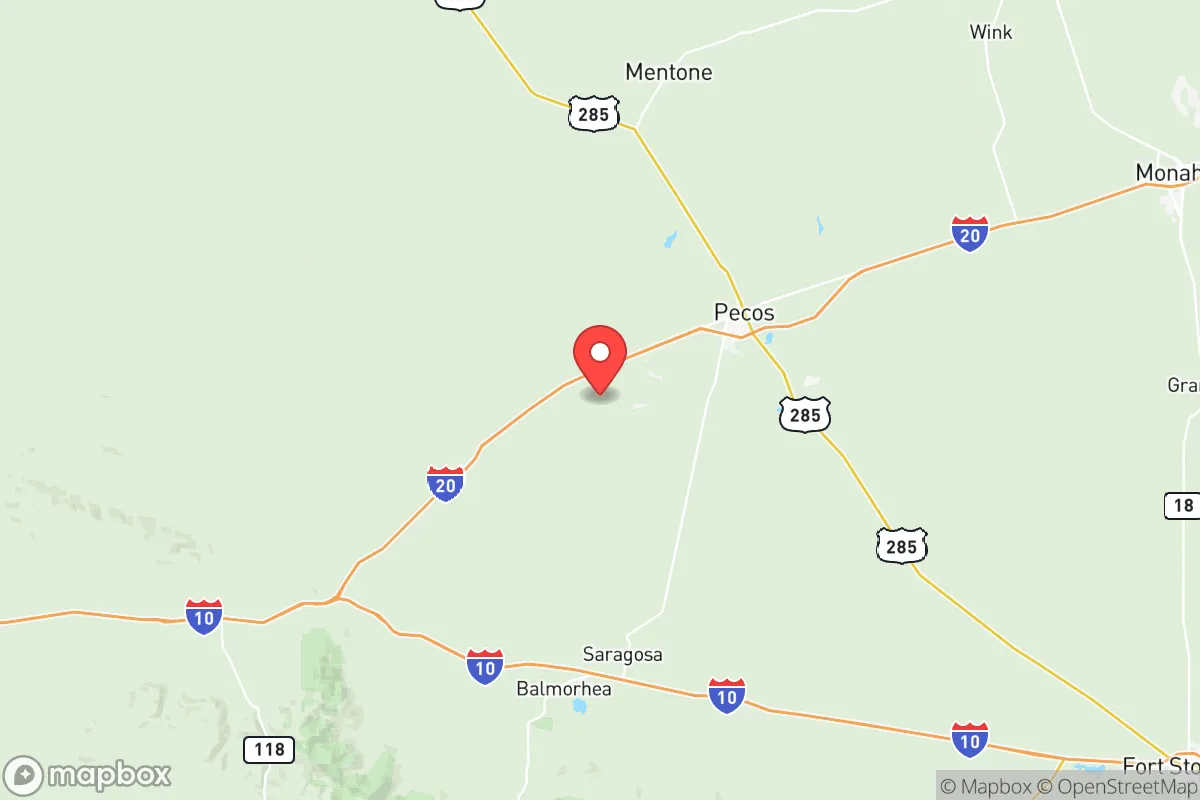
Living in Reeves County means getting comfortable with wide-open spaces, a slower pace, and a community where everyone knows your name—or at least your truck. The county’s anchor, Pecos, is the only real city, with smaller spots like Balmorhea, Toyah, and the unincorporated community of Orla dotting the landscape. It’s a place defined by its West Texas grit, oil-and-gas rhythms, and a surprising amount of natural beauty if you know where to look.
The Daily Rhythm in West Texas
Life here moves to the beat of work and weather. The dominant employer is the oil and gas industry, with crews working long shifts in the Permian Basin. When they’re off, folks in Pecos head to local spots like the Pecos Bowl for high school football or grab a plate at La Nortenita for some of the best tacos in the region. Shopping is practical—think Walmart and a handful of local hardware stores—rather than a leisure activity. Weekends often mean a drive to Balmorhea State Park, where the world’s largest spring-fed swimming pool draws families from all over the county. The Reeves County Golf Course is a low-key hangout for retirees and weekend warriors alike.
The median age here is 34.4, a bit younger than the national average, largely because of the oilfield workforce. That means you’ll see a mix of young families and single workers living in man camps or renting apartments. The median household income sits at $56,056, which goes a long way thanks to a cost of living index of 67—well below the U.S. average. A median home value of $113,700 means a decent house is within reach for most, though inventory can be tight during boom cycles.
Sports, Community, and the Local Identity
High school football is the undisputed king here. The Pecos Eagles pack the stands on Friday nights, and the rivalry with Monahans is the kind of thing that gets talked about at the feed store all week. Basketball and rodeo also have strong followings, with the Pecos Rodeo drawing crowds every summer. There’s no pro sports team within a three-hour drive, so local athletics are the main event. The community’s identity is deeply tied to the land—many families have been here for generations, working ranches or in the oilfields. The annual Pecos Cantaloupe Festival in August is a quirky but beloved tradition, celebrating the county’s famous melons with a parade, live music, and a whole lot of free samples.
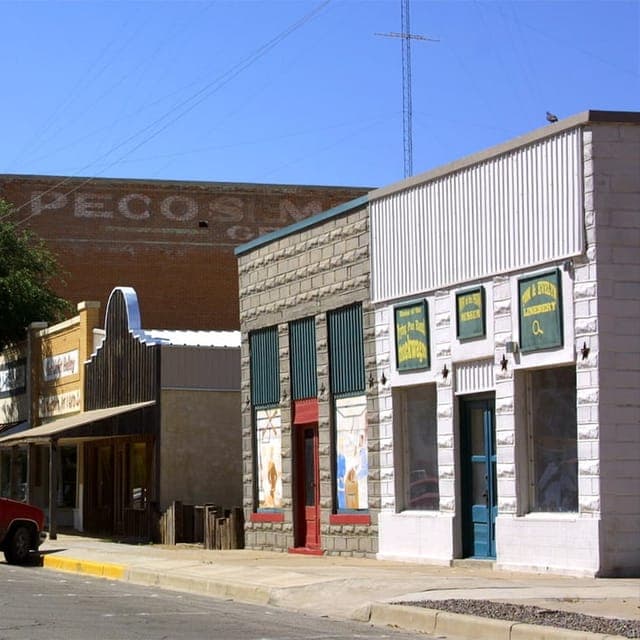
Cultural quirks? You’ll notice people wave at every passing car on county roads, and it’s considered rude not to wave back. The local dialect includes terms like “caliche” for the white gravel roads and “West Texas wind” as a constant conversation starter. The Reeves County Historical Museum in Pecos offers a deep dive into the area’s railroad and ranching past, but most locals live in the present—working hard, then unwinding with a cold beer at El Patio or a barbecue at Pecos BBQ.
What’s There to Do (and What’s Not)
Outdoor life is the main draw. Besides Balmorhea, you’ve got the Davis Mountains a short drive south for hiking, and the Pecos River offers decent fishing and kayaking after a good rain. Hunting is huge—deer, quail, and javelina are common quarry on private ranches. For entertainment beyond the outdoors, you’ll need to drive to Odessa (about 75 miles east) for concerts, shopping malls, or a movie theater. Pecos has a small cinema, but it’s more of a backup plan. Nightlife is limited to a few bars and cantinas; the Pecos Depot is a local favorite for live country music on weekends.
Pros: The cost of living is genuinely low, the community is tight-knit, and the wide-open spaces offer a kind of freedom you don’t get in cities. The violent crime rate of 342.3 per 100,000 is higher than the national average, so it’s worth noting that property crime can be an issue, especially during oil booms when transient populations spike. Cons: The isolation gets to some people—the nearest major airport is in Midland, two hours away. The weather is extreme: summer highs regularly hit 100°F, and winter can bring freezing winds. Only 6.9% of adults hold a college degree, so professional jobs outside oil and government are scarce. Schools in Pecos are the focal point of family life, but the district has struggled with funding and teacher retention, a common story across rural Texas.
If you’re a single oilfield worker looking to save money or a family that values space and community over urban amenities, Reeves County can be a great fit. If you need cultural diversity, fine dining, or a fast-paced social scene, you’ll probably feel the isolation quickly. It’s a place where you make your own fun—and where your neighbors will help you build a fence or pull your truck out of a ditch without a second thought.

* Values derived from national, state, county, city and local statistics and may differ in a specific area. Last updated: 2026-04-22T02:10:32.000Z
Narrative content on this page is AI-generated and may contain mistakes. Verify any details that matter before acting on them.
ReloMaps may earn a commission from affiliate links at no extra cost to you.

