Photo: Wikipedia
Find The Best Places To Live
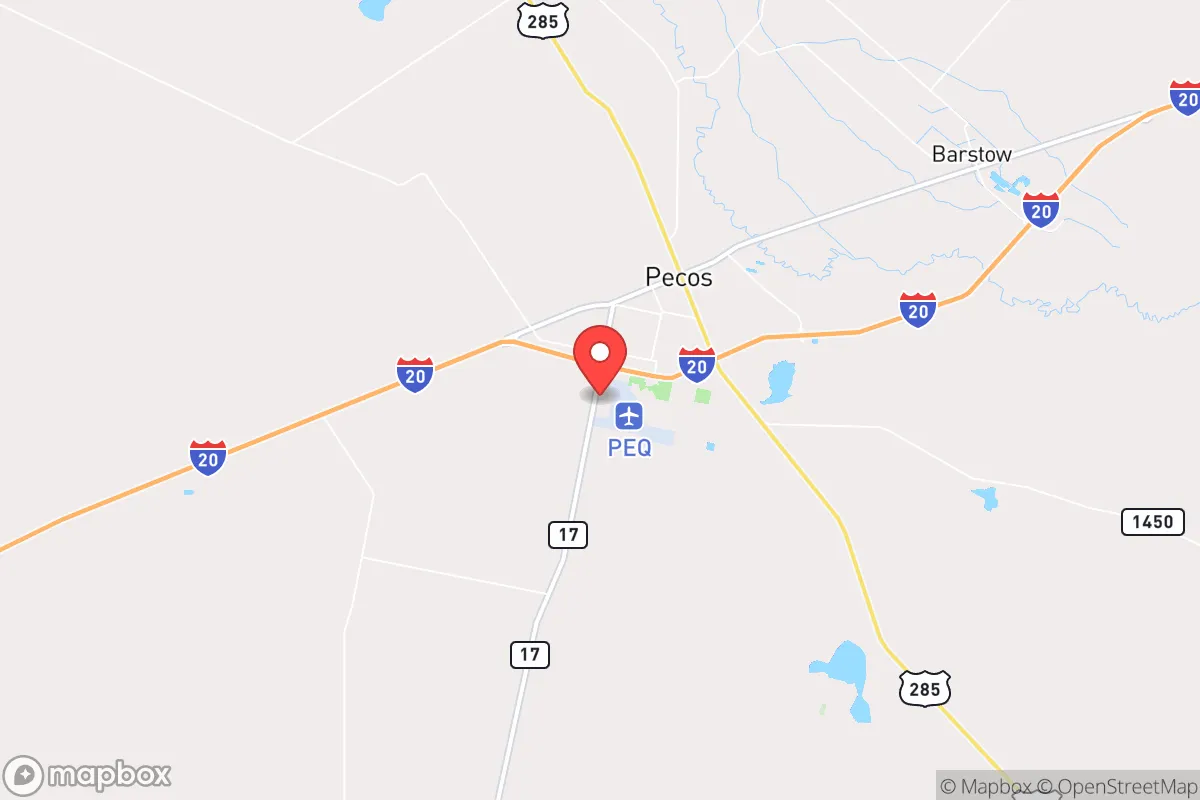
in Pecos
PRO TIP! You can paste a Zillow or Redfin link to get info on that property.
What It's Like Living in Pecos, TX
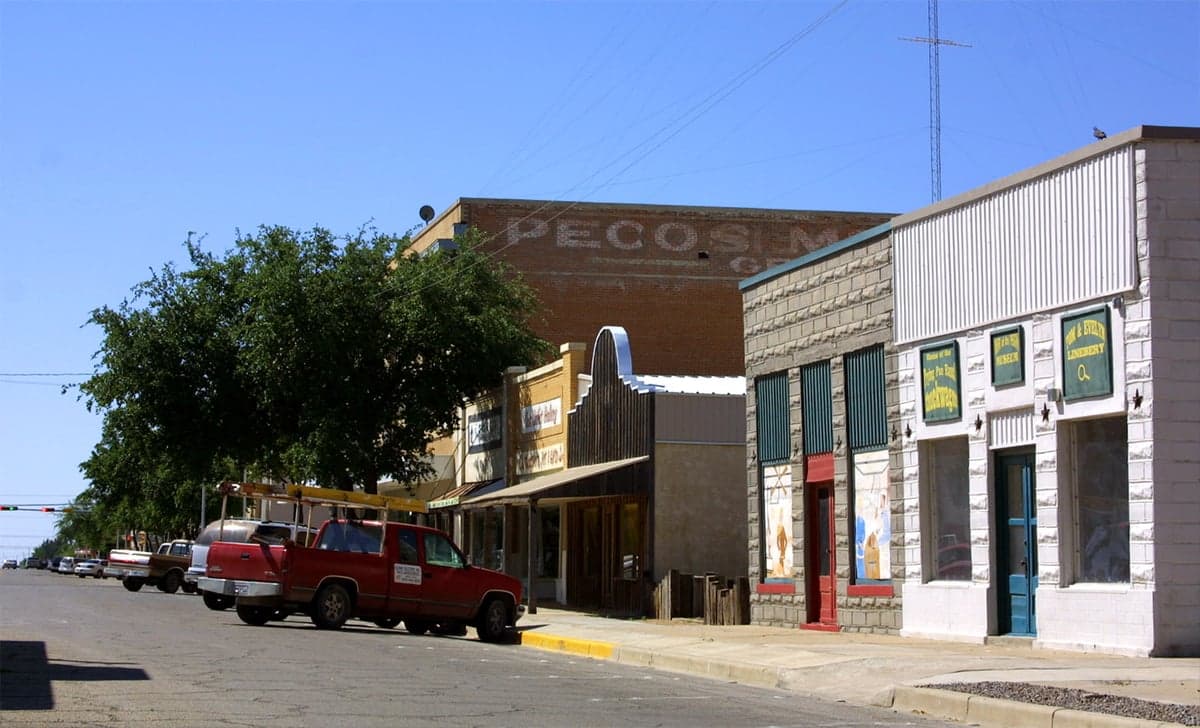
Pecos, Texas, feels like a place that time hasn’t forgotten, but not in a sleepy way—more like a town that’s stubbornly proud of its West Texas grit. With a population just over 11,400, it’s the kind of community where everyone knows your truck, the high school football game is the social event of the week, and the smell of roasting chiles from the annual Cantaloupe Festival hangs in the air every August. Life here moves at a slower, more deliberate pace, and that suits a certain kind of person just fine.
Daily Rhythm in a West Texas Town
Most mornings in Pecos start early. The median age is just under 33, so you’ve got a mix of young families and seasoned oilfield hands grabbing breakfast tacos at places like El Patio or the local Dairy Queen—yes, DQ is a legitimate social hub here. Commutes are short, averaging about 27 minutes, but that number can feel longer if you’re driving out to the rigs or the pecan farms that dot the Reeves County landscape. The median household income sits around $56,000, which stretches a long way thanks to a cost of living index of 67—nearly a third cheaper than the national average. A median home value of $113,800 means a family can actually afford a three-bedroom house on a single income, something that’s becoming a fantasy in bigger Texas cities.
Weekends are for the outdoors. People head to Balmorhea State Park about 30 miles west for a swim in the massive spring-fed pool, or they drive out to the Pecos River for some fishing and kayaking. The weather is brutally hot from June through September—think 100°F days with no shade—so you learn to plan your outdoor chores for dawn or dusk. Winters are mild but can surprise you with a blue norther that drops temps below freezing overnight.
Sports, Community, and the Cantaloupe Festival
If you live in Pecos, you live for Pecos High School football. The Eagles play at Eagle Stadium, and Friday nights in the fall are essentially a town-wide gathering. The stands are packed with grandparents, oil workers, and little kids running around the bleachers. Basketball and baseball also draw solid crowds, but football is the religion here. There’s no pro team within 300 miles, so high school sports are the main event—and that’s not a complaint; it’s a point of pride.
The biggest cultural touchstone is the Pecos Cantaloupe Festival, held every August since the 1940s. It’s a four-day affair with a parade, carnival rides, live music, and, of course, the famous sweet cantaloupe grown in the local soil. It’s the kind of event where you’ll see three generations of the same family working a booth. For nightlife, you’ve got a handful of bars like The Starlight Lounge and a few honky-tonks where live country music plays on weekends. It’s not Austin—there’s no club scene—but if you want a cold beer and a friendly game of pool, you’ll find it.
Who Fits In Here—and Who Doesn’t
Pecos is a blue-collar town through and through. The economy runs on oil, gas, and agriculture, so the people who thrive here are the ones who don’t mind getting their hands dirty. Only about 7% of adults hold a college degree, which is well below the national average, but that statistic doesn’t tell the whole story—many residents have trade skills or years of experience in the oilfields that pay just as well. The median age of 32.8 suggests a relatively young workforce, many of whom are raising kids in a place where they feel safe letting them ride bikes around the block.
That said, the violent crime rate is 735.8 per 100,000—roughly double the national average—and that’s the elephant in the room. Most of it is concentrated in specific areas and tied to property disputes or drug activity, but it’s a real concern for families. Longtime residents will tell you to lock your doors and avoid certain streets after dark, but they’ll also say the community pulls together when someone’s in trouble. The schools—Pecos-Barstow-Toyah ISD—are a mixed bag; they’re the center of community life but struggle with funding and test scores, which is common for rural districts in Texas.
Pros and Cons of Living in Pecos
- Pro: You can actually afford a home. A $113,800 median value means a mortgage payment that’s often less than rent in bigger cities.
- Pro: Low cost of living (67 on the index) lets you stretch a modest income further than almost anywhere else in the state.
- Pro: Strong sense of community—neighbors help neighbors, and the high school sports scene gives everyone a shared identity.
- Con: Violent crime is a real issue, especially compared to similarly sized Texas towns. It’s not a place where you leave your car unlocked.
- Con: Limited job diversity. If you’re not in oil, gas, agriculture, or a trade, your options are slim.
- Con: Extreme summer heat and a lack of big-city amenities like shopping malls, fine dining, or major entertainment venues.
Pecos isn’t for everyone, and it doesn’t pretend to be. It’s for people who value affordability, space, and a slower rhythm over convenience and nightlife. If you’re looking for a place where your dollar goes far and your neighbors know your name, it might be worth a visit—just bring a good AC unit and a tolerance for dust.

Similar towns to Pecos
* Values derived from national, state, county, city and local statistics and may differ in a specific area. Last updated: 2026-04-22T02:13:51.000Z
Narrative content on this page is AI-generated and may contain mistakes. Verify any details that matter before acting on them.
ReloMaps may earn a commission from affiliate links at no extra cost to you.

