
Photo: Wikipedia
Find The Best Places To Live in Starr County
PRO TIP! You can paste a Zillow or Redfin link to get info on that property.
Best Places to Live in Starr County
Cities & Towns in Starr County
Cities in Starr County
What It's Like Living in Starr County, TX
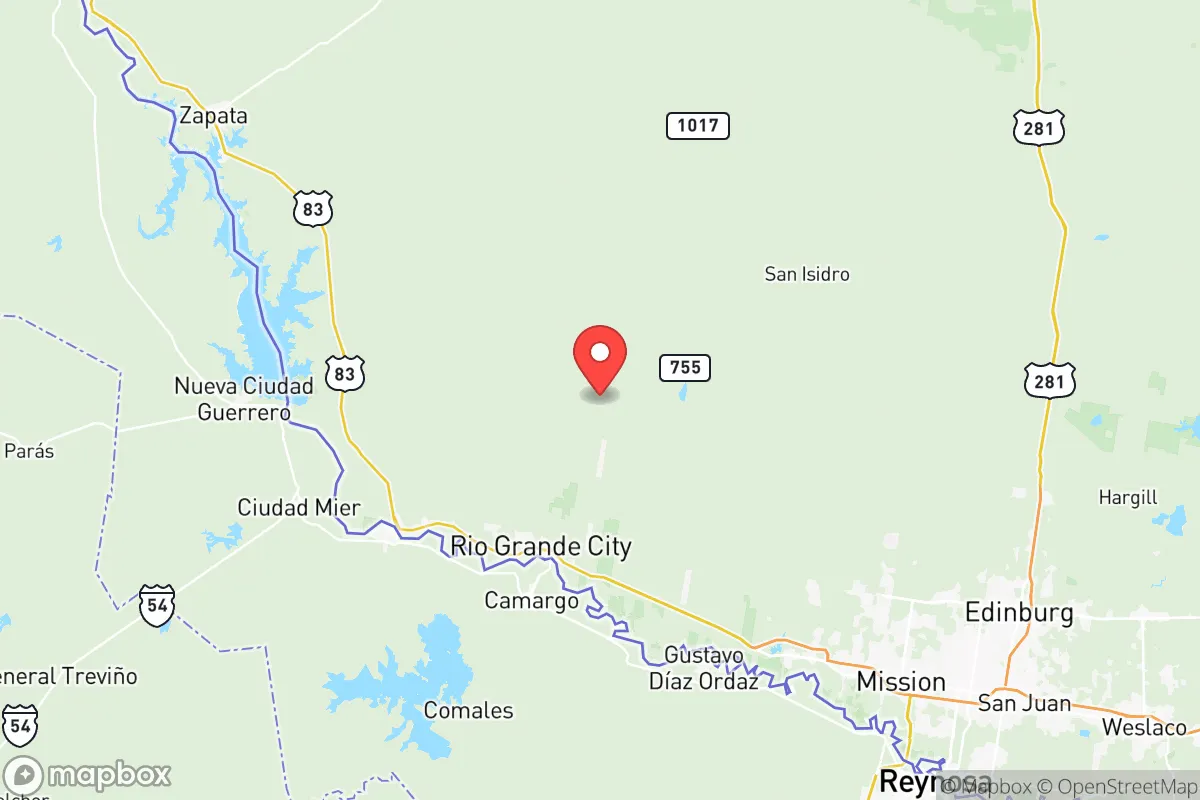
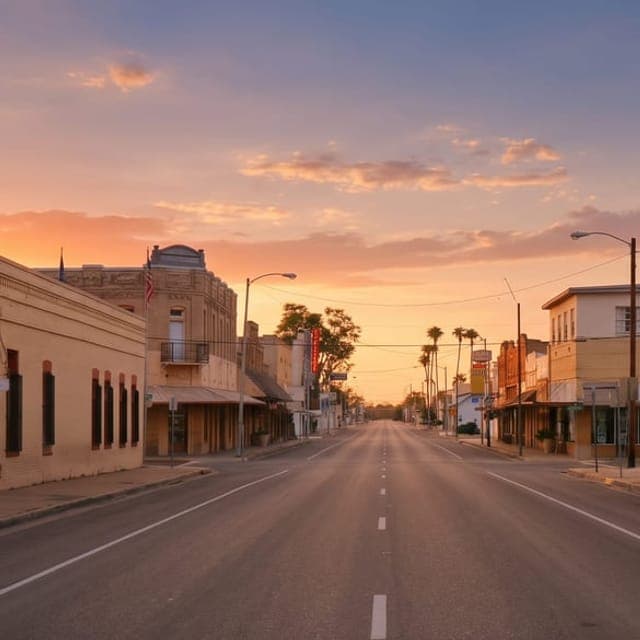
Living in Starr County, Texas, feels a world apart from the fast-paced corridors of the Rio Grande Valley’s bigger cities, even though it’s part of the same region. This is a place where the rhythms of life are dictated by family, faith, and the land, where the border town of Rio Grande City serves as the county seat and the main hub for shopping and services, and where smaller communities like Roma, La Grulla, and Escobares offer a quieter, more rural existence. It’s a deeply traditional, predominantly Hispanic area where Spanish is heard as often as English, and where the concept of “mañana” isn’t laziness—it’s a genuine prioritization of people over schedules.
Daily Rhythm in a Border County
A typical weekday in Starr County starts early. In Rio Grande City, you’ll see trucks heading out to oil fields or ranches, and cars lining up at the international bridge for the commute to jobs in Mexico. The average commute here is just over 24 minutes, which feels reasonable, though traffic can bottleneck at the bridge crossings during peak hours. Most people shop locally—the Walmart in Rio Grande City is a central gathering spot—but for major shopping or entertainment, many drive 45 minutes west to McAllen or an hour east to Laredo. Weekends are often spent at family gatherings, barbecues (the local carne asada is a staple), or at one of the county’s many parks. The Falcon International Reservoir, straddling the border near Roma, is a huge draw for fishing, boating, and camping, offering a scenic escape from the heat.
Sports, Community, and What People Do for Fun
High school football is the undisputed king of local sports. The Rio Grande City Rattlers and the Roma Gladiators pack stadiums on Friday nights, and the rivalry between them is a genuine community event. Beyond football, the county’s youth are heavily involved in rodeo and livestock shows, a reflection of the area’s deep agricultural roots. For entertainment, the annual Starr County Fair in Rio Grande City is a highlight, bringing carnival rides, live music, and a showcase of local talent. Music venues are scarce—think small cantinas and the occasional dance hall—but the Roma-Ciudad Miguel Alemán International Bridge area has a few popular spots for live norteño and conjunto music on weekends. Outdoor life revolves around the reservoir and the Lower Rio Grande Valley National Wildlife Refuge, a haven for birdwatchers and hikers. The lack of major chain entertainment means people here create their own fun: family cookouts, quinceañeras, and church festivals are the social calendar’s backbone.
Who Fits In Here, and Who Might Struggle
Starr County is a great fit for families who value close-knit community and a slower pace. The median age is just 29.1, reflecting a young population, but the median household income is $38,182, and only 13.3% of adults hold a college degree. This is not a place for high-earning professionals seeking a vibrant nightlife or a diverse job market. The economy is heavily tied to government, education, healthcare, and oil-and-gas work, with many residents commuting to jobs in the Eagle Ford Shale play or across the border. The cost of living is remarkably low—a cost of living index of 50 (half the U.S. average)—and the median home value is just $93,300, making homeownership attainable for many. However, the trade-off is limited economic opportunity; if you’re not in one of those key sectors, finding work can be tough. The violent crime rate of 344.4 per 100,000 is higher than the national average, a reality that locals acknowledge but often attribute to isolated incidents rather than a pervasive sense of danger. Most residents feel safe in their neighborhoods, but it’s a statistic worth noting.
Pros and Cons of Life in Starr County
- Pro: Affordability. You can buy a home for under $100,000, and everyday expenses are far lower than in Austin or Dallas. This allows many families to live comfortably on a single income.
- Pro: Strong community bonds. Neighbors know each other. Church and family are central. There’s a genuine sense of belonging that’s hard to find in larger cities.
- Pro: Outdoor access. The Falcon Reservoir and the wildlife refuge offer excellent fishing, birding, and boating without the crowds of state parks elsewhere.
- Con: Limited job market. Outside of government, education, and oil, professional opportunities are scarce. Many young people leave for McAllen, San Antonio, or Houston.
- Con: Distance to amenities. For anything beyond basic shopping or a sit-down restaurant, you’re driving 45 minutes to an hour. There’s no major hospital in the county; serious medical care requires a trip to McAllen.
- Con: Extreme summer heat. From June through September, daily highs often exceed 100°F. Air conditioning is a necessity, not a luxury, and outdoor activities are limited to early mornings or evenings.
For the right person—someone who values family, affordability, and a slower, more traditional way of life—Starr County offers a genuine, grounded existence. It’s not for everyone, but for those who call it home, the trade-offs are worth it.

* Values derived from national, state, county, city and local statistics and may differ in a specific area. Last updated: 2026-06-11T18:21:57.000Z
Narrative content on this page is AI-generated and may contain mistakes. Verify any details that matter before acting on them.
ReloMaps may earn a commission from affiliate links at no extra cost to you.

