Photo: Wikipedia
Personal Sovereignty in Starr County
Strong independent fundamentals that actively favor personal liberty and low regulation.
What does Personal Sovereignty tell us?
Personal Sovereignty measures your capacity for self-reliance and independence with minimal government friction. Higher scores mean fewer barriers between you and the way you want to live... but it assumes you have the space you need and good neighbors.
What does this tell us?
Personal Sovereignty measures your capacity for self-reliance and independence with minimal government friction. Higher scores mean fewer barriers between you and the way you want to live... but it assumes you have the space you need and good neighbors.
State Policy
Energy independence: Net exporter (220% of energy produced in-state)
Personal Liberty
Homesteading

Personal Liberty Analysis
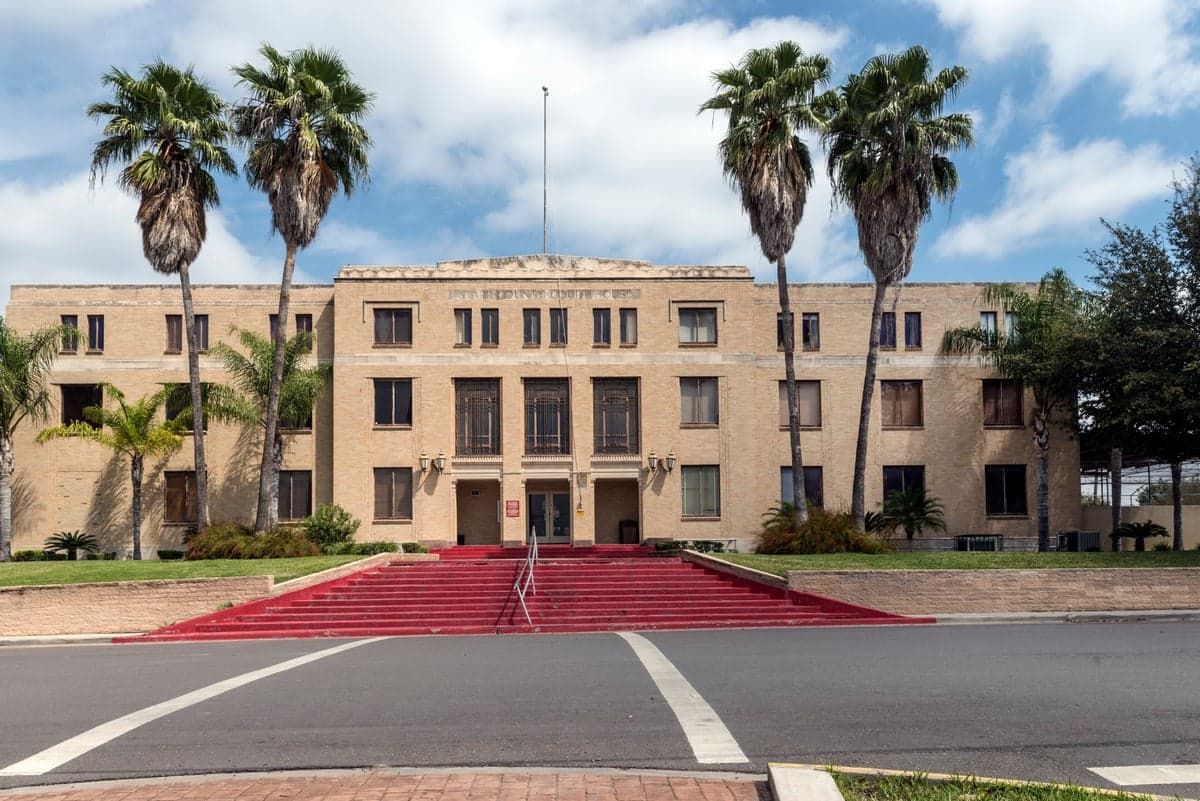
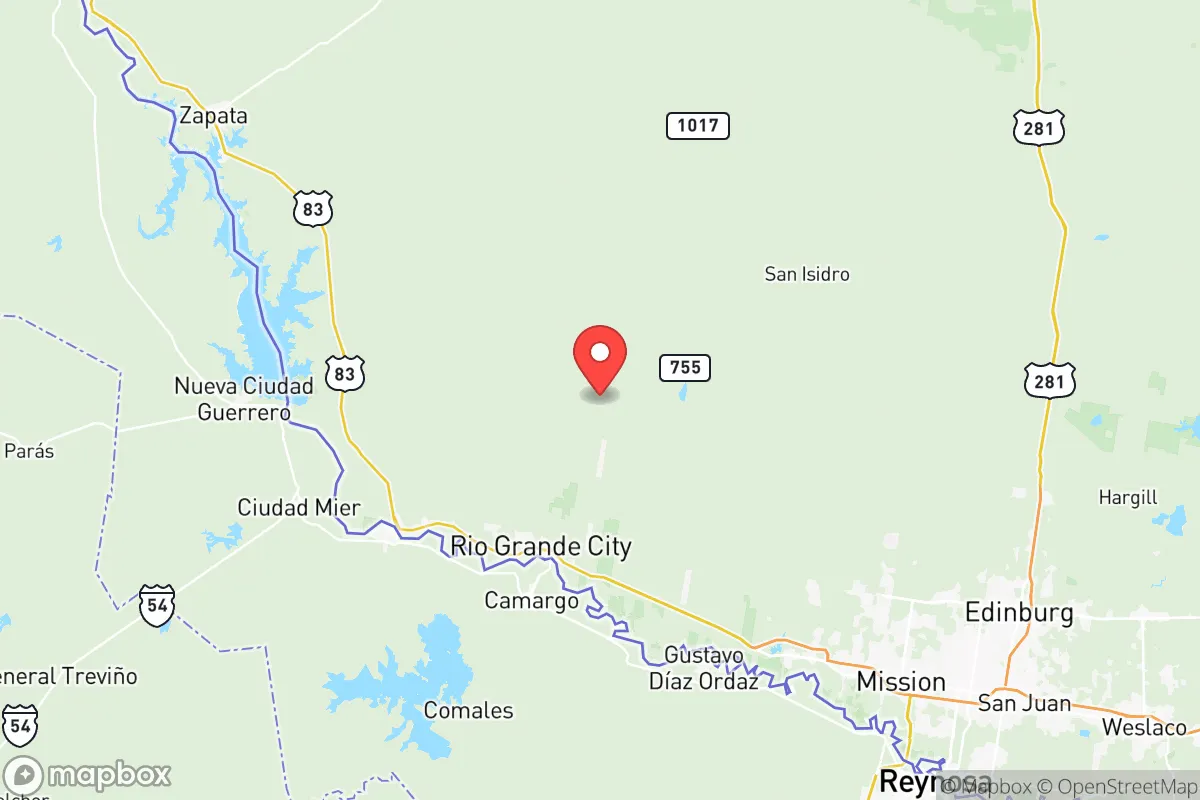
Starr County, Texas, offers a distinctive personal sovereignty environment shaped by its remote location along the Rio Grande, a deeply rooted culture of self-reliance, and the generally light-touch regulatory framework of Texas state law. For individuals and families prioritizing autonomy, the county presents a mix of low formal taxation and minimal zoning, balanced against the practical constraints of a rural border region where access to services and infrastructure can be limited. The area's political culture leans conservative, with a strong emphasis on property rights, gun ownership, and local control, making it a viable option for those seeking to maximize personal freedom outside of metropolitan oversight.
Tax burden and regulatory posture in Starr County
Starr County's tax burden is notably low, a direct result of Texas's absence of a state income tax and the county's own modest property tax rates. The effective property tax rate in Starr County is approximately 1.2% of assessed home value, which is below the Texas state average of 1.6%. This lower rate is partly because the county lacks the high-demand public services and infrastructure projects found in larger cities like McAllen or Houston. The regulatory posture is similarly light: there is no county-wide zoning code in unincorporated areas, meaning property owners in places like Rio Grande City (the county seat) or Roma face fewer restrictions on land use than those inside city limits. However, incorporated towns like Rio Grande City and Roma do enforce local ordinances on building permits, setbacks, and business licenses, so the regulatory freedom is greatest outside these municipal boundaries. Sales tax in the county is 8.25%, which is the standard Texas rate, but the overall cost of living is roughly 15% below the national average, further reducing the financial burden on residents.
Self-defense and gun law specifics in a border county
Starr County is a strong Second Amendment area, fully governed by Texas's permissive firearm laws. The state allows permitless carry (constitutional carry) for individuals 21 and older, and there are no county-specific restrictions beyond state statutes. Open carry of handguns and long guns is legal, and the county's rural character means that firearms are a common sight in daily life, from vehicles to homes. The sheriff's office in Starr County, led by Sheriff Rene Fuentes, is known for a pro-gun rights stance, and there is no local push for additional restrictions. For self-defense, Texas's Castle Doctrine and Stand Your Ground laws apply fully here, giving residents broad legal protection for using force, including deadly force, to defend themselves or their property. The proximity to the border does not create additional gun control measures; rather, it reinforces a culture of personal preparedness. Gun ranges and firearm retailers are available in Rio Grande City and La Grulla, and the county's low crime rate relative to other border areas (violent crime is about 30% below the Texas average) means that self-defense is more a matter of personal choice than daily necessity.
Self-reliance and homesteading viability: lot sizes, zoning, and off-grid feasibility
Homesteading and off-grid living are highly viable in Starr County, particularly in its unincorporated areas. Lot sizes in rural parts of the county, such as near El Sauz or Santa Elena, commonly range from 1 to 10 acres, with some parcels exceeding 20 acres, available at prices well below $5,000 per acre. There is no county-wide zoning, so building a home, raising livestock, or installing alternative energy systems like solar panels or rainwater collection is generally unrestricted outside city limits. Off-grid feasibility is strong: the region receives over 250 sunny days per year, making solar power a practical primary energy source. Water access is a key consideration—many rural properties rely on private wells, and the county does not mandate connection to municipal water systems. Septic systems are permitted with standard health department approval. However, residents in towns like Roma or Rio Grande City face stricter building codes and must connect to municipal utilities, so those seeking maximum self-reliance should target properties in the county's open ranchlands. The local agricultural extension office in Rio Grande City offers resources for small-scale farming, and the climate supports year-round vegetable gardening, though irrigation is necessary during dry months.
Personal liberties: parental rights, medical autonomy, speech, and property
Personal liberties in Starr County are generally robust, reflecting Texas's broader legal framework. Parental rights are strongly protected under state law, including the Texas Parental Bill of Rights, which gives parents authority over their children's education, healthcare, and religious upbringing. The county has a growing number of homeschool families and private religious schools, particularly in Rio Grande City and Roma, offering alternatives to public schooling. Medical autonomy is less defined by local policy than by state law: Texas does not have a state-level vaccine mandate, and while the county follows state health regulations, there is no local push for additional medical restrictions. Freedom of speech and assembly are protected, and the county's conservative culture means that political expression, including displays of religious or patriotic symbols, is widely accepted. Property rights are a cornerstone of local governance—eminent domain is rarely used, and the county's tax appraisal district is known for being accessible to property owners who wish to protest valuations. The main limitation on personal liberty is the area's remoteness: access to specialized healthcare, legal services, or alternative medical practitioners may require travel to McAllen (about 45 minutes from Rio Grande City) or Laredo (about an hour), which can be a constraint for those seeking full medical independence.
Overall, Starr County ranks as one of the more sovereignty-friendly areas in Texas for those who value low taxes, minimal regulation, and strong gun rights. Its combination of cheap land, permissive zoning, and a culture of self-reliance places it ahead of more regulated regions like the Austin or Dallas-Fort Worth metroplexes. However, the trade-off is significant: the county's rural isolation means fewer immediate services, longer travel times for specialized needs, and a slower pace of life that may not suit everyone. For the single individual or family willing to embrace that remoteness, Starr County offers a genuine environment for personal autonomy, where the state's light touch and the county's own traditions of independence allow residents to live largely on their own terms.

* Values derived from national, state, county, city and local statistics and may differ in a specific area. Last updated: 2026-06-11T18:21:57.000Z
Narrative content on this page is AI-generated and may contain mistakes. Verify any details that matter before acting on them.
ReloMaps may earn a commission from affiliate links at no extra cost to you.

