 Popular
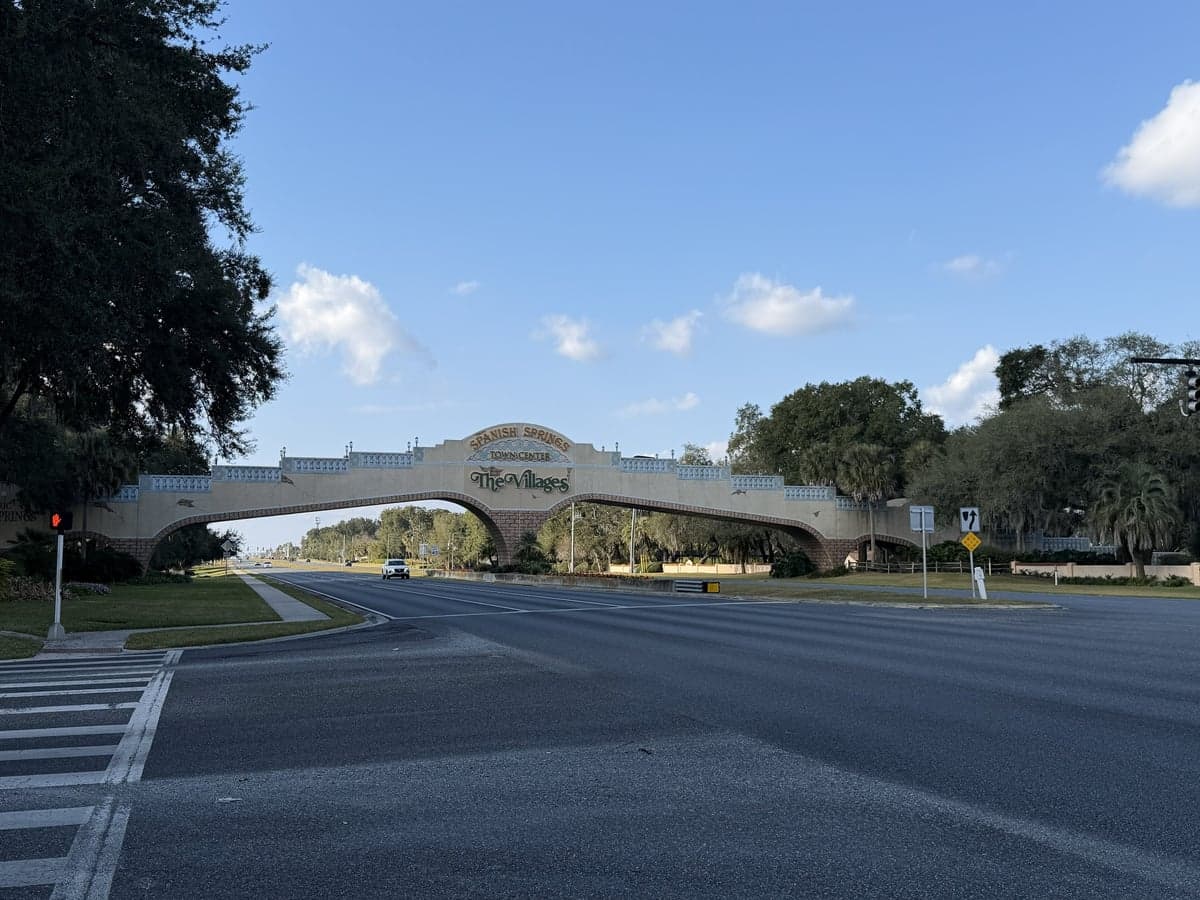
Photo: Wikipedia
Quality of Life in The Villages, FL
A high quality of life with strong walkability, manageable living costs, healthy neighborhood signals, and solid amenity access.
What does Quality of Life tell us?
Quality of Life blends cost of living, nearby amenities, socioeconomic signals, and neighborhood character. City-level scores represent the whole municipality; individual neighborhoods can differ.
What does this tell us?
Quality of Life blends cost of living, nearby amenities, socioeconomic signals, and neighborhood character. City-level scores represent the whole municipality; individual neighborhoods can differ.
Cost of Living
33% above national average
The Real Cost of Living in The Villages, FL for 2026
| Tier | Individual | Family (4) |
|---|---|---|
| Survival | $25k | $46k |
| Comfortable | $73k | $107k |
| Luxury | $120k+ | $186k+ |
| Elite (Top 5%) | $141k+ | $219k+ |
71%
The Area Signal
A metric tracking the socioeconomic signals of the area.
Hobbies
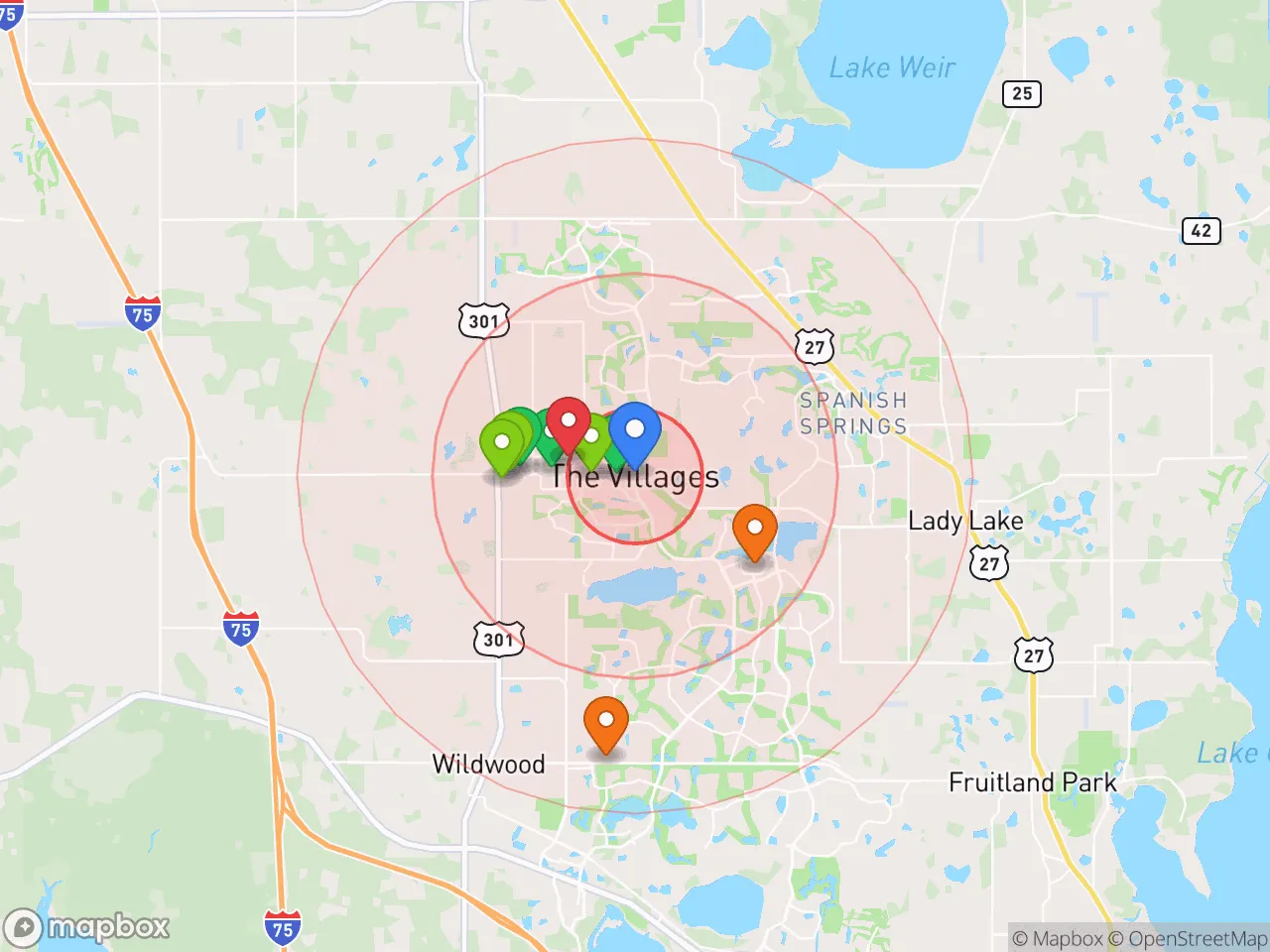
Explore the areaGroceries
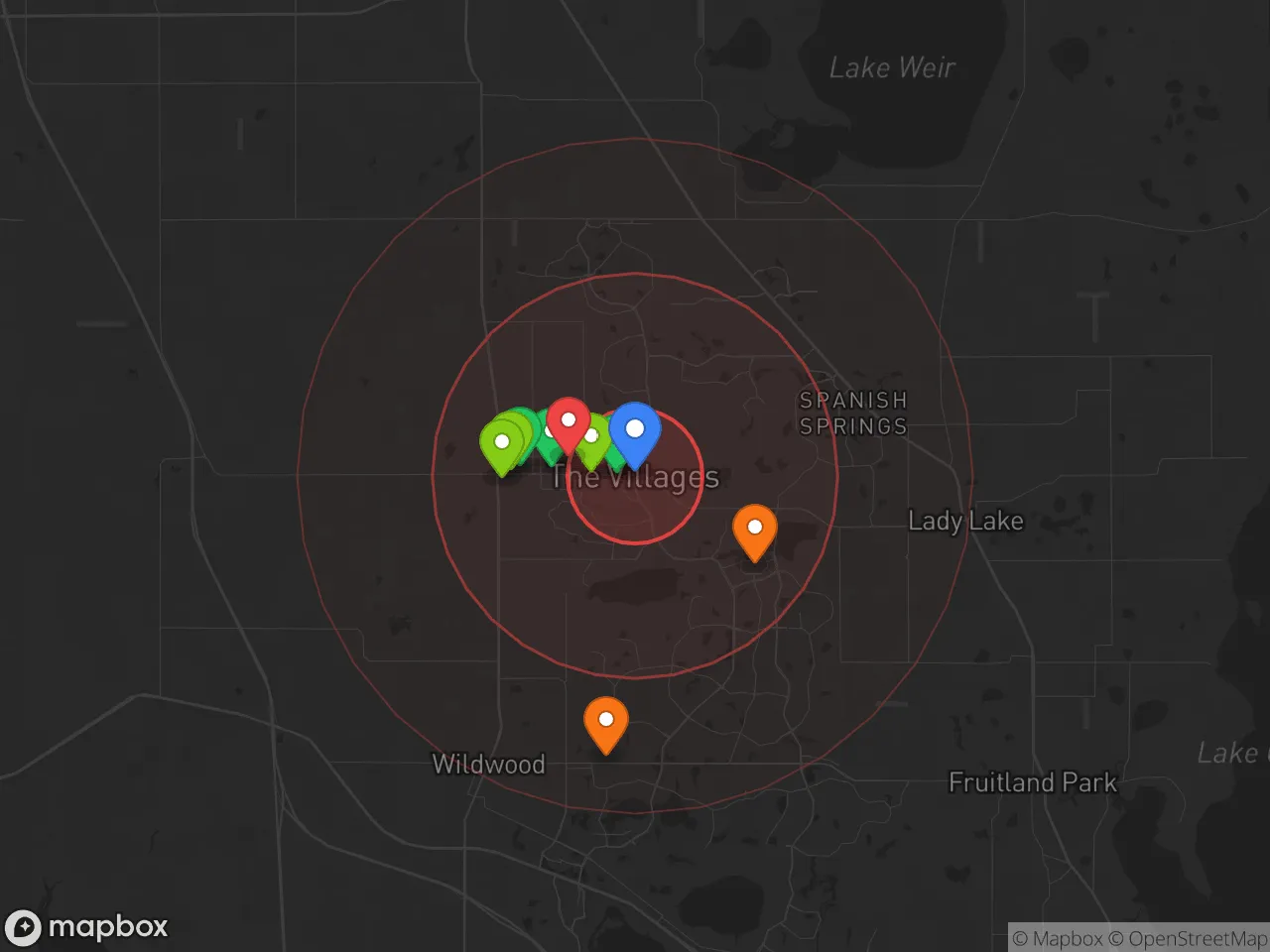
5 within 10 miles
Gas
19 within 10 miles
Hospital
12 within 20 miles
Airport
MCO — Orlando International
Post Office
USPS — The Villages, FL
Critical Amenities
Quality-of-Life Analysis
The Villages, Florida, is a master-planned retirement community designed for active adults aged 55 and older, and its quality of life is defined by a high degree of affluence and a deliberate, amenity-rich lifestyle. With a cost of living index of 133—significantly above the national average of 100—the area attracts retirees who have substantial savings, pensions, or investment income, creating a demographic that is overwhelmingly white, older, and financially comfortable. The community's strict age restrictions and focus on leisure-oriented living mean that daily life revolves around golf carts, social clubs, and a calendar of organized activities rather than traditional family or career rhythms.
Cost of living and housing affordability compared to nearby cities
The Villages is notably more expensive than the surrounding region, driven primarily by housing demand from affluent retirees. The median home value sits at $375,100, which is roughly 30% higher than the median for the broader Ocala metropolitan area. Median rent is $1,541, reflecting a tight rental market with limited inventory. For context, nearby Leesburg and Ocala offer median home values closer to $250,000 and $290,000 respectively, making The Villages a premium choice. Property taxes are relatively moderate due to Florida's lack of state income tax, but homeowners association fees and amenity fees add $200–$400 monthly. The average commute is just 20.9 minutes, which is short by national standards, but this reflects the fact that most residents are retired and do not commute to work; those who do work typically travel to nearby employment hubs like Ocala or Leesburg.
What daily life is like for residents: amenities, recreation, and services
Daily life in The Villages is structured around an unparalleled array of amenities. The community boasts over 100 golf courses, 40+ recreation centers, and more than 2,500 social clubs covering everything from woodworking to pickleball. The town squares—Lake Sumter Landing, Spanish Springs, and Brownwood—host nightly entertainment, dining, and shopping, creating a walkable, car-light environment for many residents. Healthcare access is robust, with the Villages Regional Hospital and numerous specialty clinics within a 15-minute drive. Public schools in the area are operated by Sumter County and are generally rated average to above-average, though the vast majority of residents have no school-age children. The rhythm of life is slow-paced and social, with most activities occurring between 8 a.m. and 8 p.m., and traffic is minimal outside of the main squares during evening events.
This lifestyle is best suited for financially secure, active retirees who value social engagement, golf, and a predictable, safe environment. Families with children, young professionals, or anyone seeking a diverse, multi-generational community will find The Villages isolating and expensive. The combination of high housing costs, age restrictions, and a leisure-first culture means that only those who fit the specific demographic—and can afford the premium—will truly thrive here. For the right person, however, the trade-off of higher costs for a built-in social network and resort-style amenities is a clear quality-of-life win.

Crime in The Villages, FL
Generally safer than 73% of comparable U.S. locations.
Violent CrimeViolent Crime Analysis
Property CrimeProperty Crime Analysis
Crime Analysis
The Villages, Florida, reports a violent crime rate of 166.8 incidents per 100,000 residents and a property crime rate of 735.6 per 100,000. These figures place the community in a notably safer position than both the state of Florida and the national average, particularly for violent offenses. However, the overall safety picture is shaped by the area's unique demographic profile—a highly concentrated retirement population—and its location within a broader tri-county region that includes parts of Sumter, Lake, and Marion counties, each with its own law enforcement jurisdiction and crime trends.
Crime in context
To understand The Villages' safety, it is essential to compare its rates to broader benchmarks. The national violent crime rate in recent years has hovered around 380 per 100,000, while Florida's state rate is approximately 380 per 100,000 as well. The Villages' violent crime rate of 166.8 is thus roughly 56% lower than the national average. Property crime in The Villages (735.6 per 100,000) is also below the national average of approximately 1,950 per 100,000, though it is closer to the Florida state average of about 1,700 per 100,000. The low violent crime rate is consistent with the area's older, affluent, and highly policed environment, where daytime activity dominates and transient populations are minimal. It is worth noting that the broader tri-county area includes municipalities with higher crime rates, particularly in less affluent parts of Lake and Marion counties, which can skew regional statistics.
What residents experience
Residents of The Villages most commonly encounter property-related offenses, such as theft from vehicles, package theft, and occasional burglaries, rather than violent crime. The community's gated neighborhoods, active neighborhood watch programs, and dedicated community policing units contribute to a strong sense of security. The Villages Public Safety Department operates with a high officer-to-resident ratio, and the area's extensive network of golf cart paths and recreational spaces is generally considered safe for daytime use. However, the region's proximity to larger cities like Ocala and Leesburg—which have higher crime rates and are part of a broader metro area—means that some property crime may be linked to individuals traveling from outside the community. The progressive judicial philosophies in some of these surrounding counties, particularly in Lake and Marion, have been a point of concern for residents who worry that lenient sentencing for property offenders may contribute to repeat offenses and a perception of reduced accountability.
Neighborhood-level variation within The Villages is relatively modest, but differences exist between the older, more established sections (such as the original Villages of Sumter County) and newer developments in Lake and Marion counties. The newer areas, while still safe, may experience slightly higher rates of construction-related theft and transient activity. Overall, The Villages remains one of the safest large retirement communities in Florida, with crime rates that are consistently a fraction of state and national averages, though residents should remain vigilant about property crime and the potential spillover effects from the broader metro area's justice system policies.
* Values derived from national, state, county, city and local statistics and may differ in a specific area. Last updated: 2026-04-24T03:56:38.000Z
Narrative content on this page is AI-generated and may contain mistakes. Verify any details that matter before acting on them.
ReloMaps may earn a commission from affiliate links at no extra cost to you.

