Political ClimatePolitical Climate in Three Forks, MT
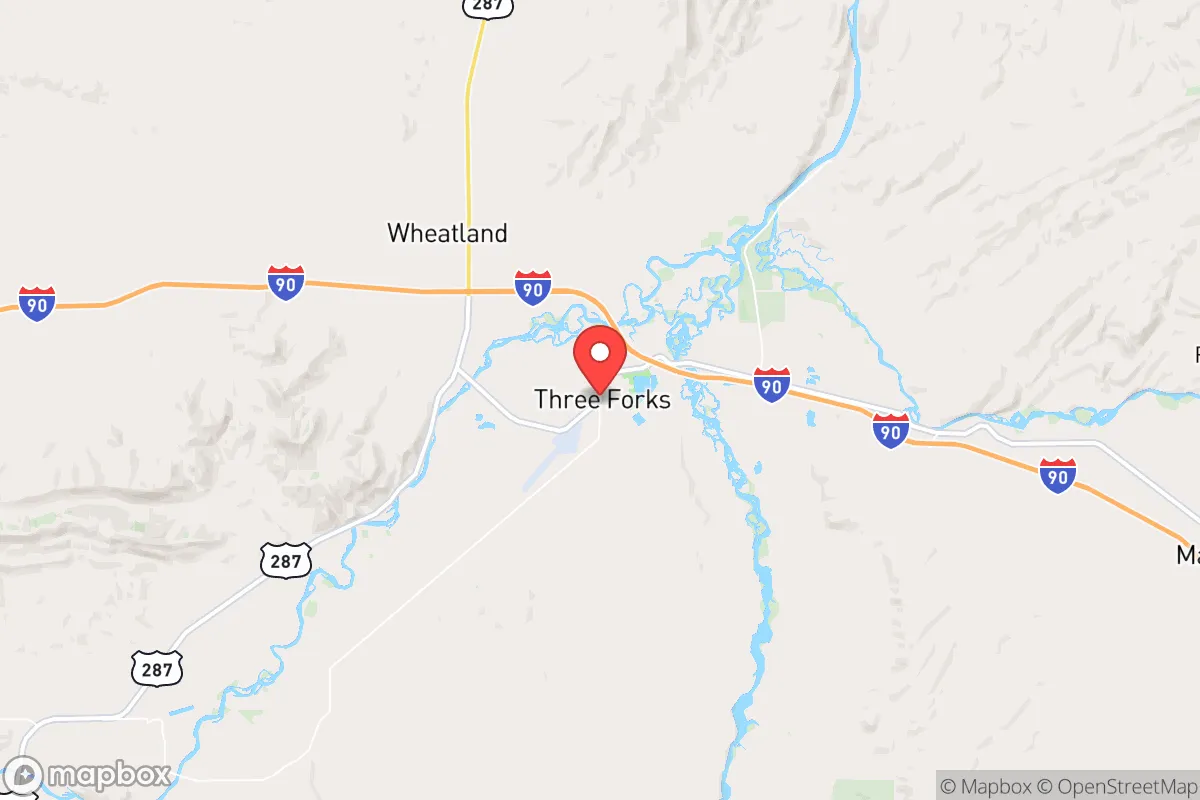
District shown is the primary district for this city’s centroid. Cities may span multiple districts.
Local Political AnalysisPolitical Analysis of Three Forks, MT
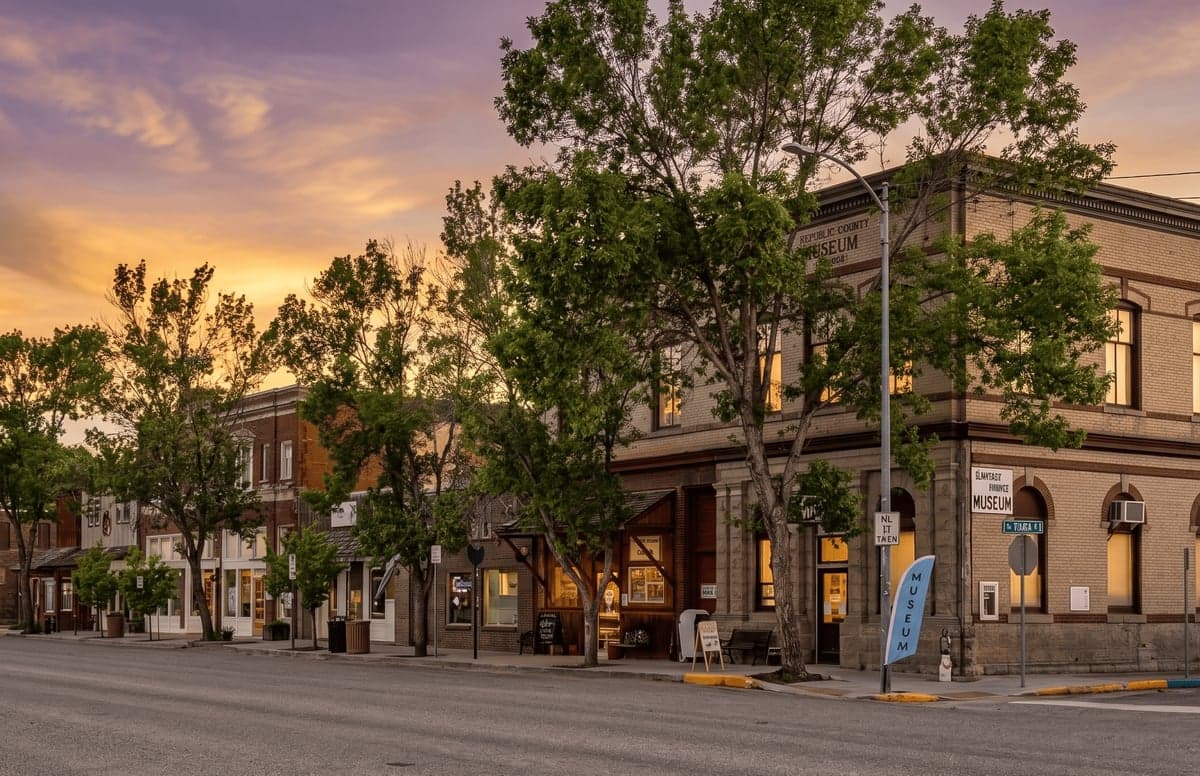
Three Forks has always been a place where folks value their independence, and that’s reflected in its solidly conservative lean. The area’s Cook PVI of R+5 tells you the baseline, but it doesn’t capture the full story—this is a community where the old-school Montana values of self-reliance and minding your own business still hold strong. You won’t find the kind of progressive push you see in Bozeman or Missoula, and that’s exactly how most people here like it. The political trajectory has been steady, but there’s a growing unease as outside influences creep in, especially from the more liberal enclaves to the east and west.
How it compares
Drive thirty minutes east to Bozeman, and you’re in a different world—a rapidly growing college town where the politics are shifting left, with a lot of new transplants bringing big-city ideas about government control. Head west to Butte, and you’ll find a working-class town with a more mixed political history, but still a far cry from Three Forks’ consistent conservatism. Even nearby Belgrade, while still red, has started to show signs of the same progressive drift as Bozeman, with more development and the cultural baggage that comes with it. Three Forks, by contrast, feels like a holdout—a place where the local government still respects property rights and doesn’t get too creative with zoning or taxes. The contrast is stark: in Bozeman, you’ve got city councils debating bike lanes and affordable housing mandates; in Three Forks, the big political fights are about keeping the county fairgrounds open and making sure the water rights stay in local hands.
What this means for residents
For the people who live here, the political climate means a lighter touch from government, which is exactly what most folks want. You don’t have to worry about the kind of overreach you see in more progressive areas—no mask mandates that last for years, no heavy-handed business closures, no property tax hikes disguised as “community benefits.” The local sheriff’s office and county commissioners are still run by people who believe in the Second Amendment and don’t see the need for red flag laws or other restrictions on personal freedoms. That said, there’s a quiet concern about the long-term trend. As more people move in from out of state—especially from places like California and Colorado—there’s a real risk that the political balance could tip. The 2024 election showed some close races in Gallatin County overall, and while Three Forks held strong, the margins are shrinking. If you value your rights and don’t want to see the kind of government overreach that’s become common in other parts of the state, this is still a safe haven—but it’s one worth keeping an eye on.
Culturally, Three Forks is a place where the old Montana ways still matter. The annual Headwaters Heritage Festival is a big deal, and it’s not just about fun—it’s a statement that this community isn’t going to be swallowed up by the Bozeman sprawl. You’ll see more pickup trucks than Teslas, and the local diner is still a place where people talk about hunting and fishing, not carbon offsets. The policy distinctions are subtle but real: the county has resisted adopting the kind of growth management plans that have become common in more progressive areas, preferring to let landowners decide what to do with their property. That’s a big deal for anyone who’s watched what’s happened to places like Bozeman, where property rights have taken a backseat to government planning. For now, Three Forks remains a place where you can live your life without a lot of interference, but the pressure is building, and it’s going to take a community that’s willing to stand up for its values to keep it that way.

State Political ClimatePolitical Climate in Montana
State Political AnalysisPolitical Environment in the State
Montana has long been a reliably Republican state in presidential elections, voting for the GOP candidate in every contest since 1968 except for Bill Clinton’s 1992 win, but the real story is the deepening internal divide between a fast-growing, left-leaning urban corridor and a deeply conservative rural expanse. Over the past 10-20 years, the state’s overall partisan lean has remained solidly red—Donald Trump won by 16 points in 2020 and by over 20 in 2024—but the coalition is shifting as newcomers pour into places like Bozeman and Missoula, while the eastern plains and western mining towns hold the line. This isn’t your granddad’s Montana anymore; the political energy is split between a libertarian-leaning, property-rights frontier spirit and a new wave of progressive activism concentrated in a few key cities.
Urban vs. rural divide
The political map of Montana is a textbook case of the urban-rural chasm. The state’s two largest cities, Billings and Missoula, sit on opposite ends of the spectrum. Billings, the economic hub of the eastern plains, is a reliably Republican stronghold where energy, agriculture, and healthcare dominate—Yellowstone County gave Trump 62% in 2020. Missoula, home to the University of Montana, is the state’s progressive anchor, voting for Biden by 20 points and hosting the most visible activist networks. The real flashpoint is the Gallatin Valley, anchored by Bozeman. Once a sleepy college town, Bozeman has exploded with out-of-state transplants, many from California and Colorado, turning Gallatin County from a swing county into a Democratic-leaning one—Biden won it by 5 points in 2020, a dramatic flip from 2012 when Romney carried it by 15. Meanwhile, the rural counties east of the Rockies—places like Dawson County (Glendive) and Richland County (Sidney)—vote 80%+ Republican, driven by oil, ranching, and a fierce independence. The divide isn’t just cultural; it’s economic, with the urban islands pulling in tech and tourism dollars while the rest of the state relies on extraction and agriculture.
Policy environment
Montana’s policy environment is a mixed bag for conservatives, but the trend has been positive in recent years. The state has no sales tax, a flat income tax of 5.9% (reduced from 6.9% in 2021 via SB 159), and a constitutional spending limit that keeps the budget lean. Property taxes are moderate but rising fast in high-growth areas like Bozeman and Kalispell, where valuations have doubled in five years. The regulatory posture is generally light—Montana is a right-to-work state with minimal zoning outside city limits—but the 2023 Land Use Planning Act (SB 382) raised eyebrows by imposing state-level growth planning on local governments, a potential overreach that conservatives in rural counties fought. Education policy is a bright spot: Montana has a robust school choice landscape, including charter schools and a new education savings account program passed in 2023 (HB 393), which lets parents use state funds for private or homeschool expenses. Healthcare is more complicated—the state expanded Medicaid under the ACA in 2015, and while a work requirement was added in 2021, the program remains a point of contention. Election laws are solid: voter ID is required, same-day registration is allowed, and the 2021 SB 169 tightened absentee ballot rules, though mail-in voting remains popular. Overall, the policy environment leans conservative, but the influx of new residents is testing the limits of the state’s small-government tradition.
Trajectory & freedom
On the freedom front, Montana is a tale of two trends: expanding liberty in some areas, contracting in others. The good news for conservatives is the state’s strong gun rights culture—Montana is a constitutional carry state with no permit required for concealed carry, and the 2021 HB 102 explicitly preempted any local gun ordinances, a direct rebuke to Missoula’s attempts to ban firearms in city buildings. Parental rights got a boost with the 2023 HB 361, which requires schools to notify parents of any curriculum involving sexuality or gender identity, and the 2021 HB 112 banned transgender athletes from female sports. Medical autonomy is protected by the Montana Medical Marijuana Act, but recreational cannabis was legalized by voter initiative in 2020, a move many conservatives opposed as a slippery slope. The concerning trend is the erosion of property rights: the 2023 HB 819 expanded the state’s ability to condemn land for conservation easements, and the aforementioned land-use planning law gives the state more say over local development. Taxation is generally low, but the 2021 HB 303 created a new tax on short-term rentals, hitting Airbnb hosts in tourist towns like Whitefish and Big Sky. The trajectory is mixed—Montana is still freer than most states, but the growth-driven push for regulation in the urban corridor is a red flag for anyone who moved here to escape government overreach.
Civil unrest & political movements
Montana isn’t known for mass protests, but the political movements here are intense and localized. The most visible flashpoint is the Yellowstone Club and the broader “Bozeman bubble,” where left-leaning activists have clashed with conservative ranchers over land use and development. In 2020, Missoula saw Black Lives Matter protests that drew hundreds, but they were largely peaceful and fizzled out. The bigger story is the rise of the Montana Freedom Caucus in the state legislature, a group of hardline conservatives who have pushed for nullification of federal gun laws and challenged the state’s own COVID mandates. Immigration politics are muted—Montana has a tiny foreign-born population—but the 2023 SB 97 banned sanctuary cities, a preemptive strike against any future progressive local policies. Election integrity has been a hot topic: the 2021 SB 170 required signature verification for mail ballots, and the 2023 HB 528 banned private funding of election administration, a response to the Zuckerberg-funded 2020 election grants that many conservatives saw as corrupt. The most visible movement is the “Montana Land Alliance,” a property-rights group that has organized against the state’s conservation easement push, holding rallies in Helena and Helena. For a new resident, the political temperature is warm but not boiling—unless you’re in Missoula or Bozeman, where the culture war is a daily reality.
Projection
Over the next 5-10 years, Montana is likely to become more politically divided, not less. The demographic shift is the key driver: the state is growing at about 1.5% annually, with most newcomers settling in the Gallatin Valley, Missoula, and the Flathead (Kalispell/Whitefish). These are disproportionately young, college-educated, and left-leaning, which means Gallatin County will likely become a permanent Democratic stronghold, and Missoula will deepen its blue hue. Meanwhile, the rural counties are losing population and aging, which could make their Republican margins even larger but less influential in statewide races. The state legislature will remain Republican-controlled, but the margin could narrow—the 2024 elections saw Democrats pick up seats in Bozeman and Missoula. The wildcard is the 2028 redistricting, which could lock in the urban advantage or dilute it. On policy, expect more fights over land use, property taxes, and education—the school choice movement will likely expand, but so will efforts to regulate short-term rentals and growth. The freedom trajectory is uncertain: the state’s libertarian streak is strong, but the new residents bring a preference for government services and regulation. Someone moving in now should expect a state that is still conservative overall, but where the culture war is intensifying, and where the old “live and let live” ethos is being tested by rapid change.
For a new resident, the bottom line is that Montana offers a high degree of personal freedom compared to most states, but that freedom is under pressure from growth and the progressive activism it brings. If you’re moving to a rural county like Dawson or Richland, you’ll find a conservative, low-regulation environment that feels like the Montana of 30 years ago. If you’re heading to Bozeman or Missoula, be prepared for a more contentious political landscape, with higher taxes, stricter land-use rules, and a vocal left-wing presence. The key is to choose your location carefully—and to get involved in local politics if you want to keep Montana from turning into the place you left.
* Values derived from national, state, county, city and local statistics and may differ in a specific area. Last updated: 2026-04-19T06:51:04.000Z
Narrative content on this page is AI-generated and may contain mistakes. Verify any details that matter before acting on them.
ReloMaps may earn a commission from affiliate links at no extra cost to you.

