Quality of Life in Three Forks, MT
A high quality of life with strong walkability, manageable living costs, healthy neighborhood signals, and solid amenity access.
What does Quality of Life tell us?
Quality of Life blends cost of living, nearby amenities, socioeconomic signals, and neighborhood character. City-level scores represent the whole municipality; individual neighborhoods can differ.
What does this tell us?
Quality of Life blends cost of living, nearby amenities, socioeconomic signals, and neighborhood character. City-level scores represent the whole municipality; individual neighborhoods can differ.
Cost of Living
19% above national average
The Real Cost of Living in Three Forks, MT for 2026
| Tier | Individual | Family (4) |
|---|---|---|
| Survival | $20k | $38k |
| Comfortable | $61k | $90k |
| Luxury | $89k+ | $139k+ |
| Elite (Top 5%) | $105k+ | $163k+ |
90%
The Area Signal
A metric tracking the socioeconomic signals of the area.


Hobbies
Explore the areaGroceries
2 within 10 miles
Gas
0 within 10 miles
Hospital
2 within 20 miles
Airport
SLC — Salt Lake City International
Post Office
USPS — Belgrade, MT
Critical Amenities
Quality-of-Life Analysis
Three Forks, Montana, presents a quality of life defined by small-town character and relative affluence, with a cost of living index of 119 (19% above the U.S. average) that reflects its desirability as a gateway to the Bozeman area. The population skews toward families, outdoor enthusiasts, and remote workers who value space and scenery over urban convenience. Median household incomes here typically outpace the state average, supporting a community that is both stable and increasingly sought-after, though not as expensive as nearby Bozeman or Big Sky.
Cost of living, housing affordability, and how Three Forks compares to nearby towns
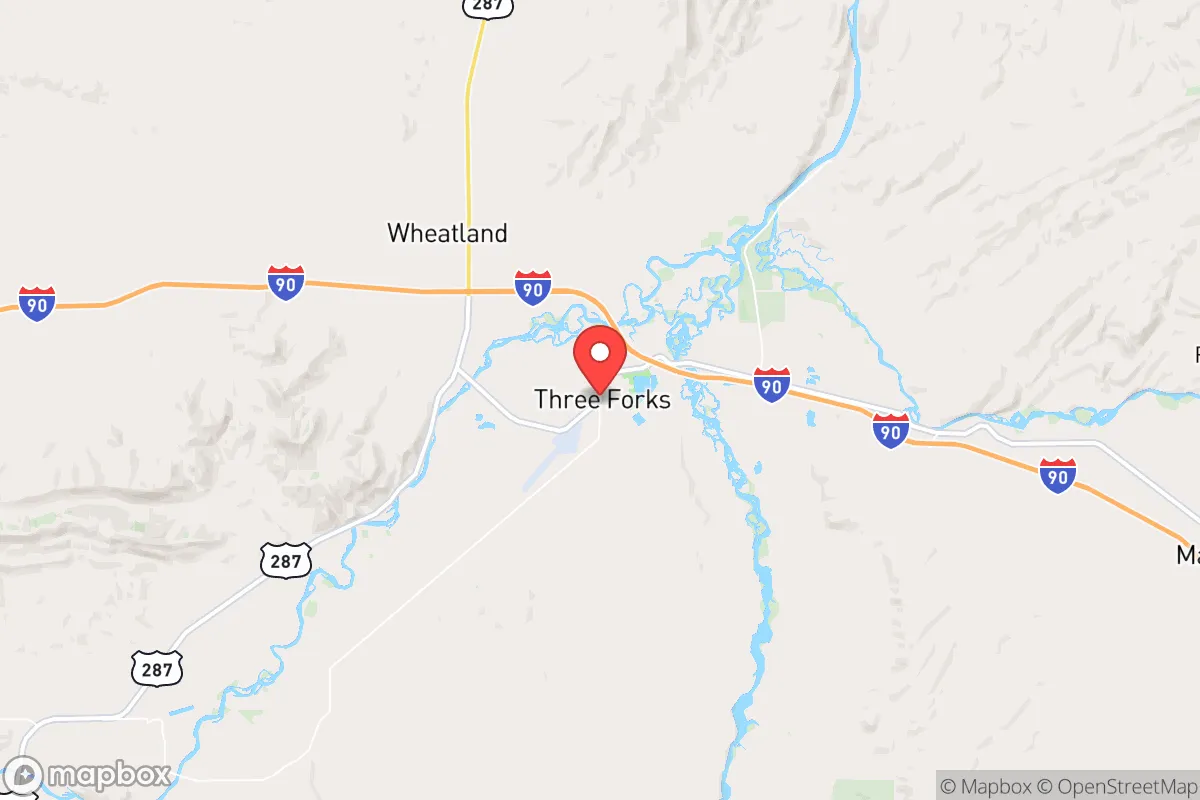
Three Forks is notably more affordable than Bozeman (COL index ~140) but pricier than rural alternatives like Manhattan or Willow Creek. The median home value of $382,400 is roughly $150,000 less than Bozeman’s median, making it a practical compromise for buyers priced out of the Gallatin Valley core. Median rent sits at $1,263, which is competitive for the region—comparable to Belgrade but lower than Bozeman’s typical $1,600+ for a two-bedroom. The average commute of 19 minutes is short by national standards, with most residents working locally or making the 25-minute drive to Bozeman for employment. Property taxes in Gallatin County are moderate (around 0.7% of assessed value), though recent reassessments have pushed annual bills higher for newer homes. Renters should expect limited inventory, as the rental market is tight, with vacancy rates below 3% in 2025.
Schools, daily amenities, and the rhythm of life in Three Forks
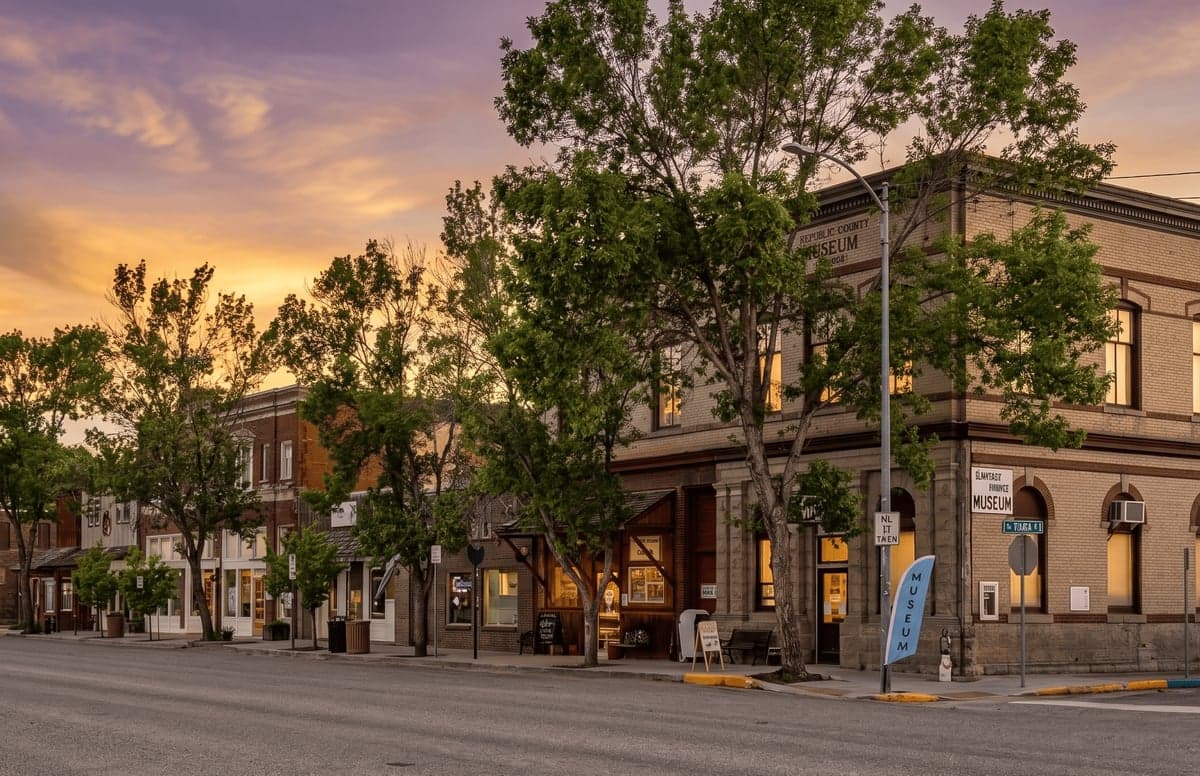
Three Forks Schools (K-12) serve roughly 700 students and are known for small class sizes and strong community involvement, with a graduation rate above 90%. The elementary school feeds into Three Forks High School, which offers dual-credit courses through Montana State University. Daily amenities are modest but sufficient: a well-stocked grocery store (Town & Country Foods), a hardware store, a pharmacy, and a handful of local restaurants like the Sacajawea Hotel’s dining room. For major shopping, healthcare, or entertainment, residents drive 25 minutes to Bozeman’s Bozeman Health Deaconess Hospital or the Gallatin Valley Mall. The town’s rhythm is unhurried—weekends center on the Headwaters Heritage Museum, the Missouri Headwaters State Park (a 10-minute drive), and seasonal events like the Three Forks Rodeo. Outdoor access is exceptional: the Jefferson, Madison, and Gallatin rivers converge here, offering world-class fly fishing, while the Bridger and Tobacco Root mountains provide hiking and skiing within 45 minutes.
Three Forks is best suited for families seeking good schools and a safe, tight-knit environment, as well as outdoor enthusiasts who want river and mountain access without Bozeman’s crowds or price tag. Remote workers and retirees also thrive here, thanks to reliable Starlink internet and a slower pace. Those who need urban nightlife, diverse dining, or specialized healthcare should plan on regular trips to Bozeman. For buyers and renters willing to trade some convenience for space and lower costs, Three Forks offers a grounded, high-quality lifestyle in one of Montana’s most scenic valleys.

Crime in Three Forks, MT
Generally safer than 57% of comparable U.S. locations.
Violent CrimeViolent Crime Analysis
Property CrimeProperty Crime Analysis
Crime Analysis
Three Forks, Montana, presents a mixed safety profile that requires careful consideration. The town's violent crime rate of 406.2 incidents per 100,000 residents is notably higher than the national average, while its property crime rate of 1,441.6 per 100,000 also exceeds typical benchmarks. These figures suggest that while Three Forks is not a high-crime urban center, it is not immune to the safety challenges affecting many small towns in the region.
Crime in context
To understand Three Forks' crime landscape, it is essential to compare its rates to broader state and national figures. The national violent crime rate in 2024 was approximately 380 per 100,000, placing Three Forks roughly 7% above the U.S. average. Montana's statewide violent crime rate hovers around 480 per 100,000, meaning Three Forks is actually 15% below the state average for violent offenses. Property crime tells a different story: the national rate is about 1,950 per 100,000, so Three Forks' 1,441.6 figure is 26% below the national average. However, it is 35% above Montana's statewide property crime rate of roughly 1,070 per 100,000. This indicates that while violent crime is a moderate concern relative to the nation, property crime is a more pronounced issue within the state context.
What residents experience
Daily life in Three Forks is shaped by these statistics in tangible ways. Residents report that property crimes like vehicle break-ins and theft from outbuildings are the most common incidents, often occurring in areas with less street lighting or near the interstate corridor. The violent crime rate, while elevated, is driven largely by aggravated assaults rather than homicides or robberies, meaning most residents do not encounter life-threatening violence in their routines. However, the presence of progressive judicial philosophies in Gallatin County—where Three Forks is located—raises legitimate concerns. Liberal-leaning district attorneys and judges in the broader Bozeman area have been known to prioritize diversion programs and reduced sentencing for property offenders. This approach, while intended to reduce recidivism, can result in repeat offenders cycling through the system without meaningful consequences, directly impacting victims and public confidence in safety.
Neighborhood-level variation in Three Forks is limited but notable. The historic downtown core, with its mix of businesses and older homes, sees slightly higher foot traffic and correspondingly lower property crime rates. In contrast, the outskirts near the interstate and the newer subdivisions on the town's east side report more vehicle-related thefts. Areas closer to the river and the Headwaters State Park are generally quieter, though isolated incidents of vandalism occur. For prospective residents, homes with visible security systems, well-lit driveways, and proximity to neighbors tend to fare better. Overall, Three Forks requires a pragmatic approach: it is not a dangerous town by national standards, but the combination of above-average property crime and a justice system that may not prioritize deterrence demands vigilance.
* Values derived from national, state, county, city and local statistics and may differ in a specific area. Last updated: 2026-04-19T06:51:04.000Z
Narrative content on this page is AI-generated and may contain mistakes. Verify any details that matter before acting on them.
ReloMaps may earn a commission from affiliate links at no extra cost to you.

