Find The Best Places To Live
in Three Forks
PRO TIP! You can paste a Zillow or Redfin link to get info on that property.
What It's Like Living in Three Forks, MT
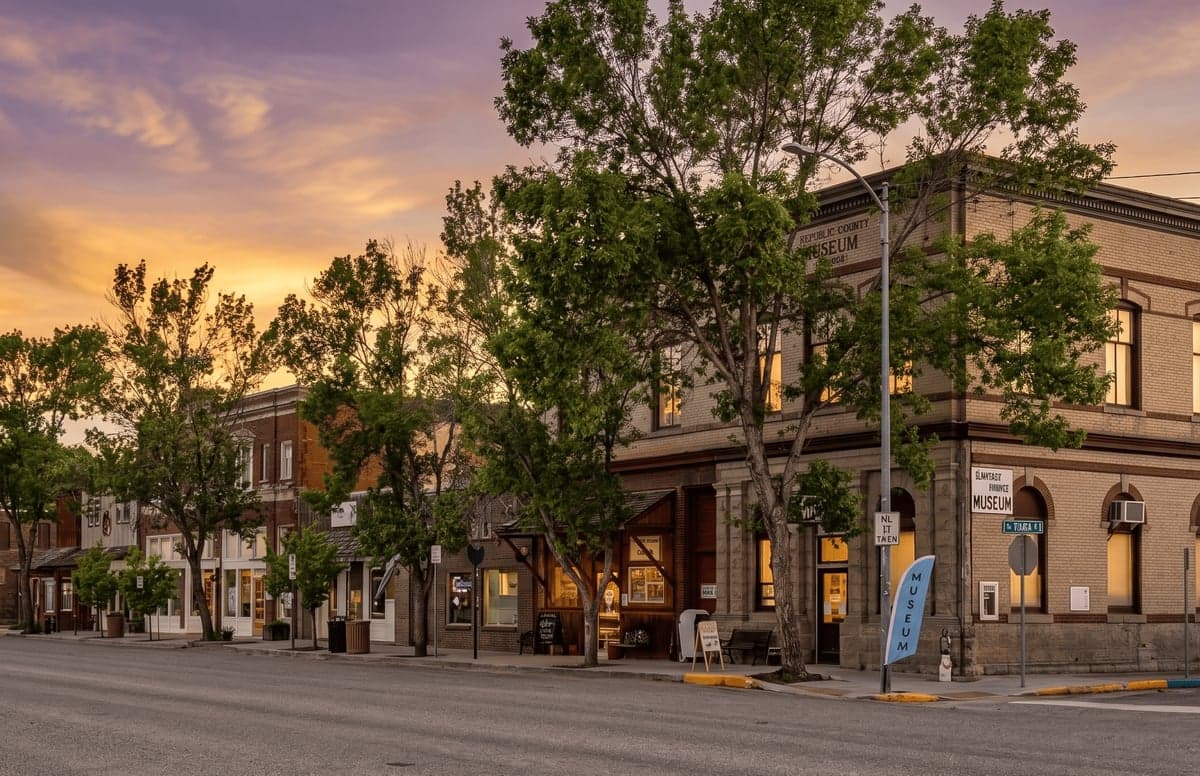
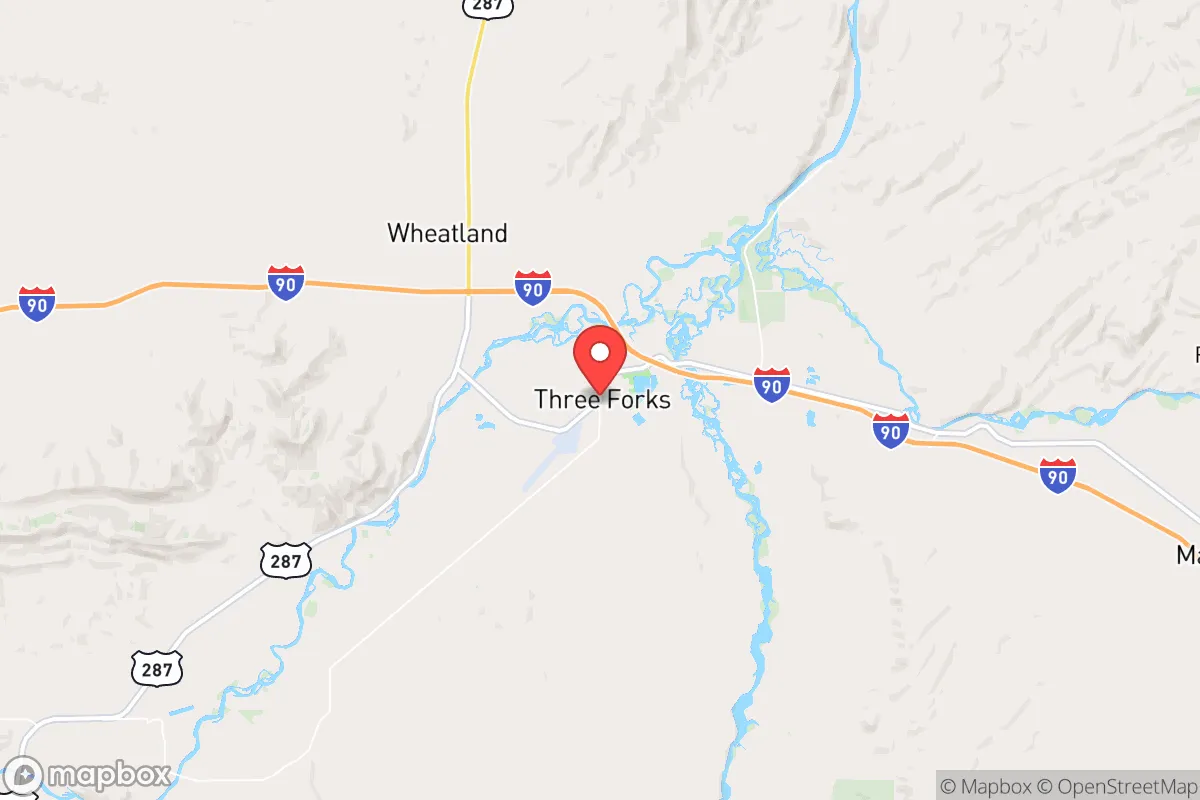
Three Forks, Montana, feels like a place that time hasn’t quite caught up with—and that’s exactly the point. With just over 2,000 residents, it’s a small, tight-knit community where the Missouri River starts and the pace of life slows to a comfortable walk. People here tend to know each other by name, and the town’s identity is rooted in hard work, wide-open spaces, and a quiet independence that appeals to folks who want to escape the noise without giving up modern comforts.
Daily Rhythm and the Kind of Person Who Fits In
Life in Three Forks revolves around a simple, practical routine. Most residents work in Bozeman or Belgrade—the average commute is about 19 minutes, which feels like a luxury compared to bigger cities—but they come home to a place where the streets are quiet and the sky is huge. The kind of person who fits in here is someone who values space and self-reliance: think families with young kids, remote workers who need a home office with a view, or retirees who want to garden and fish without a neighbor’s deck in their line of sight. The median age is 42.6, and the median household income sits at $80,394, which suggests a solidly middle-to-upper-middle-class base—people who can afford a bit of land but aren’t flashy about it. You won’t find a country club or a luxury boutique; instead, you’ll find a hardware store, a grocery co-op, and a couple of bars where the beer is cold and the conversation is local.
Sports, Community, and What People Actually Do for Fun
High school sports are a genuine centerpiece here. Three Forks High School’s football and basketball games draw a good chunk of the town on Friday nights, and the rivalry with nearby Manhattan is the kind of thing that gets talked about at the post office. There’s no pro team within an hour, but the Bozeman Icedogs (junior hockey) and Montana State Bobcats in Bozeman are close enough for a 20-minute drive when you want a bigger crowd. On weekends, locals head to the Missouri Headwaters State Park for hiking and fishing, or they drive 15 minutes to the Wheat Montana bakery for a cinnamon roll that’s worth the trip. The annual Three Forks Rodeo in July is the biggest event of the summer—think rodeo queens, mutton bustin’, and a parade that shuts down Main Street. For nightlife, the Sacajawea Hotel’s bar is the classiest spot in town, with a fireplace and a solid whiskey list, while the Broken Spoke is where you go for pool and a no-frills beer. The local music scene is thin—you’ll mostly catch cover bands at the VFW or the occasional acoustic set at the coffee shop—but Bozeman’s venues are a short drive for anyone craving live shows.
Pros and Cons of Living Here
The honest upsides are real. The commute is genuinely easy, the schools are small enough that teachers know every kid’s name, and you can own a home on a decent lot for a median price of $382,400—which, while high for the area, is still less than half of what you’d pay in Bozeman proper. The cost of living index is 119, so things like groceries and utilities run a bit above the national average, but you’re trading that for space and quiet. The downsides are equally real. The violent crime rate is 406.2 per 100,000—higher than the national average, and something locals will mention with a shrug, attributing it to a few bad apples and a small population that makes the numbers look worse than they feel. Still, it’s worth noting that you’ll want to lock your car and keep an eye on your shed. The weather is another trade-off: winters are long and cold, with snow sticking around from November through March, and summer brings wildfire smoke some years. The biggest frustration for longtime residents is the lack of shopping and dining—there’s no Target, no movie theater, and only a handful of restaurants. For a nice dinner or a new pair of boots, you’re driving to Bozeman. That 19-minute commute becomes 40 minutes round-trip for a decent meal.
Cultural Quirks and Practical Realities
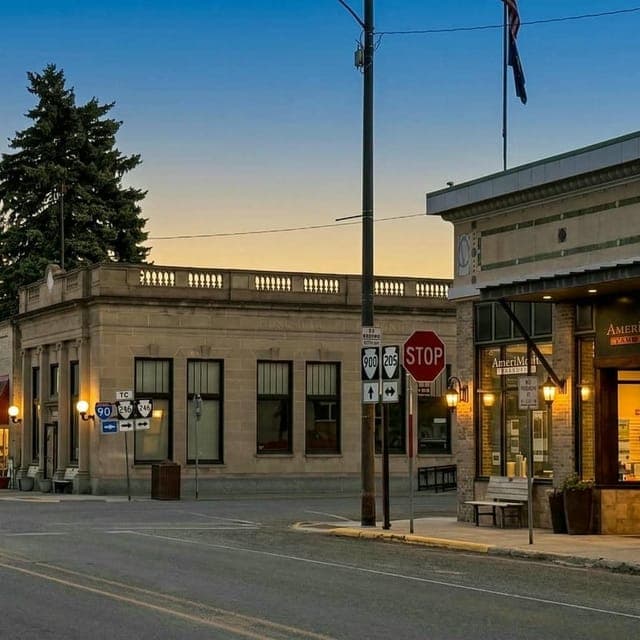
Three Forks has a quiet, almost stubborn sense of identity. People here are proud of the town’s history as a railroad and river junction, and you’ll see that in the restored train depot and the murals downtown. The local culture is conservative-leaning, with a strong emphasis on self-sufficiency and neighborly help—if your car breaks down on a back road, someone will stop. The schools are a community hub: the elementary school hosts the town’s Halloween carnival, and the high school gym doubles as a venue for community meetings and craft fairs. Traffic is essentially nonexistent except during the rodeo or when a train rolls through and blocks the main crossing for a few minutes. The seasonal rhythm is pronounced: summer is a flurry of farmers’ markets and river floats, while winter is for ice fishing, snowmobiling, and hunkering down. Only 21.3% of adults hold a college degree, which is lower than the national average, but that reflects a workforce heavy on trades, agriculture, and small business—not a lack of ambition. If you’re looking for a place where you can own a home, raise kids who play outside, and still get to a city in 20 minutes, Three Forks delivers. Just don’t expect a lot of options for dinner on a Tuesday night.

Similar small towns to Three Forks

* Values derived from national, state, county, city and local statistics and may differ in a specific area. Last updated: 2026-04-19T06:51:04.000Z
Narrative content on this page is AI-generated and may contain mistakes. Verify any details that matter before acting on them.
ReloMaps may earn a commission from affiliate links at no extra cost to you.

