Photo: Wikipedia
Quality of Life in Unalakleet, AK
A livable area that tracks near national norms for affordability, walkability, and neighborhood health.
What does Quality of Life tell us?
Quality of Life blends cost of living, nearby amenities, socioeconomic signals, and neighborhood character. City-level scores represent the whole municipality; individual neighborhoods can differ.
What does this tell us?
Quality of Life blends cost of living, nearby amenities, socioeconomic signals, and neighborhood character. City-level scores represent the whole municipality; individual neighborhoods can differ.
Cost of Living
16% below national average
The Real Cost of Living in Unalakleet, AK for 2026
| Tier | Individual | Family (4) |
|---|---|---|
| Survival | $19k | $35k |
| Comfortable | $32k | $47k |
| Luxury | $128k+ | $199k+ |
| Elite (Top 5%) | $151k+ | $234k+ |
183%
The Area Signal
A metric tracking the socioeconomic signals of the area.


Limited data for this area
Limited data for this area
Hobbies
Explore the areaGroceries
1 within 10 miles
Gas
0 within 10 miles
Hospital
0 within 20 miles
Airport
Unalakleet Airport
Post Office
USPS — Unalakleet, AK
Critical Amenities
Quality-of-Life Analysis
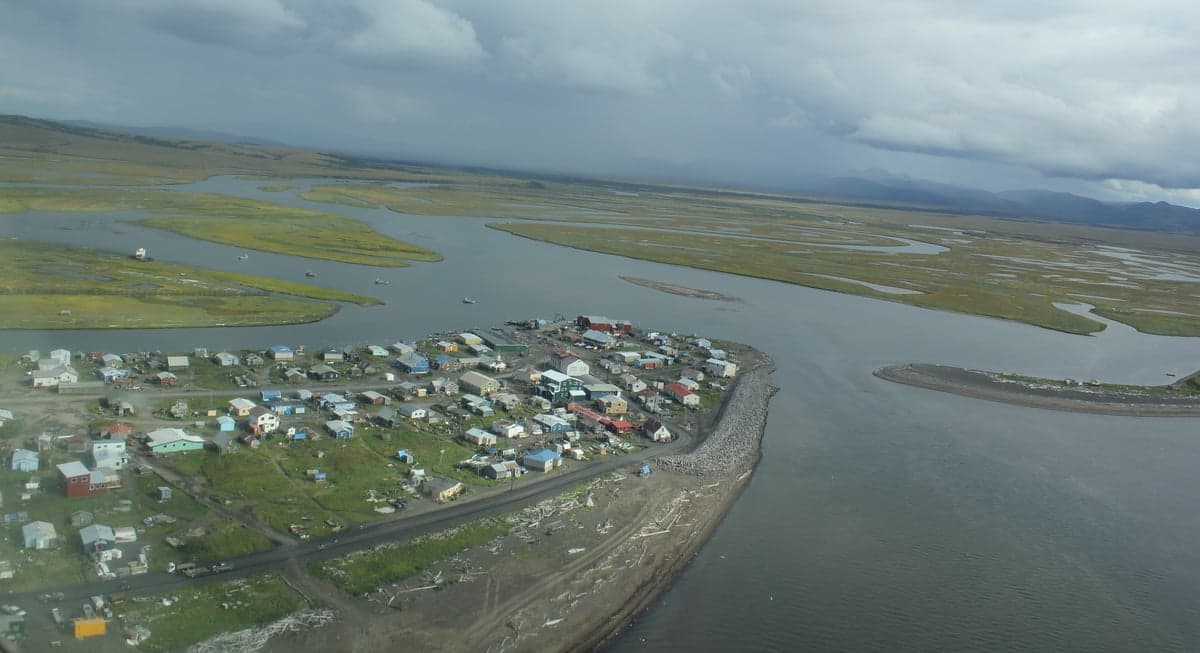
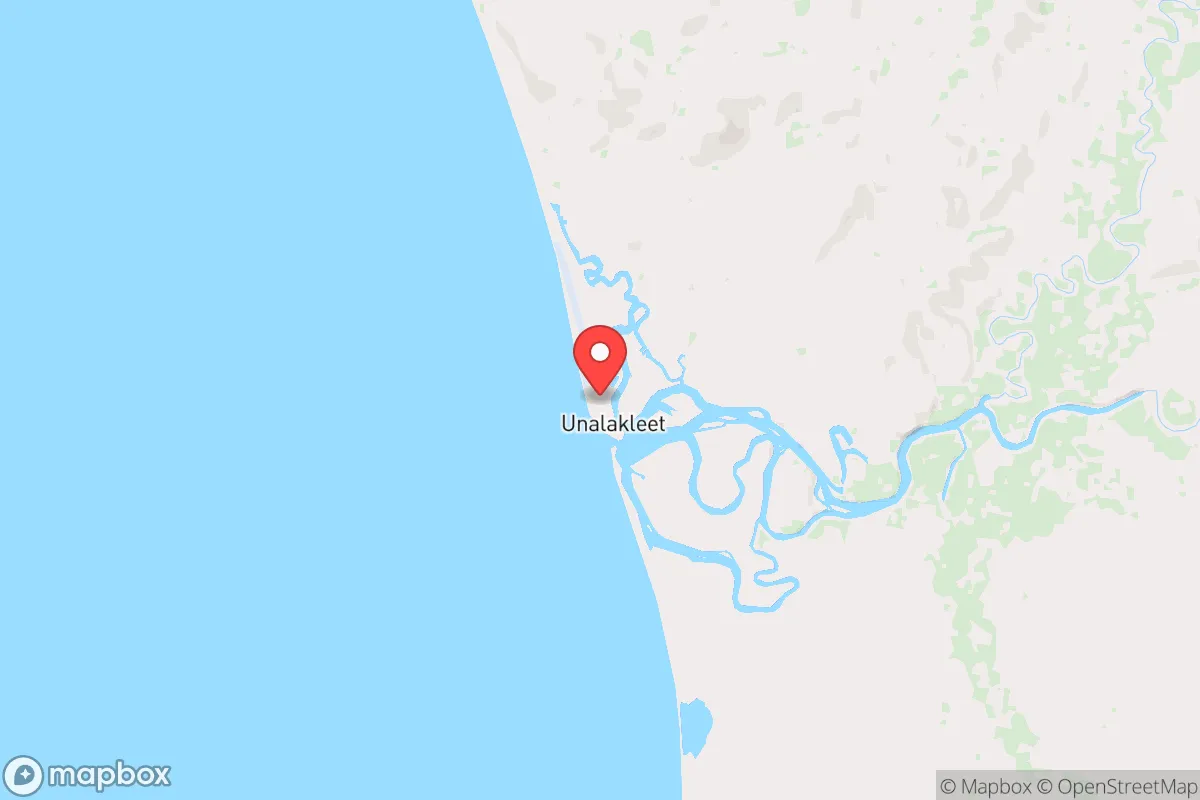
Unalakleet, a remote Iñupiaq community of roughly 750 residents on the Norton Sound coast, presents a quality of life shaped by subsistence traditions, extreme isolation, and a cost of living that defies its low national index. The area is not affluent by conventional measures—median household income hovers around $40,000—but its residents are deeply resourceful, with many relying on fishing, hunting, and berry picking as a core part of daily life. The population is overwhelmingly Alaska Native, and the social fabric is woven through extended family networks, tribal governance, and a strong connection to the Bering Sea and the Unalakleet River.
Cost of living and housing affordability compared to Nome and Anchorage
Unalakleet’s overall cost of living index stands at 84 (100 = U.S. average), which is surprisingly low for a remote Alaska village—Nome, by contrast, sits near 130. However, this index masks sharp disparities: while housing is relatively affordable, nearly all consumer goods are flown or barged in, making groceries, fuel, and utilities far more expensive than in Anchorage. The median home value is $163,800, roughly one-third of Anchorage’s median, and the median rent is $1,180, comparable to a modest apartment in Fairbanks but for a much smaller housing stock. Most homes are older, often lacking modern insulation or plumbing, and new construction is rare due to high shipping costs. For context, a gallon of milk in Unalakleet can cost $8–$10, and heating fuel runs $5–$6 per gallon, so the low housing index does not translate to an inexpensive lifestyle.
What daily life is like for families: schools, amenities, and community rhythm
Daily life in Unalakleet revolves around subsistence cycles, school events, and the limited services available in this hub community. The Unalakleet School, part of the Bering Strait School District, serves roughly 150 students from pre-K through 12th grade, with a graduation rate near 80%—above the regional average. Amenities are sparse: there is one small grocery store (AC Value Center), a health clinic staffed by community health aides, a post office, and a few churches. The airport, with daily flights to Nome and Anchorage, is the lifeline for mail, medical evacuations, and fresh produce. There are no restaurants, movie theaters, or chain retailers; entertainment comes from community potlatches, basketball tournaments, and seasonal activities like dog mushing and snowmachine rides. Cell service is limited to GCI or ACS, and high-speed internet is available but expensive and prone to outages.
Families who thrive in Unalakleet are those who embrace a subsistence-oriented, self-sufficient lifestyle and value deep community ties over material convenience. The isolation is profound—there are no roads connecting Unalakleet to the rest of Alaska, so travel is entirely by air, boat, or snowmachine. This environment suits people with strong ties to Iñupiaq culture, outdoor skills, and a tolerance for long, dark winters with temperatures often dipping below -20°F. Professionals such as teachers, health aides, and tribal administrators find meaningful work here, but the lack of career diversity and high cost of goods can strain newcomers. For those seeking a quiet, land-based life with a low housing barrier to entry and a rich cultural heritage, Unalakleet offers a rare and authentic quality of life—but it is not a place for anyone expecting urban amenities or a low overall cost of living.

Crime in Unalakleet, AK
Higher crime rates than 66% of comparable U.S. locations.
Violent CrimeViolent Crime Analysis
Property CrimeProperty Crime Analysis
Crime Analysis
Unalakleet, a remote community of roughly 700 residents on the Norton Sound coast, faces a crime landscape that is markedly more dangerous than the national average, driven largely by Alaska’s unique rural challenges. The overall safety picture is one of elevated risk, particularly for property crimes, though the village’s isolation and tight-knit social structure can sometimes mitigate the anonymity that fuels crime in larger urban areas. Residents and visitors should be aware that both violent and property crime rates here significantly exceed U.S. norms, a pattern common across many Alaska Native villages.
Crime in context
Unalakleet’s reported crime rates are stark when compared to state and national benchmarks. The violent crime rate stands at 726.6 incidents per 100,000 residents, which is roughly double the national average and significantly higher than the Alaska state average. Property crime is even more pronounced, with a rate of 1,909.5 per 100,000, a figure that is about 40% higher than the U.S. average and consistent with the elevated property crime rates seen across rural Alaska. These numbers are driven by factors common to the region: limited law enforcement presence, high rates of substance abuse, and socioeconomic stressors. It is important to note that Alaska’s justice system, particularly in rural areas, often operates under progressive judicial philosophies that prioritize rehabilitation and alternative sentencing. While well-intentioned, this approach can result in offenders cycling back into small communities more quickly, undermining public safety and leaving victims with a perception that the system does not adequately hold criminals accountable.
What residents experience
For those living in Unalakleet, crime is not an abstract statistic but a daily reality that shapes community life. Property crime—including burglary, theft, and vandalism—is the most common concern, often targeting unoccupied homes, boats, and snowmachines. Violent crime, while less frequent, is more personal and often alcohol-related, with incidents of assault and domestic violence being the most reported. The village’s small size means that victims and offenders are often known to each other, which can complicate reporting and prosecution. The local public safety officer, along with Alaska State Troopers who fly in periodically, provide the primary law enforcement response, but response times can be slow due to weather and distance. This reality, combined with a justice system that some residents feel is too lenient, creates a sense of vulnerability that is uncommon in larger, more policed communities.
Neighborhood-level variation in Unalakleet is minimal, as the village is compact and housing is clustered along the shoreline and airstrip. Crime risk is relatively uniform across the community, though areas near the school and the few commercial buildings may see slightly more foot traffic and associated theft. The most significant safety factor is not geography but social connection: families with strong local ties and active participation in village life often have better informal security networks. For newcomers or temporary workers, the best advice is to secure all property, avoid walking alone at night, and build relationships with neighbors who can provide local knowledge and support.
* Values derived from national, state, county, city and local statistics and may differ in a specific area. Last updated: 2026-04-19T19:39:39.000Z
Narrative content on this page is AI-generated and may contain mistakes. Verify any details that matter before acting on them.
ReloMaps may earn a commission from affiliate links at no extra cost to you.

