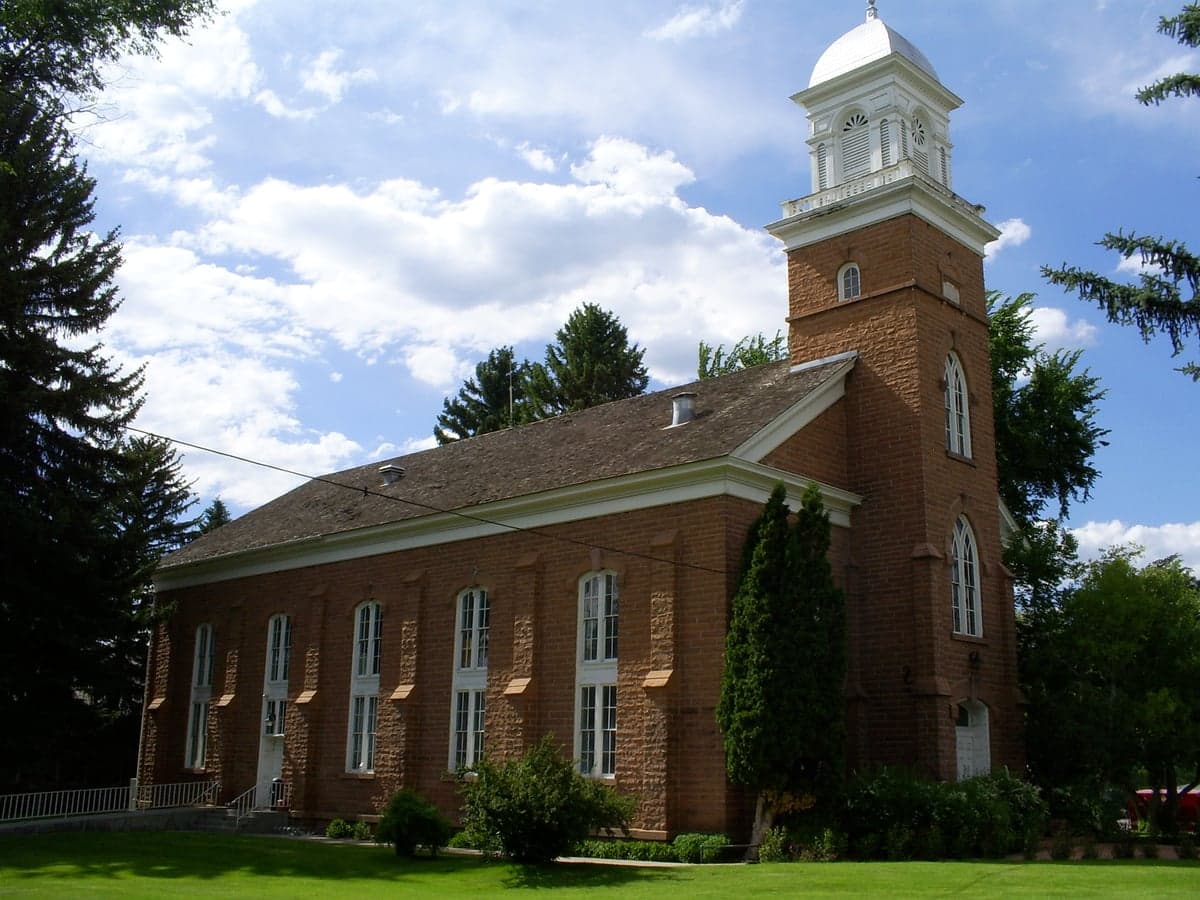
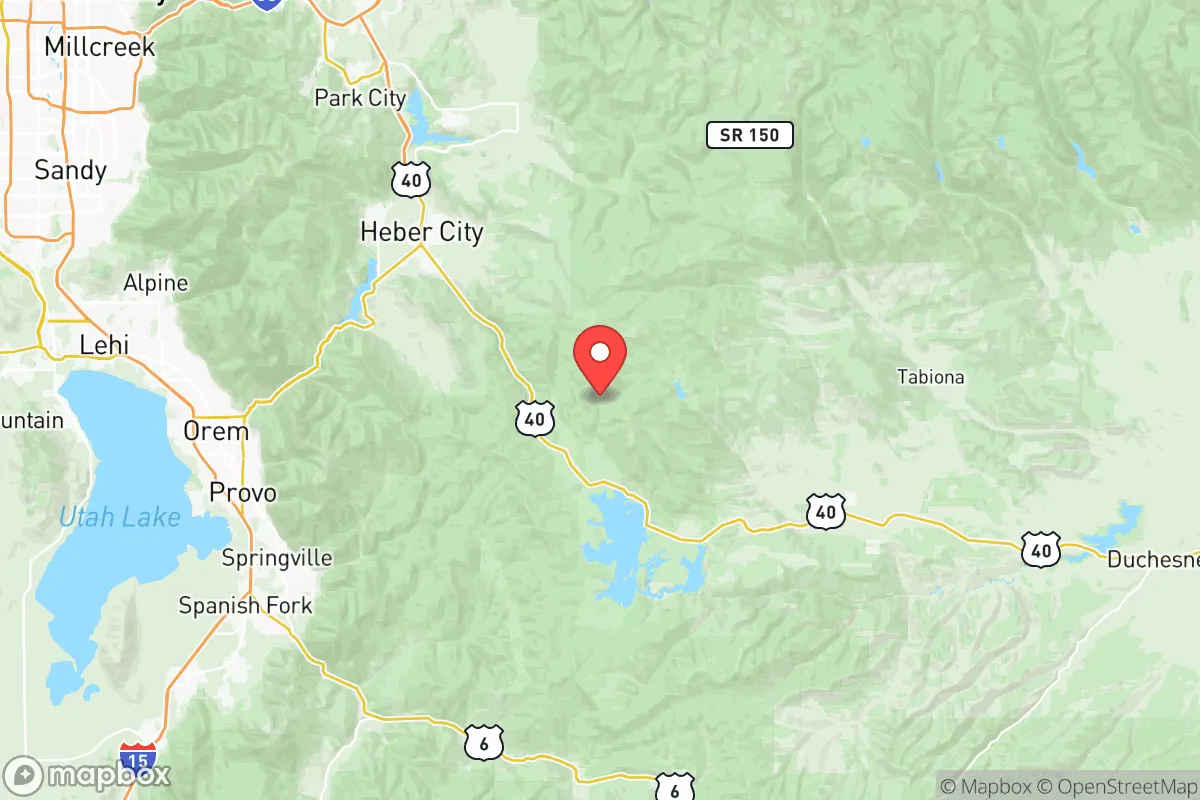
Photo: Wikipedia
Find The Best Places To Live in Wasatch County
PRO TIP! You can paste a Zillow or Redfin link to get info on that property.
Best Places to Live in Wasatch County
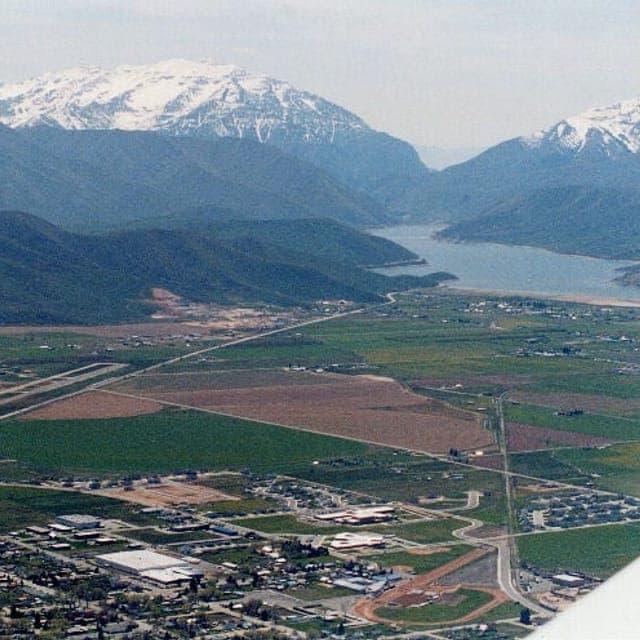
Cities & Towns in Wasatch County
Cities in Wasatch County
What It's Like Living in Wasatch County, UT
Living in Wasatch County feels a bit like being in on a secret that’s not quite a secret anymore. Stretching from the bustling commuter hub of Heber City to the quieter, more rural pockets of Midway, Charleston, and Daniel, this is a place where mountain views are the baseline, not a bonus. It’s a county that’s rapidly evolving from a sleepy agricultural valley into a high-amenity mountain destination, attracting families and remote workers who want the outdoors without the full-on resort-town price tag of Park City, which sits just over the ridge.
The Daily Rhythm: Commute, Community, and the Mountain View
For many residents, the day starts with a commute that’s a study in contrasts. The average drive time of just over 22 minutes can be a peaceful cruise along the Provo River or a slow crawl on US-40, especially during ski season or when construction is underway. A significant number of people work in the tech and service industries of Utah County, making the drive to Orem or Provo a daily reality. Those who work locally often find jobs in Heber City’s growing medical, education, and retail sectors, or in the tourism economy of nearby Deer Valley and Park City. The median household income of $115,146 reflects this mix of high-earning remote tech workers and local professionals, supporting a lifestyle that’s comfortable but not extravagant given the cost of living index of 201—double the national average.
Weekends are where the county’s identity really shines. You’ll see families loading up kayaks at the Jordanelle Reservoir, mountain bikers hitting the trails in the Uinta National Forest, and anglers casting lines in the Provo River. The social scene in Heber City revolves around a few key spots: the Heber Valley Railroad for a family outing, the local breweries like Wasatch Brew Pub for a post-hike beer, and the Heber Valley Farmers Market in the summer. In Midway, the Swiss-inspired architecture and the Crème de la Crème bakery draw a slower, more relaxed crowd. The county’s median age of 36.1 and high rate of college education (47.7%) point to a population that’s young, educated, and actively seeking a balance between professional ambition and outdoor recreation.
Sports, Community, and the High School Factor
High school sports are a genuine cultural anchor here. Friday nights in the fall are dominated by Wasatch High School football in Heber City, where the stands are packed with families and alumni. The Wasatch Wasps are a source of intense local pride, and the games are as much a social gathering as a sporting event. For winter sports, the county’s proximity to Park City Mountain and Deer Valley Resort means skiing and snowboarding are woven into the fabric of life for many, though the traffic on S.R. 224 can be a real frustration. There’s no major professional team in the county, but the Utah Jazz and Real Salt Lake fandom is strong, with many families making the drive to Salt Lake City for games. Youth sports leagues—soccer, lacrosse, and baseball—are highly organized and a primary way families connect, especially in the more suburban neighborhoods of Heber City and the newer developments in Daniel.
What’s There to Do: From Festivals to Quiet Trails
The entertainment calendar is surprisingly full for a county of 35,808 people. The Swiss Days festival in Midway every September is a beloved tradition, complete with a parade, craft fair, and enough bratwurst to feed an army. The Heber Valley Music Festival brings live bands to the park in the summer. For outdoor enthusiasts, the options are nearly endless: hiking to Donut Falls, paddleboarding on Strawberry Reservoir, or snowshoeing in the Uinta Mountains. The Homestead Crater in Midway offers a unique geothermal soak year-round. Dining is a mix of solid local spots—Shabu for sushi in Heber City, Back 40 Ranch House for a nicer dinner—and the usual chains. The cultural quirk? A strong, quiet undercurrent of Latter-day Saint community life, which shapes the rhythm of Sundays and the prevalence of family-oriented activities over a late-night bar scene.
Pros and Cons of Living Here: The Honest Trade-Offs
- What residents love: Unmatched access to world-class outdoor recreation without the full Park City price tag. A strong sense of community, especially in the smaller towns like Charleston and Wallsburg. Excellent schools that are a central part of community life. The stunning, ever-present mountain scenery that makes even a bad day feel a little better.
- What frustrates them: The cost of living is a real squeeze. With a median home value of $724,400, buying a house is a serious challenge for many, especially younger families and service workers. Traffic on US-40 and S.R. 224 is a daily headache, particularly during tourist season. The violent crime rate of 222.4 per 100,000 is higher than the national average, though most residents feel safe in their immediate neighborhoods. The social scene can feel insular for newcomers not plugged into the dominant LDS culture or the outdoor recreation community.
The kind of person who fits in here is someone who values a high quality of life over urban convenience, who doesn’t mind a commute for a job, and who sees a Saturday morning hike as a non-negotiable. It’s a place for families who want their kids to grow up with mountains in their backyard, and for individuals who are willing to pay a premium for that view. Wasatch County is not a cheap or easy place to live, but for those who can make it work, it offers a daily life that feels genuinely rich in the ways that matter most.

* Values derived from national, state, county, city and local statistics and may differ in a specific area. Last updated: 2026-10-14T19:01:05.000Z
Narrative content on this page is AI-generated and may contain mistakes. Verify any details that matter before acting on them.
ReloMaps may earn a commission from affiliate links at no extra cost to you.

