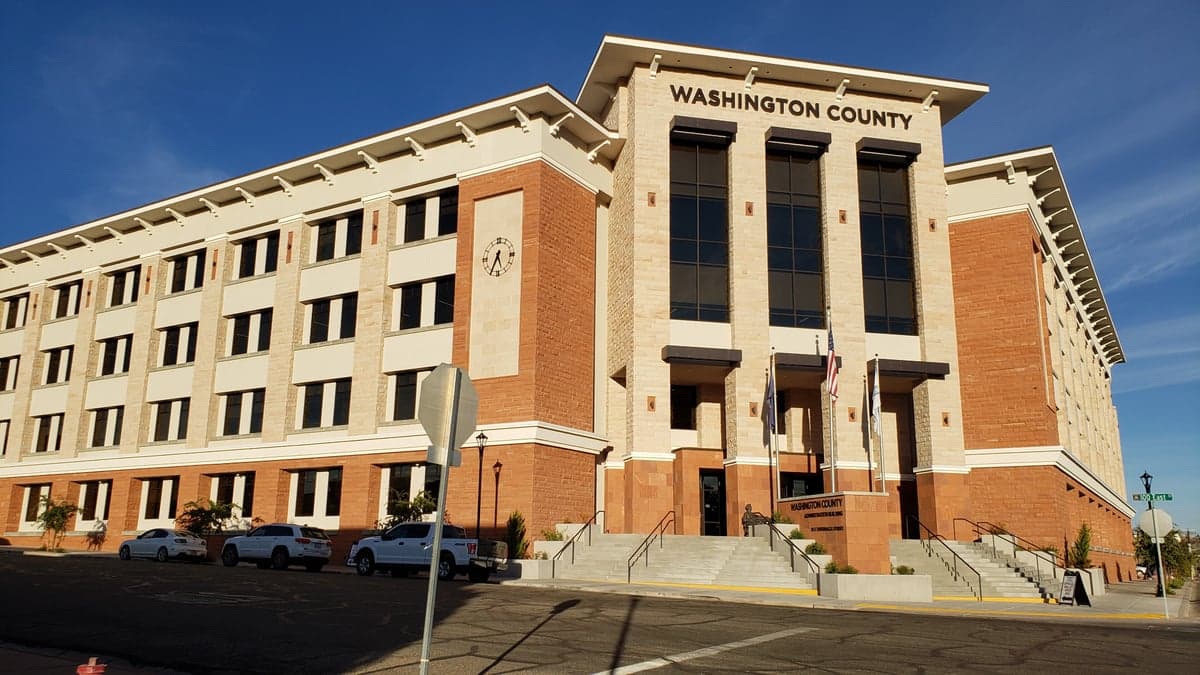
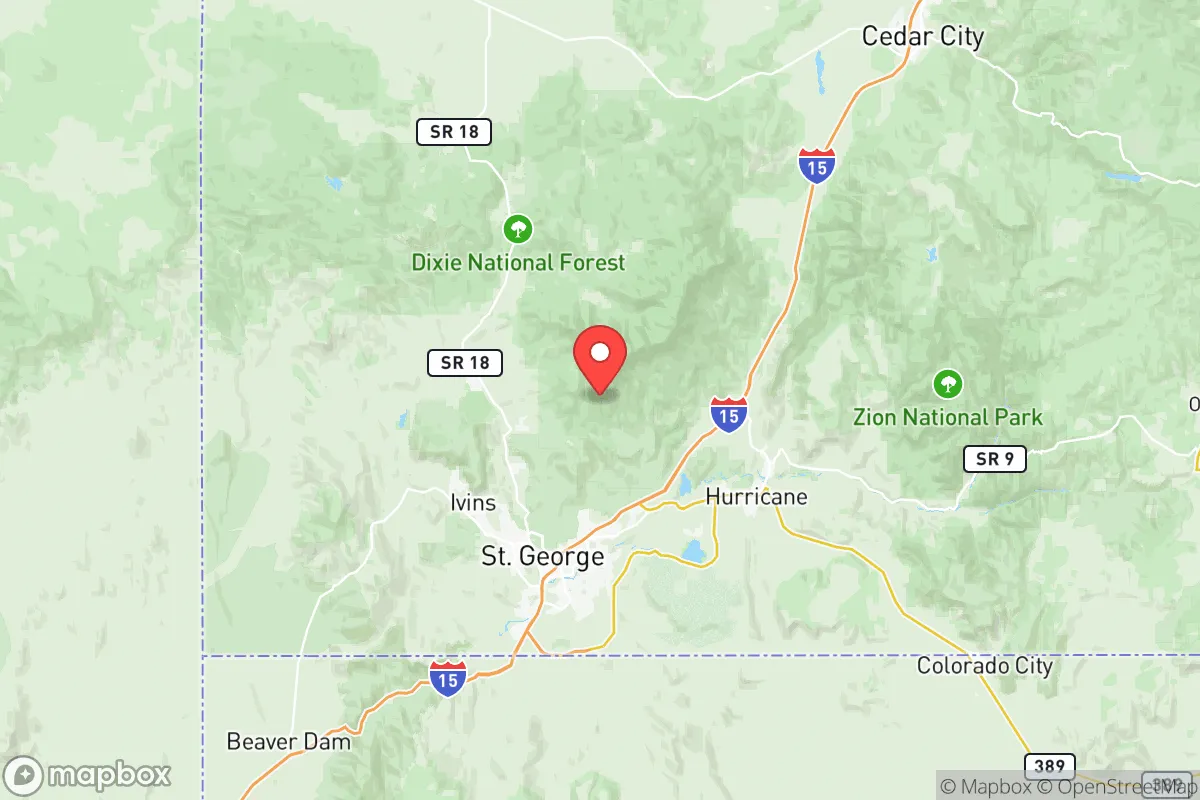
Photo: Wikipedia
Quality of Life in Washington County
A livable area that tracks near national norms for affordability, walkability, and neighborhood health.
What does Quality of Life tell us?
Quality of Life measures an area by evaluating factors like cost of living, nearby amenities, country club access, airport proximity, socioeconomic signals and neighborhood character. For large states, this is a general average — quality of life can vary dramatically between metro areas, suburbs, and rural communities within the same state.
What does this tell us?
Quality of Life measures an area by evaluating factors like cost of living, nearby amenities, country club access, airport proximity, socioeconomic signals and neighborhood character. For large states, this is a general average — quality of life can vary dramatically between metro areas, suburbs, and rural communities within the same state.
Cost of Living
42% above national average
57%
The Real Cost of Living in Washington County for 2026
| Tier | Individual | Family (4) |
|---|---|---|
| Survival | $23k | $44k |
| Comfortable | $90k | $133k |
| Luxury | $138k+ | $214k+ |
| Elite (Top 5%) | $166k+ | $258k+ |
Quality-of-Life Analysis
Washington County, Utah, offers a spectrum of quality-of-life options that range from the bustling, amenity-rich city of St. George to quiet, unincorporated agricultural valleys and high-desert subdivisions. The county draws a diverse mix of residents: retirees and snowbirds seeking warm winters and golf courses, young families priced out of coastal markets, and outdoor enthusiasts who prioritize immediate access to Zion National Park and the Red Cliffs Desert Reserve. The choice between a dense suburban lifestyle and a remote rural homestead largely depends on one’s tolerance for commute times and desire for walkable amenities versus land and solitude.
Largest town(s) & population centers
St. George is the undisputed hub, home to roughly 100,000 residents and the county’s primary commercial, medical, and cultural center. Daily life here revolves around master-planned communities like Desert Color and SunRiver (a 55+ active adult community), big-box retail along the I-15 corridor, and the campus of Utah Tech University. Commute times average 18.9 minutes countywide, but St. George residents often enjoy even shorter drives to work, schools, and the St. George Regional Airport. Washington City, immediately north of St. George, functions as a fast-growing bedroom community with newer subdivisions and a more suburban feel, while Ivins and Santa Clara offer a quieter, more scenic setting at the base of the Pine Valley Mountains, popular with retirees and hikers.
Smaller towns & rural pockets
Outside the St. George metro, the county’s character shifts dramatically. Hurricane (pop. ~20,000) sits at the mouth of the Virgin River Gorge and retains a small-town, agricultural feel despite recent growth, with many residents commuting to St. George for work. La Verkin, just east of Hurricane, is even more rural, with older homes on larger lots and a slower pace. Leeds and Toquerville are unincorporated villages where residents live on acreage, often with irrigation rights, and enjoy dark skies and quiet. The far northeastern corner of the county includes Springdale, the gateway town to Zion National Park, where life is dominated by tourism, park-related employment, and strict zoning that preserves open space. Rockville and Grafton (the latter a ghost town) represent the most remote, historic pockets, with few services and a strong off-grid ethos.
Cost & lifestyle range
The county’s cost of living index sits at 142 (42% above the U.S. average), driven primarily by housing. The median home value is $465,600, and median rent is $1,464. At the high end, St. George’s newer subdivisions and gated communities (e.g., Entrada, The Ledges) command prices well above $600,000, with HOA fees and proximity to golf courses. At the low end, older homes in Hurricane, La Verkin, and unincorporated areas like Diamond Valley or Gunlock can still be found in the $350,000–$400,000 range, though inventory is tight. Renters face the steepest squeeze: a one-bedroom in St. George averages $1,200–$1,400, while a similar unit in Hurricane may be $100–$200 cheaper. The lifestyle trade-off is clear: St. George offers the most jobs, healthcare, and entertainment, but rural areas offer lower housing costs, more land, and immediate access to hiking, canyoneering, and off-roading—at the cost of a 30- to 45-minute commute to a grocery store or hospital.
This county best suits people who value outdoor recreation and a dry, sunny climate above urban density. Retirees and remote workers with flexible schedules will find the most balance in Ivins or Santa Clara, while families seeking good schools and short commutes gravitate to Washington City or central St. George. Those who prioritize land, privacy, and a slower rhythm—and who can tolerate a longer drive for supplies—will feel at home in Leeds, Toquerville, or the rural pockets near the Arizona border. Washington County is not a single lifestyle; it is a collection of distinct choices, each with its own trade-offs in cost, convenience, and connection to the landscape.

Crime in Washington County
Generally safer than 67% of comparable U.S. locations.
Violent CrimeViolent Crime Analysis
Property CrimeProperty Crime Analysis
Crime Analysis
Washington County, Utah, presents a mixed safety profile that is generally more secure than the national average but faces property-crime challenges that demand attention from prospective residents. With a violent crime rate of 215.9 per 100,000 residents and a property crime rate of 1,267.7 per 100,000, the county offers a lower risk of violent offenses compared to many U.S. regions, though property crimes like theft and burglary remain a notable concern. The county’s rapid growth—driven by the St. George metropolitan area—has strained local law enforcement resources, but proactive community policing and conservative judicial practices in the region help maintain a relatively stable safety environment.
Crime in context
Washington County’s violent crime rate of 215.9 per 100,000 sits well below the national average of approximately 380 per 100,000, placing it among safer counties in the Intermountain West. Property crime, however, at 1,267.7 per 100,000, is slightly above the Utah state average of roughly 1,200 per 100,000 but remains significantly lower than the national figure of about 2,200 per 100,000. For comparison, neighboring Iron County (Cedar City) reports a violent crime rate near 250 per 100,000, while Salt Lake County exceeds 300 per 100,000. The county’s conservative legal environment—with district attorneys in the 5th Judicial District consistently pursuing tough-on-crime policies—helps keep violent offenses in check, a contrast to more progressive jurisdictions in larger metro areas where lenient sentencing can contribute to higher recidivism. Property crime, particularly vehicle break-ins and package theft, is concentrated in tourist-heavy areas like St. George and Hurricane, where transient populations and seasonal visitors create opportunistic targets.
What residents experience
Daily life in Washington County feels safe for most residents, with violent incidents rare in residential neighborhoods. The most common crimes are non-confrontational: theft from unlocked cars, bicycle theft, and occasional burglaries in newer subdivisions near Ivins and Washington City. Residents in Santa Clara and Toquerville report even lower incident rates, benefiting from smaller populations and strong neighborhood watch programs. The county’s sheriff’s office and municipal police departments maintain visible patrols, and the region’s low unemployment (around 2.5%) reduces economic drivers of crime. However, the rapid influx of new residents—the county grew by over 25% between 2010 and 2020—has outpaced police staffing in some areas, leading to slower response times for non-emergency property crimes. Residents should secure vehicles and homes diligently, especially in areas near Interstate 15 corridors where transient property crime is more common.
Neighborhood-level variation is pronounced. St. George’s downtown and areas near Dixie State University see higher property crime rates, while gated communities in Bloomington Hills and rural subdivisions in Leeds report near-zero violent crime. The county’s conservative judicial philosophy—emphasizing victim rights and strict sentencing—contrasts sharply with progressive approaches in places like Salt Lake City or Los Angeles, where district attorneys’ leniency on repeat offenders has been linked to rising crime. In Washington County, the 5th District Attorney’s office prosecutes property crimes aggressively, which likely deters escalation. For families and retirees, the safest bets are smaller towns like Rockville or Springdale near Zion National Park, where crime is minimal, though these areas require longer commutes to St. George for services. Overall, Washington County offers a secure environment for those who take standard precautions, with violent crime risks far below national norms and property crime manageable through vigilance.
* Values derived from national, state, county, city and local statistics and may differ in a specific area. Last updated: 2026-05-14T12:38:31.000Z
Narrative content on this page is AI-generated and may contain mistakes. Verify any details that matter before acting on them.
ReloMaps may earn a commission from affiliate links at no extra cost to you.

