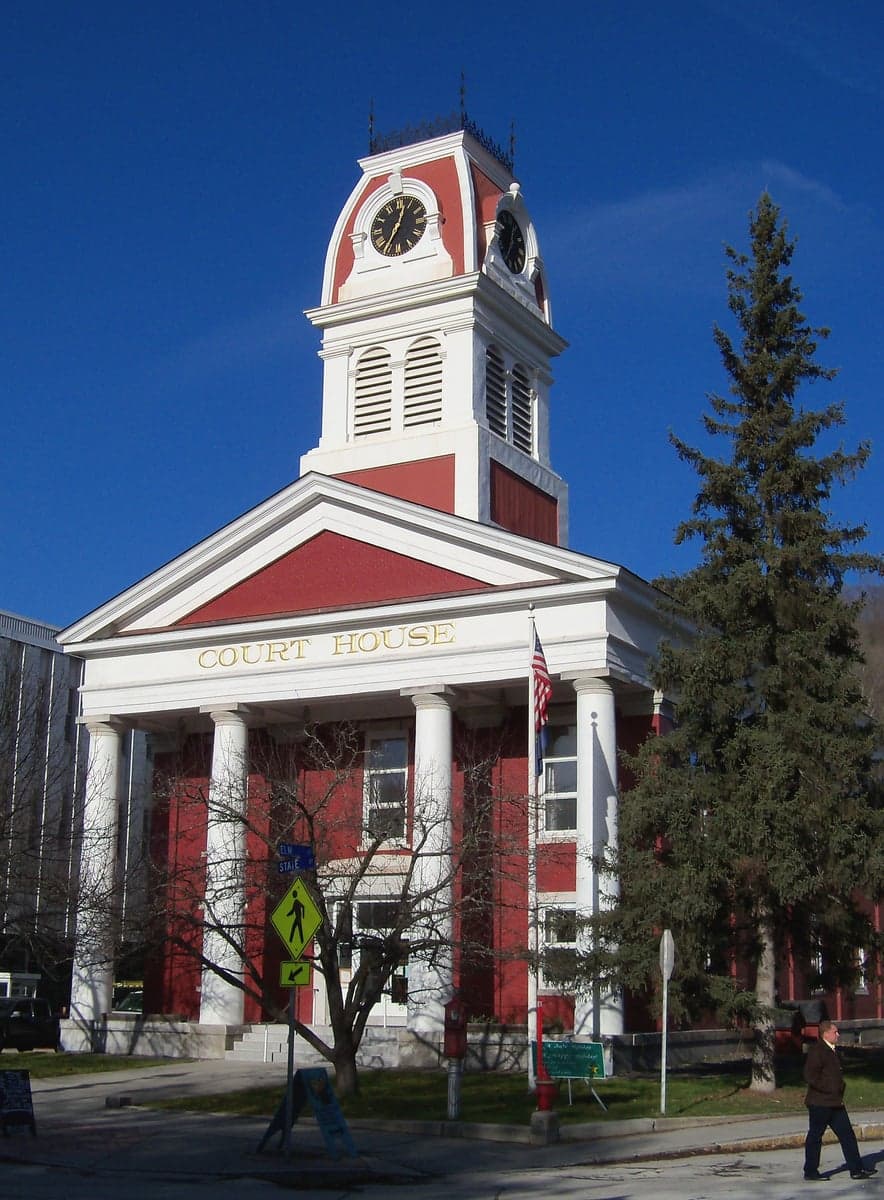
Photo: Wikipedia
Strategic Assessment of Washington County
Meaningful friction. Expect exposure to either population pressure, blast zones, or natural disaster risk. Consider buying a retreat property.
What does the Strategic Assessment tell us?
Our Strategic Assessment grades tactical survivability of an area. Major population centers, military targets, fallout zones, natural disasters, and border exposure all drive risk — lower exposure means a more defensible position in a crisis.
This is heavily inspired by Joel Skousen's Strategic Relocation book. Highly recommended you checkout the book ($)What does this tell us?
Our Strategic Assessment grades tactical survivability of an area. Major population centers, military targets, fallout zones, natural disasters, and border exposure all drive risk — lower exposure means a more defensible position in a crisis.
This is heavily inspired by Joel Skousen's Strategic Relocation book. Highly recommended you checkout the book ($)Strategic Pillars

Key Distances
Strategic Assessment Analysis
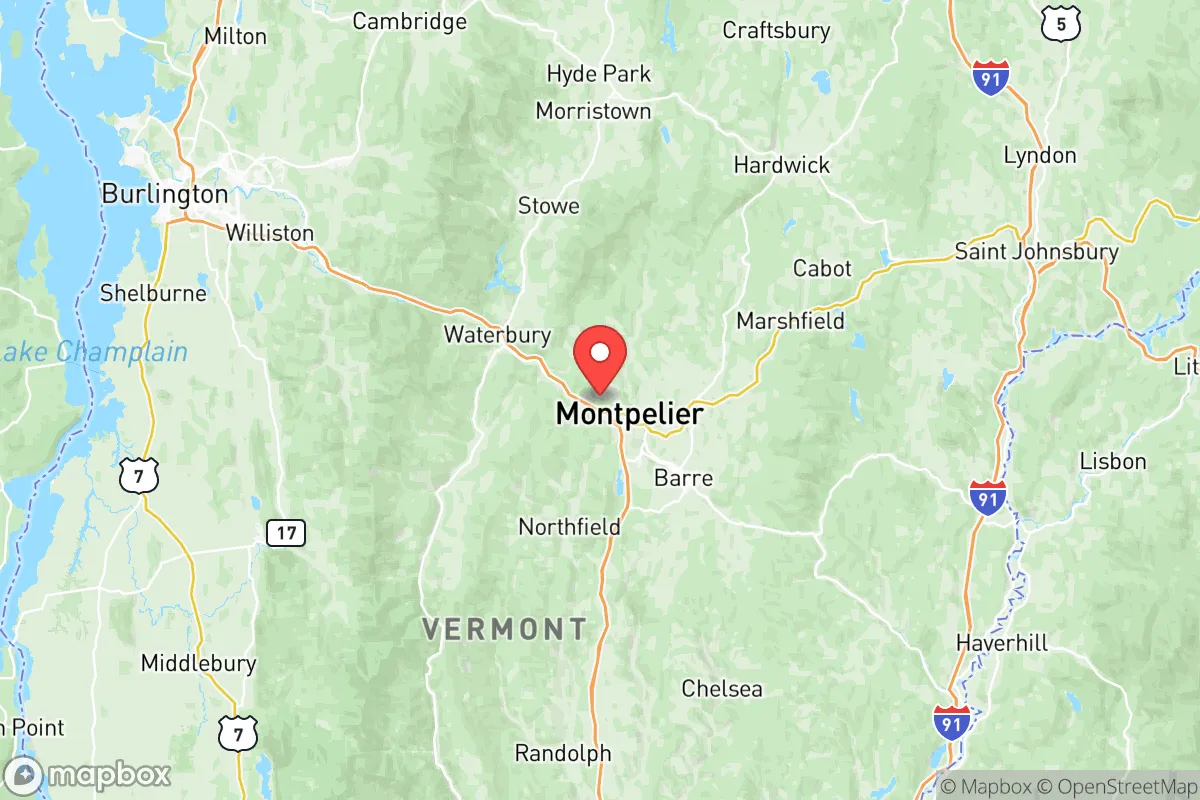
Washington County, Vermont, offers a compelling strategic picture for those prioritizing resilience and self-sufficiency, particularly when viewed through a lens of preparedness for civic unrest or large-scale disruptions. Its position in the central part of the state, roughly equidistant from the major population centers of Burlington and the New Hampshire border, provides a balance of access and isolation that is hard to find elsewhere in New England. The county’s core towns—Montpelier, Barre, and Waterbury—are small enough to avoid the chaos of a major metro area but large enough to maintain essential infrastructure like hospitals, hardware stores, and supply chains. For a relocator seeking a defensible, resource-rich base, Washington County’s combination of forested hills, working farms, and a state capital that is deliberately low-key makes it a serious contender.
Geographic position and natural advantages for long-term security
Washington County sits in the Green Mountains, with the spine of the range running through its western edge. This topography is a double-edged sword: it provides natural barriers against easy movement, which is a plus for security, but it also means winter travel can be treacherous. The county’s eastern half, around Barre and the town of Williamstown, features more open valleys and rolling hills, offering better agricultural potential and easier road access to Interstate 89, which runs north-south through the county. The Winooski River and its tributaries, including the Dog River and the North Branch, provide reliable surface water sources—critical for off-grid living. The area’s elevation (Montpelier sits at about 500 feet, with surrounding hills rising to 2,000 feet) means cooler summers and heavy snow in winter, which can be a natural deterrent to unprepared outsiders. For a prepper, the key advantage is that Washington County is not a natural corridor for mass migration; it’s a destination you choose, not one you stumble through.
Risks, exposures, and proximity to fallout-relevant landmarks
No place is without risk, and Washington County has its share. The most obvious concern is the state capital, Montpelier, which is a potential target for symbolic disruption during civil unrest. While it’s not a major population center (around 8,000 residents), its role as the seat of government could draw attention. The Vermont State House, located in Montpelier, is a low-profile building but could be a focal point for protests or worse. Barre, with its granite quarries and industrial history, has a working-class population and some light manufacturing, but no heavy industry that would be a primary fallout target. The nearest significant military installation is the Vermont Air National Guard base at Burlington International Airport, about 40 miles northwest—close enough to be a concern if the base were targeted, but far enough that fallout patterns would likely drift east or northeast, away from Washington County. The county’s biggest risk is probably its reliance on a single major highway (I-89) for supply chains; a bridge failure or blockage could isolate the area quickly. There are no refineries, nuclear plants, or major ports within 50 miles, which is a strong positive for fallout avoidance. The closest nuclear power plant is Vermont Yankee, now decommissioned, in Vernon, about 100 miles south—essentially irrelevant.
Practical resilience for a relocator: food, water, energy, and defensibility
For someone serious about self-sufficiency, Washington County delivers on the basics. Food production is viable: the county has over 200 working farms, many in the Mad River Valley and around the towns of Northfield and Roxbury. The growing season is short (roughly 120 days), but cold-hardy crops like potatoes, root vegetables, and apples thrive. The Barre area has a strong network of local farmers’ markets and co-ops, which can be leveraged for building relationships before a crisis. Water is abundant—the Winooski River alone provides a year-round flow, and most rural properties have access to wells or springs. The county’s average annual precipitation is around 40 inches, so rainwater catchment is practical. Energy is a mixed bag: the grid is moderately reliable, but winter storms can knock out power for days. Wood heat is the standard backup, and the county is heavily forested (about 80% tree cover), so fuel is plentiful if you have a chainsaw and a wood splitter. Solar potential is decent in summer but poor in winter due to low sun angle and snow cover; a hybrid system with a generator is wise. Defensibility is strong: the terrain creates natural chokepoints, and the population density is low (about 100 people per square mile in the rural areas). The towns of Waterbury and Montpelier have local police forces, but the county sheriff’s office is the primary law enforcement for outlying areas—meaning response times can be long, which favors those who are prepared to handle their own security. The local gun culture is present but not aggressive; Vermont has some of the most permissive firearms laws in the country, which is a plus for preppers.
Community and cultural alignment for a conservative-leaning relocator
This is where Washington County gets nuanced. Vermont as a whole is politically liberal, but the state’s rural character means that many residents—especially in the working-class towns of Barre, Northfield, and Williamstown—hold conservative values around self-reliance, property rights, and skepticism of government overreach. The county voted for Biden in 2020, but by a narrower margin than the state average, and the rural precincts often lean Republican. The local culture is one of “live and let live,” with a strong tradition of neighborly assistance that doesn’t require ideological agreement. For a conservative relocator, the key is to find a property in a township with a small population (under 1,000) and a history of independence—places like Marshfield, Plainfield, or Cabot (just north of the county line) are known for their self-sufficient communities. The downside is that you’ll be surrounded by people who may not share your worldview, but in a crisis, practical skills and a willingness to help matter more than political alignment. The local economy is anchored by state government, healthcare (Central Vermont Medical Center in Berlin), and education (Vermont Technical College in Randolph, just south of the county), which provides a stable base even in turbulent times.
The overall strategic picture for Washington County is one of moderate risk and high reward for a prepared relocator. It’s not a bug-out location for a total collapse—the winters are too harsh, and the local population is too dependent on state services to be truly self-sufficient at scale. But for someone looking to ride out a period of civil unrest, economic disruption, or localized disasters, the county offers a defensible, resource-rich environment with low exposure to major targets. The key is to arrive early, build relationships with neighbors, and invest in winter-ready infrastructure. If you’re looking for a place that’s off the beaten path but not completely isolated, with real water and wood resources and a community that values competence over ideology, Washington County deserves a hard look. Just don’t expect to find a like-minded enclave—you’ll be the outlier, and that’s fine if you’re prepared to be one.

* Values derived from national, state, county, city and local statistics and may differ in a specific area. Last updated: 2026-05-14T12:19:19.000Z
Narrative content on this page is AI-generated and may contain mistakes. Verify any details that matter before acting on them.
ReloMaps may earn a commission from affiliate links at no extra cost to you.

