Photo: Wikipedia
Find The Best Places To Live
in Marshfield
PRO TIP! You can paste a Zillow or Redfin link to get info on that property.
What It's Like Living in Marshfield, VT
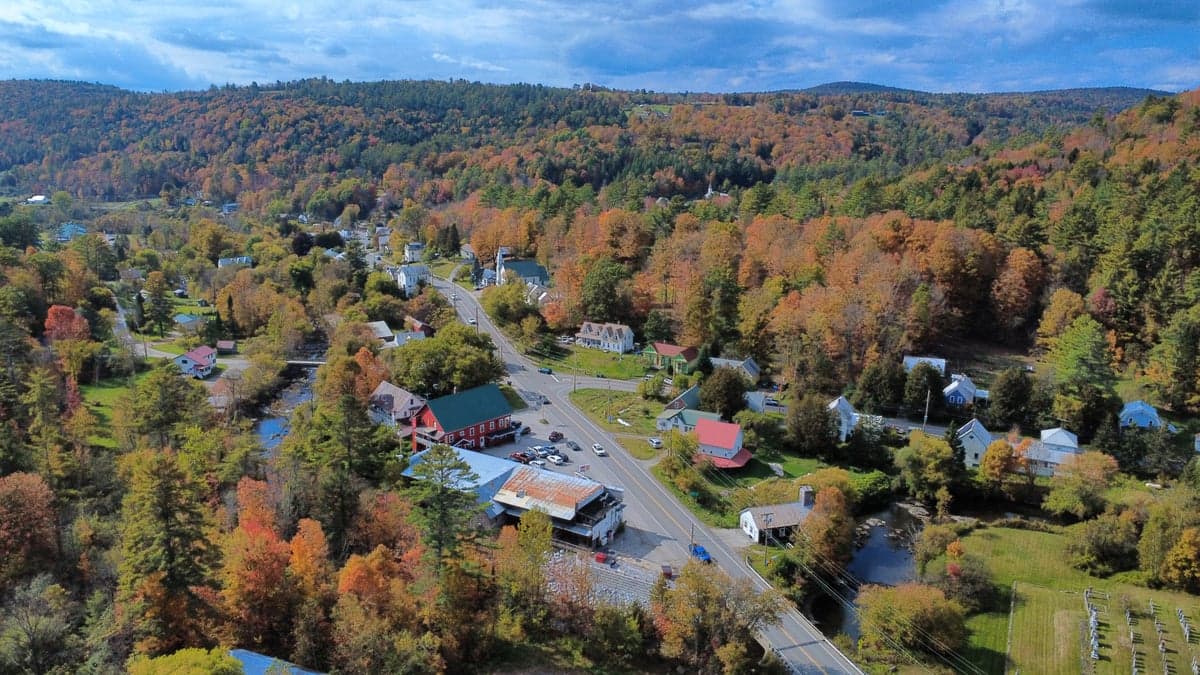
Marshfield, Vermont, is the kind of place where you wave to every car you pass because you probably know the driver, and if you don’t, you will soon. With a population of just 431, this small town in Washington County feels more like an extended family than a municipality, where the local general store doubles as the town square and the biggest decision of the week might be whether to hit the Saturday farmers market or hike the nearby trails. It’s a community built on quiet self-reliance, where the median age of 42.8 skews a bit older than the national average, and the median income of $81,875 supports a comfortable, no-frills lifestyle that attracts people who value space, peace, and a slower pace over urban convenience.
Daily Rhythm in a Town of 431
Life in Marshfield revolves around the seasons and the land. Most residents work in Montpelier or Barre, a 15- to 25-minute commute that feels manageable even in winter, or they work remotely from home, taking advantage of the fiber-optic internet that’s surprisingly reliable for such a rural spot. The cost of living index sits at 83—well below the national average—which means a median home value of $169,300 can get you a fixer-upper with acreage or a modest, move-in-ready house on a quiet road. Weekends are for projects: splitting firewood, tending gardens, or driving to the Marshfield Village Store for coffee and gossip. The store is the unofficial town hub, where you’ll find locals catching up over breakfast sandwiches and the bulletin board advertising everything from lost cats to community potlucks. For groceries, most people make the trip to Hannaford in Barre or the Montpelier co-op, but the Marshfield Farmers Market (June through October) is a weekly ritual for fresh produce, maple syrup, and handmade crafts.
What There Is to Do (and What There Isn’t)
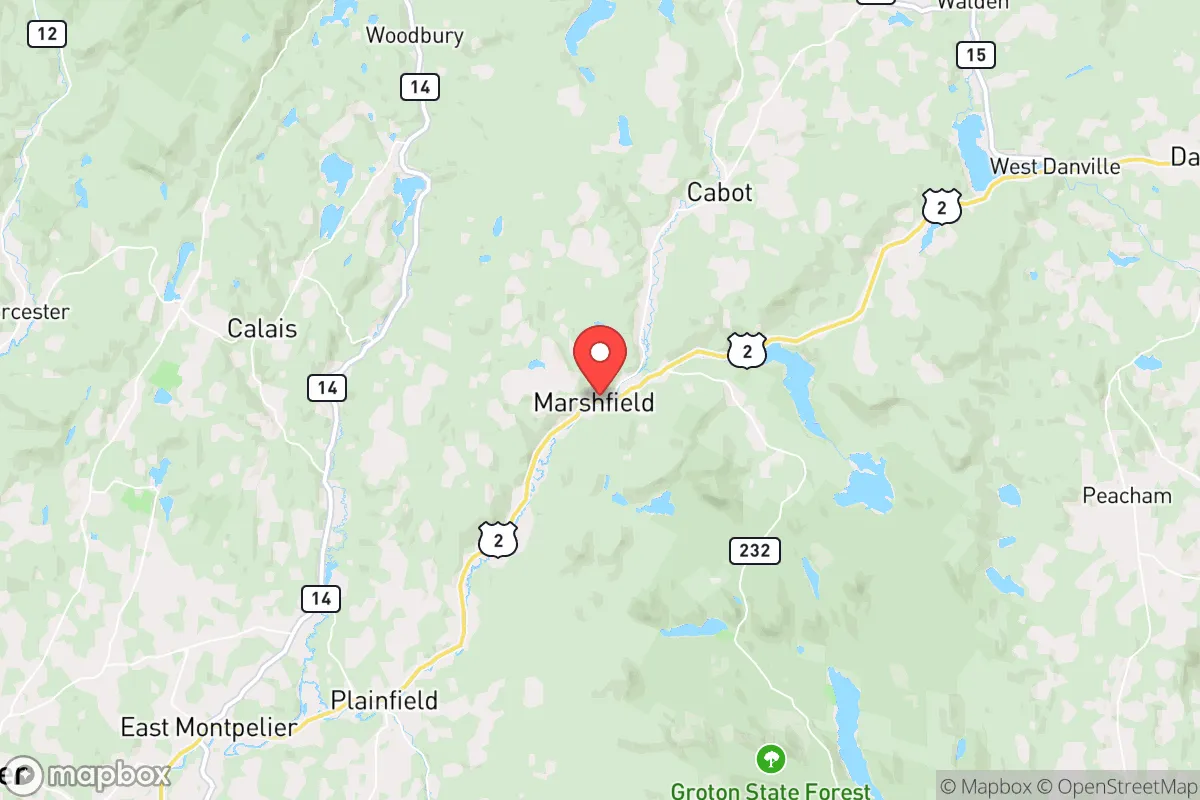
If you’re looking for nightlife, Marshfield isn’t it. The town has no bars or music venues—the closest watering hole is the Bent Nail in Plainfield or the Three Penny Taproom in Montpelier, both about 15 minutes away. Entertainment here is what you make of it. The big annual event is the Marshfield Harvest Festival in September, a low-key celebration with a pie contest, live bluegrass, and a tractor parade that draws the whole county. Outdoor enthusiasts thrive: the Groton State Forest is a 20-minute drive, offering hiking, fishing, and cross-country skiing on miles of trails. The Winooski River runs through town, providing swimming holes and kayaking spots in summer. For culture, Montpelier’s Lost Nation Theater and the Savoy Theater are a short drive, but most evenings in Marshfield are spent around a campfire or on a porch, watching the stars. The lack of commercial entertainment is a pro for those who crave solitude, but a con for anyone who wants a restaurant or bar within walking distance—there simply isn’t one.
Sports, Schools, and Community Identity
Sports aren’t a major focus here. There are no local pro teams, and high school athletics are centered at Twinfield Union School in nearby Plainfield, which fields small but spirited teams in soccer, basketball, and baseball. Games are well-attended by families, but they don’t dominate the town’s identity the way they might in a larger suburb. The school itself is a community anchor—Twinfield serves Marshfield and Plainfield, and its events (concerts, plays, fundraisers) are where neighbors gather. The median age of 42.8 reflects a mix of empty-nesters and families with young children, drawn by the low cost of living and the rural school environment. 33.5% of adults hold a college degree, which is slightly below the state average, but the town has a strong DIY ethos—people are more likely to be skilled tradespeople, farmers, or remote professionals than corporate climbers. The kind of person who fits in here is someone who doesn’t mind driving 20 minutes for a gallon of milk, who values privacy over convenience, and who can handle a winter that runs from November to April without complaint.
Honest Pros and Cons of Living in Marshfield
- Pro: Affordability. With a cost of living 17% below the national average and home prices that still allow a single-income family to buy, Marshfield is one of the more attainable places in Vermont for a conservative-leaning household that values land and self-sufficiency.
- Pro: Low crime, but not zero. The violent crime rate of 213.8 per 100,000 is slightly above the national average, but nearly all incidents are domestic or between known parties—random street crime is virtually unheard of. Property crime is more common, mostly break-ins of unlocked cars or sheds.
- Con: Isolation. There’s no gas station, no pharmacy, and no sit-down restaurant in town. A forgotten grocery item means a 20-minute round trip. For single people, the dating pool is tiny, and social life requires deliberate effort.
- Con: Weather. Winters are long, dark, and cold. Snowfall averages 80+ inches, and roads can be unplowed for hours after a storm. If you don’t own a four-wheel-drive vehicle and a good snowblower, you’ll struggle.
- Cultural quirk: Town Meeting Day in March is a big deal—everyone gathers at the Marshfield Town Hall to vote on the budget and local ordinances by show of hands. It’s direct democracy in action, and newcomers are expected to participate.

Similar small towns to Marshfield

* Values derived from national, state, county, city and local statistics and may differ in a specific area. Last updated: 2026-05-01T13:30:58.000Z
Narrative content on this page is AI-generated and may contain mistakes. Verify any details that matter before acting on them.
ReloMaps may earn a commission from affiliate links at no extra cost to you.

