Photo: Wikipedia
Quality of Life in Victoria, TX
A high quality of life with strong walkability, manageable living costs, healthy neighborhood signals, and solid amenity access.
What does Quality of Life tell us?
Quality of Life blends cost of living, nearby amenities, socioeconomic signals, and neighborhood character. City-level scores represent the whole municipality; individual neighborhoods can differ.
What does this tell us?
Quality of Life blends cost of living, nearby amenities, socioeconomic signals, and neighborhood character. City-level scores represent the whole municipality; individual neighborhoods can differ.
Cost of Living
12% below national average
The Real Cost of Living in Victoria, TX for 2026
| Tier | Individual | Family (4) |
|---|---|---|
| Survival | $19k | $35k |
| Comfortable | $38k | $55k |
| Luxury | $106k+ | $165k+ |
| Elite (Top 5%) | $125k+ | $194k+ |
124%
The Area Signal
A metric tracking the socioeconomic signals of the area.
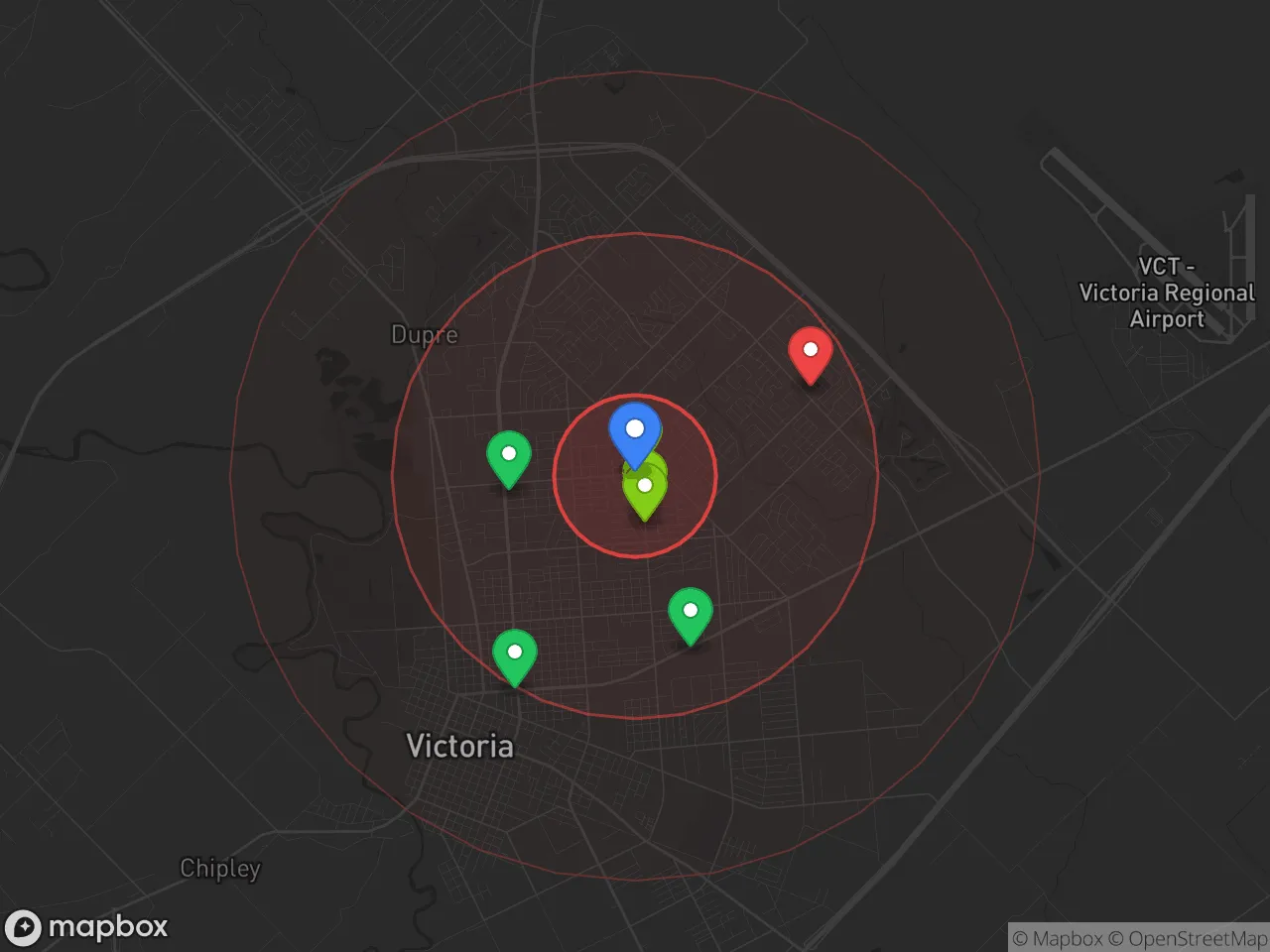
Hobbies
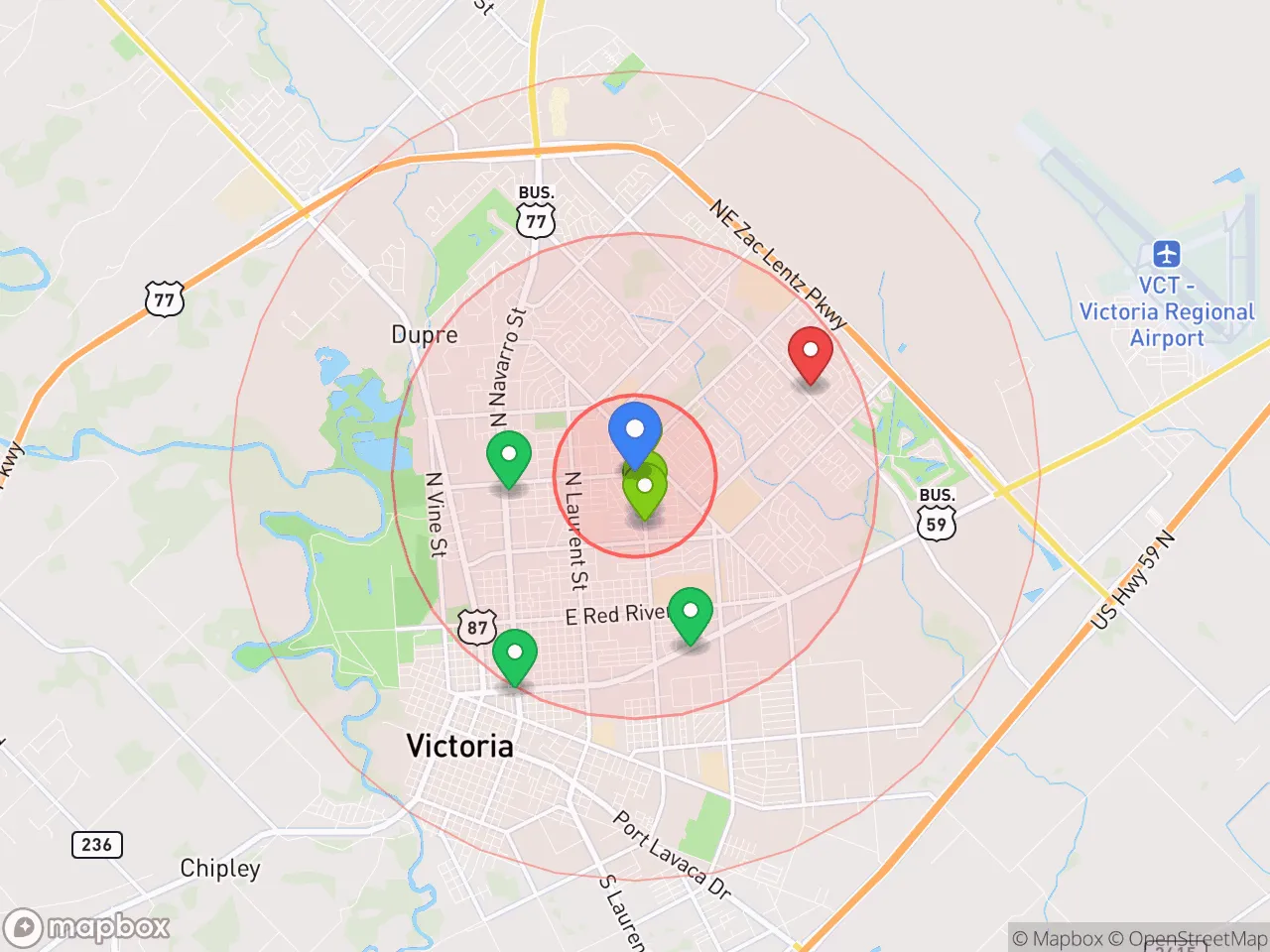
Explore the areaGroceries
6 within 10 miles
Gas
20 within 10 miles
Hospital
6 within 20 miles
Airport
SAN — San Antonio International
Post Office
USPS — Victoria, TX
Critical Amenities
Quality-of-Life Analysis
Victoria, Texas, offers a quality of life defined by a cost of living well below the national average and a steady, family-oriented pace. With a cost of living index of 88 (where 100 equals the U.S. average), the area attracts a mix of young families, energy-sector workers, and retirees seeking affordability without sacrificing access to basic urban amenities. The city’s population of roughly 65,000 leans toward middle-income households, with a notable presence of professionals employed in healthcare, petrochemical manufacturing, and education.
How housing costs and affordability compare to nearby cities
Victoria’s housing market is a primary draw for newcomers. The median home value sits at $193,200, significantly lower than the Texas state median of roughly $300,000 and far below major metros like Austin ($550,000+) or Houston ($330,000). Median rent is $1,170, making it one of the more affordable rental markets in the Crossroads region. Compared to nearby Corpus Christi (median rent ~$1,300) or San Antonio (~$1,400), Victoria offers a clear cost advantage. The average commute time is just 20.2 minutes, well under the national average of 26 minutes, which reduces transportation costs and frees up time for family or leisure. Property taxes in Victoria County are around 2.1% of assessed value, typical for Texas, but the lower home prices keep annual tax bills manageable relative to income.
What daily life is like for families: schools, amenities, and local rhythm
Daily life in Victoria centers on a compact, car-dependent layout with most errands and services within a 10- to 15-minute drive. The Victoria Independent School District operates 14 elementary schools, three middle schools, and two high schools (Victoria East and Victoria West), with a student-teacher ratio of about 15:1. For higher education, Victoria College and the University of Houston-Victoria provide local degree programs. Amenities include the Victoria Regional Airport (offering daily flights to Houston), the 50-acre Riverside Park with a zoo and disc golf, and the DeTar Healthcare System, the area’s largest employer. The city’s rhythm is slower than Houston’s but busier than rural towns like Cuero or Goliad; retail and dining cluster along Navarro Street and the Victoria Mall area. Cultural events like the annual Victoria Livestock Show and the Texas Zoo’s programs give families regular, low-cost weekend options.
Victoria is best suited for people who prioritize affordability, short commutes, and a predictable, community-oriented lifestyle over the fast pace and job density of a major metro. It works well for remote workers, healthcare professionals at DeTar or Citizens Medical Center, and employees in the nearby Formosa Plastics or Caterpillar plants. Retirees on fixed incomes will find the low housing costs and mild winters appealing, while young families will appreciate the safe neighborhoods and manageable school sizes. Those seeking nightlife, diverse dining, or rapid career growth in tech or finance may find Victoria too limited. For anyone wanting a lower-stress, lower-cost version of Texas living with solid schools and a 20-minute commute, Victoria delivers consistently.

Crime in Victoria, TX
Crime rates similar to the national median for U.S. locations.
Violent CrimeViolent Crime Analysis
Property CrimeProperty Crime Analysis
Crime Analysis
Victoria, Texas, reports a violent crime rate of 362.9 incidents per 100,000 residents and a property crime rate of 1,858.1 per 100,000, placing it in a moderate risk category relative to other cities its size in the state. While these figures are not the highest in the region, they warrant careful consideration, particularly for those relocating from areas with lower crime densities. The city's safety profile is shaped by its local law enforcement strategies and the broader judicial environment of Victoria County.
Crime in context
Victoria's violent crime rate of 362.9 per 100,000 is approximately 10% higher than the national average of roughly 330 per 100,000 but sits below the Texas state average of about 450 per 100,000. Property crime, at 1,858.1 per 100,000, is notably elevated—roughly 15% above the national average of 1,600 per 100,000 and comparable to many mid-sized Texas cities. A critical factor for prospective residents is the judicial philosophy of local district attorneys and judges. Victoria County, like many areas in Texas, has seen a shift toward more progressive prosecution policies in recent years, including pretrial diversion programs and reduced bond amounts for nonviolent offenders. These policies, while intended to reduce incarceration rates, can result in repeat offenders returning to the streets more quickly, potentially increasing the risk of property crimes like theft and burglary. Readers should be aware that a lenient justice system, even in a moderately safe city, can undermine public safety by prioritizing offender rehabilitation over victim protection and community deterrence.
What residents experience
Daily life in Victoria involves a mix of typical small-city concerns. Property crime is the most common issue residents report, with vehicle break-ins and package thefts occurring in both residential and commercial areas. Violent crime, while less frequent, is concentrated in specific pockets rather than spread evenly. The city's police department has implemented community policing initiatives, but response times can vary significantly between the urban core and outlying neighborhoods. Residents in newer subdivisions on the north and west sides often report feeling safer than those in older, denser areas near downtown. The presence of progressive judicial policies means that even when arrests are made, offenders may face lighter sentences or quicker release, which can erode trust in the system and leave some neighborhoods feeling vulnerable to repeat criminal activity.
Neighborhood-level variation is notable in Victoria. Areas near the University of Houston-Victoria and along the major commercial corridors like Navarro Street tend to see higher foot traffic and, consequently, more opportunistic property crime. In contrast, established residential neighborhoods such as those around Memorial High School or the Country Club area generally report lower incident rates. Prospective residents are advised to consult local crime mapping tools and speak with neighbors about specific blocks, as safety can change dramatically within a few streets. Overall, Victoria offers a moderate safety profile, but the combination of above-average property crime rates and a judicial system that may not prioritize public protection means that vigilance and neighborhood selection are essential for those considering a move.
* Values derived from national, state, county, city and local statistics and may differ in a specific area. Last updated: 2026-05-12T00:14:43.000Z
Narrative content on this page is AI-generated and may contain mistakes. Verify any details that matter before acting on them.
ReloMaps may earn a commission from affiliate links at no extra cost to you.

