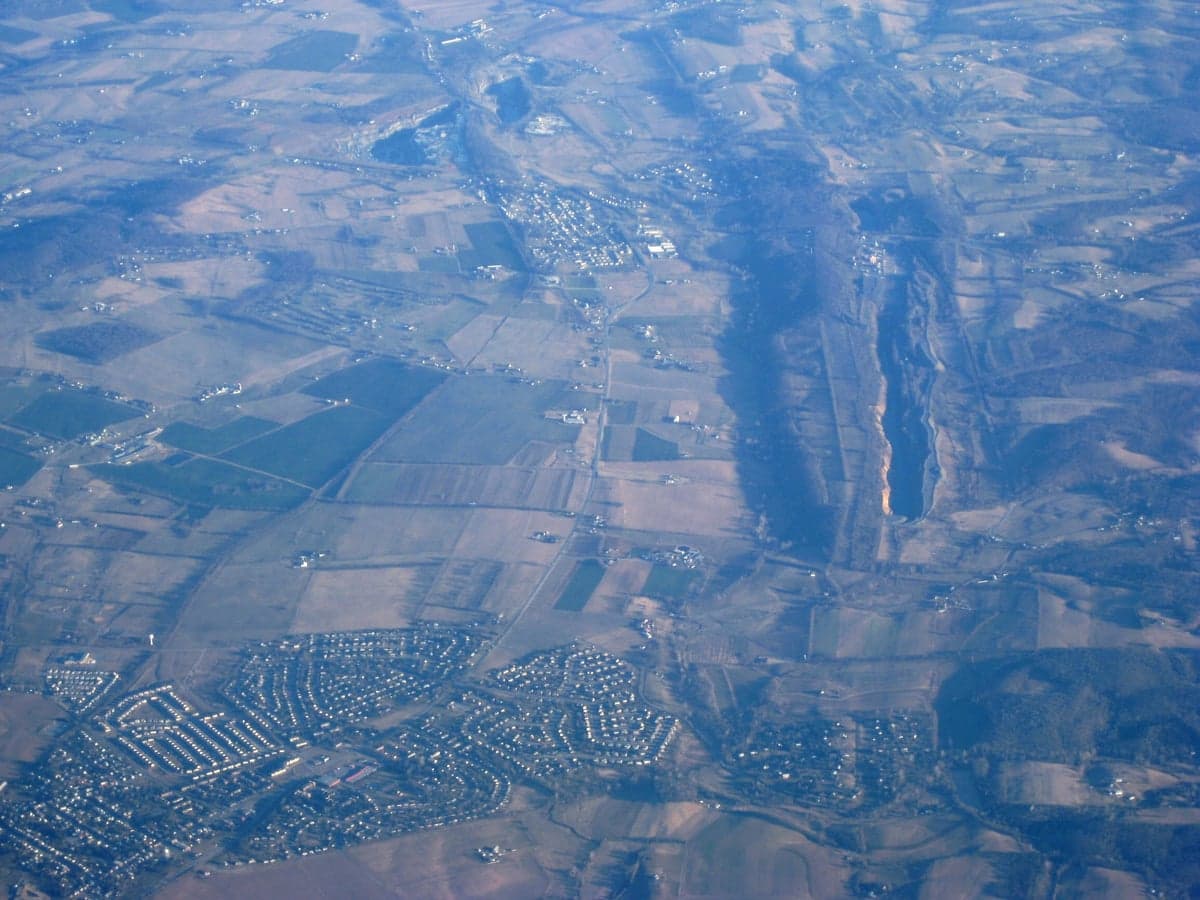
Photo: Wikipedia
Political ClimatePolitical Climate in Walkersville, MD
District shown is the primary district for this city’s centroid. Cities may span multiple districts.
Local Political AnalysisPolitical Analysis of Walkersville, MD
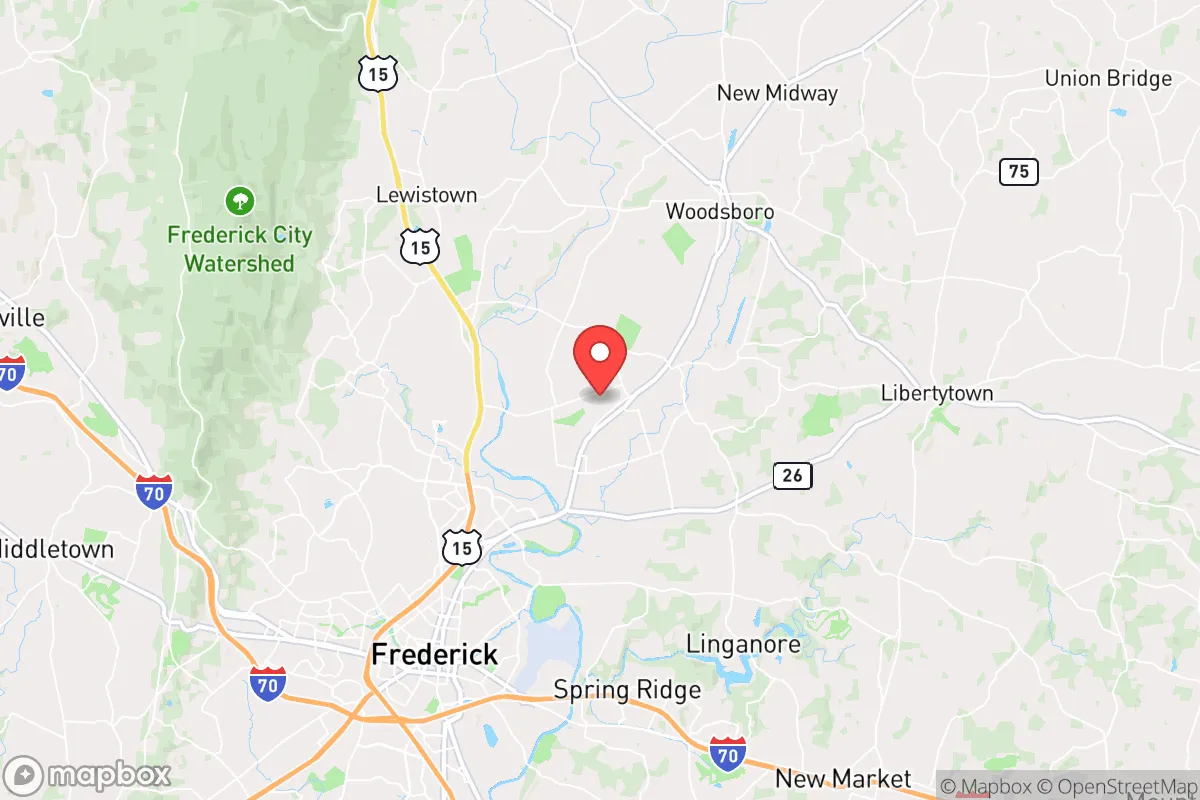
Walkersville, Maryland, has long been a quiet, family-oriented town where folks value their independence and don't appreciate being told how to live their lives. But if you've been around here as long as I have, you've seen the political winds shift, and not necessarily for the better. The Cook PVI for the area sits at D+3, which tells you we're in a district that leans slightly Democrat, but that number doesn't fully capture the tension brewing beneath the surface. Walkersville itself has historically been a conservative-leaning community, surrounded by more rural, red-leaning areas like Woodsboro and Libertytown, but as Frederick County's population grows and diversifies, we're feeling the pull of progressive policies that many of us didn't sign up for.
How it compares
Drive ten minutes south to Frederick City, and you'll find a completely different world—one where local government is increasingly comfortable with higher taxes, stricter zoning, and a general attitude that "we know what's best for you." Walkersville has always been the place where people moved to escape that kind of overreach. We're closer in spirit to towns like Union Bridge or New Market, where the county commissioners still remember that their job is to serve the people, not manage them. But here's the thing: as Frederick County's board has tilted more progressive in recent years, we've seen creeping regulations on everything from short-term rentals to how you can use your own property. It's a slow erosion, but it's real, and it's why you'll hear more folks at the local diner grumbling about "the county" than they used to.
What this means for residents
For the average Walkersville resident, this shift means you have to be more vigilant about what's happening at the county level. School board decisions, land-use policies, even mask mandates during the pandemic—all of these have become battlegrounds where personal freedom gets tested. The good news is that Walkersville's town council has remained fairly grounded, pushing back on some of the more aggressive proposals from Frederick. But the long-term trend is concerning: as more people move in from D.C. and Baltimore suburbs, they bring a voting record that favors bigger government and less local control. If you value the right to make your own choices about your property, your business, or your children's education, you need to pay attention to every election, because the margin for keeping things sensible is getting thinner every cycle.
One thing that sets Walkersville apart is its strong sense of community and a healthy skepticism of government overreach. You won't find the same enthusiasm for "equity" initiatives or climate action plans here that you see in the city. Our local culture still prizes self-reliance, and there's a quiet but firm resistance to any policy that feels like it's coming from a distant bureaucracy. That said, the pressure is mounting. If you're considering moving here, know that you're coming to a place where the fight to keep government small and personal freedoms intact is still alive—but it's a fight that requires active participation. The days of taking our political climate for granted are over, and the next few years will tell us whether Walkersville can hold the line or get swept up in the broader regional shift.

State Political ClimatePolitical Climate in Maryland
State Political AnalysisPolitical Environment in the State
Maryland has long been a deep blue state, with Democrats holding a firm grip on state government and a consistent track record of voting for the party’s presidential candidate by double digits—Joe Biden won the state by 33 points in 2020. However, this partisan lean is deceptive. The state’s political landscape is a stark tale of two regions: the densely populated, heavily liberal Washington, D.C., suburbs and Baltimore, versus the more conservative, rural counties on the Eastern Shore and in Western Maryland. Over the past 20 years, the state has become more polarized, with the urban core’s progressive agenda increasingly clashing with the values of the state’s agricultural and mountain communities. For a conservative considering relocation, understanding this divide is critical—your experience will vary wildly depending on whether you land in Montgomery County or Garrett County.
Urban vs. rural divide
The political map of Maryland is a textbook example of the urban-rural chasm. The state’s blue hue is almost entirely driven by the Washington, D.C., suburbs—Montgomery County and Prince George’s County—which together cast more than a quarter of the state’s votes and reliably deliver 70-80% margins for Democrats. Baltimore City and its inner suburbs (Baltimore County, Howard County) add another massive blue bloc. In contrast, the Eastern Shore counties—like Queen Anne’s, Talbot, and Wicomico—vote reliably Republican, often by 20-30 points. Western Maryland, anchored by Garrett County and Allegany County, is the state’s most conservative region, with Garrett County voting +45 for Trump in 2020. The key swing areas are the exurbs—places like Frederick County and Harford County—which have trended redder in recent cycles as D.C. commuters seek cheaper housing but bring their politics with them. Frederick County, for instance, flipped from blue to red in the 2022 gubernatorial race, but its growing population of federal workers and tech professionals is slowly shifting it back toward the center.
Policy environment
Maryland’s policy environment is a mixed bag for conservatives, but the trend is unmistakably toward progressive control. The state has a progressive income tax with rates up to 5.75%, plus a local “piggyback” tax that can push the combined rate above 8% in high-tax counties like Montgomery. Property taxes are also high, especially in the D.C. suburbs. The regulatory posture is heavy: Maryland has a strict gun control regime (including a ban on “assault weapons” and a handgun permit requirement that was recently tightened), a sanctuary state law (the Maryland Trust Act) that limits cooperation with federal immigration enforcement, and a mandate for paid family leave that took effect in 2025. Education policy is dominated by the powerful teachers’ union, with school choice options limited—charter schools are few and face heavy regulation. The state also has a single-payer healthcare study commission and has expanded Medicaid aggressively. On the plus side for conservatives, Maryland has no statewide sales tax on groceries or prescription drugs, and the corporate income tax rate (8.25%) is competitive with neighboring states. But the overall trajectory is toward higher taxes, more regulation, and a government that prioritizes collective outcomes over individual liberty.
Trajectory & freedom
Maryland is becoming less free by almost any measure of personal liberty. The most glaring example is the Firearm Safety Act of 2013, which banned dozens of semi-automatic rifles and imposed a 7-day waiting period on handgun purchases. In 2023, the legislature passed a concealed carry “sensitive places” law that effectively bans firearms in most public spaces, including parks, hospitals, and any business that doesn’t explicitly post a “guns allowed” sign. This law is currently being challenged in court, but it reflects the legislature’s hostility to the Second Amendment. On parental rights, the state passed a comprehensive sex education mandate in 2022 that requires “age-appropriate” instruction on sexual orientation and gender identity starting in kindergarten, with no opt-out for parents. Medical autonomy has been curtailed by the state’s COVID-19 vaccine mandates for healthcare workers and school employees, which remain in effect. Property rights are under pressure from the state’s zoning reform (the “Transit-Oriented Development” bill), which overrides local zoning to allow high-density housing near transit stops—a move that many rural counties see as a loss of local control. The state’s tax burden is among the highest in the nation, and a 2024 law indexing the gas tax to inflation means it will rise automatically every year. For a conservative, the message is clear: the state government is actively expanding its reach into your life, your wallet, and your family.
Civil unrest & political movements
Maryland has seen its share of civil unrest, most notably the 2015 Baltimore riots following the death of Freddie Gray, which left a lasting scar on the city’s reputation and accelerated white flight to the suburbs. More recently, the state has been a flashpoint for immigration politics. The Maryland Trust Act (2018) prohibits state and local law enforcement from cooperating with ICE detainers, making the state a de facto sanctuary. This has led to tensions in counties like Frederick and Harford, where local sheriffs have publicly resisted the policy. On the right, the “Keep Maryland Free” movement has organized around Second Amendment rights and school choice, with rallies in Annapolis drawing thousands. Election integrity has been a hot-button issue: Maryland uses universal mail-in voting (permanent no-excuse absentee ballots) and same-day voter registration, which conservatives argue opens the door to fraud. The 2020 election saw a massive surge in mail-in ballots, and the state’s voter rolls have been criticized for containing thousands of inactive or duplicate registrations. Visible flashpoints for a new resident include the Confederate monument debates (Baltimore removed its statues in 2017) and the ongoing fight over school curriculum, with conservative parents in places like Carroll County pushing back against critical race theory and LGBTQ-inclusive materials.
Projection
Over the next 5-10 years, Maryland is likely to continue its leftward drift, driven by demographic trends. The D.C. suburbs are growing faster than the rest of the state, fueled by an influx of young, college-educated professionals who lean heavily Democratic. The rural counties, meanwhile, are aging and losing population. The 2022 gubernatorial election—won by Democrat Wes Moore—was a clear signal that the state’s blue base is solidifying. Moore’s progressive agenda (free community college, paid family leave, climate mandates) will likely be implemented over the next decade, further entrenching the state’s high-tax, high-regulation environment. However, there are countercurrents: the exurbs (Frederick, Harford) are becoming more competitive, and if the national Republican Party can moderate its message on social issues, these areas could flip in future elections. For a conservative moving in now, the realistic expectation is that you will be living in a state where your vote for governor or senator is unlikely to matter, but your local elections—county council, school board, sheriff—will be where you can make a difference. The state’s blue wall is not crumbling, but it is showing cracks in the exurbs.
For a new resident, the bottom line is this: Maryland offers a high quality of life in its rural and exurban areas, with good schools, low crime in many counties, and proximity to D.C. jobs. But you will pay for it—in taxes, in regulatory overreach, and in a political culture that increasingly views your values as outdated. If you’re looking for a state where your vote counts and your freedoms are respected, Maryland is not that place. But if you’re willing to fight for your local school board, your gun rights, and your property, you can find a community—especially in places like Garrett County or the Eastern Shore—where conservative values still hold sway. Just don’t expect the state government to have your back.
* Values derived from national, state, county, city and local statistics and may differ in a specific area. Last updated: 2026-10-10T16:29:18.000Z
Narrative content on this page is AI-generated and may contain mistakes. Verify any details that matter before acting on them.
ReloMaps may earn a commission from affiliate links at no extra cost to you.

