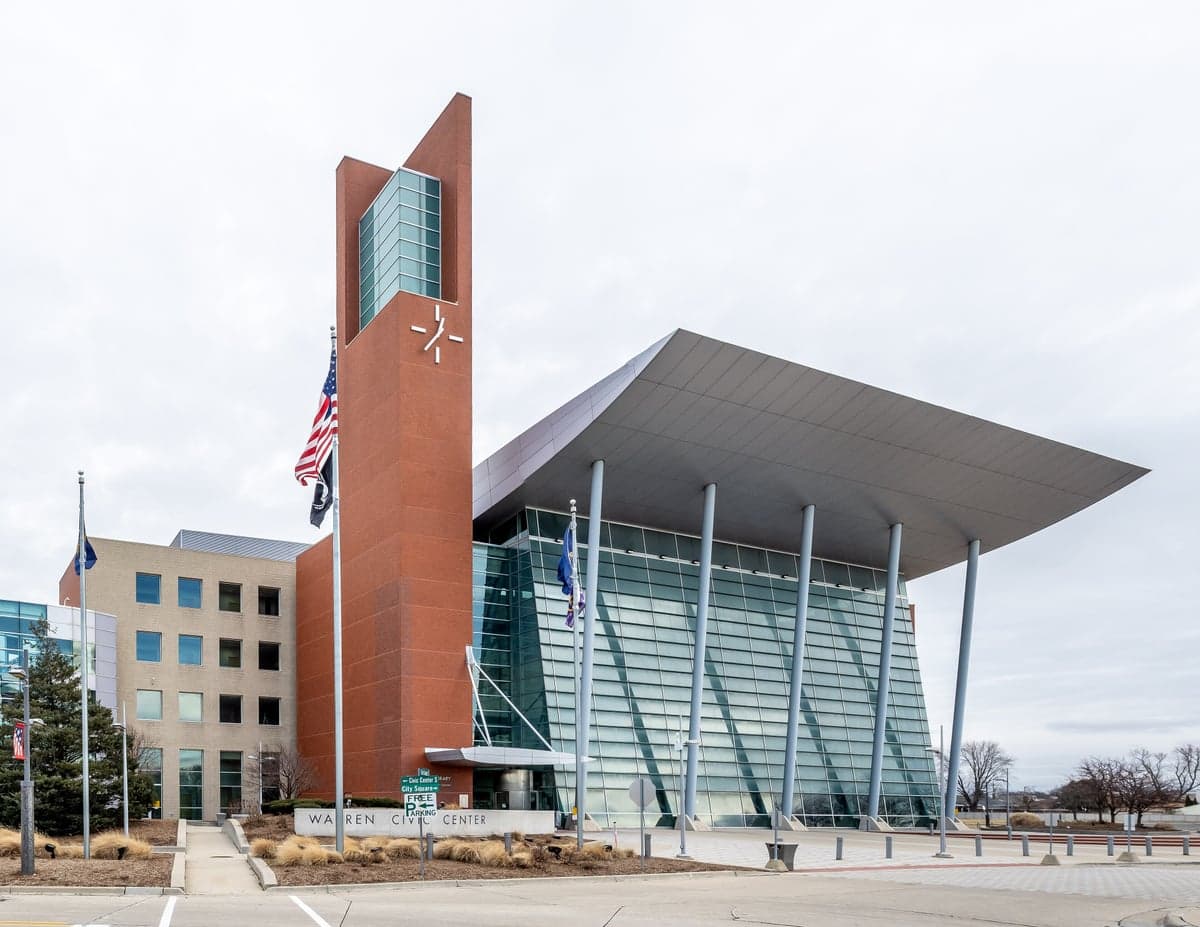
Photo: Wikipedia
Quality of Life in Warren, MI
Above-average quality of iife. The area offers a reasonable cost of living, decent mobility, and a mix of neighborhood amenities.
What does Quality of Life tell us?
Quality of Life blends cost of living, nearby amenities, socioeconomic signals, and neighborhood character. City-level scores represent the whole municipality; individual neighborhoods can differ.
What does this tell us?
Quality of Life blends cost of living, nearby amenities, socioeconomic signals, and neighborhood character. City-level scores represent the whole municipality; individual neighborhoods can differ.
Cost of Living
13% below national average
The Real Cost of Living in Warren, MI for 2026
| Tier | Individual | Family (4) |
|---|---|---|
| Survival | $19k | $36k |
| Comfortable | $35k | $52k |
| Luxury | $103k+ | $160k+ |
| Elite (Top 5%) | $121k+ | $188k+ |
123%
The Area Signal
A metric tracking the socioeconomic signals of the area.
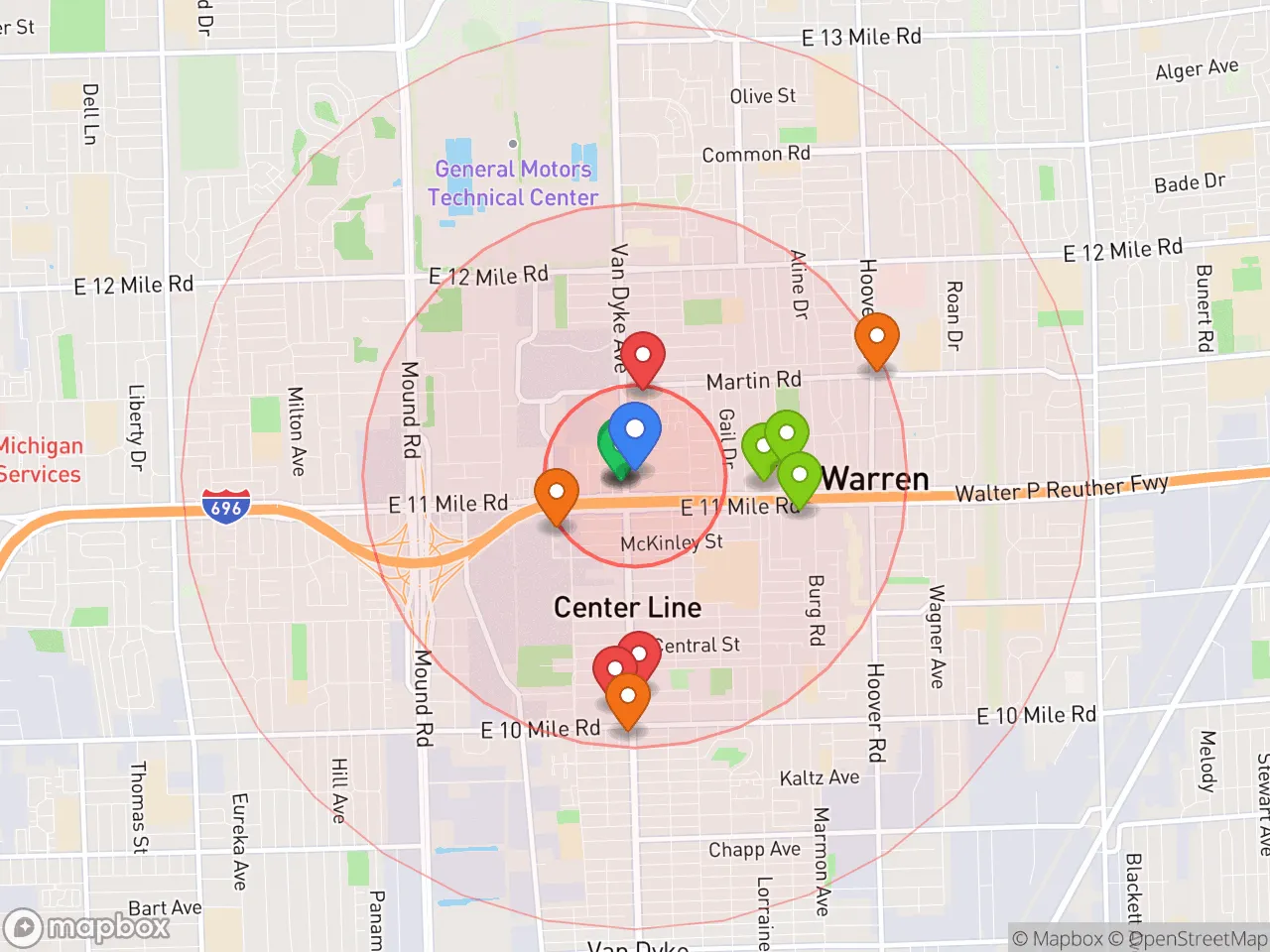
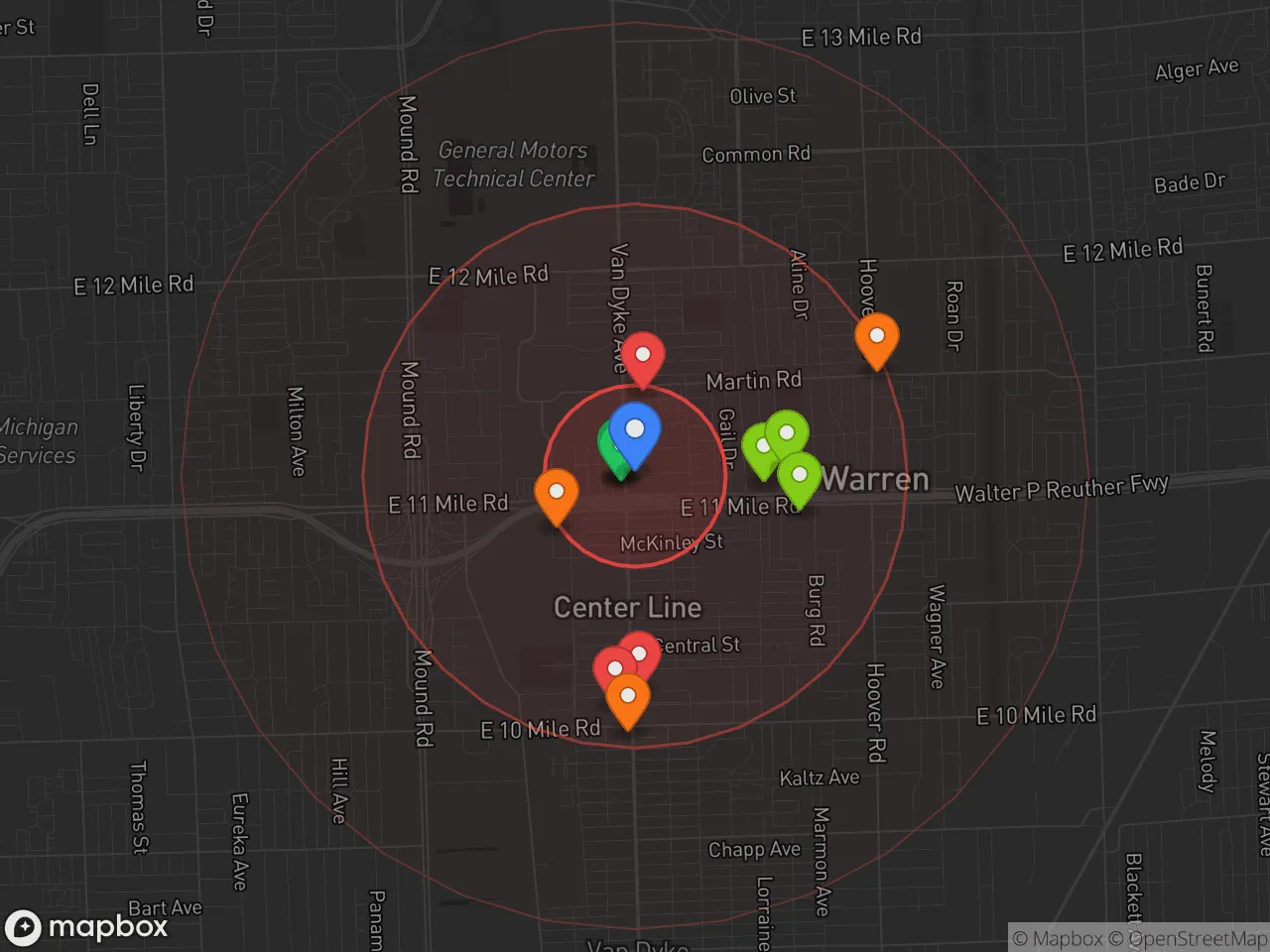
Hobbies
Explore the areaGroceries
5 within 10 miles
Gas
20 within 10 miles
Hospital
20 within 20 miles
Airport
DTW — Detroit Metropolitan Wayne County
Post Office
USPS — Center Line, MI
Critical Amenities
Quality-of-Life Analysis
Warren, Michigan offers a quality of life defined by solid middle-class stability, with a cost of living index of 87 (13% below the national average) that attracts families, tradespeople, and auto-industry workers seeking affordability near Detroit. The city’s population of roughly 135,000 is predominantly working- and middle-class, with a median household income around $52,000, and a significant share of residents employed in manufacturing, healthcare, and retail. Warren is not a wealthy enclave but a practical, blue-collar hub where residents prioritize value, short commutes, and access to urban amenities without the premium price tag of Detroit’s northern suburbs.
Cost of living, housing affordability, and how Warren compares to nearby cities
Warren’s cost of living is a primary draw, with a composite index of 87 making it significantly cheaper than the national norm and far more affordable than neighboring communities like Royal Oak (index ~115) or Troy (index ~120). The median home value of $181,900 is roughly half that of Troy ($380,000+) and well below the Detroit metro average of $240,000, allowing first-time buyers to enter the market with a conventional mortgage. Median rent of $1,184 is also below the metro median of $1,350, though it has risen about 8% since 2020 as demand for affordable rentals increases. The average commute of 25.4 minutes is shorter than the metro average of 28 minutes, thanks to Warren’s central location along I-696 and M-53, giving workers quick access to Detroit (20 minutes) and the auto plants in Sterling Heights and Auburn Hills. Property taxes in Macomb County are moderate, around 2.1% of assessed value, which is lower than Wayne County’s 2.5% average but higher than Oakland County’s 1.8%.
Daily life, schools, and amenities for families and professionals
Warren’s daily rhythm is suburban and car-dependent, with most errands requiring a vehicle, though the SMART bus system provides limited service along major corridors like Van Dyke and 12 Mile Road. The city is served by Warren Consolidated Schools and Fitzgerald Public Schools, with Cousino High School and Warren Mott High School offering solid academic programs and vocational tracks in automotive technology and healthcare. For recreation, the city maintains over 30 parks, including the 100-acre Halmich Park with sports fields and a dog park, and the Warren Community Centre provides an indoor pool, fitness classes, and senior programs. Retail is concentrated along Van Dyke Avenue and at the Universal Mall (though partially vacant), with major grocery chains like Kroger and Meijer within a 10-minute drive. Dining leans toward classic Michigan fare—Coney Islands, Polish bakeries, and family-style Italian spots—with few upscale options. Healthcare access is strong via Henry Ford Macomb Hospital on 13 Mile Road and Beaumont Hospital, Troy just 15 minutes north.
Warren is best suited for budget-conscious families, auto-industry workers, and retirees who value a low-stress, affordable lifestyle over nightlife or prestige. The city’s trade-offs are clear: lower housing costs and a short commute come with older housing stock (median build year 1955), limited public transit, and a less vibrant downtown compared to Ferndale or Royal Oak. For those who prioritize financial breathing room and proximity to Detroit’s job centers, Warren delivers a practical, no-frills quality of life that remains one of the best values in Macomb County.

Crime in Warren, MI
Crime rates similar to the national median for U.S. locations.
Violent CrimeViolent Crime Analysis
Property CrimeProperty Crime Analysis
Crime Analysis
Warren, Michigan, reports a violent crime rate of 408.1 per 100,000 residents and a property crime rate of 1,238.7 per 100,000, placing it above national averages for both categories. These figures reflect a city that faces real public safety challenges, particularly as part of the broader Macomb County and Metro Detroit region. Prospective residents should weigh these statistics carefully, especially given the progressive judicial policies in the surrounding area that can influence recidivism and enforcement outcomes.
Crime in context
Warren’s violent crime rate of 408.1 per 100,000 is roughly 15% higher than the national average of about 380 per 100,000, and significantly above Michigan’s state average of approximately 460 per 100,000 (which is elevated by Detroit’s numbers). Property crime in Warren, at 1,238.7 per 100,000, also exceeds the national benchmark of roughly 1,954 per 100,000, but is notably lower than the Michigan state average of around 1,400 per 100,000. These comparisons show Warren as a city where property crime is a more pressing concern than violent crime relative to state norms, though both categories warrant attention. The city’s proximity to Detroit, which has historically high crime rates, and its status as a dense suburban hub with significant commercial and industrial activity, contribute to these figures.
What residents experience
Residents commonly report property crimes such as theft from vehicles, burglary, and vandalism as the most frequent safety issues. Violent incidents, including aggravated assault and robbery, occur but are less evenly distributed across the city. A key concern for many is the influence of progressive prosecutorial policies in Macomb County and the broader Metro Detroit area. Liberal-leaning judges and district attorneys who prioritize leniency and diversion programs over incarceration can lead to more offenders being released back onto the streets, directly undermining public safety. This approach, while sympathetic to offenders, often results in higher recidivism rates and a diminished sense of justice for victims. For Warren residents, this means that even when crimes are reported and suspects are arrested, the likelihood of meaningful consequences may be lower than in jurisdictions with tougher sentencing practices.
Neighborhood-level variation is significant in Warren. Areas near the Mound Road industrial corridor and along Van Dyke Avenue tend to see higher concentrations of both property and violent crime, particularly in the southern and central parts of the city. In contrast, the northern and western residential neighborhoods, closer to Sterling Heights and Shelby Township, generally report lower crime rates and a stronger sense of security. Prospective renters and homebuyers should research specific block-level crime maps and consider visiting neighborhoods at different times of day to gauge local conditions. Overall, while Warren is not among the most dangerous cities in Michigan, its crime rates and the broader judicial environment demand careful consideration from anyone planning to relocate there.
* Values derived from national, state, county, city and local statistics and may differ in a specific area. Last updated: 2026-04-30T03:47:34.000Z
Narrative content on this page is AI-generated and may contain mistakes. Verify any details that matter before acting on them.
ReloMaps may earn a commission from affiliate links at no extra cost to you.

