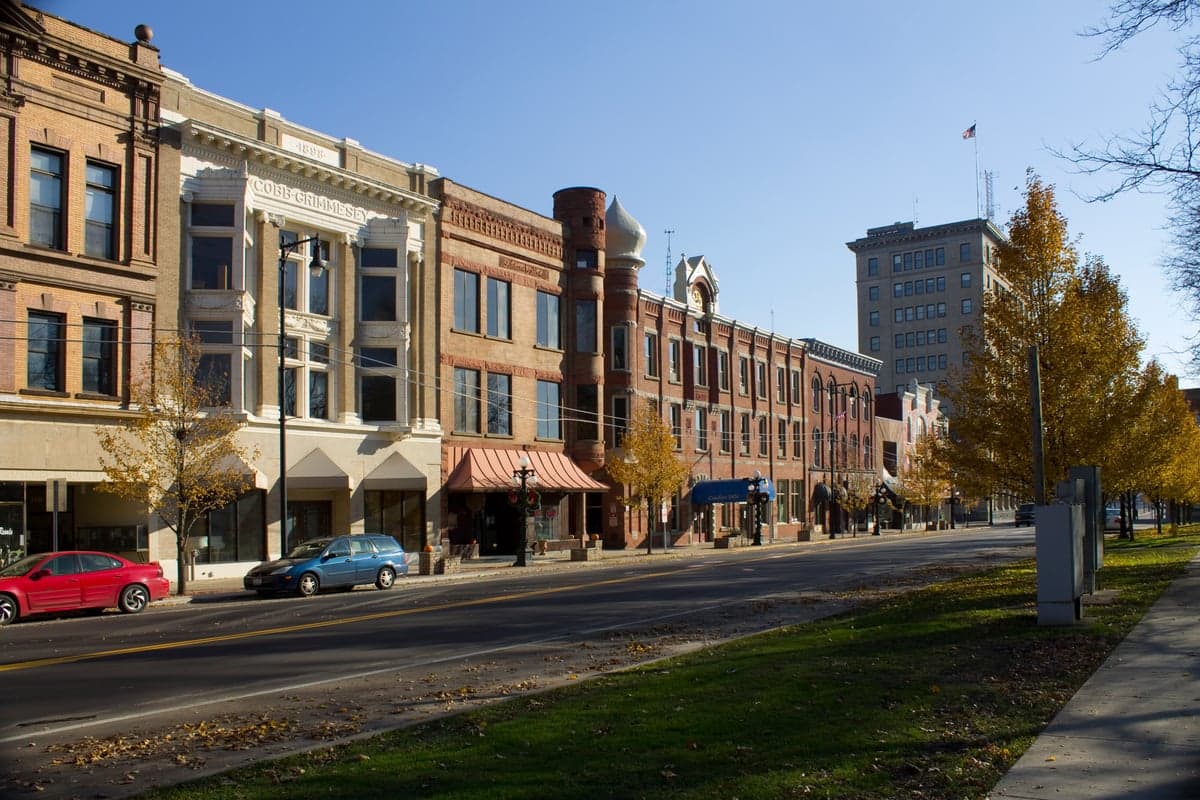
Photo: Wikipedia
Quality of Life in Warren, OH
A high quality of life with strong walkability, manageable living costs, healthy neighborhood signals, and solid amenity access.
What does Quality of Life tell us?
Quality of Life blends cost of living, nearby amenities, socioeconomic signals, and neighborhood character. City-level scores represent the whole municipality; individual neighborhoods can differ.
What does this tell us?
Quality of Life blends cost of living, nearby amenities, socioeconomic signals, and neighborhood character. City-level scores represent the whole municipality; individual neighborhoods can differ.
Cost of Living
49% below national average
The Real Cost of Living in Warren, OH for 2026
| Tier | Individual | Family (4) |
|---|---|---|
| Survival | $12k | $23k |
| Comfortable | $20k | $30k |
| Luxury | $67k+ | $103k+ |
| Elite (Top 5%) | $90k+ | $139k+ |
124%
The Area Signal
A metric tracking the socioeconomic signals of the area.
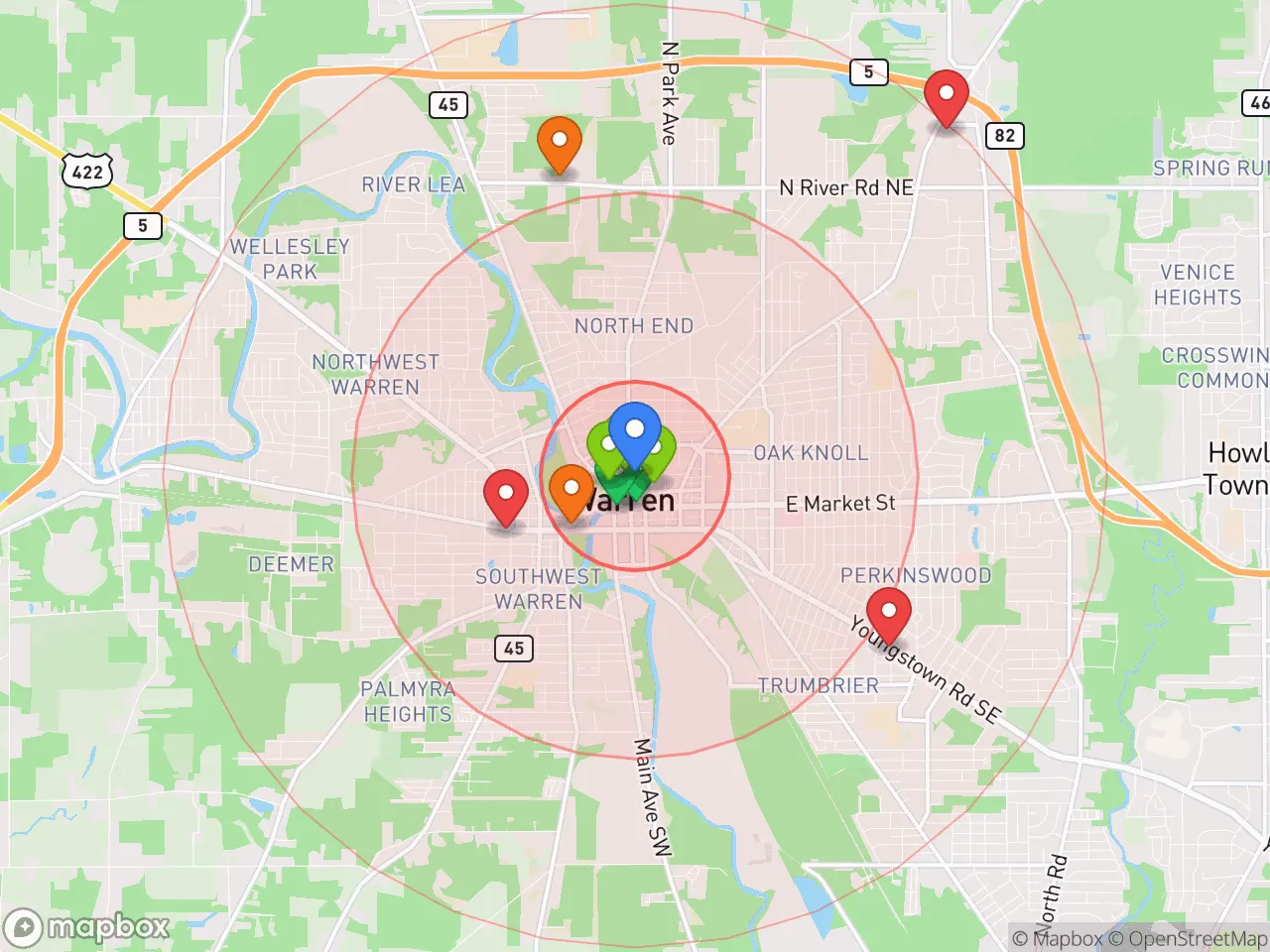
Hobbies
Explore the areaGroceries
6 within 10 miles
Gas
20 within 10 miles
Hospital
19 within 20 miles
Airport
Pittsburgh International Airport
Post Office
USPS — Warren, OH
Critical Amenities
Quality-of-Life Analysis
Warren, Ohio, presents a notably low cost of living that attracts a mix of working-class families, retirees, and those seeking a slower pace of life in the Mahoning Valley. With a cost of living index of 51—roughly half the national average—the area offers a level of affordability that is increasingly rare in the United States. The population skews older and more economically moderate, with many residents employed in healthcare, manufacturing, and retail sectors, reflecting the region's industrial heritage and its gradual shift toward service-based employment.
How housing costs and everyday expenses compare to nearby cities
The most striking aspect of Warren's affordability is its housing market. The median home value sits at just $80,100, a fraction of the national median and significantly lower than in nearby Youngstown (around $90,000) or Cleveland (over $200,000). Median rent is equally low at $759, making Warren one of the most budget-friendly rental markets in the entire state. Everyday expenses—groceries, utilities, and transportation—also run well below the U.S. average. The average commute of 23.6 minutes is slightly shorter than the national average, a practical advantage for workers commuting to jobs in Warren itself or to larger employment hubs like Youngstown (20 minutes) or Boardman (15 minutes). For those willing to drive farther, Cleveland is about an hour away, offering access to a major metro economy without the daily cost of living there.
What daily life is like for families and retirees in Warren
Daily life in Warren revolves around a modest but functional set of amenities. The city's public school system, Warren City Schools, serves around 5,000 students and has faced challenges with funding and academic performance, though several private and parochial options exist for families seeking alternatives. Healthcare access is solid, with Trumbull Regional Medical Center and St. Joseph Warren Hospital providing emergency and specialty care within city limits. For recreation, residents use the Warren Community Park and the nearby Mosquito Lake State Park for hiking, fishing, and boating. The downtown area has seen some revitalization efforts, including the Robins Theatre, a restored 1920s venue hosting concerts and events, which adds a cultural anchor. Shopping and dining are concentrated along Elm Road and the Eastwood Mall complex in nearby Niles, a 10-minute drive. The overall rhythm is quiet and unhurried, with a strong sense of local community but limited nightlife or high-end retail.
Warren is best suited for those who prioritize financial breathing room over urban excitement. Retirees on fixed incomes, first-time homebuyers, and remote workers who can earn a national salary while spending locally will find the low housing costs and short commute especially appealing. Families seeking a safe, affordable place to settle may need to research school options carefully, but the area's low crime rates relative to similarly priced cities and its proximity to outdoor recreation make it a viable choice. Professionals seeking a vibrant cultural scene or rapid career growth will likely find Warren too limited, but for anyone whose priority is stretching a dollar and living without financial strain, this corner of the Mahoning Valley delivers.

Crime in Warren, OH
Generally safer than 56% of comparable U.S. locations.
Violent CrimeViolent Crime Analysis
Property CrimeProperty Crime Analysis
Crime Analysis
Warren, Ohio, presents a mixed safety profile for potential residents. The city’s violent crime rate of 257.1 incidents per 100,000 residents is notably lower than the national average, but its property crime rate of 1,326.2 per 100,000 significantly exceeds both state and national benchmarks. As a small city within the Youngstown-Warren metro area, Warren’s crime dynamics are influenced by regional economic challenges and, critically, by the prosecutorial and judicial philosophies of Trumbull County, which lean progressive and have been associated with lenient sentencing and reduced incarceration rates.
Crime in context
Warren’s violent crime rate sits well below the U.S. average of roughly 380 per 100,000, placing it in a safer tier for personal safety compared to many peer cities. However, the property crime rate is a serious concern, running about 30% higher than the national average and nearly double the Ohio state average. This disparity is typical of post-industrial cities in the Rust Belt, where economic disinvestment and population loss have eroded neighborhood stability. The metro area’s overall crime index is elevated, driven largely by theft, burglary, and motor vehicle theft. The presence of a progressive district attorney’s office in Trumbull County, which has implemented policies like bail reform and diversion programs for property offenders, is a factor many analysts cite as contributing to higher recidivism and a perception that property crimes carry minimal consequences.
What residents experience
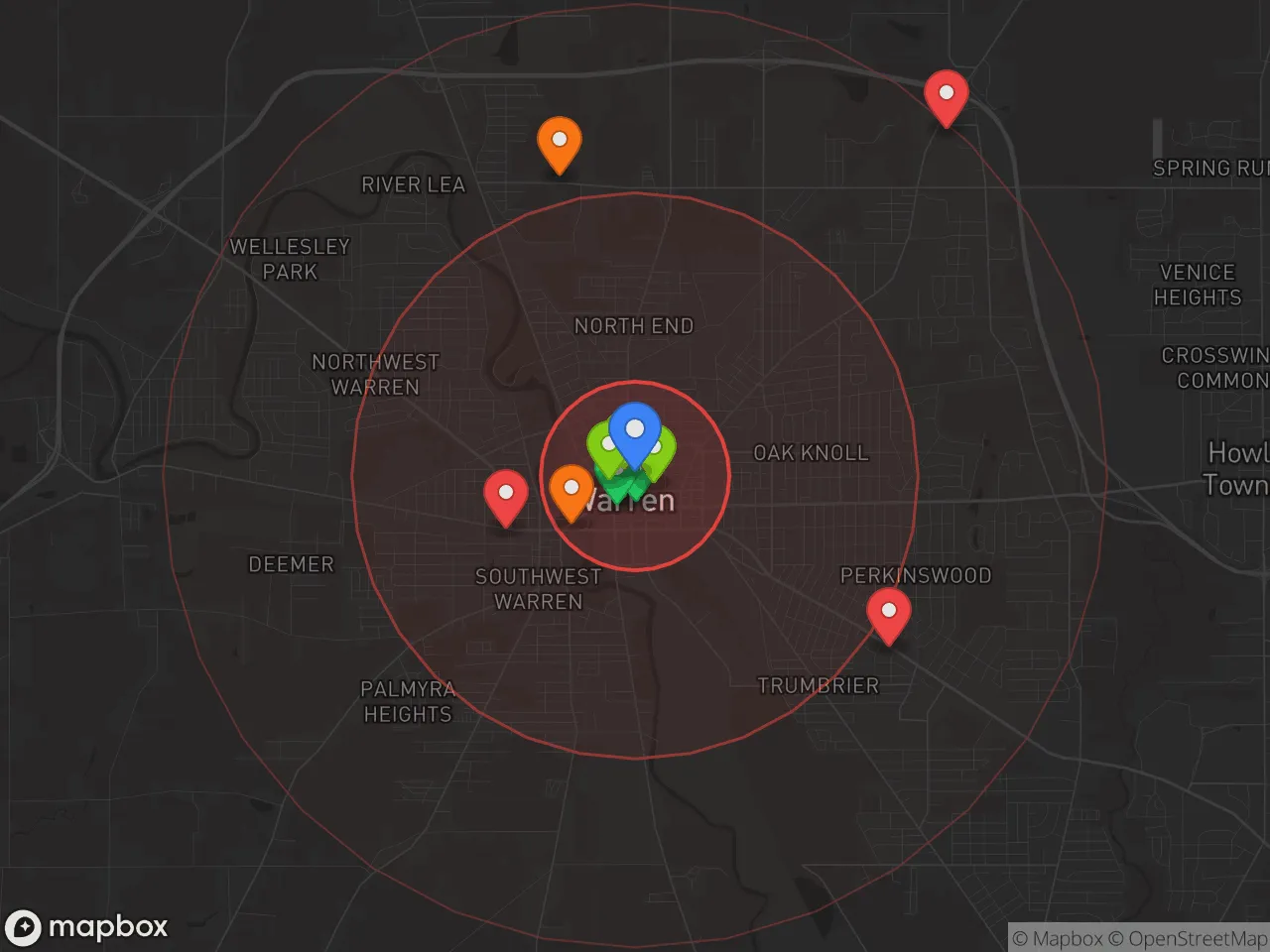
For those living in Warren, the day-to-day safety experience varies sharply by neighborhood. Residents in the central and southeast quadrants report higher instances of property crime, including package thefts and vehicle break-ins, while the more suburban western and northern edges see rates closer to the state average. The progressive judicial approach in Trumbull County means that repeat property offenders often receive probation or short jail terms, a reality that frustrates many homeowners and small business owners who feel the system prioritizes offender rehabilitation over victim restitution. Violent crime, while less common, is often concentrated in specific blocks and tied to domestic disputes or drug-related conflicts. The city’s police department has responded with targeted patrols and a community policing initiative, but the broader legal environment—where progressive prosecutors routinely seek alternatives to incarceration—undermines deterrence, according to local crime watch groups.
Neighborhood-level data shows that areas near the downtown core and along the Mahoning River corridor have the highest crime density, while outlying residential districts like Howland Township and parts of the northwest side are significantly safer. Prospective residents are advised to examine block-by-block crime maps and consider that the progressive justice policies of Trumbull County create a legal climate where property crime is more likely to go unpunished, directly impacting quality of life and property values. For those prioritizing safety, choosing a home in the city’s lower-crime pockets or in adjacent townships with more conservative law enforcement approaches is a practical strategy.
* Values derived from national, state, county, city and local statistics and may differ in a specific area. Last updated: 2026-04-21T19:38:34.000Z
Narrative content on this page is AI-generated and may contain mistakes. Verify any details that matter before acting on them.
ReloMaps may earn a commission from affiliate links at no extra cost to you.

