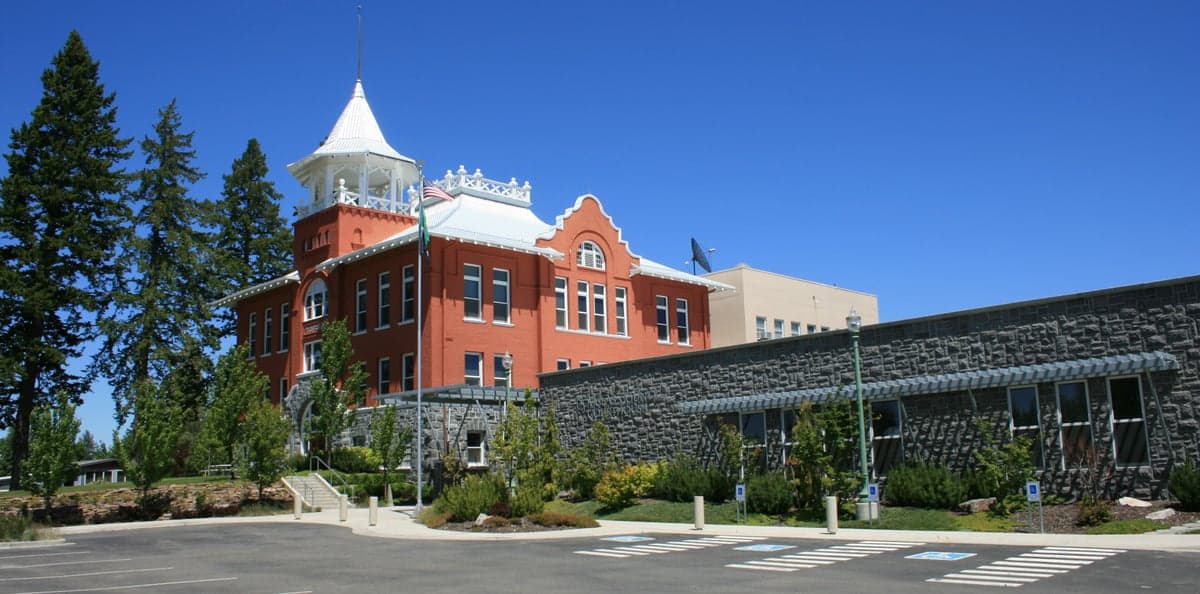
Photo: Wikipedia
Quality of Life in Douglas County
A livable area that tracks near national norms for affordability, walkability, and neighborhood health.
What does Quality of Life tell us?
Quality of Life measures an area by evaluating factors like cost of living, nearby amenities, country club access, airport proximity, socioeconomic signals and neighborhood character. For large states, this is a general average — quality of life can vary dramatically between metro areas, suburbs, and rural communities within the same state.
What does this tell us?
Quality of Life measures an area by evaluating factors like cost of living, nearby amenities, country club access, airport proximity, socioeconomic signals and neighborhood character. For large states, this is a general average — quality of life can vary dramatically between metro areas, suburbs, and rural communities within the same state.
Cost of Living
21% above national average
70%
The Real Cost of Living in Douglas County for 2026
| Tier | Individual | Family (4) |
|---|---|---|
| Survival | $20k | $37k |
| Comfortable | $78k | $115k |
| Luxury | $145k+ | $225k+ |
| Elite (Top 5%) | $175k+ | $271k+ |
Quality-of-Life Analysis
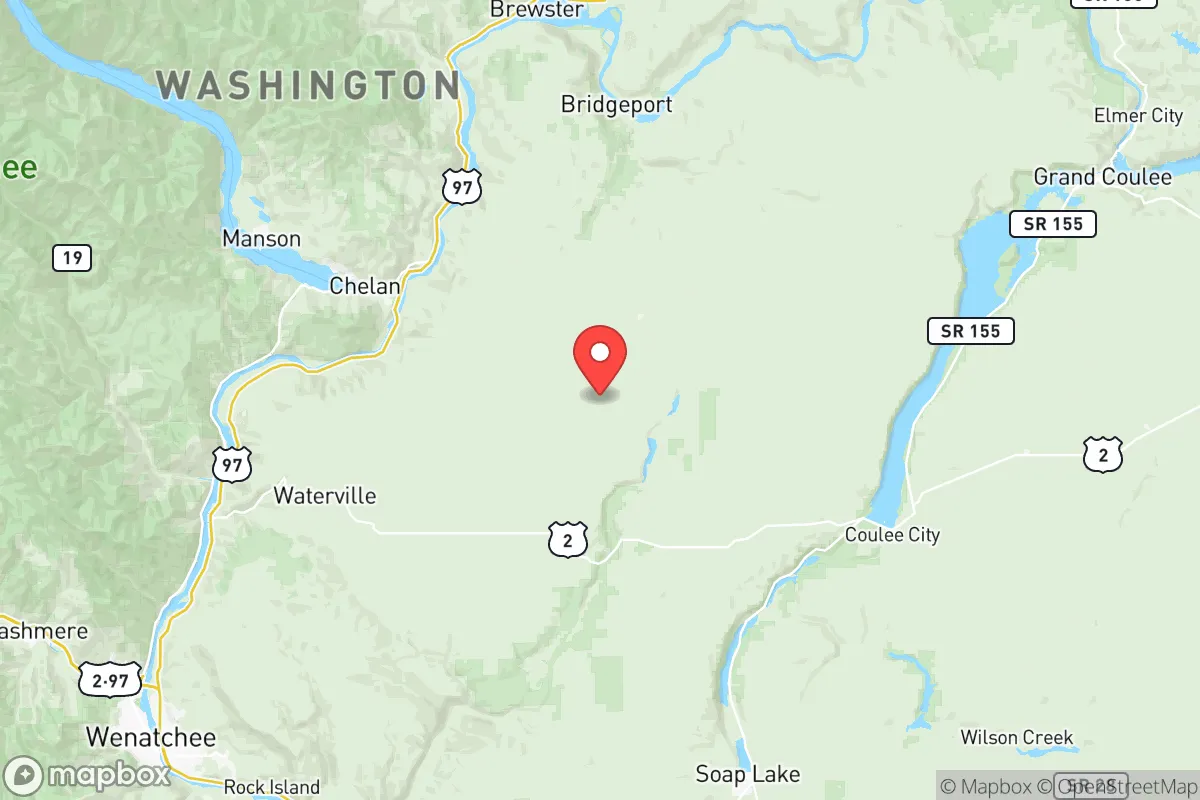
Douglas County, Washington, offers a quality-of-life spectrum that ranges from the Columbia River hub of East Wenatchee to the quiet, irrigated farmlands of towns like Waterville and Mansfield, attracting everyone from Seattle-area commuters seeking affordable riverfront living to multi-generational agricultural families and outdoor recreationists. The county’s character is defined by its position on the eastern slope of the Cascades, where the Columbia River cuts a deep valley through sagebrush steppe and wheat fields, creating distinct micro-environments within a 30-minute drive. People drawn to the county’s larger towns prioritize access to the Wenatchee Valley’s amenities and the river, while those settling in the smaller communities value land, privacy, and a slower pace tied to the region’s agricultural rhythms.
Largest town(s) & population centers
The county’s primary population center is East Wenatchee (pop. ~14,000), which functions as the eastern anchor of the Wenatchee Valley metro area. Daily life here revolves around the Columbia River waterfront, with the Apple Capital Loop Trail providing a 10-mile paved path for walking and cycling, and the Eastmont Aquatic Center serving as a community hub. The town offers a full range of big-box retail along Valley Mall Parkway, plus grocery stores, medical clinics, and the Eastmont School District, which consistently ranks among Washington’s top 20% for academic performance. The average commute of 21.6 minutes reflects the ease of crossing the river into Wenatchee for work or entertainment, though traffic on the George Sellar Bridge can back up during peak hours. Rock Island (pop. ~1,200), just downstream, is a smaller river town with a growing industrial base around the Rock Island Dam and a handful of riverfront parks, appealing to those who want proximity to East Wenatchee without the suburban density.
Smaller towns & rural pockets
Heading north and east, the landscape opens into the Waterville Plateau, where Waterville (pop. ~1,150) sits as the county seat. This is a working agricultural community surrounded by wheat fields and cattle ranches, with a historic downtown anchored by the Douglas County Courthouse and a handful of cafes and hardware stores. Further east, Mansfield (pop. ~320) is a true rural outpost near the Chief Joseph Wildlife Area, where residents often commute 30+ minutes to East Wenatchee for groceries and healthcare. The unincorporated area of Orondo, along the Columbia River north of East Wenatchee, offers a mix of orchards and riverfront homes, popular with retirees and second-home owners seeking water access without town taxes. Bridgeport (pop. ~2,400), technically in Douglas County’s northern tip, is a distinct community centered on the Bridgeport State Park and the Chief Joseph Dam, with a more isolated feel and a strong Hispanic agricultural workforce.
Cost & lifestyle range
The cost-of-living index of 121 (100 = U.S. average) places Douglas County above the national norm but significantly below the Seattle metro’s index of ~170. The spread within the county is notable: East Wenatchee and Rock Island command the highest home values, with a median of $402,900 and median rent of $1,234, reflecting demand from commuters and retirees. In contrast, Waterville and Mansfield offer home prices 20-30% lower, with many older farmhouses available under $250,000, though rental inventory is scarce. Lifestyle differences are stark: East Wenatchee residents enjoy walkable neighborhoods, a public library, and a Costco and Walmart within 10 minutes, while Waterville residents drive 25 minutes for a full-service grocery store and rely on septic systems and well water. The average commute of 21.6 minutes masks a wide range—East Wenatchee commuters average 15 minutes, while Mansfield residents often face 40-minute drives to the valley.
This county works best for people who value geographic diversity within a short drive: the ability to live on a working wheat ranch near Waterville while accessing river recreation and medical specialists in East Wenatchee. Families seeking good schools and suburban amenities will find the East Wenatchee area competitive with larger Washington cities, while those prioritizing land, quiet, and agricultural heritage will thrive in the plateau towns. The trade-off is clear—lower home prices in the rural pockets come with longer drives and fewer services, but the county’s compact size means no resident is more than 45 minutes from a major hospital or airport.

Crime in Douglas County
Crime rates similar to the national median for U.S. locations.
Violent CrimeViolent Crime Analysis
Property CrimeProperty Crime Analysis
Crime Analysis
Douglas County, Washington, presents a mixed safety profile that demands careful attention from potential residents. The county's violent crime rate of 283.6 per 100,000 residents sits below the national average but above the Washington state average, while its property crime rate of 1,964.4 per 100,000 significantly exceeds both state and national benchmarks. These figures, drawn from recent FBI data, indicate that while violent incidents are less common than in many parts of the country, property crime—particularly theft and burglary—is a persistent concern across the county's communities.
Crime in context
When compared to Washington state's overall violent crime rate of approximately 380 per 100,000, Douglas County's 283.6 figure is notably lower, placing it in a safer tier than many urbanized areas like King County. However, the property crime rate of 1,964.4 per 100,000 is roughly 30% higher than the state average of about 1,500 per 100,000 and nearly double the national rate of around 1,100 per 100,000. This disparity is driven largely by thefts from vehicles and residential burglaries, which are concentrated in the county's more populated corridors. The Douglas County Sheriff's Office, which patrols unincorporated areas, and the East Wenatchee Police Department have both reported increases in property crime since 2020, a trend mirrored in many rural and exurban counties across the Pacific Northwest.
What residents experience
Daily life in Douglas County varies sharply by location. The city of East Wenatchee, the county's largest municipality, experiences the highest concentration of both violent and property crime, with incidents often tied to retail theft along the Valley Mall Parkway corridor and occasional drug-related assaults. In contrast, Waterville, the county seat, and the smaller communities of Mansfield and Bridgeport report far fewer incidents, though their isolation means longer response times from law enforcement. Residents in Rock Island and Orondo frequently cite vehicle break-ins and agricultural equipment theft as recurring nuisances. The Douglas County Superior Court, which handles felony cases, has seen a backlog in property crime prosecutions, a factor that some residents attribute to a justice system that prioritizes rehabilitation over incarceration—a concern that is amplified by the progressive policies of the Chelan County Superior Court, which shares jurisdiction over some cross-county cases. This judicial philosophy, while well-intentioned, can result in reduced consequences for repeat offenders, directly impacting public safety and victim satisfaction.
Neighborhood-level variation
Within East Wenatchee, neighborhoods east of 9th Street NE and south of Grant Road tend to have higher crime rates, while areas near the Wenatchee River and along the foothills west of the city are generally safer. The unincorporated communities of Douglas and Palisades offer a quieter, rural lifestyle with minimal crime, though residents must travel 20-30 minutes for services. For those considering relocation, the safest options are the smaller towns and rural parcels, where property crime is less frequent and community watch programs are active. However, the county's overall property crime rate remains a red flag, and prospective residents should budget for security systems and comprehensive insurance, particularly if moving to East Wenatchee or the more accessible parts of the valley.
* Values derived from national, state, county, city and local statistics and may differ in a specific area. Last updated: 2026-08-22T22:15:00.000Z
Narrative content on this page is AI-generated and may contain mistakes. Verify any details that matter before acting on them.
ReloMaps may earn a commission from affiliate links at no extra cost to you.

