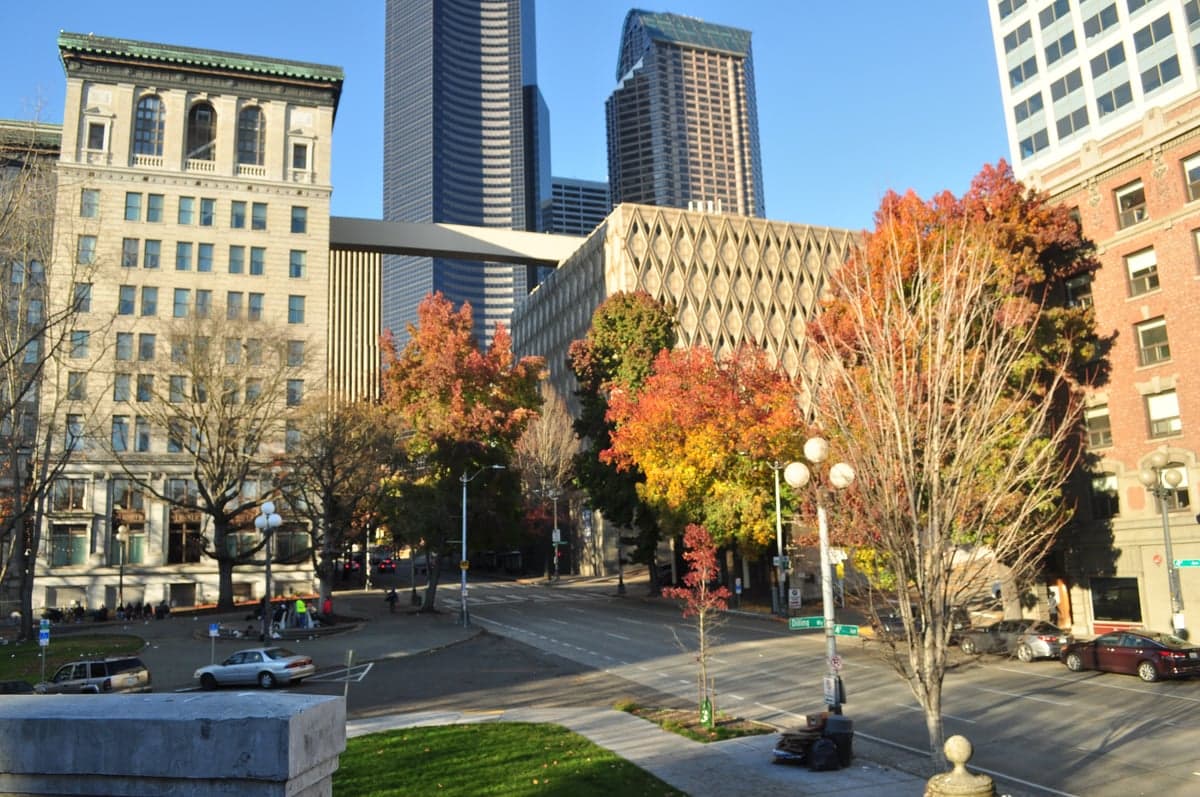
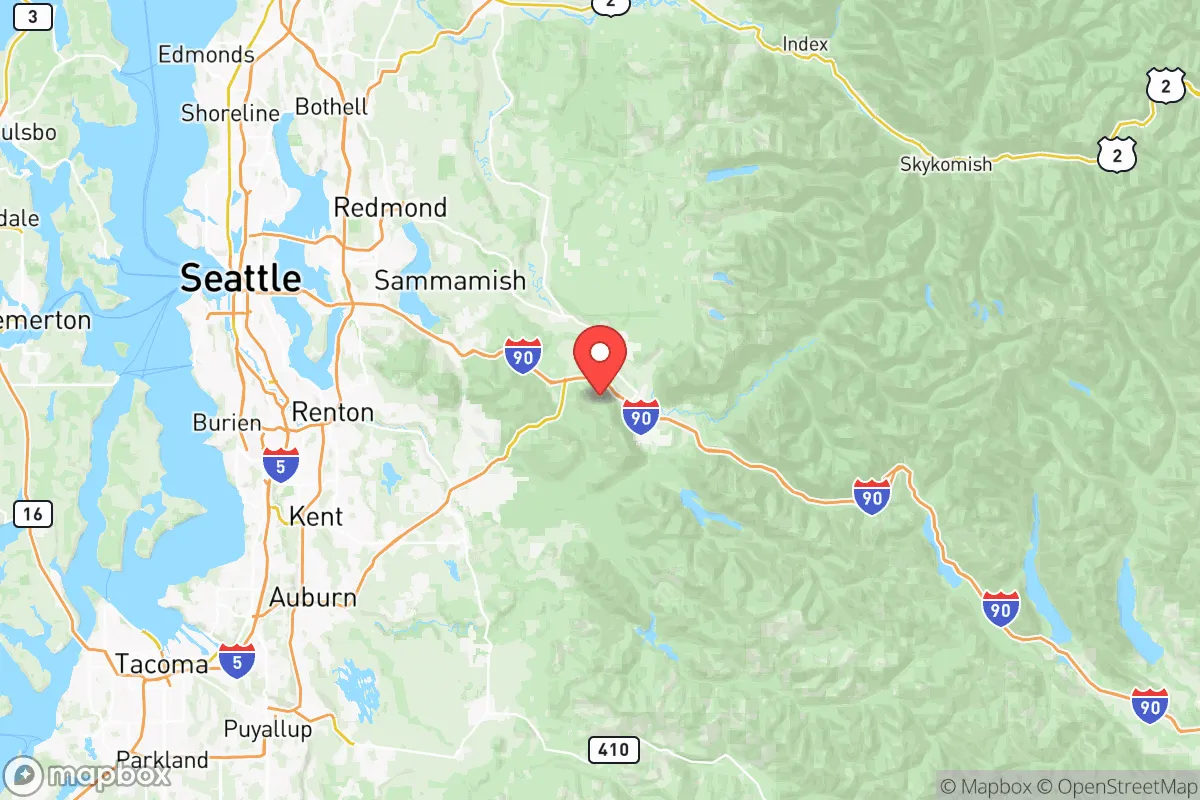
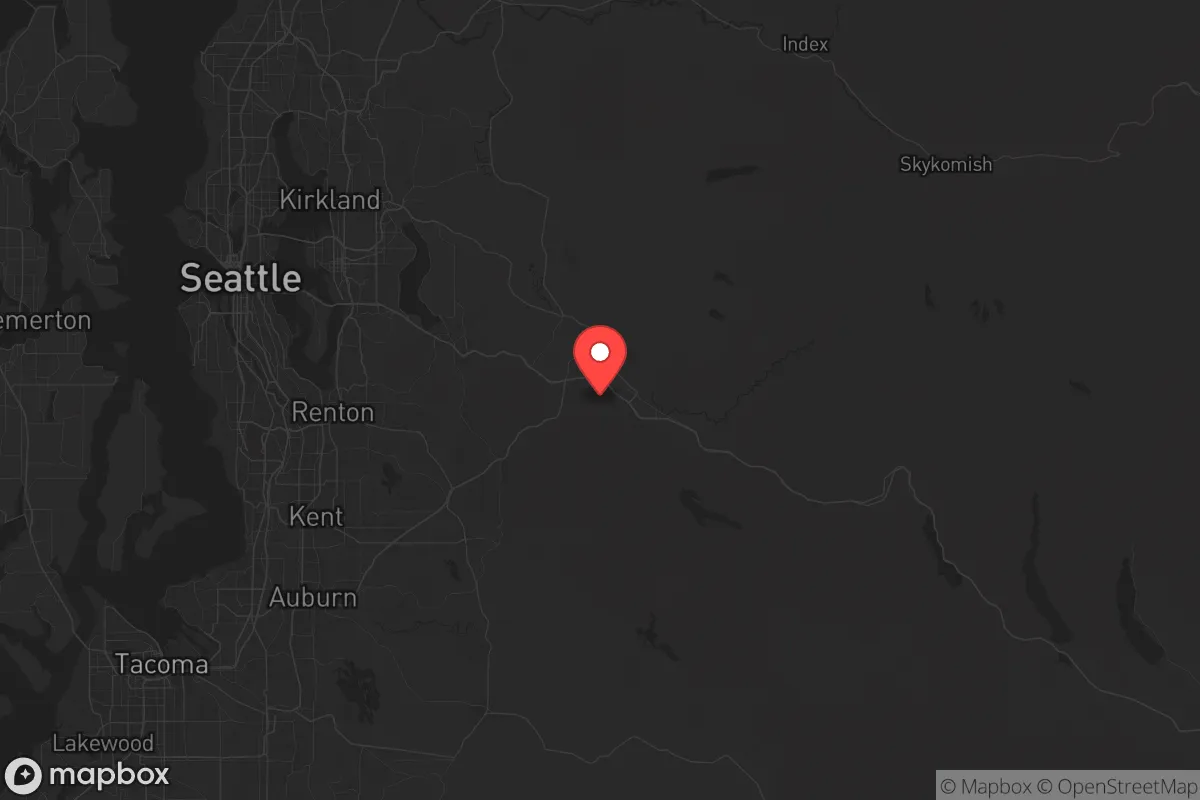
Photo: Wikipedia
Find The Best Places To Live in King County
PRO TIP! You can paste a Zillow or Redfin link to get info on that property.
Best Places to Live in King County
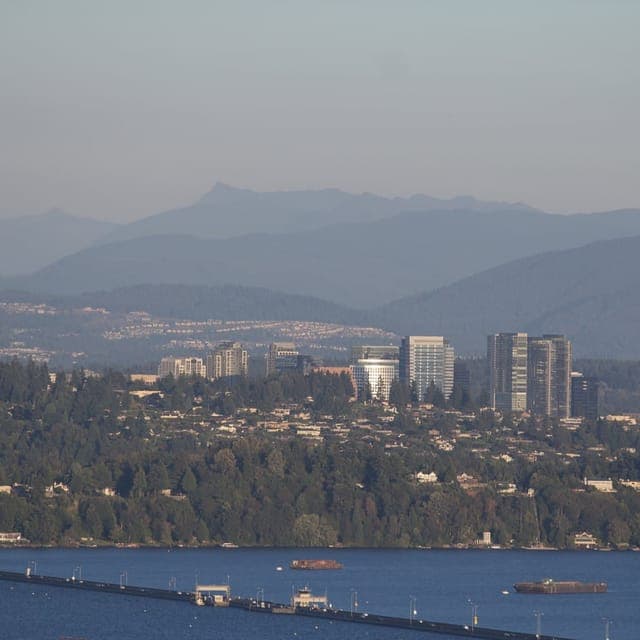
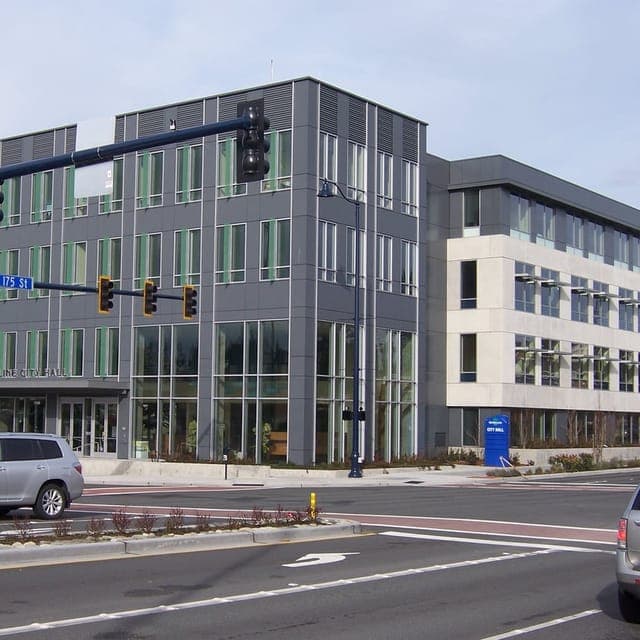
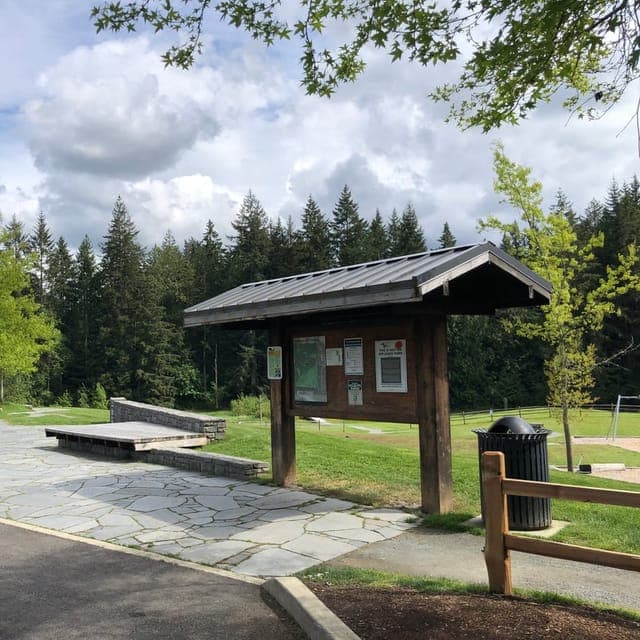
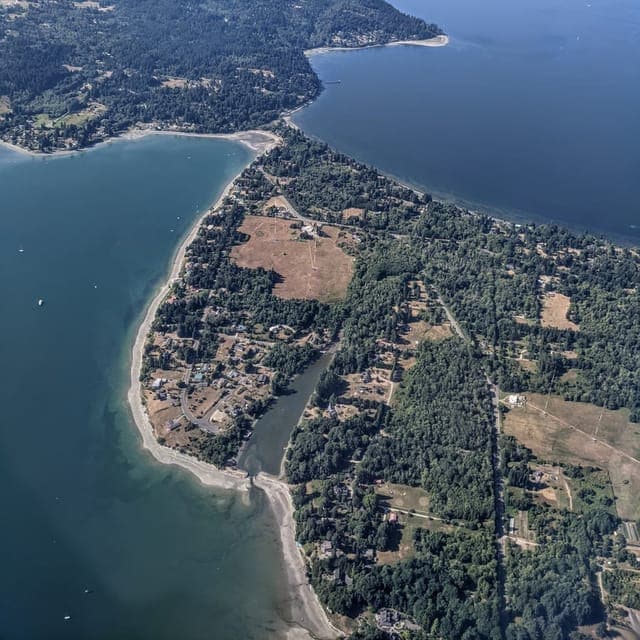
Cities & Towns in King County
Cities in King County
What It's Like Living in King County, WA
Living in King County means straddling two worlds at once: the hyper-urban energy of Seattle and the quiet, forested small towns that feel a hundred miles away even when they’re only thirty. It’s a place where you can catch a Sounders game at Lumen Field on a Saturday and be hiking a trail near North Bend by Sunday morning, but you’ll also pay a steep price for that convenience. For a conservative-leaning single person or parent looking at relocation, the county offers a mix of high-earning opportunity and genuine community feel in places like Sammamish or Maple Valley, but it also comes with a political and cultural landscape that leans heavily progressive, especially inside Seattle proper.
The Daily Rhythm: From Bellevue Boardrooms to Snoqualmie Weekends
For most people, daily life in King County revolves around work and the commute. The average commute clocks in at just over 28 minutes, but that number can feel optimistic if you’re driving from Issaquah into downtown Seattle during rush hour. The traffic on I-405 and I-90 is a genuine frustration for longtime residents, especially families who chose suburbs like Redmond or Kirkwood for the schools but still work in the city. Many parents structure their weeks around avoiding the worst of it—leaving before 7 a.m. or working hybrid schedules that let them stay local a few days. The county’s median income of $122,148 reflects the dominance of tech and aerospace jobs, but that number masks a sharp divide: a software engineer in Bellevue and a retail worker in Burien live in very different financial realities.
Weekends are where the county’s diversity shines. In the eastern foothills, families spend Saturday mornings at the Snoqualmie Falls or picking apples at a local orchard in Fall City. In the more suburban stretches of Kent and Covington, you’ll find packed youth soccer fields and church parking lots that double as community gathering spots. The county’s median age of 37.3 means a lot of parents in their thirties and forties, and the schools—especially in districts like Lake Washington and Issaquah—are a major reason people stay. They’re not just places to drop kids off; they’re the social hub for PTA meetings, Friday night football games, and booster club fundraisers.
Sports, Community, and the Things That Bring People Together
Sports are a bigger deal here than outsiders might expect. The Seattle Seahawks and Seattle Mariners dominate the pro scene, but the real local passion often runs through high school football in places like Bellevue (a perennial state powerhouse) and Eastside Catholic in Sammamish. Friday nights in the fall are a genuine ritual, with parents tailgating in school parking lots and the whole town showing up. For college sports, the University of Washington Huskies in Seattle draw huge crowds, but the rivalry with Washington State is more of a friendly jab than a bitter divide. If you’re a single person, the bar scene around Pioneer Square in Seattle or the breweries in Georgetown offer a younger crowd, but many singles in their thirties gravitate toward the more laid-back pub scene in Kirkland’s waterfront area.
Entertainment runs the gamut from world-class to hyper-local. The big festivals—Bumbershoot, the Seattle International Film Festival, and the Washington State Fair in Puyallup (just south of the county line)—draw crowds from all over. But the real gems are the smaller ones: the Issaquah Salmon Days Festival every October, the Snoqualmie Railroad Days, and the quirky Duvall Days celebration. For outdoor types, the county’s parks are a massive draw. Discovery Park in Seattle is the urban classic, but the real escape is the Alpine Lakes Wilderness near North Bend, where you can hike to a lake and see maybe a dozen people all day. The cost of living index of 220 means you pay for that access, though—a median home value of $811,200 pushes many families toward Auburn or Enumclaw, where you can still find a house with a yard under $700,000.
Pros and Cons: What Longtime Residents Love and What Frustrates Them
Ask anyone who’s lived here a decade what they love, and they’ll start with the natural beauty and the economic opportunity. The job market is genuinely world-class, especially if you’re in tech, aerospace, or healthcare. The schools in the eastern suburbs are excellent, and the variety of things to do—from whale watching in Puget Sound to skiing at Snoqualmie Pass—is hard to beat. But the frustrations are just as real. The violent crime rate of 281.8 per 100,000 is higher than the national average, and while it’s concentrated in certain parts of Seattle and Tukwila, it’s a concern for families looking at urban neighborhoods. The weather is another honest downside: the gray, drizzly stretch from November through February wears on people who aren’t used to it, and seasonal affective disorder is a real topic of conversation among locals.
Politically, King County is a blue stronghold, and that can feel isolating for conservative-leaning residents. In Seattle proper, you’ll find few openly conservative social circles, but the suburbs and rural areas—especially east of the lake in places like Carnation and Fall City—have a more mixed political landscape. Many conservative families find their community through churches, gun clubs, or homeschool co-ops rather than through neighborhood block parties. The county’s 55.9% college-educated rate means conversations can skew academic and progressive, but the rural pockets and exurbs offer a quieter, more traditional pace of life. The key is picking the right city: Sammamish for top-tier schools and a family-focused vibe, Maple Valley for a more affordable entry point, or North Bend if you want space and don’t mind a longer commute.

* Values derived from national, state, county, city and local statistics and may differ in a specific area. Last updated: 2026-05-24T06:22:55.000Z
Narrative content on this page is AI-generated and may contain mistakes. Verify any details that matter before acting on them.
ReloMaps may earn a commission from affiliate links at no extra cost to you.

