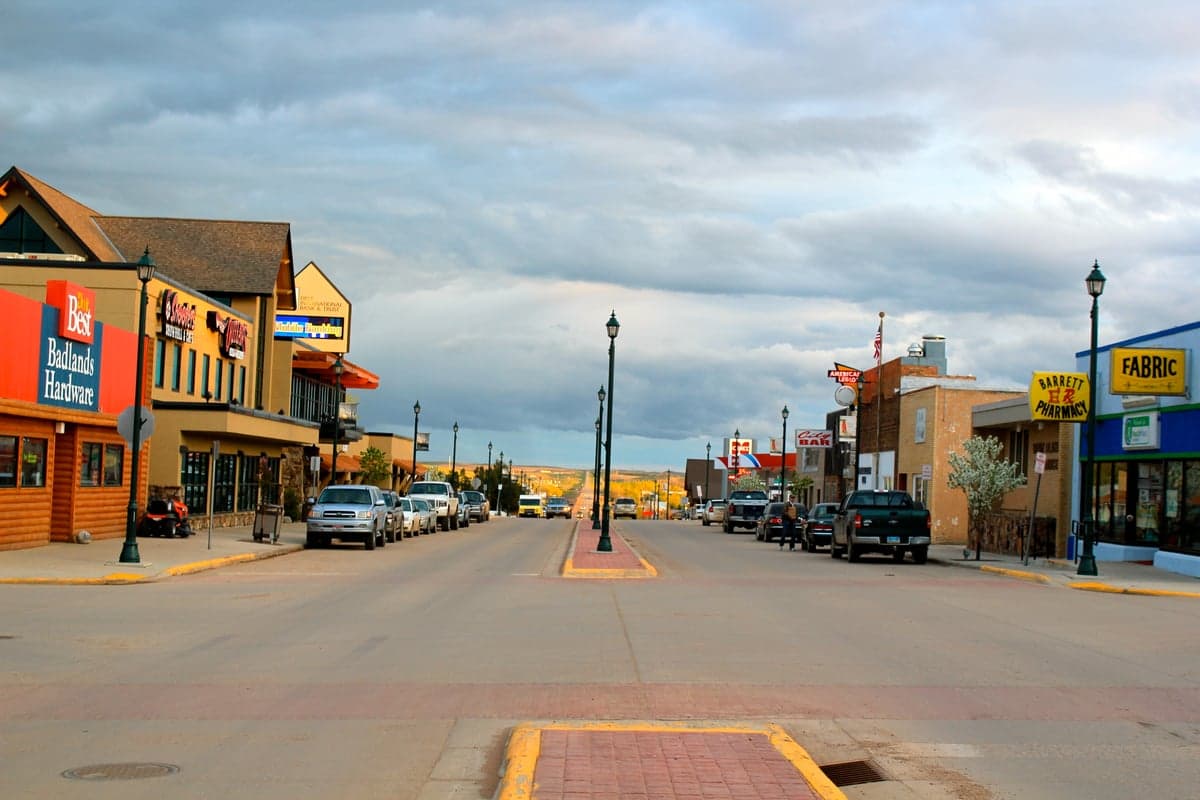
Photo: Wikipedia
Political ClimatePolitical Climate in Watford City, ND
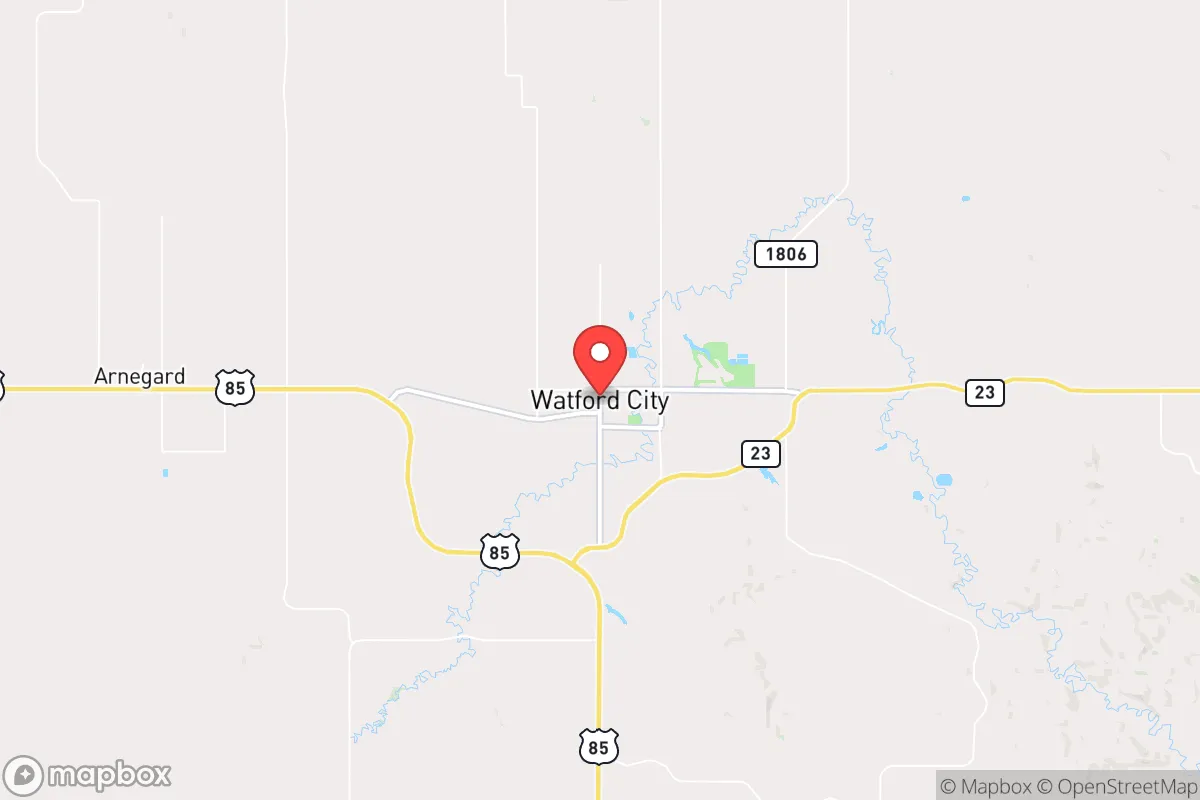
District shown is the primary district for this city’s centroid. Cities may span multiple districts.
Inherited from parent state — no local data available.
Local Political AnalysisPolitical Analysis of Watford City, ND
Watford City leans heavily conservative, and that’s not changing anytime soon. The area’s Cook PVI of R+18 tells you what you need to know—this is deep-red territory, and it’s been that way for generations. But if you’ve been around here long enough, you’ve seen the political winds shift in subtle ways, especially as the oil boom brought in folks from all over. The core values—limited government, personal responsibility, and a healthy skepticism of federal overreach—are still rock solid, but there’s a growing tension between the old-timers who remember when Watford City was a sleepy farm town and the newcomers who might not fully grasp what makes this place tick.
How it compares
Drive an hour east to Minot, and you’ll find a similar conservative bent, though Minot’s larger Air Force base presence gives it a slightly more transient, less rooted feel politically. Head south to Dickinson, and it’s the same story—R+18 or thereabouts—but with a stronger ranching influence that keeps the politics even more libertarian-leaning. The real contrast is with places like Fargo or Grand Forks, where you see more progressive pockets, especially around the universities. Watford City doesn’t have that. We don’t have a college campus pushing woke ideology or a city council debating defunding the police. What we have is a community that still believes in the Second Amendment, low taxes, and the right to live your life without a bureaucrat in Bismarck telling you how to do it. The surrounding McKenzie County is even more conservative than the city itself, with a strong ranching culture that views any government expansion as a direct threat to their way of life.
What this means for residents
For the people who call Watford City home, the political climate means you can still breathe. There’s no city ordinance banning gas stoves or mandating compost bins. The local government is focused on practical stuff—roads, schools, and keeping up with the infrastructure demands of the oil patch—not social engineering. You won’t see mask mandates or vaccine passports being pushed here, and the school board isn’t trying to sneak critical race theory into the curriculum. That’s a big deal for families. The downside? As the population grows, you do see more pressure from outside groups—environmental activists, federal regulators—trying to impose their will on the energy industry that keeps this town alive. It’s a constant fight to keep the feds out of your business, whether it’s land use, water rights, or drilling permits. Most residents here would rather deal with a boom-and-bust economy than a slow, steady slide into government dependency.
One thing that sets Watford City apart is the cultural pride in self-reliance. You see it in the way people handle the harsh winters—no one’s waiting for a government handout to plow their driveway. There’s a strong sense that your freedom is your own responsibility. The local churches and community groups are the real safety net, not some state program. That said, there’s a quiet worry among long-time residents that the influx of out-of-state workers during the oil boom could dilute that independent spirit over time. If you’re looking for a place where the government stays out of your way and your neighbor’s business is their own, Watford City is still that place. But keep an eye on the city council elections—that’s where the real battles are fought, and where the future of this town’s freedom will be decided.

State Political ClimatePolitical Climate in North Dakota
State Political AnalysisPolitical Environment in the State
North Dakota is a deeply red state, but it’s not the monolith outsiders often assume. The state has voted Republican in every presidential election since 1968, and in 2024, Donald Trump carried it by roughly 20 points. However, the political energy here is less about national culture wars and more about a pragmatic, live-and-let-live conservatism that’s been shifting under the surface for the last decade. The old-school, farm-cooperative, moderate Republicanism that dominated through the 2000s is giving way to a harder-edged, freedom-first populism, driven by the oil boom in the west and a growing distrust of federal overreach. If you’re looking for a place where the government mostly stays out of your business, this is still one of the best bets in the country, but you need to understand the fault lines.
Urban vs. rural divide
The political map of North Dakota is a classic rural-urban split, but with a twist. The eastern corridor, anchored by Fargo and Grand Forks, is the state’s population center and its most moderate region. Fargo, home to North Dakota State University and a growing tech and healthcare sector, has a noticeable suburban-liberal streak in its city council and school board races. Cass County, which includes Fargo, has been known to vote slightly more centrist in state legislative races, though it still goes red in presidential elections. In contrast, the western half of the state, driven by the Bakken oil fields, is where the real conservative energy lives. Williston, Watford City, and Dickinson are boomtowns that have attracted a younger, more libertarian-leaning workforce. These areas are fiercely pro-energy, pro-gun, and deeply skeptical of any regulation coming from Bismarck or Washington. The rural counties in between—places like McLean County and Mercer County—are reliably red, but they’re also shrinking, which means their political influence is slowly waning as the Fargo metro grows. The real divide isn’t between red and blue; it’s between the old-school, cooperative Republicanism of the east and the new, confrontational, freedom-focused conservatism of the west.
Policy environment
North Dakota’s policy environment is a mixed bag for a conservative. On the plus side, there’s no state income tax, and the state has a massive budget surplus thanks to oil revenue, which keeps property taxes relatively low compared to the coasts. The regulatory posture is generally light-touch, especially for energy and agriculture. The state legislature, which meets biennially, has passed a series of pro-life laws, including a near-total abortion ban triggered after the Dobbs decision, with exceptions only for rape, incest, and the life of the mother. On education, the state has a robust school choice program through open enrollment and charter schools, though it’s not as expansive as some southern states. The big red flag for many conservatives is the healthcare landscape. North Dakota expanded Medicaid under the Affordable Care Act in 2013, and that decision has been a point of contention ever since. The state also has a relatively high rate of government employment, particularly in the eastern cities, which creates a small but persistent voting bloc that leans left on public-sector issues. Election laws are solid: voter ID is required, and there’s no widespread mail-in voting abuse, though the state did expand absentee voting during COVID, which some locals still grumble about.
Trajectory & freedom
Over the last five years, North Dakota has been on a trajectory of expanding personal freedom, but not without some worrying backsliding. The most significant positive move was the passage of Constitutional Carry (HB 1349) in 2021, which allows any legal resident to carry a concealed firearm without a permit. That was a huge win for gun rights. On parental rights, the legislature passed a bill in 2023 that requires schools to notify parents if their child requests a name or pronoun change, and it bans instruction on gender identity in K-3 classrooms. That’s a strong step. However, there are concerning trends. The state’s Medical Marijuana Program, passed by ballot initiative in 2016, remains heavily restricted—only a handful of dispensaries operate, and qualifying conditions are narrow. There’s also been a push from some local governments, particularly in Fargo, to impose mask and vaccine mandates during public health emergencies, which the state legislature has tried to preempt but hasn’t fully succeeded in stopping. Property rights are generally strong, but the state’s use of eminent domain for pipeline projects—like the Dakota Access Pipeline—has left a bitter taste for some landowners. Overall, the state is moving in a freer direction on guns and education, but healthcare and local mandates remain a battleground.
Civil unrest & political movements
North Dakota has seen its share of political flashpoints, most notably the Standing Rock protests in 2016-2017, which drew thousands of activists from across the country to oppose the Dakota Access Pipeline. That event was a watershed moment, exposing a deep rift between the state’s pro-energy establishment and a coalition of Native American tribes, environmentalists, and out-of-state left-wing activists. The state government, under then-Governor Jack Dalrymple, responded with a heavy-handed crackdown that included mass arrests and the use of military-style equipment, which still rankles civil libertarians on both sides. More recently, there’s been a quieter but persistent movement around election integrity. In 2021, the legislature passed a bill requiring all ballots to be returned by Election Day, eliminating the three-day grace period for mail-in ballots that had been in place during COVID. That was a win for conservatives who worried about fraud. On the left, there’s a small but vocal activist scene in Fargo and Grand Forks, focused on racial justice and LGBTQ rights, but it hasn’t gained much traction outside the university towns. Immigration is a non-issue here—the state has one of the smallest foreign-born populations in the country, and there’s no sanctuary city movement to speak of. The biggest political movement you’ll notice is the “Bismarck vs. the Feds” sentiment, which is strong and growing, especially among ranchers and oil workers who feel the federal government is constantly trying to regulate them out of existence.
Projection
Looking ahead 5-10 years, North Dakota is likely to become more conservative, but also more internally divided. The Fargo metro is growing, and with it comes a younger, more diverse population that leans slightly left on social issues. That will create a persistent blue-ish pocket in the east, but it won’t flip the state. The real story is the western oil counties, which are attracting a wave of in-migration from other red states—Texas, Oklahoma, Wyoming—bringing an even more libertarian, anti-government ethos. These new arrivals are pushing the state GOP to the right, especially on issues like federal land management and energy regulation. The state’s population is aging and rural areas are shrinking, which means the political center of gravity will continue to shift toward the oil patch. Expect more legislation on school choice, further restrictions on abortion, and a continued push to nullify federal gun laws. The biggest wildcard is the state’s budget: oil revenue is volatile, and if prices crash, the state could face a fiscal crisis that forces tax increases or spending cuts, which would test the conservative consensus. For now, though, the trajectory is clear: North Dakota is doubling down on its red identity, and anyone moving here should expect a state that values individual liberty, local control, and a healthy skepticism of government power.
For a new resident, the bottom line is this: North Dakota offers a high degree of personal freedom, low taxes, and a government that mostly stays out of your way, especially if you live outside the Fargo metro. You’ll find strong gun rights, parental control in schools, and a culture that values self-reliance. But you’ll also have to accept a healthcare system shaped by Medicaid expansion, a volatile oil-dependent economy, and a growing tension between the old-school, cooperative conservatism of the east and the new, confrontational libertarianism of the west. If you’re looking for a place where you can live your life without much interference, this is still one of the best options in the country—just keep an eye on Bismarck, because the fight over how much freedom is enough is far from over.
* Values derived from national, state, county, city and local statistics and may differ in a specific area. Last updated: 2026-04-19T05:26:52.000Z
Narrative content on this page is AI-generated and may contain mistakes. Verify any details that matter before acting on them.
ReloMaps may earn a commission from affiliate links at no extra cost to you.

