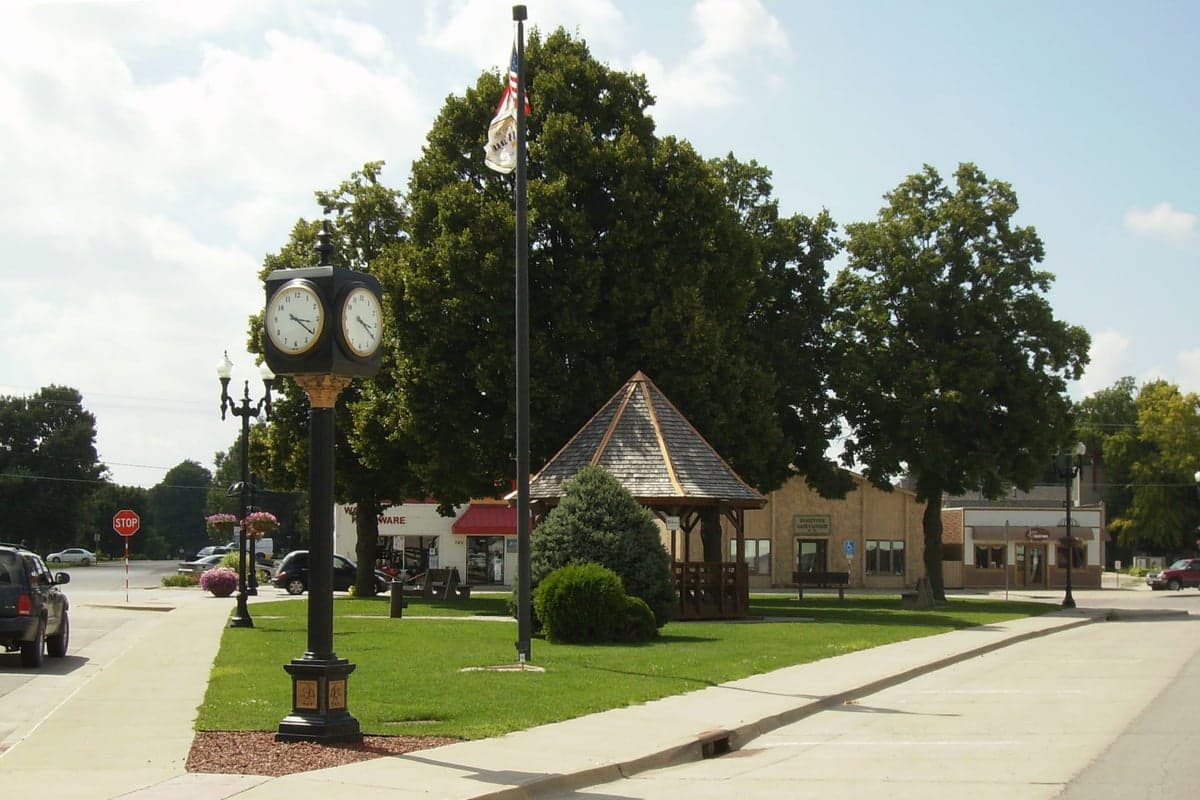
Photo: Wikipedia
Quality of Life in Waukee, IA
A high quality of life with strong walkability, manageable living costs, healthy neighborhood signals, and solid amenity access.
What does Quality of Life tell us?
Quality of Life blends cost of living, nearby amenities, socioeconomic signals, and neighborhood character. City-level scores represent the whole municipality; individual neighborhoods can differ.
What does this tell us?
Quality of Life blends cost of living, nearby amenities, socioeconomic signals, and neighborhood character. City-level scores represent the whole municipality; individual neighborhoods can differ.
Cost of Living
13% above national average
The Real Cost of Living in Waukee, IA for 2026
| Tier | Individual | Family (4) |
|---|---|---|
| Survival | $21k | $39k |
| Comfortable | $64k | $94k |
| Luxury | $169k+ | $262k+ |
| Elite (Top 5%) | $199k+ | $308k+ |
114%
The Area Signal
A metric tracking the socioeconomic signals of the area.
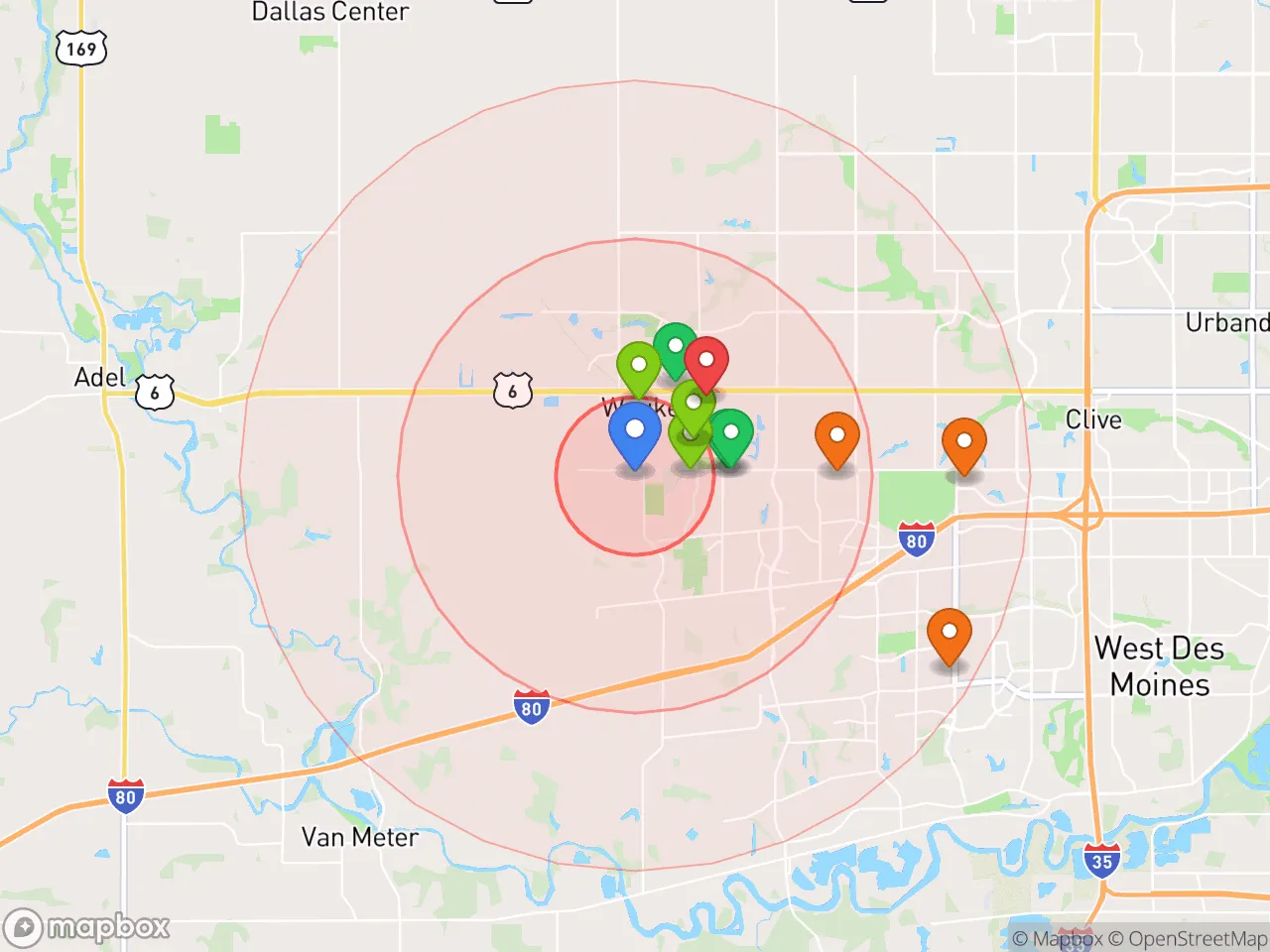
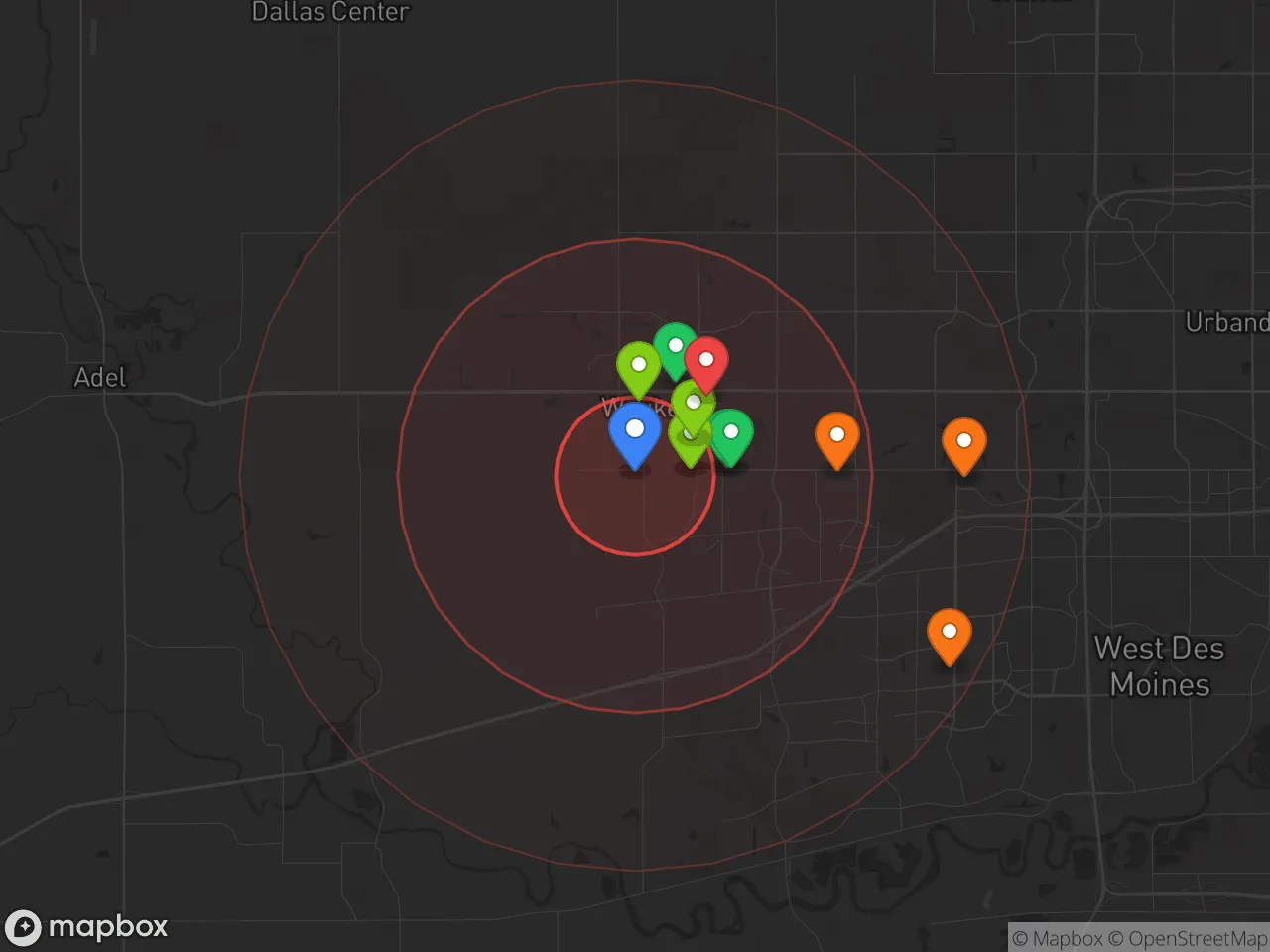
Hobbies
Explore the areaGroceries
6 within 10 miles
Gas
20 within 10 miles
Hospital
12 within 20 miles
Airport
MCI — Kansas City International
Post Office
USPS — Waukee, IA
Critical Amenities
Quality-of-Life Analysis
Waukee, Iowa, is a fast-growing western suburb of Des Moines that has become one of the state's most desirable communities for families and professionals seeking a high quality of life. With a cost of living index of 113 (13% above the U.S. average), the city attracts residents who prioritize excellent schools, new housing, and a safe environment over rock-bottom expenses. The population skews young and affluent, with a median age around 34 and a high proportion of married couples with children, reflecting the area's reputation as a family-first suburb.
How housing costs and affordability compare to Des Moines and West Des Moines
Waukee's housing market is notably more expensive than the national median but remains competitive within the Des Moines metro. The median home value sits at $328,200, significantly higher than the U.S. median of roughly $350,000 but still below the most expensive suburbs like West Des Moines, where comparable homes often exceed $400,000. Median rent in Waukee is $1,290, which is about $100 more than in Des Moines proper but $200 less than in nearby Ankeny. The trade-off for this premium is access to newer construction—over 60% of Waukee's housing stock was built after 2000—and larger lot sizes than what you'd find in older, denser suburbs. The average commute of 19.5 minutes is a key selling point: it's short enough to allow for family dinners and extracurriculars, yet long enough to separate daily life from the urban core. Property taxes in Dallas County run about 1.8% of assessed value, slightly above the state average, but the lack of a state income tax on retirement income helps offset this for older buyers.
What daily life is like for families: schools, parks, and local amenities
Daily life in Waukee revolves around the highly rated Waukee Community School District, which serves over 12,000 students and consistently ranks among Iowa's top 10 districts for test scores and college readiness. The district's Waukee Innovation and Learning Center (WILC) offers career-focused tracks in engineering, health sciences, and IT, drawing families who value future-ready education. Outside of school, the city maintains over 30 parks and 50 miles of trails, with the Raccoon River Valley Trail providing a paved route into downtown Des Moines. The Waukee Family YMCA and the Centennial Park splash pad are popular gathering spots. Retail and dining are concentrated along Hickman Road and the new Waukee Marketplace, which includes a Fareway grocery, local coffee shops, and chain restaurants. The city's annual WaukeeFest and summer concert series at the Waukee Amphitheater anchor the social calendar. For daily errands, most residents drive 10 minutes to West Des Moines for big-box shopping at Jordan Creek Town Center or to the Des Moines International Airport (25 minutes).
Waukee is best suited for families and professionals who value top-tier schools, short commutes, and a suburban lifestyle with strong community infrastructure. Empty-nesters and retirees may find the tax burden and home prices less appealing than smaller Iowa towns, while young singles might prefer the nightlife and rental options in Des Moines proper. For those who can afford the premium, Waukee offers a predictable, amenity-rich environment where daily life is convenient and future resale values are supported by steady population growth—the city has doubled in size since 2010 to over 28,000 residents.

Crime in Waukee, IA
Lower crime rates than 89% of comparable U.S. locations.
Violent CrimeViolent Crime Analysis
Property CrimeProperty Crime Analysis
Crime Analysis
Waukee, Iowa, is one of the safest cities in the Des Moines metro area, with violent crime rates significantly below both state and national averages. The city recorded a violent crime rate of 141.2 per 100,000 residents, which is roughly 60% lower than the U.S. average of 380 per 100,000. Property crime in Waukee stands at 618.3 per 100,000, also well under the national benchmark of approximately 1,950 per 100,000, making it a consistently low-risk suburb for families and professionals.
Crime in context
Waukee’s crime numbers place it among the safest communities in Dallas County and the broader Des Moines-West Des Moines metropolitan area. The violent crime rate of 141.2 per 100,000 is less than half the Iowa state average of roughly 280 per 100,000, and property crime at 618.3 per 100,000 is about one-third the national rate. However, it is important to note that Waukee falls under the jurisdiction of Dallas County courts and the broader Polk County judicial system for some metro-area cases. Progressive prosecutorial policies in larger metro counties—including neighboring Polk County—have been linked to lower incarceration rates and higher recidivism, which can indirectly affect suburban safety. While Waukee itself maintains low crime, residents should be aware that liberal-leaning district attorneys in the region may prioritize diversion programs over incarceration, potentially allowing repeat offenders back onto the streets.
What residents experience
Most Waukee residents report feeling safe walking their neighborhoods and using local parks, even after dark. The city’s low violent crime rate means incidents like robbery, assault, and homicide are rare. Property crime, while higher than violent crime, is still well below national norms and typically involves theft from vehicles or unlocked garages rather than burglary or arson. The Waukee Police Department emphasizes community policing and rapid response, which helps maintain public confidence. However, because Waukee is part of a large metro area, it is not immune to spillover crime from Des Moines or West Des Moines, particularly property crimes committed by individuals traveling from higher-crime areas.
Neighborhood-level variation in Waukee is minimal but worth noting. Newer subdivisions on the city’s west and north sides, such as those near the Waukee High School and the Kettlestone development, tend to have the lowest incident rates. Older areas closer to the historic downtown and along the Highway 6 corridor see slightly more property crime, though still at levels far below metro averages. Overall, Waukee’s crime profile is excellent for a suburb of its size, but residents should remain vigilant about vehicle security and be aware that regional justice policies may influence long-term safety trends.
* Values derived from national, state, county, city and local statistics and may differ in a specific area. Last updated: 2026-10-10T16:29:20.000Z
Narrative content on this page is AI-generated and may contain mistakes. Verify any details that matter before acting on them.
ReloMaps may earn a commission from affiliate links at no extra cost to you.

