Photo: Wikipedia
Strategic Assessment of Waverly, NE
Meaningful friction. Expect exposure to either population pressure, blast zones, or natural disaster risk. Consider buying a retreat property.
What does the Strategic Assessment tell us?
Our Strategic Assessment grades tactical survivability of an area. Major population centers, military targets, fallout zones, natural disasters, and border exposure all drive risk — lower exposure means a more defensible position in a crisis.
This is heavily inspired by Joel Skousen's Strategic Relocation book. Highly recommended you checkout the book ($)What does this tell us?
Our Strategic Assessment grades tactical survivability of an area. Major population centers, military targets, fallout zones, natural disasters, and border exposure all drive risk — lower exposure means a more defensible position in a crisis.
This is heavily inspired by Joel Skousen's Strategic Relocation book. Highly recommended you checkout the book ($)Strategic Pillars

Key Distances
Regional Safe Places
Below is our recommended "safe zones" in Nebraska and the surrounding area based on our strategic heuristics. For most people, it's unrealistic to live in a “safe zone” full-time due to work, family or other personal reasons. They tend to be more rural. However, many of these areas are perfect for second homes and retreat properties that double as a vacation home or even a short-term rental.
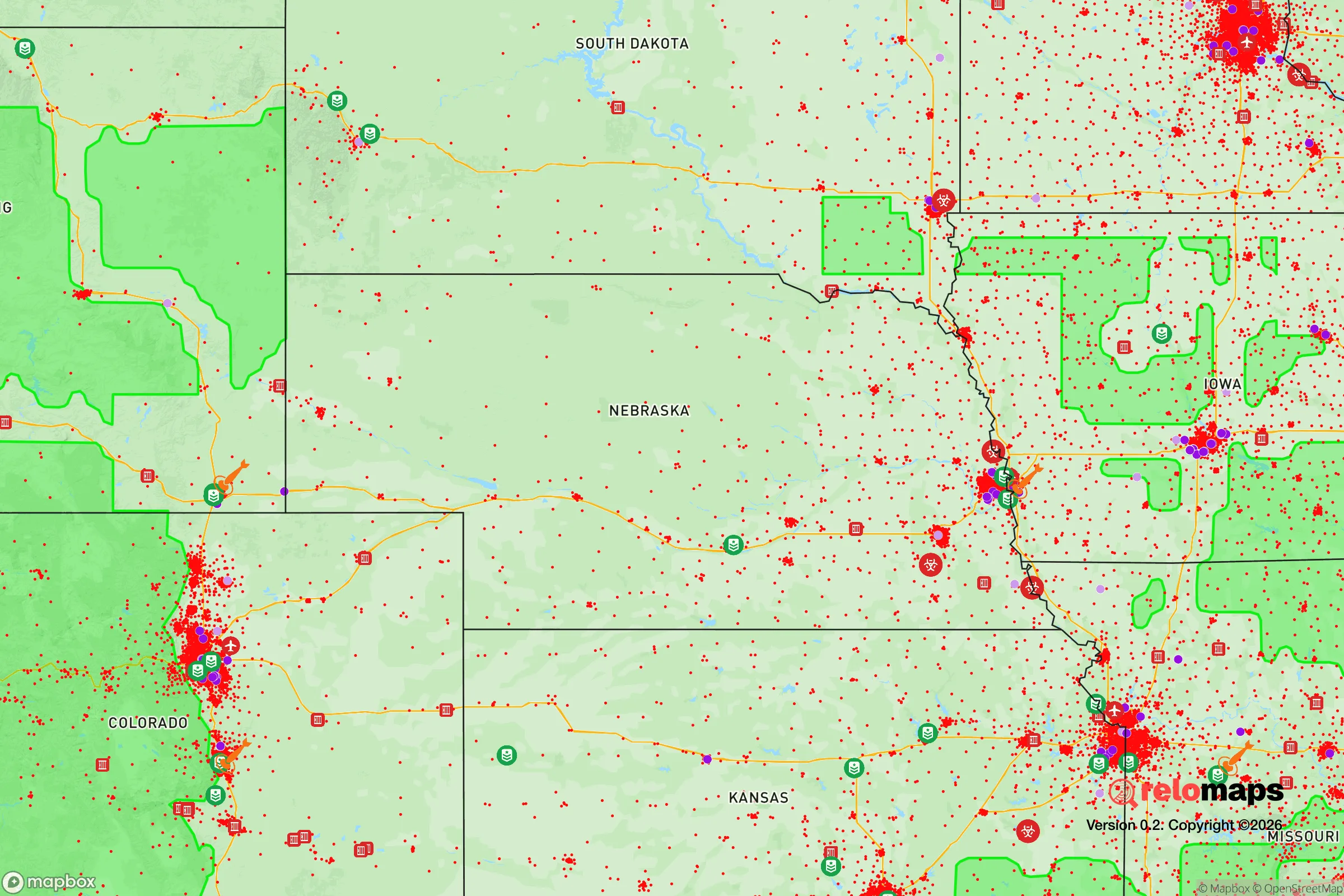
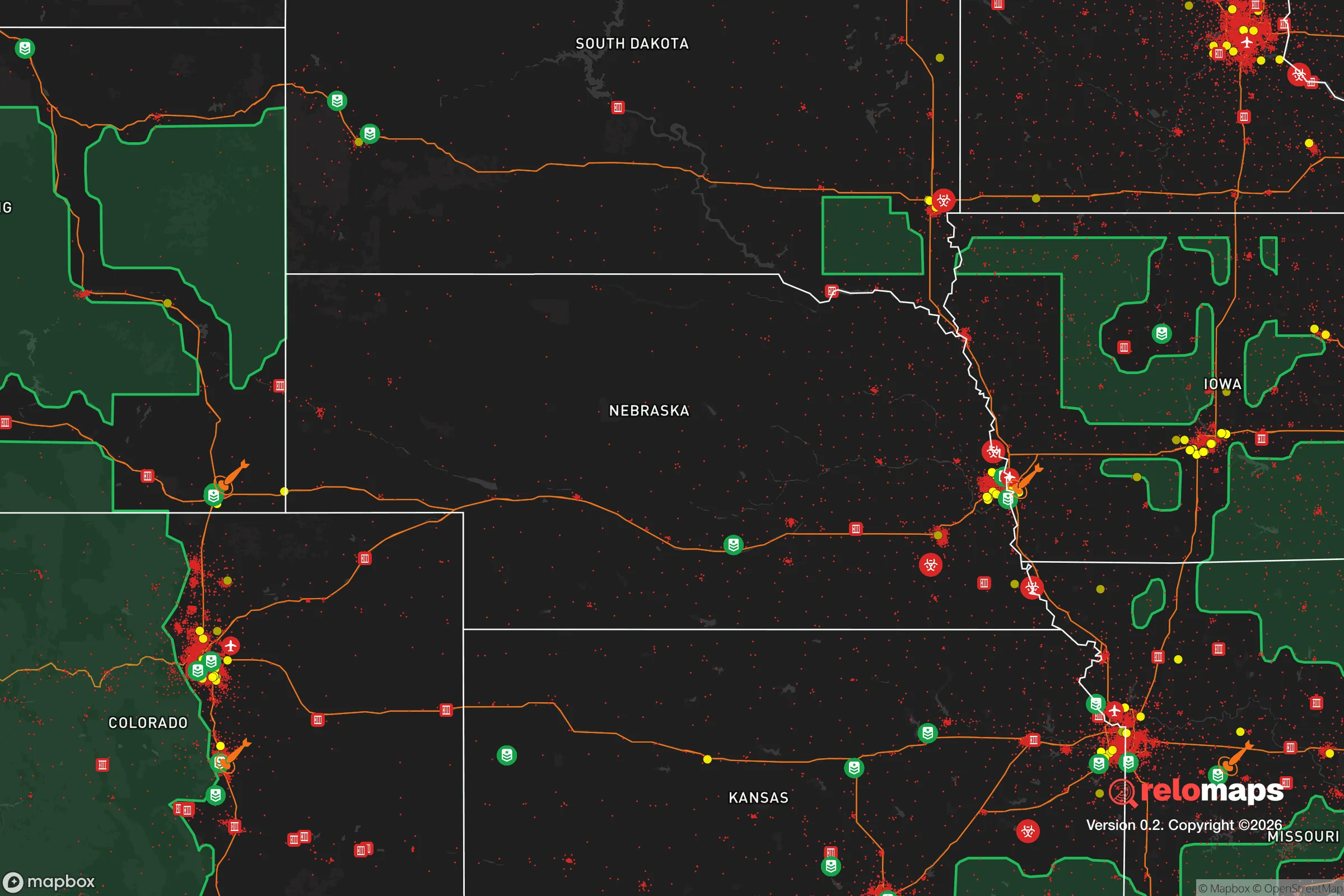


Important Note: For informational purposes only. This does not mean nothing bad ever happens in the green zones. Please use common sense. This is based on public data and modeled with AI. We tried to take a conservative approach but mistakes happen. We update this regularly as new information becomes available.
Solar Generator Recommendations
Backup power matters more here than in safer locations. We've picked three solar generators across budgets and capacity tiers — start with the budget unit if you only need a few essentials, or step up if you want to run a fridge and HVAC for days at a time.

Jackery Portable Power Station Explorer 300
Budget OptionPower on the Go: Weighing only 11 lbs, it's convenient to set up and store with book-sized foldable solar panels

BLUETTI Portable Power Station AC180
Designed for both indoor and outdoor scenarios, AC180 is highly capable as it has a robost capacity and continuous output power.

EF ECOFLOW DELTA Pro Ultra Power Station
Upgraded PickEcoFlow DELTA Pro Ultra is a whole-home energy system designed to grow with your family. Integrated with the Smart Home Panel 2, it scales to meet your evolving energy needs — keeping your home powered, intelligent, and secure through every stage of life.
We earn a commission, at no additional cost to you.
Strategic Assessment Analysis
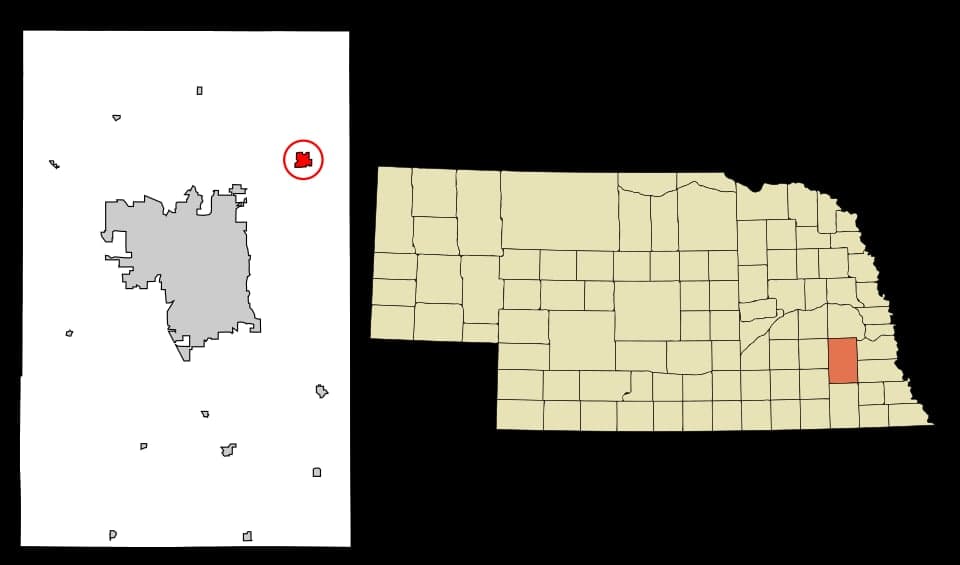
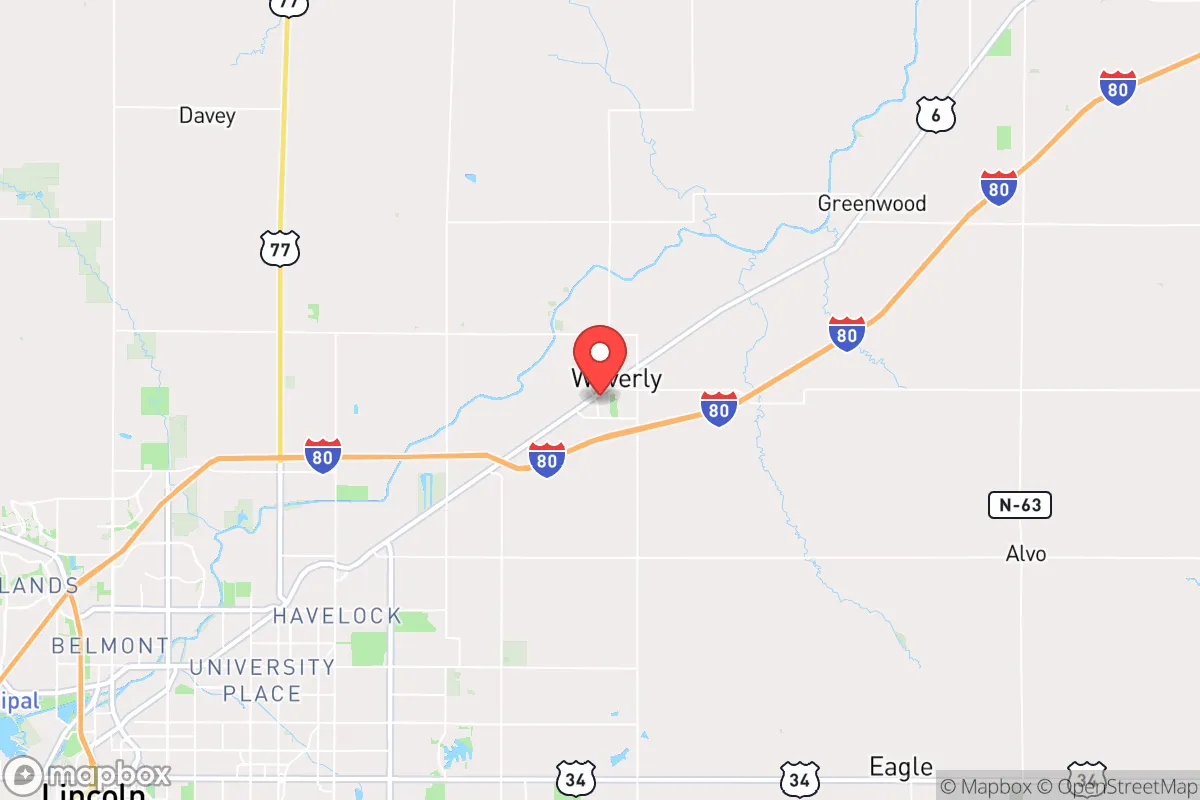
Waverly, Nebraska, sits in a sweet spot that preppers and strategic relocators rarely find: close enough to Lincoln for supply runs and employment, yet far enough to avoid the blast radius, civil unrest fallout, and grid dependency that plague major metros. This village of roughly 4,000 people, located about 12 miles northeast of downtown Lincoln along the Salt Creek corridor, offers a blend of agricultural self-sufficiency potential and low-profile living that makes it a serious candidate for those prioritizing resilience over convenience. The key question isn't whether Waverly can survive a crisis—it's whether you can build the right setup before one hits.
Geographic position and natural advantages for long-term survival
Waverly's location leverages the flat, fertile plains of eastern Nebraska, which provide both agricultural opportunity and a natural buffer against the chaos of larger cities. The area sits on the eastern edge of the Rainwater Basin, a region with decent groundwater access and rich topsoil—meaning a well and a garden can sustain a family indefinitely. The Platte River lies roughly 15 miles south, offering a secondary water source if municipal supplies fail, though you'll want to treat it heavily due to agricultural runoff. The terrain is open and largely treeless, which is a double-edged sword: it limits concealment but also eliminates ambush points and makes long-range observation easy. For a prepper, this means defensibility comes from distance and early warning, not from hiding in hills. The nearest major military installation is Offutt Air Force Base near Omaha, about 45 miles northeast—close enough to be a potential target in a conflict, but far enough that Waverly itself isn't in the primary blast or fallout zone for most plausible scenarios. The area's low population density (roughly 30 people per square mile in the surrounding Lancaster County) means you're not competing with neighbors for resources when things go sideways.
Risks, exposures, and proximity to fallout-relevant landmarks
No location is immune, and Waverly has specific vulnerabilities that a strategic relocator must account for. The biggest risk is its proximity to Lincoln—a city of 290,000 that would become a focal point for civil unrest, resource shortages, and potential evacuation chaos during a national emergency. If a major event triggers mass migration, Waverly sits directly in the path of anyone fleeing Lincoln northeast toward Omaha or the Missouri River. The interstate highway system (I-80 runs about 10 miles south) would become a chokepoint and a target for looters or desperate refugees. Additionally, the nearby Lincoln Airport and the Union Pacific rail yard in Lincoln are plausible targets for sabotage or military strikes in a conflict scenario. Fallout from a nuclear event at Offutt or a strike on Omaha's Strategic Air Command infrastructure would likely drift east or northeast, putting Waverly in a secondary fallout zone depending on wind patterns—something to model with a fallout map before committing. Tornadoes are a real seasonal threat, with the area averaging 50-60 tornado warnings per year; a direct hit would level most above-ground structures, so a reinforced basement or storm shelter is non-negotiable. Flooding along Salt Creek is a minor concern but manageable with proper site selection.
Practical resilience for a relocator: food, water, energy, and defensibility
For a single individual or family looking to build a resilient homestead, Waverly offers a workable baseline but requires deliberate investment. Water is the first priority: municipal supply comes from groundwater wells, which are generally reliable but vulnerable to power loss and contamination. Drilling a private well (depths of 100-200 feet are common) costs $5,000-$10,000 but gives you independent access. Rainwater catchment is viable, with annual precipitation around 30 inches, but you'll need storage tanks and filtration. Food production is straightforward: the growing season runs roughly April to October, with corn, soybeans, and wheat dominating the local agriculture. A half-acre garden can feed a family of four with proper planning, and local farmers are often willing to barter or sell bulk grains and livestock feed. Hunting is limited—deer and turkey are present but not abundant—so don't rely on it as a primary protein source. Energy independence is achievable: solar irradiance is moderate (about 4.5 peak sun hours per day), so a 5-7 kW solar array with battery storage can cover basic needs for a small home. Natural gas is available in town, but for off-grid setups, propane delivery or wood-burning stoves are more practical. Defensibility is about distance and community: Waverly's small size means everyone knows everyone, which builds trust but also means outsiders are noticed quickly. A property on the outskirts with a clear line of sight to the only access roads gives you a tactical advantage. The local sheriff's office (Lancaster County) is professional but stretched thin—response times in rural areas can exceed 20 minutes, so self-defense capability and a neighborhood watch mindset are essential. Stockpiling ammunition, medical supplies, and tools is straightforward given the rural culture; gun shops and farm supply stores are within a 20-minute drive.
The overall strategic picture for Waverly is cautiously optimistic for a prepper who values low profile over immediate access to urban amenities. It's not a bug-out location—it's a live-in-place community where you can build a resilient lifestyle without drawing attention. The biggest threat isn't natural disaster or even a direct attack; it's the cascading effects of a collapse in Lincoln or Omaha, which would turn Waverly into a pressure point for refugees and resource competition. If you can secure a property with a well, solar, a storm shelter, and a defensible perimeter, and if you're willing to integrate into a community that values self-reliance and mutual aid, Waverly offers a solid foundation. But if you're looking for complete isolation or a zero-risk environment, keep moving west—the risks here are manageable, not eliminated. The smart move is to visit during a non-crisis period, talk to locals at the feed store, and assess whether the trade-offs align with your specific threat model and family needs.

* Values derived from national, state, county, city and local statistics and may differ in a specific area. Last updated: 2026-05-03T20:28:50.000Z
Narrative content on this page is AI-generated and may contain mistakes. Verify any details that matter before acting on them.
ReloMaps may earn a commission from affiliate links at no extra cost to you.

