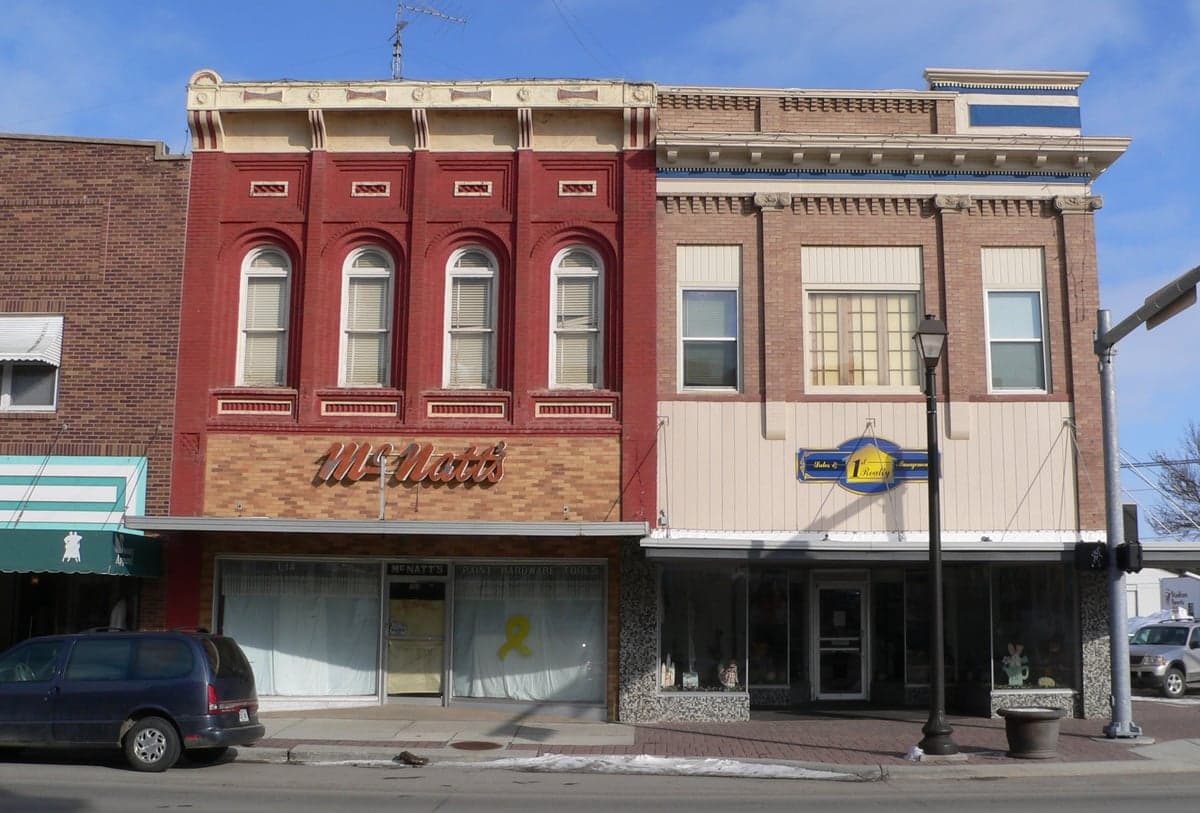
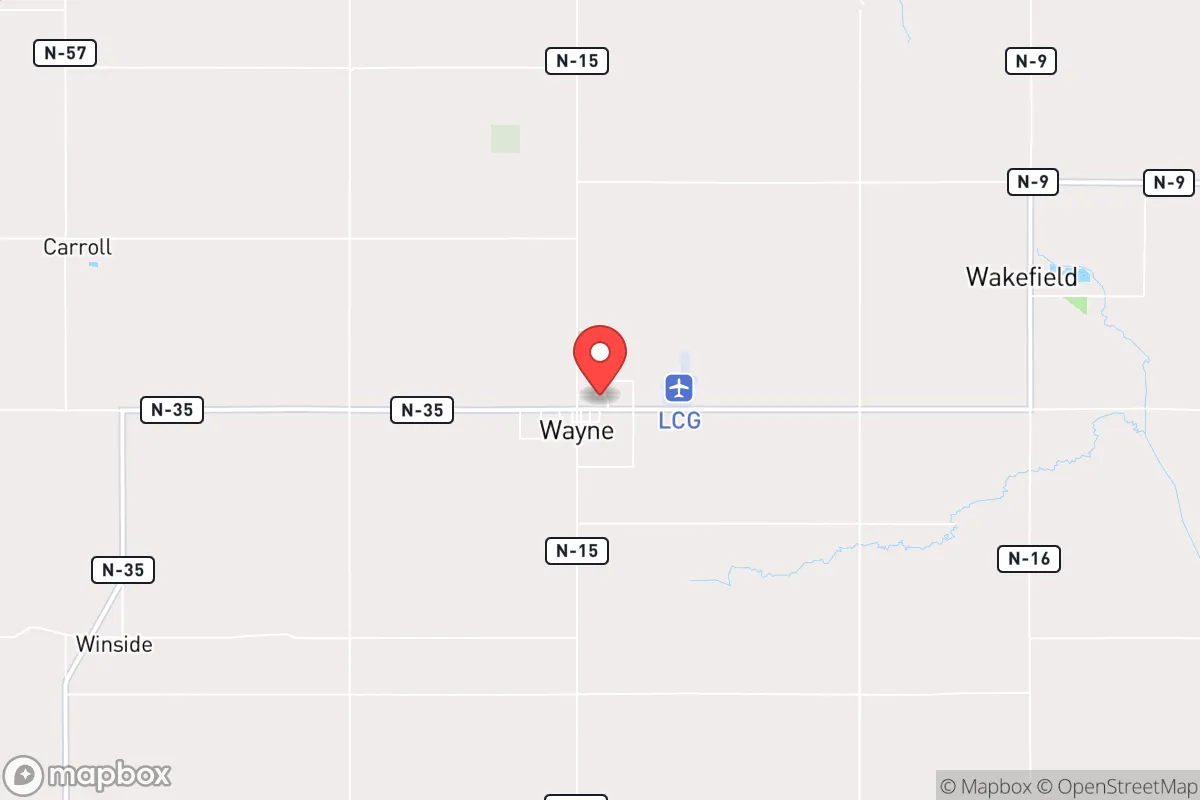
Photo: Wikipedia
Quality of Life in Wayne, NE
A high quality of life with strong walkability, manageable living costs, healthy neighborhood signals, and solid amenity access.
What does Quality of Life tell us?
Quality of Life blends cost of living, nearby amenities, socioeconomic signals, and neighborhood character. City-level scores represent the whole municipality; individual neighborhoods can differ.
What does this tell us?
Quality of Life blends cost of living, nearby amenities, socioeconomic signals, and neighborhood character. City-level scores represent the whole municipality; individual neighborhoods can differ.
Cost of Living
35% below national average
The Real Cost of Living in Wayne, NE for 2026
| Tier | Individual | Family (4) |
|---|---|---|
| Survival | $11k | $21k |
| Comfortable | $39k | $57k |
| Luxury | $87k+ | $136k+ |
| Elite (Top 5%) | $103k+ | $159k+ |
93%
The Area Signal
A metric tracking the socioeconomic signals of the area.
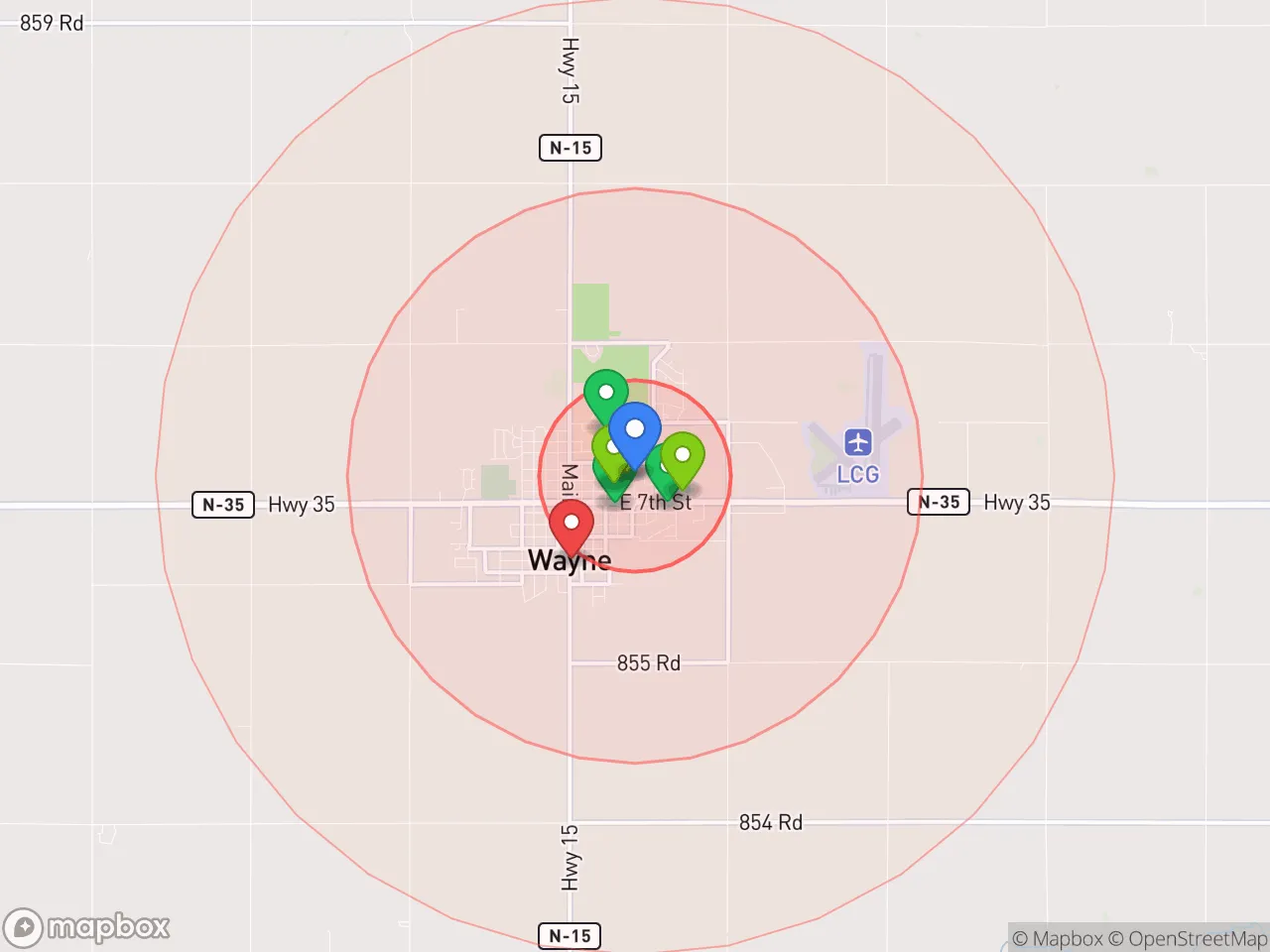
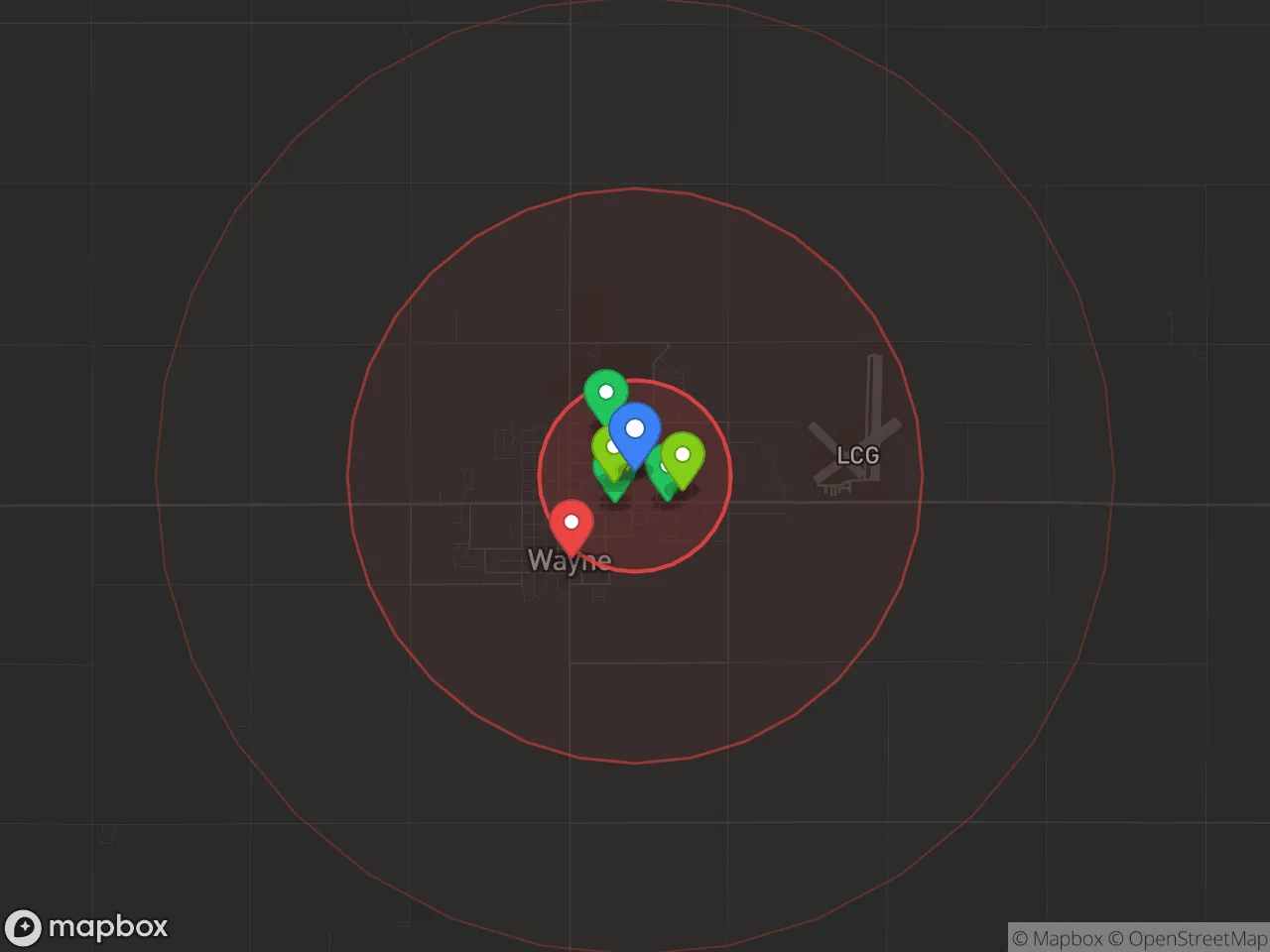
Hobbies
Explore the areaGroceries
0 within 10 miles
Gas
6 within 10 miles
Hospital
2 within 20 miles
Airport
MCI — Kansas City International
Post Office
USPS — Wayne, NE
Critical Amenities
Quality-of-Life Analysis
Wayne, Nebraska, offers a notably affordable quality of life with a cost of living index of 65—35% below the U.S. average—making it one of the more budget-friendly communities in the state. The population of roughly 5,600 is a mix of families, retirees, and students drawn to Wayne State College, creating a stable, college-town atmosphere where homeownership is attainable and daily expenses remain low. With a median household income that comfortably supports the area’s modest housing costs, Wayne attracts residents seeking a slower pace without sacrificing access to essential services and community amenities.
Cost of living, housing affordability, and how Wayne compares to nearby towns
Wayne’s housing market is a standout feature: the median home value sits at $198,600, well below the Nebraska state median of roughly $230,000, while the median rent of $707 is about 30% lower than the national median rent. This affordability extends to utilities, groceries, and transportation, with the overall cost index of 65 placing Wayne far below nearby cities like Norfolk (index ~78) or Sioux City, Iowa (index ~82). The average commute of just 19 minutes further reduces transportation costs, as most residents work locally—at the college, regional healthcare facilities like Providence Medical Center, or manufacturing employers such as Behlen Manufacturing. For comparison, a similar home in Omaha would cost nearly double, making Wayne a practical choice for remote workers or retirees looking to stretch their savings.
What daily life is like: amenities, schools, and community rhythm
Daily life in Wayne revolves around a compact, walkable downtown anchored by Wayne State College, which brings cultural events, a public library, and a fitness center open to the community. The Wayne Community Schools system serves about 1,200 students with a student-teacher ratio of 14:1, and the district consistently scores above state averages in reading and math proficiency. Residents enjoy seasonal events like the Wayne Chicken Show and the Wayne State College football games, while outdoor recreation includes the 40-acre Wayne City Park and the nearby Cowboy Trail for biking and hiking. The town’s small size means most errands are a short drive or bike ride away, and the absence of heavy traffic keeps stress levels low. Healthcare is accessible via Providence Medical Center, a critical-access hospital with a 24-hour emergency department, and specialty care is available in Norfolk (30 minutes south).
Who would thrive in Wayne, Nebraska
Wayne is best suited for those who value affordability, community connection, and a slower pace of life. Families will appreciate the strong school system and low crime rates—Wayne’s violent crime rate is roughly 60% below the national average—while retirees can stretch fixed incomes thanks to the low cost of living. College faculty and staff benefit from the academic environment, and remote workers can leverage the low housing costs and short commutes. However, those seeking vibrant nightlife, diverse dining, or major metropolitan amenities may find Wayne too quiet; the nearest full-service shopping and entertainment options are in Norfolk (30 minutes) or Sioux City (45 minutes). For anyone prioritizing financial breathing room and a tight-knit community, Wayne delivers a high quality of life at a fraction of the national cost.

Crime in Wayne, NE
Lower crime rates than 94% of comparable U.S. locations.
Violent CrimeViolent Crime Analysis
Property CrimeProperty Crime Analysis
Crime Analysis
Wayne, Nebraska, is a notably safe small city, with violent and property crime rates that fall well below both state and national averages. The city’s violent crime rate of 95.3 incidents per 100,000 residents is roughly one-third the Nebraska average and about one-fifth the U.S. rate. Property crime, at 381.3 per 100,000, is also significantly lower than the state figure of approximately 1,800 per 100,000 and the national figure of roughly 2,000 per 100,000. These numbers place Wayne among the safest communities in northeast Nebraska.
Crime in context
Wayne’s crime statistics reflect a community where serious offenses are rare. The violent crime rate of 95.3 per 100,000 translates to roughly 5-6 reported violent crimes per year in a city of about 5,600 residents. Property crime, at 381.3 per 100,000, equates to roughly 20-22 incidents annually. For comparison, the Nebraska violent crime rate is around 280 per 100,000, and the national rate is approximately 380 per 100,000. Wayne’s property crime rate is less than a quarter of the national average of roughly 1,954 per 100,000. These low rates are consistent with Wayne’s character as a rural college town (home to Wayne State College) where community ties are strong and policing is proactive.
What residents experience
Residents of Wayne generally report feeling safe walking alone at night and leaving doors unlocked, though standard precautions are still recommended. The most common property crimes are theft from vehicles and minor vandalism, often concentrated near the college campus during academic breaks. Violent crime is extremely rare and typically involves individuals known to one another rather than random acts. The local police department maintains a visible presence and participates in community-oriented programs like National Night Out. Unlike larger metro areas with progressive prosecutorial policies that can lead to reduced consequences for repeat offenders, Wayne County’s judicial system operates with a traditional emphasis on accountability. This conservative approach to law enforcement and prosecution—where judges and district attorneys prioritize public safety over offender rehabilitation—helps keep recidivism low and property crime rates suppressed.
Neighborhood-level variation in Wayne is minimal. The most significant difference is between the campus area (which sees slightly higher petty theft and noise complaints) and the residential neighborhoods west of Highway 15, which are almost entirely free of crime. The city’s small size and tight-knit social fabric mean that unusual activity is quickly noticed and reported. For families and retirees seeking a low-crime environment, Wayne offers one of the safest settings in Nebraska, with crime rates that are a fraction of those found in larger regional centers like Norfolk or Sioux City.
* Values derived from national, state, county, city and local statistics and may differ in a specific area. Last updated: 2026-04-22T23:52:15.000Z
Narrative content on this page is AI-generated and may contain mistakes. Verify any details that matter before acting on them.
ReloMaps may earn a commission from affiliate links at no extra cost to you.

