 Popular
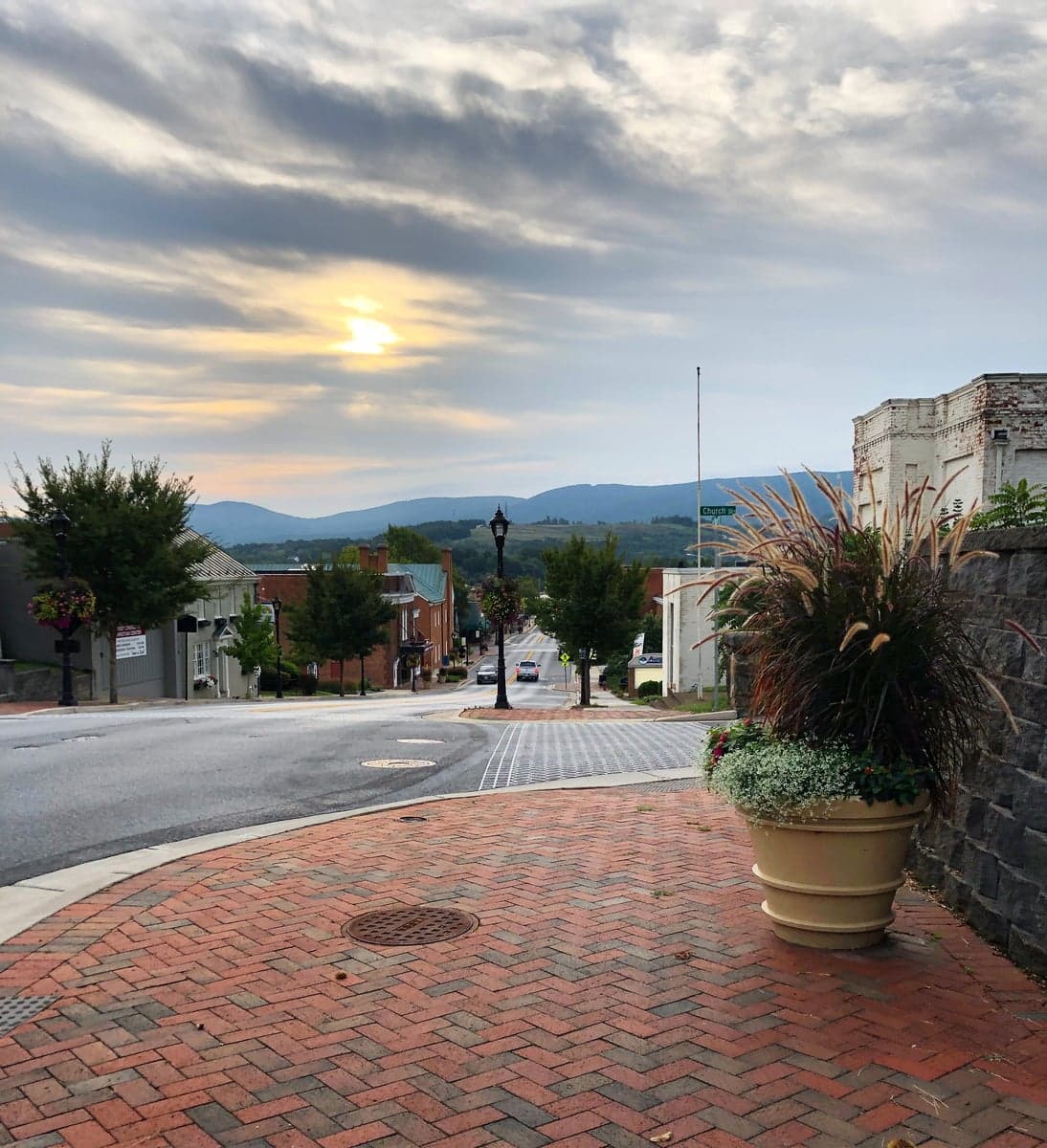
Photo: Wikipedia
Personal Sovereignty in Waynesboro, VA
Viable for self-reliance. Generally workable, though some barriers may limit total independence.
What does Personal Sovereignty tell us?
Personal Sovereignty measures your capacity for self-reliance and independence with minimal government friction. Higher scores mean fewer barriers between you and the way you want to live... but it assumes you have the space you need and good neighbors.
What does this tell us?
Personal Sovereignty measures your capacity for self-reliance and independence with minimal government friction. Higher scores mean fewer barriers between you and the way you want to live... but it assumes you have the space you need and good neighbors.
State Policy
Energy independence: Importer (20% of energy produced in-state)
Personal Liberty
Homesteading

Personal Liberty Analysis
Waynesboro, Virginia, offers a notably high degree of personal sovereignty compared to many East Coast locales, largely due to the Commonwealth’s strong right-to-work laws, a relatively restrained state government, and a deeply rooted culture of self-reliance in the Shenandoah Valley. For those concerned with preserving autonomy against federal overreach and cultural erosion, this small city of roughly 22,000 provides a strategic balance: it sits within a reliably conservative region (Augusta County and the surrounding area voted heavily Republican in 2024), yet remains close enough to resources in Charlottesville and Harrisonburg to avoid total isolation. The key question for a prepper or liberty-minded individual is whether the local regulatory environment and community ethos truly allow for the kind of independent living that many seek. The answer is largely yes, but with specific caveats around zoning and state-level tax policy that require careful examination.
Tax burden and regulatory posture in Waynesboro and Virginia
Virginia is not a low-tax paradise, but it is far more favorable than neighboring Maryland or the District of Columbia. The state income tax is a flat rate of 5.75% on all taxable income, which is moderate but not negligible. However, Waynesboro itself benefits from a relatively low real estate tax rate of $0.69 per $100 of assessed value, and the city has no personal property tax on vehicles (unlike many Virginia localities). This keeps the annual cost of ownership low for those who value financial independence. The regulatory posture in Waynesboro is business-friendly, with a streamlined permitting process for small-scale construction and home-based enterprises. The city does not impose a local meals tax, and its zoning code is generally permissive for accessory structures, workshops, and small-scale agricultural activities within city limits. For those looking to minimize government entanglement, the lack of a state-level occupational license requirement for most trades is a significant plus. The overall tax burden as a percentage of income in Waynesboro is roughly 8-9%, well below the national average of 10-11%, and the absence of a state-level estate tax means wealth can be passed to heirs without additional confiscation.
Self-defense and gun law specifics in Waynesboro
Virginia is a shall-issue state for concealed carry permits, and Waynesboro’s local sheriff’s office processes applications efficiently, typically within 45 days. The state preempts local firearm ordinances, meaning the city council cannot ban open carry, restrict magazine capacities, or impose waiting periods beyond state law. As of 2026, Virginia law allows permitless open carry for anyone legally allowed to possess a firearm, and concealed carry requires a permit (though the state is moving toward constitutional carry, with a bill likely in the 2027 session). The Castle Doctrine is fully codified in Virginia Code § 18.2-626, with no duty to retreat in one’s home, vehicle, or place of business. Stand-your-ground protections extend to any place where a person has a legal right to be. For preppers, this means you can legally defend your property and family without fear of prosecution, provided the threat is imminent and deadly. The state also has a strong preemption law that prevents localities from creating their own gun-free zones, so Waynesboro’s parks, libraries, and public buildings remain accessible to lawful carriers. The only notable restriction is the state’s one-handgun-per-month law, which remains on the books but is rarely enforced against private collectors. For those building a defensive arsenal, purchasing from private sellers at gun shows or through private transfers (no background check required) remains legal.
Self-reliance and homesteading viability in Waynesboro
Waynesboro’s zoning code is surprisingly accommodating for a city of its size. Residential lots in the city’s R-1 and R-2 districts allow for chickens, rabbits, and up to two beehives without a special permit, and goats or sheep are permitted on lots of one acre or more. The city’s minimum lot size for single-family homes is 6,000 square feet, but many properties in the outlying areas (particularly near the South River and along the Blue Ridge foothills) exceed one acre. For those seeking true off-grid capability, the surrounding Augusta County and Nelson County areas offer 5- to 20-acre parcels with no county zoning restrictions on agricultural structures, rainwater collection, or composting toilets. Waynesboro’s municipal water and sewer are reliable, but the city does not prohibit private wells or septic systems on lots over one acre, provided they meet state health department standards. Solar panels are allowed by right, and the city’s building code does not require grid-tied systems, so a fully off-grid home is feasible within city limits if you can meet the setback and structural requirements. The biggest hurdle for preppers is the city’s fire code requirement for a 20-foot-wide access lane to any habitable structure, which can complicate deep-woods cabins. However, this is a minor inconvenience compared to the outright bans on alternative housing found in many Northern Virginia suburbs.
Personal liberties: parental rights, medical autonomy, and property
Virginia law generally respects parental rights in education and medical decisions. The state allows unrestricted homeschooling with a simple notice of intent and a basic curriculum outline, and there is no requirement for standardized testing or state-approved curricula. Waynesboro Public Schools have a cooperative relationship with homeschool families, allowing part-time enrollment in elective courses and extracurricular activities. On medical autonomy, Virginia does not have a state-level vaccine mandate for adults, and the 2024 legislative session reaffirmed that parents can refuse any medical treatment for their children on religious or philosophical grounds, provided it does not create an immediate life-threatening situation. The state’s right-to-try law allows terminally ill patients access to experimental treatments without FDA interference, and there is no state-level prescription drug monitoring program that restricts private physician-patient relationships. Property rights are strong: Virginia is a right-to-farm state, meaning agricultural operations cannot be shut down by nuisance lawsuits if they were established before nearby residential development. Waynesboro’s city council has not enacted any rent control or landlord licensing schemes, and short-term rentals (like Airbnb) are permitted with a simple business license. The only notable liberty concern is the state’s vehicle emissions inspection requirement for cars older than 25 years, which can be a hassle for those maintaining vintage vehicles or pre-1990s diesel trucks. This is a minor annoyance compared to the outright vehicle bans seen in California or New York.
Overall, Waynesboro offers a level of personal sovereignty that is rare in the Mid-Atlantic region. The combination of a low tax burden, strong gun rights, permissive zoning for self-reliance, and respect for parental and medical autonomy makes it a viable destination for those seeking to live with minimal government interference. While it is not a libertarian utopia—the state income tax and vehicle inspection requirements are real constraints—it provides a solid foundation for building a self-sufficient life. For a prepper or liberty-minded individual, the city’s location in a conservative valley with easy access to federal lands (George Washington National Forest is 20 minutes away) and a community that values independence makes it a strategic choice. The key is to buy property with enough acreage to avoid neighbor disputes and to stay engaged with local politics to ensure the city’s regulatory posture remains favorable. In a country where personal freedoms are increasingly under threat, Waynesboro stands out as a place where you can still live largely on your own terms.

* Values derived from national, state, county, city and local statistics and may differ in a specific area. Last updated: 2026-05-01T13:13:16.000Z
Narrative content on this page is AI-generated and may contain mistakes. Verify any details that matter before acting on them.
ReloMaps may earn a commission from affiliate links at no extra cost to you.

