 Popular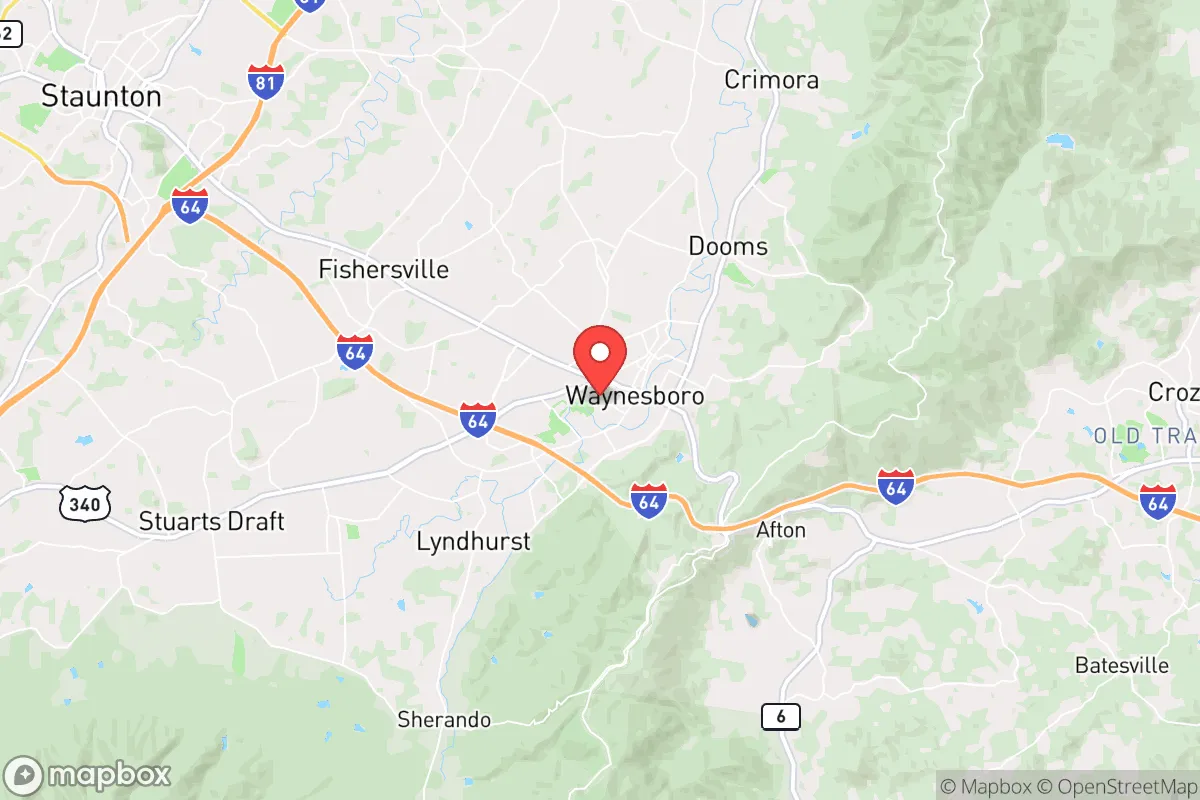

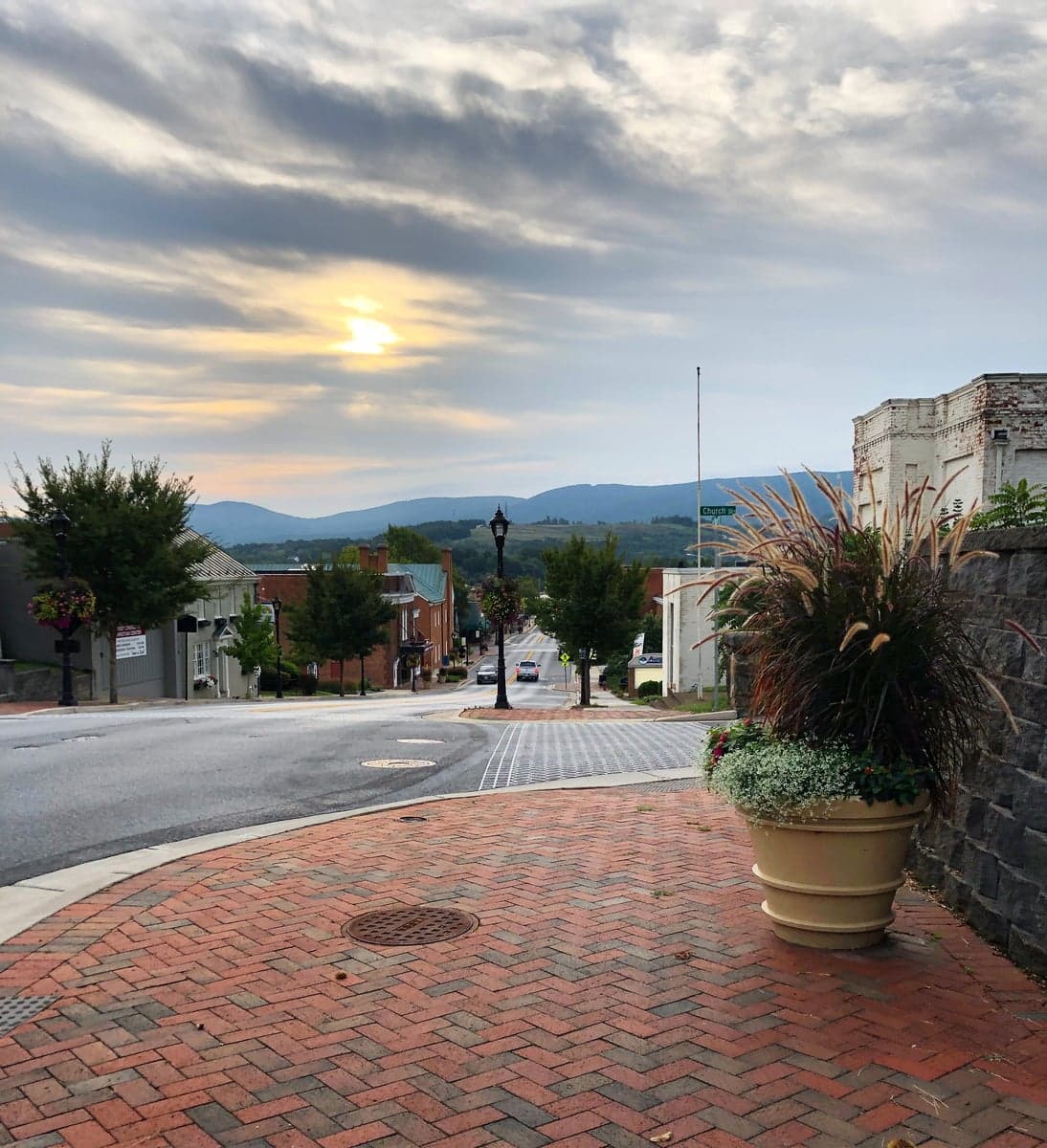
Photo: Wikipedia
Political ClimatePolitical Climate in Waynesboro, VA
District shown is the primary district for this city’s centroid. Cities may span multiple districts.
Inherited from parent state — no local data available.
Local Political AnalysisPolitical Analysis of Waynesboro, VA
Waynesboro, Virginia, has long been a reliably conservative community, and the numbers back that up with a Cook PVI of R+12. But if you've lived here as long as I have, you know it's not just about the voting stats—it's about a way of life that's been pretty steady for decades. That said, there's been a noticeable shift in the last few years, with some folks pushing for changes that feel more like what you'd see in Charlottesville or even parts of Staunton, and that's got a lot of us keeping a close eye on things. The overall lean is still solidly red, but the trajectory is something we need to talk about, because the quiet, common-sense values that built this town are facing some real pressure.
How it compares
When you look at the surrounding area, Waynesboro stands out as a bit of a conservative anchor. Head east toward Charlottesville, and you're in a whole different world—that place has gone deep blue, with all the progressive policies and government overreach that come with it. Staunton, just a few miles west, has its own flavor, but it's trending more liberal every year, especially in the downtown core. Waynesboro, by contrast, has held the line, with most folks here still believing in personal responsibility and limited government. The R+12 rating isn't just a number; it reflects a community that values its Second Amendment rights, pushes back on excessive zoning rules, and generally wants the government to stay out of their lives. But I've seen the local elections get tighter, and some of the newer residents—especially those moving in from northern Virginia or the D.C. area—bring ideas that don't always fit with what made this place work for so long.
What this means for residents
For those of us who've been here a while, the political climate means you can still have a conversation about taxes or property rights without getting shouted down. But it also means you have to stay vigilant. There's been talk of expanding the city's authority over land use and even some whispers about "equity" initiatives in the schools—things that sound an awful lot like the kind of top-down control we moved here to avoid. The good news is that the local government is still largely run by folks who understand that freedom means letting people make their own choices, not having a bureaucrat decide what's best for you. If you're thinking about relocating here, you'll find a place where your voice still matters, but you'll also want to get involved in local politics to keep it that way. The long-term trend is concerning, though—if we don't push back on these progressive ideas, we could end up like Charlottesville in ten years, with higher taxes and more red tape.
Culturally, Waynesboro still feels like a small town where neighbors help each other and the government is seen as a necessary evil, not a solution to every problem. We don't have the fancy bike lanes or the endless public meetings about "inclusivity" that you see in some of the nearby cities. What we do have is a strong sense of personal freedom and a healthy skepticism of anyone who wants to tell you how to live your life. The policy distinctions are subtle but real: our zoning laws are looser, our gun laws are respected, and there's a general understanding that the less government interference, the better. If you're looking for a place where you can breathe without someone from the county office breathing down your neck, Waynesboro is still that place—but keep your eyes open, because the winds are shifting, and it's up to us to make sure they don't blow us off course.

State Political ClimatePolitical Climate in Virginia
State Political AnalysisPolitical Environment in the State
Virginia has transformed from a reliably conservative-leaning state into a solidly blue stronghold over the past two decades, with Democrats now controlling the governorship, both chambers of the General Assembly, and both U.S. Senate seats. The shift has been driven by explosive population growth in the Washington, D.C. suburbs—particularly Loudoun County, Prince William County, and Fairfax County—which now supply the overwhelming majority of Democratic votes statewide. While the state voted for Hillary Clinton by 5 points in 2016, Joe Biden carried it by 10 points in 2020, and the trend has accelerated since. For a conservative considering relocation, the state’s political trajectory is unmistakably leftward, with policy consequences that directly affect daily life.
Urban vs. rural divide
The political map of Virginia is a stark study in contrasts. The entire northern Virginia crescent—Arlington, Alexandria, Fairfax, Loudoun, and Prince William counties—votes Democratic by margins of 60-80%, powered by federal government employees, tech workers, and a highly educated, diverse population. The Richmond metro area, including Henrico County and the city of Richmond itself, has also shifted blue, with Henrico flipping from red to purple to solidly Democratic over the past decade. Meanwhile, the rest of the state—southside Virginia, the Shenandoah Valley, and the western mountain counties—remains deeply Republican. Roanoke and Lynchburg are conservative anchors, but their populations are stagnant or declining. The rural-urban divide is so extreme that a single county like Loudoun (population 420,000) can outvote the entire 5th Congressional District. This geographic polarization means that a conservative moving to Virginia must carefully choose their locality—a home in Virginia Beach or Chesapeake offers a much different political environment than one in Fairfax or Arlington.
Policy environment
Virginia’s policy environment has shifted sharply left under Democratic control. The state income tax is a flat 5.75%, but Democrats have repeatedly proposed progressive rate increases, and the sales tax has been expanded to include digital goods. Property taxes are set locally, and in northern Virginia, they are among the highest in the nation—often exceeding 1.2% of assessed value. Education policy has been a flashpoint: in 2020, Democrats passed the Virginia Clean Economy Act, mandating a 100% carbon-free electric grid by 2050, which has driven up utility costs. More controversially, the state eliminated its right-to-work law in 2021, a move that alarmed many conservatives. Election laws have been loosened: no-excuse absentee voting, same-day registration, and a permanent absentee voter list were all enacted under Governor Ralph Northam and maintained under Governor Glenn Youngkin. Gun rights have been under sustained assault—Democrats passed universal background checks, a red flag law, and a one-handgun-per-month purchase limit in 2020, though Youngkin’s administration has blocked further restrictions. Healthcare policy includes a Medicaid expansion that passed in 2018, covering over 500,000 new enrollees, and the state has adopted some of the nation’s most aggressive renewable energy mandates.
Trajectory & freedom
Virginia is becoming less free by nearly any measure of personal liberty. The most significant contraction came in 2020, when Democrats passed a sweeping package of gun control laws—including the red flag law and universal background checks—that were previously unthinkable in a state with a strong hunting and sports shooting tradition. Parental rights have been a battleground: in 2022, the state adopted model policies that required schools to notify parents of sexually explicit instructional materials and prohibited transgender procedures for minors, but these were immediately challenged in court and remain in legal limbo. Medical autonomy took a hit with the state’s COVID-19 vaccine mandates for state employees and healthcare workers, which were only rescinded in 2023. Property rights have been eroded by aggressive zoning changes in northern Virginia that allow higher-density development without local input. On the positive side, the state has no personal property tax on vehicles (unlike neighboring states), and it maintains a constitutional right-to-work provision—though that is now under constant political threat. The overall trajectory is clear: each Democratic trifecta brings another round of restrictions on gun ownership, parental control, and economic freedom.
Civil unrest & political movements
Virginia has been a national epicenter of political conflict. The 2017 Unite the Right rally in Charlottesville and the subsequent violence left a lasting scar, leading to the removal of Confederate statues and a statewide debate over historical memory. In 2020, protests in Richmond over the killing of George Floyd escalated into nightly clashes around the Robert E. Lee monument, with the state eventually taking down the statue. Immigration politics have been contentious: Prince William County and Fairfax County have declared themselves “sanctuary” jurisdictions, limiting cooperation with federal immigration enforcement, while rural counties have passed resolutions opposing such policies. Election integrity has been a major concern—the 2020 election saw widespread use of ballot drop boxes and mass mail-in voting, and the state’s voter rolls have been criticized for containing thousands of potentially ineligible registrants. The 2021 gubernatorial race between Glenn Youngkin and Terry McAuliffe was a national referendum on parental rights in education, with Youngkin’s focus on “critical race theory” and school transparency propelling him to victory. That race demonstrated that Virginia remains competitive in statewide elections, but the underlying demographic trends favor Democrats.
Projection
Over the next 5-10 years, Virginia will likely continue its leftward drift. The northern Virginia suburbs are growing rapidly, while rural areas are losing population. The 2020 census reapportionment gave Virginia an 11th congressional seat, but that seat is likely to be drawn as a Democratic-leaning district. The state’s Democratic Party is now firmly in the hands of its progressive wing, with figures like Senator Tim Kaine and Governor Youngkin representing the moderate center—but the party’s base is increasingly demanding more aggressive action on climate, gun control, and social issues. The 2025 gubernatorial election will be a critical test: if a Democrat wins, expect another round of gun restrictions, a push for a state-level carbon tax, and renewed efforts to weaken parental rights in education. If a Republican wins, they will face a Democratic legislature that can block most conservative initiatives. The most realistic scenario is continued gridlock at the state level, with local control becoming the primary battleground—meaning that a conservative moving to Virginia should prioritize finding a county or city with a strong Republican majority, such as Hanover County, Chesterfield County, or Spotsylvania County.
For a conservative considering relocation, Virginia offers a mixed picture. The state’s natural beauty, strong economy, and historic communities are undeniable assets. But the political environment is increasingly hostile to traditional values, with state-level policies that restrict gun rights, erode parental authority, and expand government control over healthcare and education. The key is to choose your locality carefully—a home in Virginia Beach or Lynchburg will feel very different from one in Arlington or Richmond. If you value personal freedom, low taxes, and limited government, you will need to be strategic about where you settle and prepared to engage in local politics to protect those values. The state is not lost, but it is in a fight—and the outcome will depend on whether conservatives can hold their ground in the growing suburbs and rural strongholds.
* Values derived from national, state, county, city and local statistics and may differ in a specific area. Last updated: 2026-05-01T13:13:16.000Z
Narrative content on this page is AI-generated and may contain mistakes. Verify any details that matter before acting on them.
ReloMaps may earn a commission from affiliate links at no extra cost to you.

