 Popular
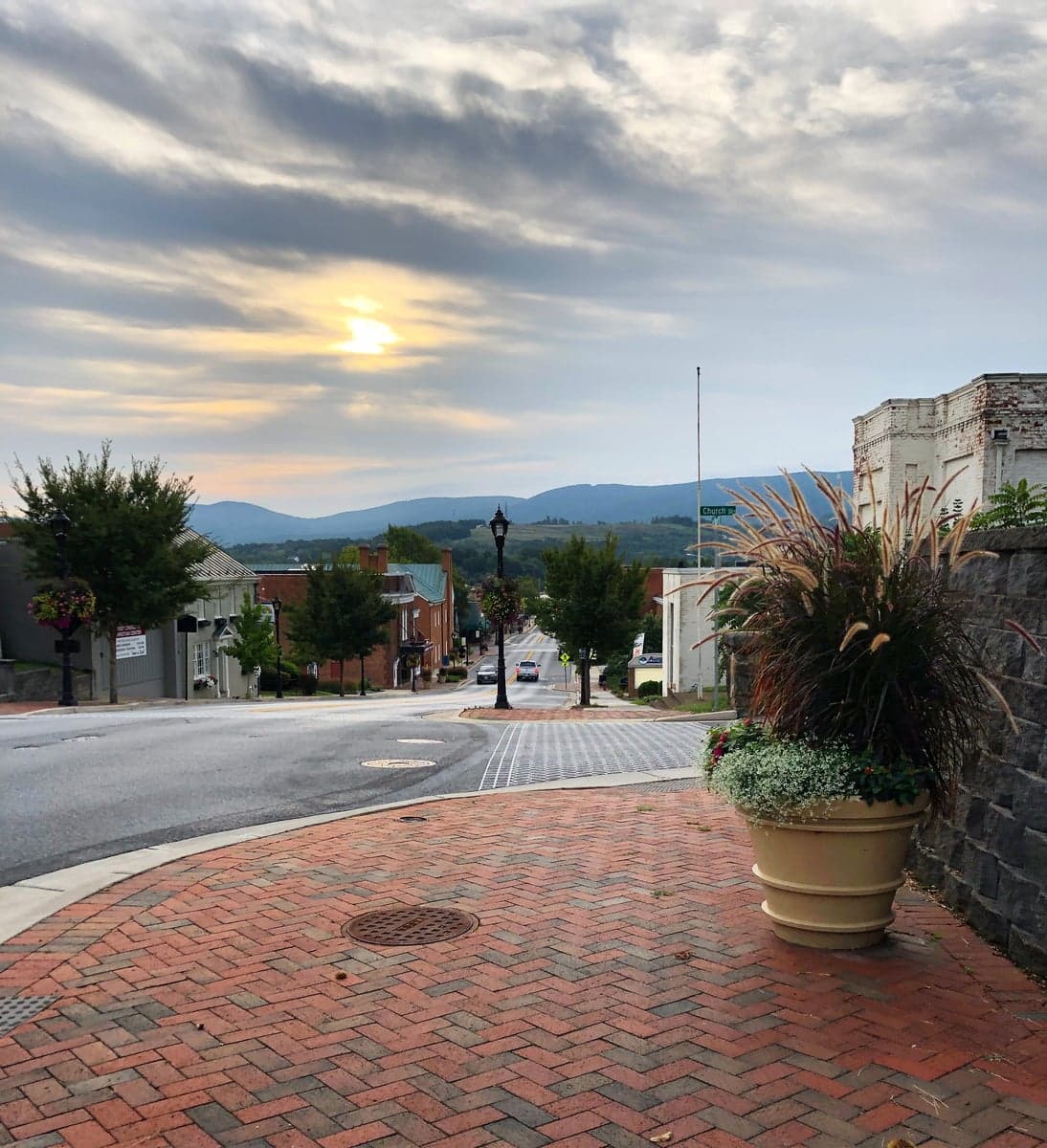
Photo: Wikipedia
Quality of Life in Waynesboro, VA
Above-average quality of iife. The area offers a reasonable cost of living, decent mobility, and a mix of neighborhood amenities.
What does Quality of Life tell us?
Quality of Life blends cost of living, nearby amenities, socioeconomic signals, and neighborhood character. City-level scores represent the whole municipality; individual neighborhoods can differ.
What does this tell us?
Quality of Life blends cost of living, nearby amenities, socioeconomic signals, and neighborhood character. City-level scores represent the whole municipality; individual neighborhoods can differ.
Cost of Living
16% below national average
The Real Cost of Living in Waynesboro, VA for 2026
| Tier | Individual | Family (4) |
|---|---|---|
| Survival | $16k | $29k |
| Comfortable | $46k | $68k |
| Luxury | $95k+ | $147k+ |
| Elite (Top 5%) | $111k+ | $173k+ |
83%
The Area Signal
A metric tracking the socioeconomic signals of the area.
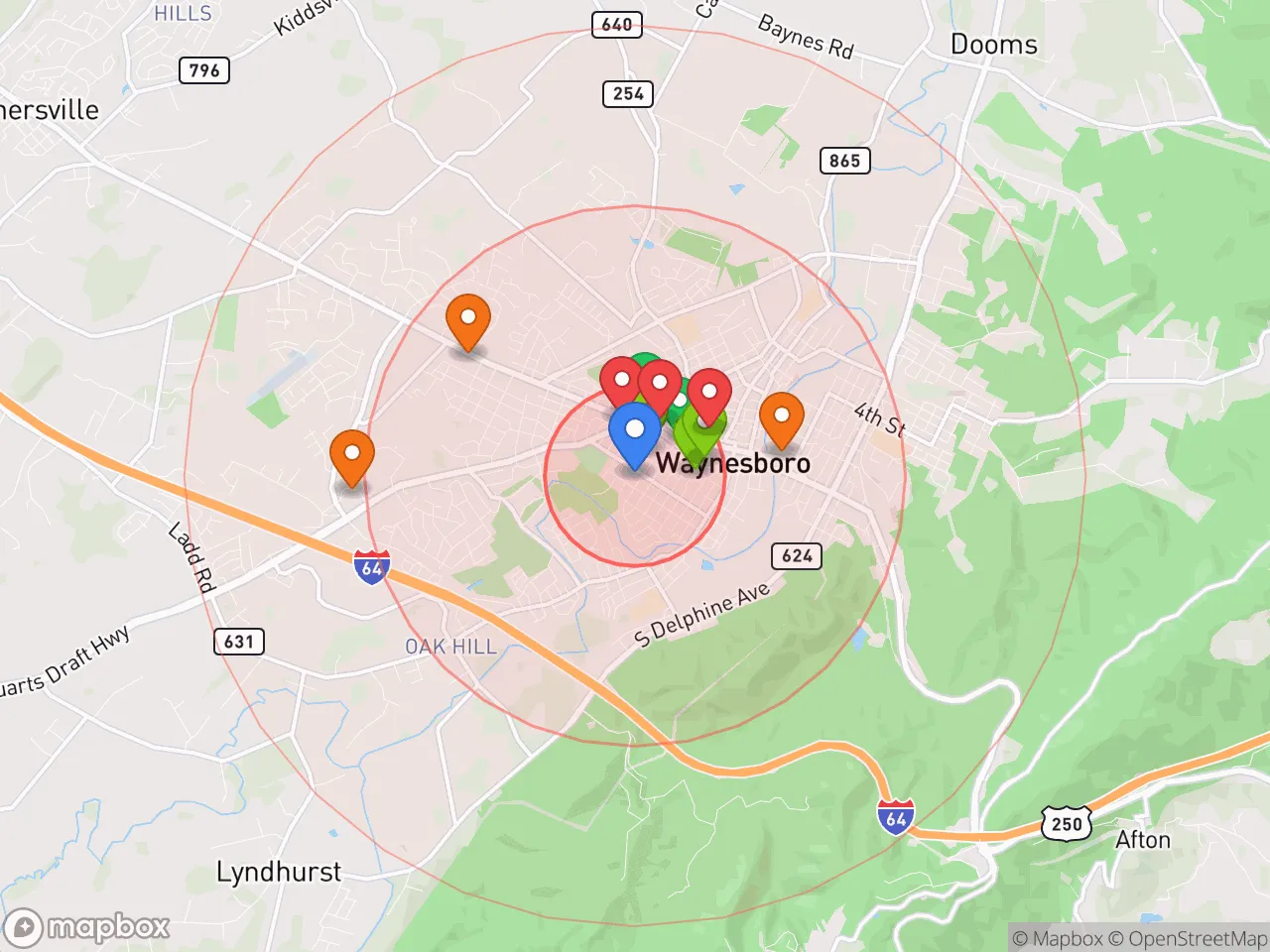
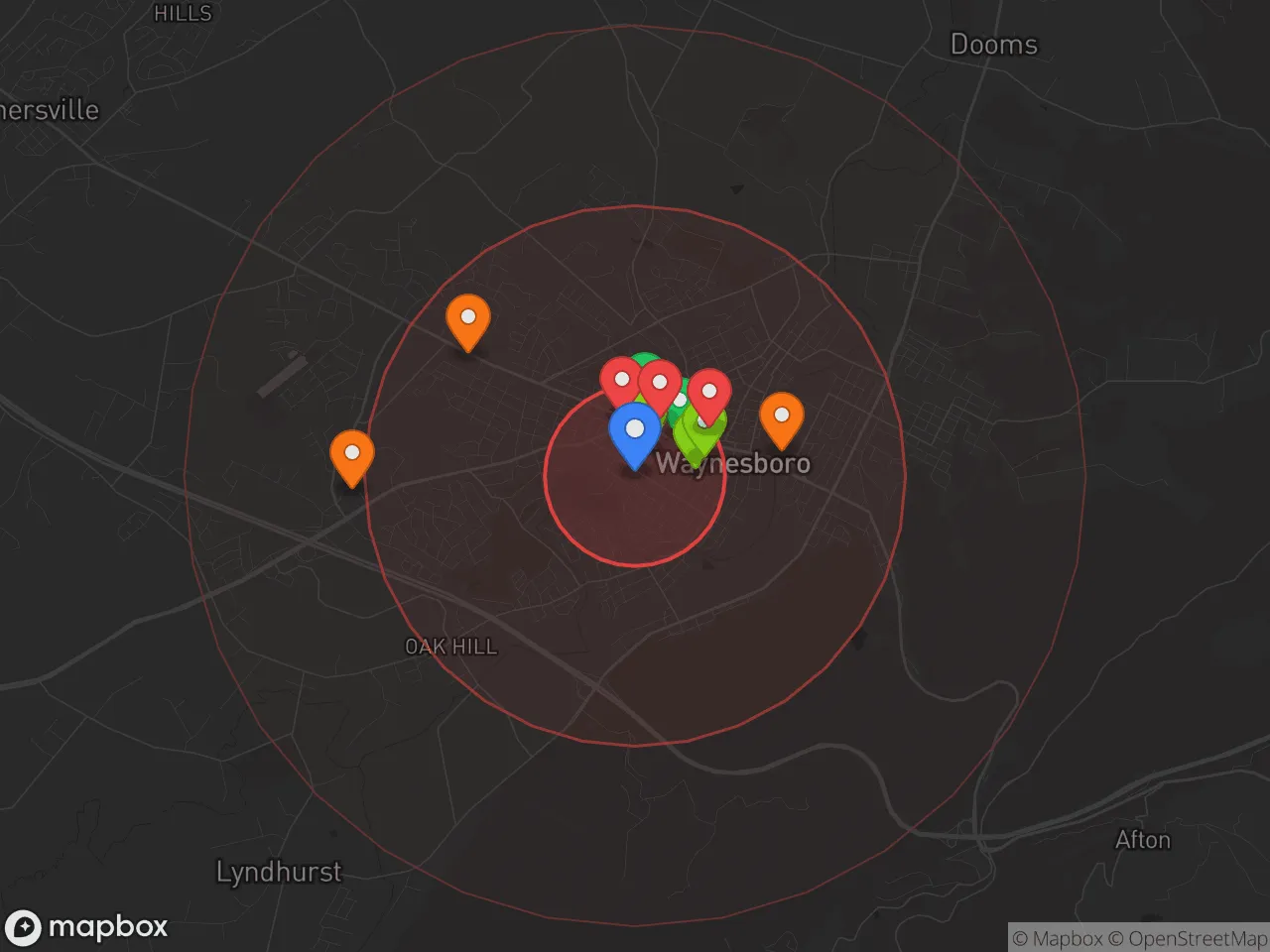
Hobbies
Explore the areaGroceries
0 within 10 miles
Gas
0 within 10 miles
Hospital
0 within 20 miles
Airport
IAD — Washington Dulles International
Post Office
Critical Amenities
Quality-of-Life Analysis
Waynesboro, Virginia, presents a notably affordable quality of life within the Shenandoah Valley, attracting a mix of young professionals, manufacturing workers, and retirees seeking a lower cost of living without sacrificing proximity to the Blue Ridge Mountains. The city’s median household income hovers around $52,000, which aligns closely with its cost of living index of 84—16 percent below the national average—making it a practical choice for those priced out of nearby Charlottesville or Harrisonburg. The population of roughly 22,000 is predominantly white-collar in manufacturing and healthcare, with a growing contingent of remote workers drawn by the area’s fiber-optic internet availability and scenic setting.
Cost of living and housing affordability compared to Charlottesville and Staunton
Waynesboro’s cost of living index of 84 is significantly lower than Charlottesville’s index of 109, and slightly below Staunton’s 88, making it one of the most budget-friendly cities in the central Shenandoah Valley. The median home value of $236,600 is roughly half of Charlottesville’s median, while the median rent of $972 per month undercuts both Charlottesville ($1,450) and Staunton ($1,050). A typical household spends about 22 percent of income on housing, well under the 30 percent threshold considered burdensome. The average commute of 21 minutes is shorter than the national average of 26 minutes, and most residents drive to work along Interstate 64 or U.S. Route 340, with a small but growing number biking or walking from downtown neighborhoods. Property taxes remain low at a rate of roughly 0.77 percent of assessed value, further stretching household budgets compared to higher-tax areas in Northern Virginia.
Local amenities, schools, and what daily life feels like
Daily life in Waynesboro centers on a compact downtown with independent restaurants, a weekly farmers market, and the Wayne Theatre for performing arts, while outdoor recreation is immediate via the South River Greenway and access to Shenandoah National Park’s Rockfish Gap entrance. The city’s public schools, part of Waynesboro City Public Schools, serve about 4,000 students and have shown steady improvement in state accreditation scores, though some families opt for private or charter options in nearby Staunton. Groceries and healthcare are readily available, with Augusta Health hospital located just west in Fishersville, and a Walmart Supercenter and Food Lion anchoring retail needs. The rhythm of life is slower than in Charlottesville, with fewer traffic jams and a stronger sense of community at local events like the Fall Foliage Festival and the weekly Cruise-In car show. For families, the presence of the Waynesboro Public Library and multiple city parks—including Ridgeview Park with its walking trails and splash pad—provides low-cost recreation within a 10-minute drive of most neighborhoods.
Waynesboro is best suited for budget-conscious homebuyers, outdoor enthusiasts, and manufacturing or healthcare workers who value a short commute and low housing costs over urban nightlife or high-end retail. Remote workers and retirees will find the affordability and mountain views appealing, while young families may appreciate the safe neighborhoods and improving schools. Those seeking a vibrant arts scene or high-paying tech jobs should look to Charlottesville, but for anyone prioritizing financial breathing room and immediate access to the Blue Ridge, Waynesboro offers a stable, grounded quality of life that is increasingly rare in the region.

Crime in Waynesboro, VA
Generally safer than 59% of comparable U.S. locations.
Violent CrimeViolent Crime Analysis
Property CrimeProperty Crime Analysis
Crime Analysis
Waynesboro, Virginia, reports a violent crime rate of 251.3 per 100,000 residents and a property crime rate of 1,541.2 per 100,000, placing it in a moderate safety tier relative to other small cities in the Shenandoah Valley. While these figures are not the highest in the region, the city's proximity to the larger, more liberal-leaning metro area of Charlottesville raises specific concerns about the local justice system's approach to crime and recidivism. Residents should be aware that progressive judicial philosophies, which often prioritize offender rehabilitation over punitive measures, can contribute to higher rates of repeat offenses and a diminished sense of public safety.
Crime in context
Waynesboro's violent crime rate of 251.3 per 100,000 is roughly 28% lower than the national average of approximately 350 per 100,000, but it is notably higher than the Virginia state average of around 200 per 100,000. The property crime rate of 1,541.2 per 100,000 is about 15% below the national average of roughly 1,800 per 100,000, yet it aligns closely with the state average. These numbers suggest that while Waynesboro is not a high-crime outlier, it does experience elevated violent crime compared to the rest of Virginia. The city's location within the Charlottesville metropolitan statistical area means it is subject to the same regional criminal justice policies, which in recent years have trended toward progressive reforms—such as reduced cash bail and diversion programs—that critics argue can embolden offenders and undermine deterrence.
What residents experience
For daily life in Waynesboro, the most tangible safety concern is property crime, which accounts for the vast majority of reported incidents. Theft, burglary, and motor vehicle theft are the most common offenses, often concentrated along the US-250 corridor and near commercial districts. Violent crime, while less frequent, includes aggravated assault as the leading category, with robbery and rape occurring at lower rates. Residents in neighborhoods closer to the city's core or near public housing complexes report a higher awareness of these risks. The influence of progressive district attorneys in the broader region means that even when arrests are made, lenient plea deals and reduced sentences are more common, potentially leading to quicker returns of offenders to the community. This dynamic is a key factor for families and retirees evaluating long-term safety in the area.
Neighborhood-level safety in Waynesboro varies significantly. Areas west of the South River, such as the tree-lined streets near the historic district, generally see lower crime rates and stronger community watch presence. In contrast, neighborhoods east of I-81 and closer to the industrial zones report higher incidences of property crime and occasional violent incidents. Prospective residents should research specific block-level data and consider that the city's overall moderate crime statistics may mask pockets where the effects of progressive criminal justice policies are more acutely felt. For those prioritizing a conservative legal environment, Waynesboro's proximity to more traditional jurisdictions in Augusta County may offer a buffer, but the city itself remains part of a metro area where judicial leniency is a documented concern.
* Values derived from national, state, county, city and local statistics and may differ in a specific area. Last updated: 2026-05-01T13:13:16.000Z
Narrative content on this page is AI-generated and may contain mistakes. Verify any details that matter before acting on them.
ReloMaps may earn a commission from affiliate links at no extra cost to you.

