Political ClimatePolitical Climate in Weatherford, OK
District shown is the primary district for this city’s centroid. Cities may span multiple districts.
Local Political AnalysisPolitical Analysis of Weatherford, OK
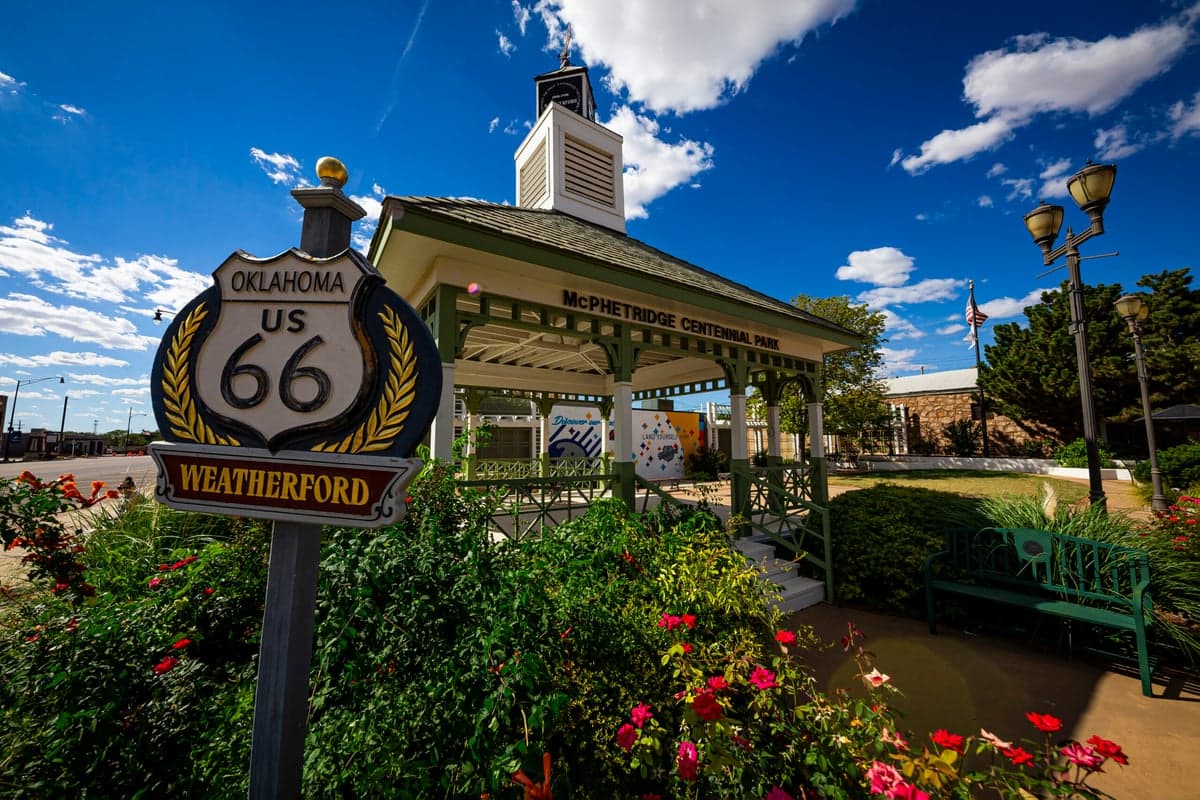
Weatherford, Oklahoma, sits solidly in the red, with a Cook PVI of R+23 that reflects a deep-rooted conservative tradition. This isn’t a recent shift; it’s been the way of life here for generations, and the voting patterns show it’s not budging. You’ll find folks here are skeptical of big government and value personal responsibility, which is why the area has consistently rejected progressive policies that creep in from the coasts. The trajectory is steady—if anything, the local sentiment has hardened in recent years as national politics have become more polarized, with residents doubling down on local control and constitutional rights.
How it compares
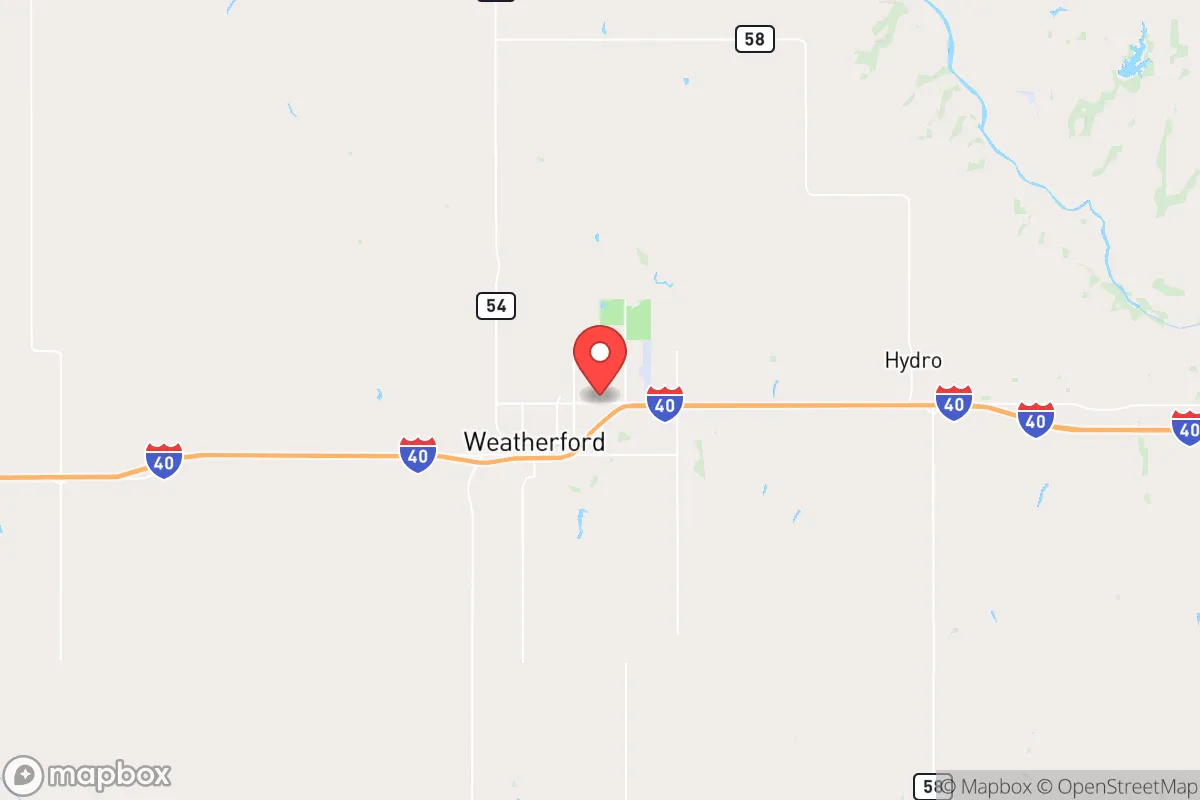
Drive thirty miles east to El Reno, and you’ll start to feel a slight political shift—still conservative, but with a more moderate, suburban vibe that leans a bit softer on fiscal issues. Head west to Clinton, and it’s a similar story, though both towns still vote red. The real contrast is when you go north to Woodward or south to Lawton; Woodward is reliably conservative, but Lawton, with its military base influence, has a more transient population that sometimes brings in more liberal-leaning voters on things like social spending. Weatherford, though, is the anchor of conservative stability in this part of the state. It’s not just the voting numbers—it’s the culture. People here don’t just vote Republican; they live it, from church attendance to how they run their small businesses. The surrounding rural areas are even more conservative, but Weatherford itself is the hub where that mindset is most visible in local policy.
What this means for residents
For anyone living here, the political climate means a government that mostly stays out of your way. You won’t see the kind of overreach you hear about in places like Norman or Oklahoma City, where city councils have tried to impose mask mandates or restrict gun rights. Here, the local leadership understands that personal freedoms—like the right to keep and bear arms, or the right to run your business without a pile of red tape—are non-negotiable. Property taxes are low, zoning is minimal, and there’s a general trust that neighbors will handle their own problems without needing a bureaucrat’s permission. That said, there’s a growing concern among long-time residents about state-level trends, like the push for more centralized education standards or the slow creep of federal funding strings attached to local projects. The worry is that these could erode the local autonomy that makes Weatherford such a good place to live. If you value being left alone to live your life, this is still one of the best spots in Oklahoma—but you’ve got to keep an eye on the horizon.
Culturally, Weatherford stands out for its strong sense of community and a no-nonsense approach to public policy. You won’t find the kind of progressive social experiments that have popped up in college towns like Stillwater or Norman. Instead, there’s a quiet pride in things like the Stafford Air & Space Museum and the local SWOSU campus, which produce skilled workers without pushing a left-leaning agenda. The biggest policy distinction is the area’s firm stance on Second Amendment rights—there’s no talk of red flag laws or waiting periods here. And on issues like school choice, the community is overwhelmingly supportive of parents having the final say. Looking ahead, the long-term outlook is cautiously optimistic. As long as the state keeps pushing back against federal overreach, Weatherford will remain a haven for those who want to live free. But if national trends continue to pressure local governments into adopting progressive mandates, you can bet the folks here will be the first to push back—and they’ve got the voting power to do it.

State Political ClimatePolitical Climate in Oklahoma
State Political AnalysisPolitical Environment in the State
Oklahoma has been a reliably red state for decades, with Republicans holding every statewide office and supermajorities in both legislative chambers, but the political climate here is more complex than a simple partisan label suggests. The state’s conservative lean is deep-rooted, driven by a strong rural and evangelical base, but recent cycles have seen a subtle shift as suburban areas around Oklahoma City and Tulsa begin to moderate, while the rural core remains solidly Republican. Over the past 10-20 years, the GOP’s dominance has only solidified, with Democrats losing their last footholds in state government, but the real story is the growing tension between the old-guard, libertarian-leaning conservatives and a newer, more interventionist strain of Republicanism that’s pushing into education and health policy.
Urban vs. rural divide
The political map of Oklahoma is a classic tale of two worlds. The major metros—Oklahoma City and Tulsa—are the engines of the state’s economy and population, but they’re not monolithic. Oklahoma City proper leans Republican but is increasingly competitive, with areas like Edmond and Yukon remaining GOP strongholds, while inner-city precincts near the capitol and downtown have trended blue in recent presidential cycles. Tulsa, historically more conservative, has seen a similar pattern, with Broken Arrow and Jenks anchoring the right, but midtown and north Tulsa shifting left. The real firepower for the GOP comes from the vast rural expanse: counties like Texas County in the Panhandle, Roger Mills County in the west, and McCurtain County in the southeast routinely deliver 80%+ margins for Republicans. The divide is stark—if you drive 30 minutes outside either metro, you’re in deep red territory where local politics revolve around agriculture, energy, and gun rights. The 2020 election saw Oklahoma County (Oklahoma City) flip to Biden by a narrow margin, a symbolic shift that spooked some conservatives, but the surrounding suburban and rural counties more than compensated, keeping the state at +33 for Trump.
Policy environment
Oklahoma’s policy environment is aggressively conservative, with a focus on low taxes, limited regulation, and cultural battles. The state has a flat income tax rate of 4.75% (down from 5% in 2022), and there’s a serious push to eliminate it entirely—Governor Kevin Stitt has made tax cuts a priority. Property taxes are among the lowest in the nation, thanks to a constitutional cap and exemptions for homeowners. On education, the state passed a universal school voucher program in 2024 (HB 1935), allowing any family to use public funds for private or homeschool expenses—a major win for parental rights. Healthcare is a mixed bag: Oklahoma rejected Medicaid expansion for years before voters forced it through in 2020, but the state has since imposed work requirements and premiums on the expansion population. Election laws are strict—voter ID is required, and the state has purged inactive voters regularly. The regulatory posture is business-friendly, especially for oil and gas, but there’s a growing libertarian pushback against zoning and occupational licensing, which some see as government overreach.
Trajectory & freedom
On the freedom front, Oklahoma is a tale of two trends: it’s expanding personal liberty in some areas while tightening the screws in others. Gun rights are robust—constitutional carry passed in 2019, and the state has a strong preemption law preventing local gun control. The 2022 “Second Amendment Sanctuary” resolution (HJR 1009) affirmed the state’s intent to resist federal overreach on firearms. Parental rights got a boost with the 2022 “Parents’ Bill of Rights” (HB 2960), which requires schools to notify parents about curriculum changes and medical services. However, the state has also seen a troubling expansion of government power in the name of “public health.” During COVID, Governor Stitt imposed a state of emergency that lasted over a year, and some local health departments used mask mandates—a move that angered many conservatives. More recently, the 2023 ban on gender-affirming care for minors (SB 613) and the 2022 “Save Women’s Sports Act” (SB 2) have been praised by cultural conservatives but criticized by libertarians as government overreach into private medical decisions. The trajectory is toward more state intervention in social issues, even as economic freedom expands.
Civil unrest & political movements
Oklahoma has seen its share of political flashpoints, though they’re less dramatic than in coastal states. The 2020 protests in Oklahoma City and Tulsa were relatively small compared to national trends, but the Tulsa Race Massacre centennial in 2021 drew national attention and sparked debates about reparations and historical memory—a sensitive topic that still divides locals. Immigration politics are hot, especially in the Panhandle, where Guymon has seen a surge in immigrant labor in meatpacking plants. The state passed a strict anti-sanctuary city law (HB 4156) in 2024, requiring local law enforcement to cooperate with ICE. Election integrity remains a live issue: the 2020 election saw no major fraud scandals, but the state legislature passed a series of voting restrictions in 2021 (SB 440) that tightened absentee ballot rules. The most visible movement is the “Oklahoma Freedom Caucus,” a group of hardline state legislators who have clashed with Governor Stitt over spending and education policy, arguing that the GOP establishment isn’t conservative enough. On the left, the “Tulsa Advocates for Reproductive Justice” has been active, but their influence is limited in a state where abortion is effectively banned.
Projection
Over the next 5-10 years, Oklahoma is likely to remain solidly red, but the internal dynamics will shift. In-migration from blue states—especially Texas and California—is bringing a mix of conservative refugees and moderate professionals to the suburbs of Edmond, Norman, and Bixby. This could moderate the state’s politics slightly, especially on education and economic issues, but the rural vote will keep the GOP in power. The big wildcard is the growing libertarian vs. establishment Republican split: if the Freedom Caucus gains more influence, expect more fights over school vouchers, tax cuts, and federal overreach. The demographic trend is toward an older, whiter, and more rural electorate, which favors the GOP, but the suburban shift could make statewide races more competitive. For a new resident, expect the state to remain a haven for low taxes and gun rights, but be prepared for ongoing cultural battles over education and healthcare that may feel like government overreach if you’re a strict libertarian.
For someone moving to Oklahoma, the bottom line is this: you’ll find a state that respects your wallet and your gun rights, but don’t expect a hands-off government on social issues. The political climate is conservative, but it’s a conservative that’s increasingly willing to use state power to enforce cultural norms—whether that’s in schools, doctors’ offices, or local elections. If you value low taxes and a strong Second Amendment, you’ll feel at home. If you’re looking for maximum personal autonomy across the board, you’ll need to pick your battles carefully, especially in the suburbs where the culture wars are hottest.
* Values derived from national, state, county, city and local statistics and may differ in a specific area. Last updated: 2026-04-25T13:48:00.000Z
Narrative content on this page is AI-generated and may contain mistakes. Verify any details that matter before acting on them.
ReloMaps may earn a commission from affiliate links at no extra cost to you.

