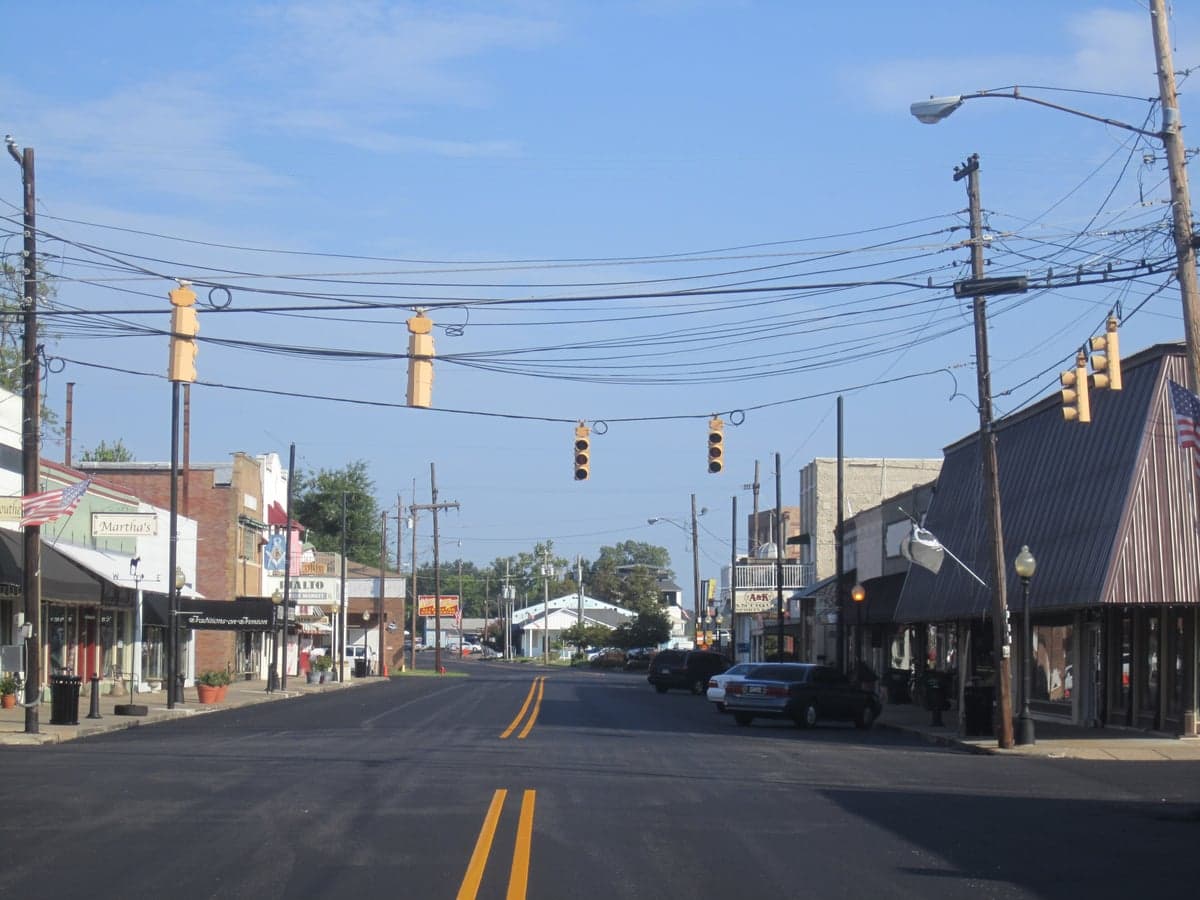
Photo: Wikipedia
Quality of Life in West Monroe, LA
A high quality of life with strong walkability, manageable living costs, healthy neighborhood signals, and solid amenity access.
What does Quality of Life tell us?
Quality of Life blends cost of living, nearby amenities, socioeconomic signals, and neighborhood character. City-level scores represent the whole municipality; individual neighborhoods can differ.
What does this tell us?
Quality of Life blends cost of living, nearby amenities, socioeconomic signals, and neighborhood character. City-level scores represent the whole municipality; individual neighborhoods can differ.
Cost of Living
33% below national average
The Real Cost of Living in West Monroe, LA for 2026
| Tier | Individual | Family (4) |
|---|---|---|
| Survival | $13k | $24k |
| Comfortable | $34k | $50k |
| Luxury | $79k+ | $122k+ |
| Elite (Top 5%) | $93k+ | $144k+ |
94%
The Area Signal
A metric tracking the socioeconomic signals of the area.
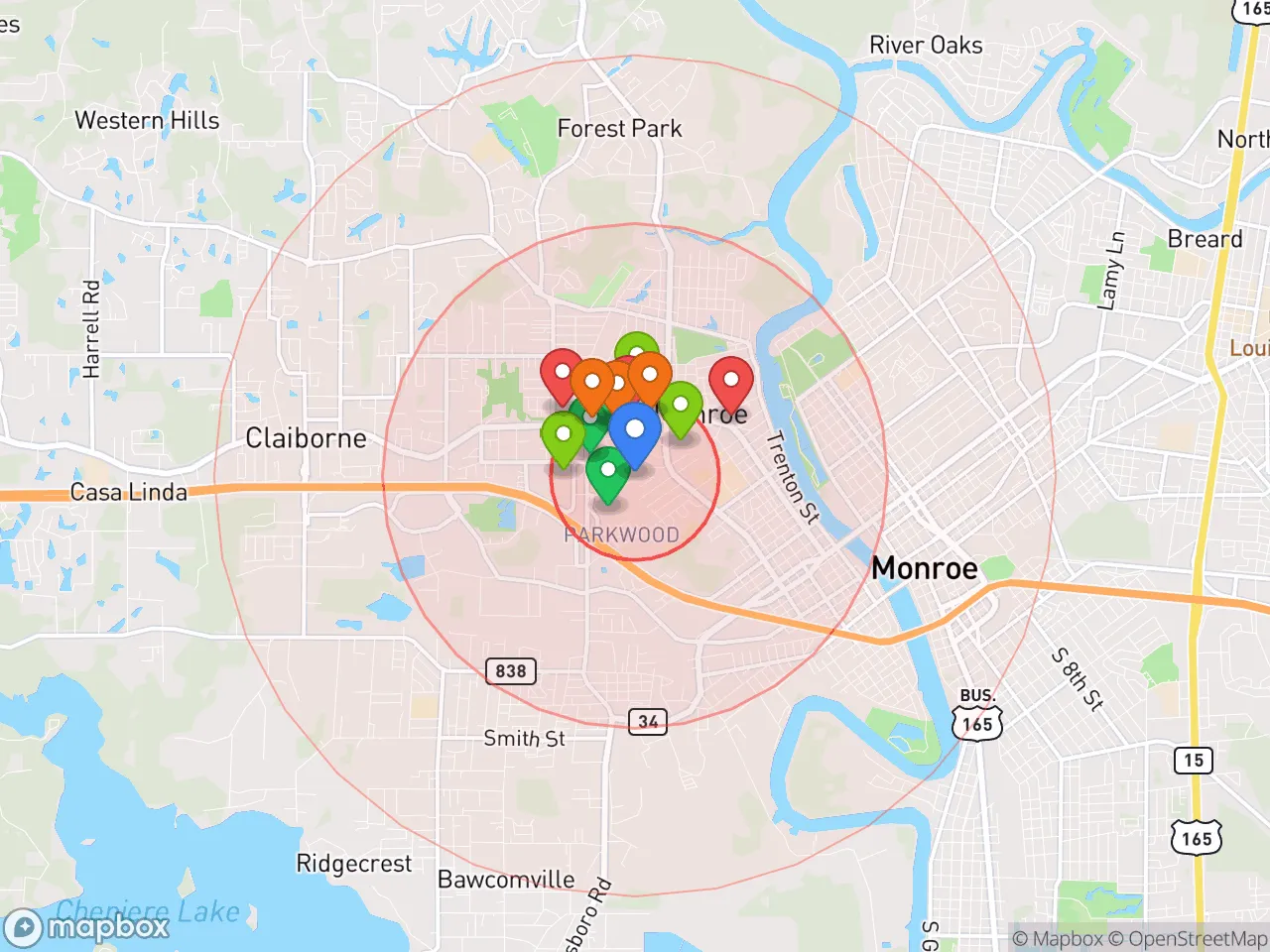
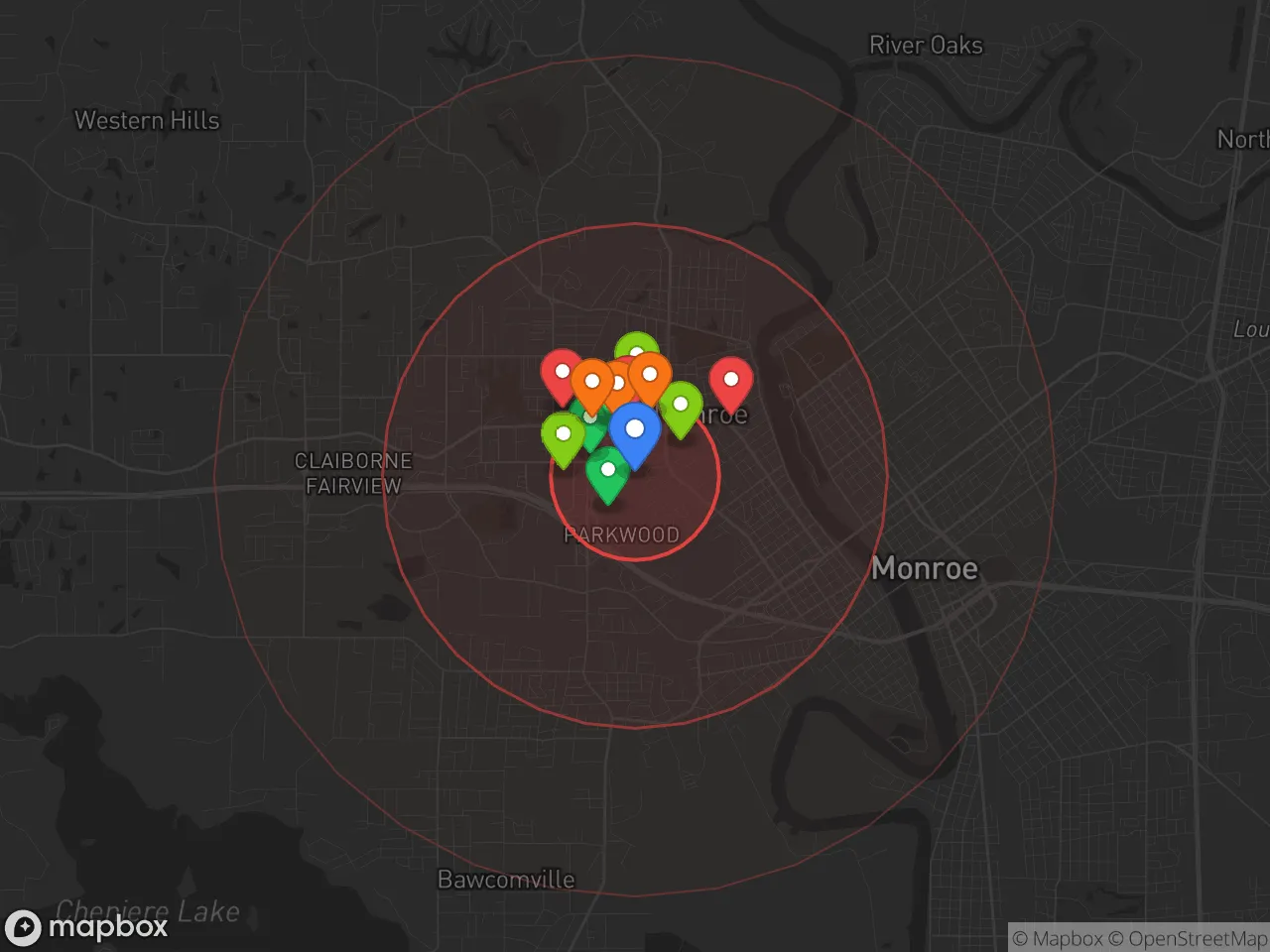
Hobbies
Explore the areaGroceries
6 within 10 miles
Gas
20 within 10 miles
Hospital
7 within 20 miles
Airport
IAH — George Bush Intercontinental
Post Office
USPS — West Monroe, LA
Critical Amenities
Quality-of-Life Analysis
West Monroe, Louisiana, offers a notably affordable quality of life that attracts a mix of working-class families, retirees, and young professionals seeking a lower cost of living without sacrificing access to regional amenities. With a cost-of-living index of 67—33 percent below the U.S. average—the city provides a financial cushion that allows residents to stretch their incomes further than in most of the country. The population skews toward those who value stability, community ties, and proximity to outdoor recreation along the Ouachita River, rather than high-energy urban nightlife or rapid economic growth.
How housing costs and everyday expenses compare to Monroe and Ruston
Housing is the primary driver of West Monroe’s affordability. The median home value sits at $174,400, roughly half the national median, while the median rent is $815 per month—well below the $1,200+ averages seen in larger Louisiana metros like Baton Rouge or New Orleans. Compared to nearby Monroe (just across the Ouachita River), West Monroe homes are slightly cheaper, and both cities undercut Ruston’s housing costs by about 10–15 percent. Utilities, groceries, and transportation also run below national averages, with the average commute clocking in at just 17 minutes—significantly shorter than the national average of 26 minutes. This short drive time reduces fuel and vehicle maintenance costs, a meaningful factor for households on tight budgets. Property taxes in Ouachita Parish are moderate, and Louisiana’s homestead exemption further lowers the tax burden for owner-occupied homes.
What daily life is like for families: schools, shopping, and recreation
Daily life in West Monroe centers on a slower, family-oriented pace. The Ouachita Parish School System serves the area, with West Monroe High School and West Monroe Elementary consistently rated above state averages in academic performance. For shopping and dining, the city offers a mix of national chains and local businesses along Thomas Road and Cypress Street, while the Pecanland Mall in Monroe provides additional retail options just a 10-minute drive away. Outdoor recreation is a major draw: the Black Bayou Lake National Wildlife Refuge and the Ouachita River offer fishing, kayaking, and hiking within city limits. The West Monroe Farmers Market operates seasonally, and the city hosts community events like the annual Louisiana Art & Folk Festival. Healthcare access is solid, with Glenwood Regional Medical Center and St. Francis Medical Center both within 15 minutes. The rhythm of life here is quiet and predictable—most errands are done by early afternoon, and evening activities revolve around family dinners, church events, or high school sports, which are a cultural cornerstone.
West Monroe is best suited for those who prioritize financial breathing room and a close-knit community over career diversity or urban excitement. Retirees on fixed incomes benefit from the low housing costs and short commutes, while young families appreciate the strong school options and safe neighborhoods. Remote workers can take advantage of the low cost of living and reliable internet coverage, though local job growth is modest and concentrated in healthcare, retail, and manufacturing. Anyone seeking a vibrant nightlife, rapid career advancement, or cultural diversity may find West Monroe limiting. For those who value affordability, short commutes, and a slower rhythm, however, the city delivers a stable, comfortable foundation for daily life.

Crime in West Monroe, LA
Significantly higher crime rates than 84% of comparable U.S. locations.
Violent CrimeViolent Crime Analysis
Property CrimeProperty Crime Analysis
Crime Analysis
West Monroe, Louisiana, reports a violent crime rate of 1,061.9 per 100,000 residents and a property crime rate of 5,342.1 per 100,000, both significantly exceeding national averages. These figures place the city among the higher-crime communities in the state, a reality shaped by local socioeconomic conditions and the broader criminal justice environment in northeastern Louisiana. Prospective residents should weigh these statistics carefully against their own tolerance for risk and daily routines.
Crime in context
West Monroe’s violent crime rate is roughly three times the national average, while its property crime rate is nearly double the U.S. median. Compared to Louisiana’s statewide violent crime rate of approximately 560 per 100,000, West Monroe’s figure is nearly double. The property crime rate also exceeds the state average of roughly 3,200 per 100,000. These disparities are partly attributable to the city’s status as a regional commercial hub along Interstate 20, which draws transient populations and opportunistic theft. Additionally, the broader Ouachita Parish justice system operates under a progressive prosecutorial philosophy that emphasizes diversion and reduced incarceration for property and drug offenses. While intended to reduce recidivism, this approach has been linked to higher rates of repeat offending and a perception among residents that consequences for crime are insufficient, contributing to the elevated crime numbers.
What residents experience
Daily life in West Monroe involves a heightened awareness of property crime, particularly vehicle break-ins, package theft, and burglary of unoccupied homes. Violent incidents, while less frequent than property crimes, are concentrated in specific areas and often involve disputes among acquaintances rather than random attacks. Residents report that police response times can vary, with the West Monroe Police Department handling roughly 25,000 calls for service annually across a population of about 13,000. The department has implemented community policing initiatives, but staffing levels remain a challenge. Many locals supplement official patrols with neighborhood watch programs and private security cameras. The presence of progressive judicial policies in Ouachita Parish—including pretrial release programs and reduced sentencing for nonviolent offenders—means that individuals arrested for theft or drug possession often return to the streets quickly, a cycle that frustrates residents and business owners alike.
Neighborhood-level variation is significant. Areas west of the Ouachita River, including the historic Cottonport and Pine Street corridors, experience the highest concentration of both violent and property crime. In contrast, the suburban subdivisions near Cheniere Lake and along Millhaven Road report lower incident rates, though property crime still occurs. Gated communities and newer developments east of I-20 tend to have the lowest crime levels, with residents citing proactive homeowners’ associations and private security patrols as effective deterrents. For those considering relocation, choosing a neighborhood north of U.S. Highway 80 or east of the river generally correlates with lower risk, though no area is immune from the city’s elevated crime baseline.
* Values derived from national, state, county, city and local statistics and may differ in a specific area. Last updated: 2026-04-23T01:14:47.000Z
Narrative content on this page is AI-generated and may contain mistakes. Verify any details that matter before acting on them.
ReloMaps may earn a commission from affiliate links at no extra cost to you.

