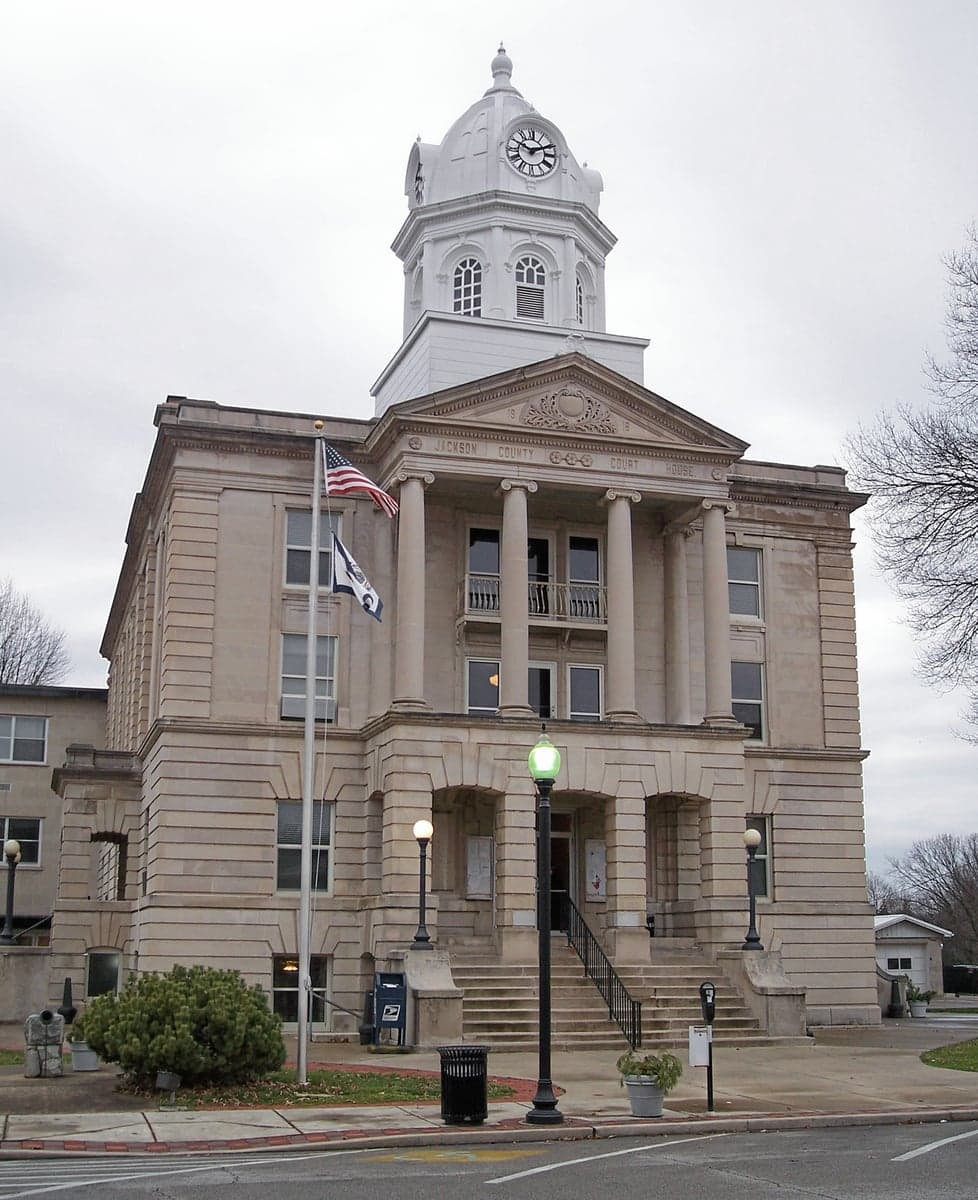
Photo: Wikipedia
Quality of Life in Jackson County
A livable area that tracks near national norms for affordability, walkability, and neighborhood health.
What does Quality of Life tell us?
Quality of Life measures an area by evaluating factors like cost of living, nearby amenities, country club access, airport proximity, socioeconomic signals and neighborhood character. For large states, this is a general average — quality of life can vary dramatically between metro areas, suburbs, and rural communities within the same state.
What does this tell us?
Quality of Life measures an area by evaluating factors like cost of living, nearby amenities, country club access, airport proximity, socioeconomic signals and neighborhood character. For large states, this is a general average — quality of life can vary dramatically between metro areas, suburbs, and rural communities within the same state.
Cost of Living
41% below national average
126%
The Real Cost of Living in Jackson County for 2026
| Tier | Individual | Family (4) |
|---|---|---|
| Survival | $11k | $22k |
| Comfortable | $30k | $44k |
| Luxury | $101k+ | $156k+ |
| Elite (Top 5%) | $142k+ | $219k+ |
Quality-of-Life Analysis
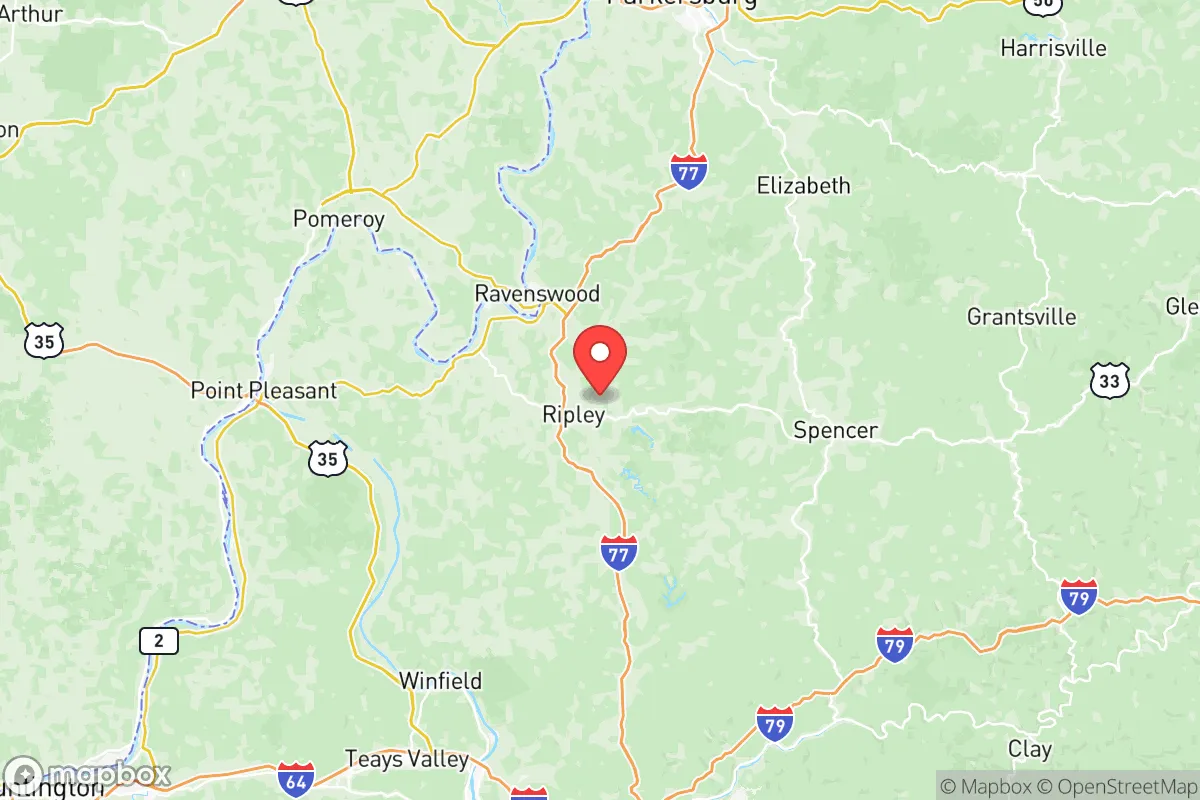
Jackson County, West Virginia, offers a spectrum of living environments that range from the walkable, historic river town of Ripley to deeply rural, unincorporated communities like Kenna and Given, attracting everyone from remote workers seeking low costs to commuters heading toward Charleston or Parkersburg. The county’s character is defined by its position along the Ohio River and its rolling Appalachian foothills, creating distinct pockets where daily life, amenities, and pace of life shift noticeably. With a cost of living index of 59 — 41% below the national average — and a median home value of just $154,600, the county draws people who prioritize affordability and space over urban density, but the trade-offs in services and commute times vary significantly by location.
Largest town(s) & population centers
Ripley, the county seat and largest municipality, is the commercial and civic heart of Jackson County. Daily life here centers around the historic downtown square, anchored by the Jackson County Courthouse, and a mix of local retailers, chain restaurants, and grocery stores along US-33. The town offers the county’s densest concentration of services, including Jackson General Hospital, the main public library, and multiple public schools. Ripley’s housing stock leans toward older single-family homes and modest ranch-style houses, with median home values slightly above the county average but still well under $200,000. The town’s walkability is limited to the immediate downtown core, but most errands require a car. Ravenswood, the second-largest town, sits along the Ohio River and has a more industrial character, anchored by the Century Aluminum plant and a smaller downtown district. Daily life in Ravenswood is quieter than Ripley, with fewer retail options but stronger riverfront recreation, including the Ravenswood City Park and boat ramps. Both towns see average commute times around 29.6 minutes, reflecting the many residents who drive to larger employment centers in Charleston (about 45 minutes south) or Parkersburg (about 30 minutes north).
Smaller towns & rural pockets
Beyond the two main towns, Jackson County’s smaller communities offer a markedly different lifestyle. Cottageville, a small unincorporated village along WV-87, is a classic crossroads settlement with a post office, a few churches, and little else — residents here drive 15–20 minutes to Ripley for groceries and medical care. Kenna, located at the intersection of US-33 and WV-34, is a rural hamlet that has seen modest residential growth due to its proximity to both Ripley and the interstate corridor, but still lacks commercial services beyond a gas station and a Dollar General. Given, near the Roane County line, is even more remote, with winding two-lane roads, scattered farmsteads, and no incorporated government. These areas are characterized by larger lots — often 1–5 acres — older mobile homes and modular houses, and a strong reliance on well water and septic systems. The trade-off for lower land prices (some parcels under $50,000) is a longer drive to any amenity, with the average commute stretching to 35–40 minutes for those working outside the county.
Cost & lifestyle range
The cost spread across Jackson County is wide but uniformly low by national standards. At the upper end, Ripley’s newer subdivisions — such as those off Charleston Drive — feature homes in the $200,000–$280,000 range, with median rents around $720 and access to the town’s full set of services. At the lower end, rural areas near Given and Kenna see median home values closer to $100,000–$120,000, with many properties being older manufactured homes on leased land. Rentals in these pockets are scarce and often informal, with monthly costs sometimes below $500 for a small house or trailer. The lifestyle difference is tangible: Ripley residents can walk to the post office or grab coffee at a local diner, while those in rural Given must plan trips for every errand. Internet access also varies — Ripley and Ravenswood have cable broadband, but many rural addresses still rely on fixed wireless or satellite, making remote work inconsistent. The county’s overall COL index of 59 means even the most expensive areas are cheaper than the national average, but the gap between a Ripley subdivision and a Kenna farmstead can represent a 40–50% difference in housing costs.
Jackson County best suits people who value deep affordability and a slower pace over urban convenience. Remote workers with reliable internet can thrive in Ripley’s walkable core or on a rural acreage near Cottageville, while commuters to Charleston or Parkersburg will find the 30-minute drive manageable for the housing savings. Families seeking good schools and a safe environment gravitate to Ripley’s subdivisions, while retirees and outdoor enthusiasts often choose the riverfront quiet of Ravenswood or the seclusion of Given. The county’s spectrum of options — from a historic small town with a courthouse square to a hollow with no stoplight — means the right fit depends entirely on how much isolation and self-sufficiency a resident is willing to accept in exchange for one of the lowest costs of living in the eastern United States.

Crime in Jackson County
Generally safer than 69% of comparable U.S. locations.
Violent CrimeViolent Crime Analysis
Property CrimeProperty Crime Analysis
Crime Analysis
Jackson County, West Virginia, presents a mixed safety picture that is significantly shaped by its rural character and the contrasting crime dynamics of its small towns. With a violent crime rate of 220 per 100,000 residents and a property crime rate of 923 per 100,000, the county is safer than the national average but faces localized challenges, particularly in its more populated areas. The county’s overall safety is heavily influenced by the policies of its local justice system, which leans conservative, a factor that generally correlates with more predictable law enforcement outcomes compared to larger, more progressive jurisdictions.
Crime in context
Jackson County’s violent crime rate of 220 per 100,000 is 37% lower than the national average of 380 per 100,000 and roughly on par with the West Virginia state average of 230 per 100,000. Property crime, at 923 per 100,000, is 35% below the national rate of 1,420 per 100,000 but slightly above the state average of 890 per 100,000. These figures place Jackson County in a relatively favorable position within the state, though the property crime rate warrants attention. The county’s judicial district, part of the 4th Judicial Circuit, is not known for the progressive prosecutorial policies seen in some urban areas—such as those in Kanawha County (Charleston) or larger metros—which can lead to higher recidivism and reduced public confidence. In Jackson County, the focus remains on traditional law enforcement and sentencing, which helps keep violent crime in check.
What residents experience
Residents in Jackson County’s largest town, Ripley, report the most frequent encounters with property crime, including thefts from vehicles and burglaries, particularly near the commercial corridors along US-33 and WV-62. The town of Ravenswood, home to a major industrial employer (Constellium), experiences a lower rate of violent crime but sees occasional incidents of disorderly conduct and drug-related offenses, reflecting broader state trends with opioid misuse. In contrast, smaller communities like Kenna and Gay are notably quieter, with residents often citing a strong sense of security and low incidence of serious crime. The county’s rural nature means that many crimes are opportunistic—such as unlocked vehicle entries or theft of outdoor equipment—rather than the organized or violent patterns seen in larger cities. The local sheriff’s office maintains a visible presence, and community policing efforts in Ripley and Ravenswood help mitigate risks.
Neighborhood-level variation
Safety in Jackson County varies distinctly by location. The unincorporated areas around Evans and Given are among the safest, with virtually no violent crime and property crime limited to isolated incidents. Conversely, the more densely populated parts of Ripley, especially near the courthouse square and along the main highway, see the bulk of reported thefts and occasional assaults. The Ravenswood area, while generally safe, has pockets near the riverfront and older industrial zones where property crime is slightly elevated. For those considering relocation, the safest choices are the smaller hamlets and rural subdivisions outside of Ripley and Ravenswood, where crime rates are negligible. The county’s conservative judicial approach—without the soft-on-crime policies seen in progressive urban districts—provides a baseline of accountability that residents generally trust, though vigilance against property crime remains advisable in the more populated centers.
* Values derived from national, state, county, city and local statistics and may differ in a specific area. Last updated: 2026-05-13T12:34:43.000Z
Narrative content on this page is AI-generated and may contain mistakes. Verify any details that matter before acting on them.
ReloMaps may earn a commission from affiliate links at no extra cost to you.

