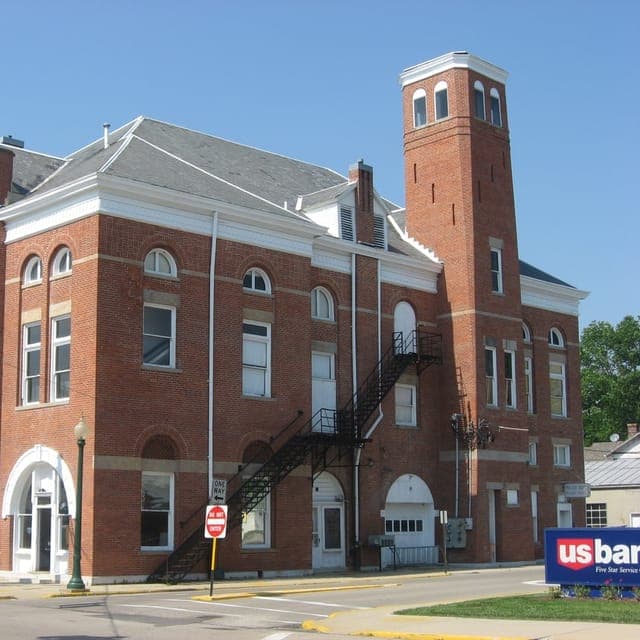
Photo: Wikipedia
Find The Best Places To Live
in Ripley
PRO TIP! You can paste a Zillow or Redfin link to get info on that property.
What It's Like Living in Ripley, WV
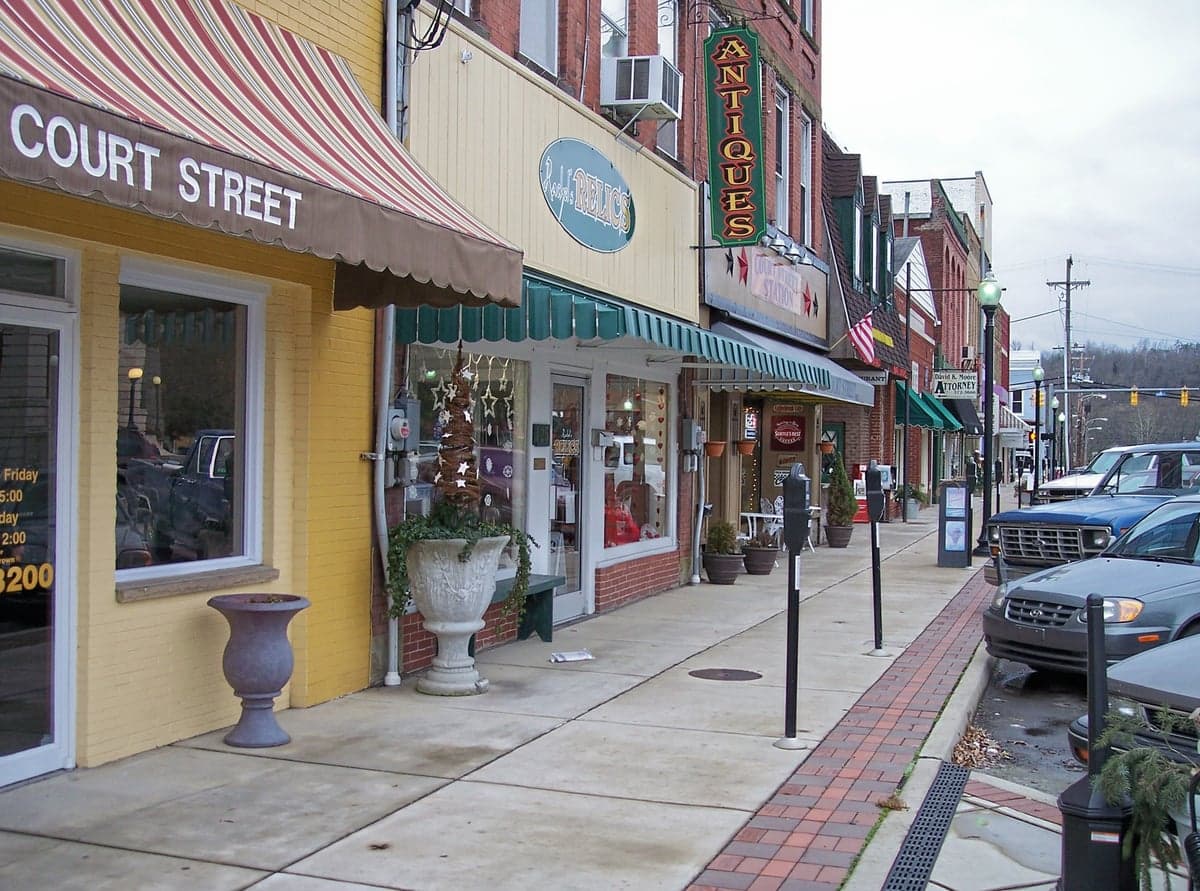
Living in Ripley, West Virginia, feels a lot like stepping into a slower, quieter chapter of American life—one where people still wave from their porches and the high school football game on a Friday night is the biggest event of the week. With just over 3,000 residents, this small Jackson County seat isn't trying to be anything it's not: it's a place for folks who value affordability, familiarity, and a pace of life that lets you actually catch your breath. If you're looking for a bustling nightlife or a booming job market, you'll be disappointed; if you're looking for a safe, low-cost place to raise a family or settle into a simpler routine, Ripley might surprise you.
The Daily Rhythm: What Life Actually Looks Like
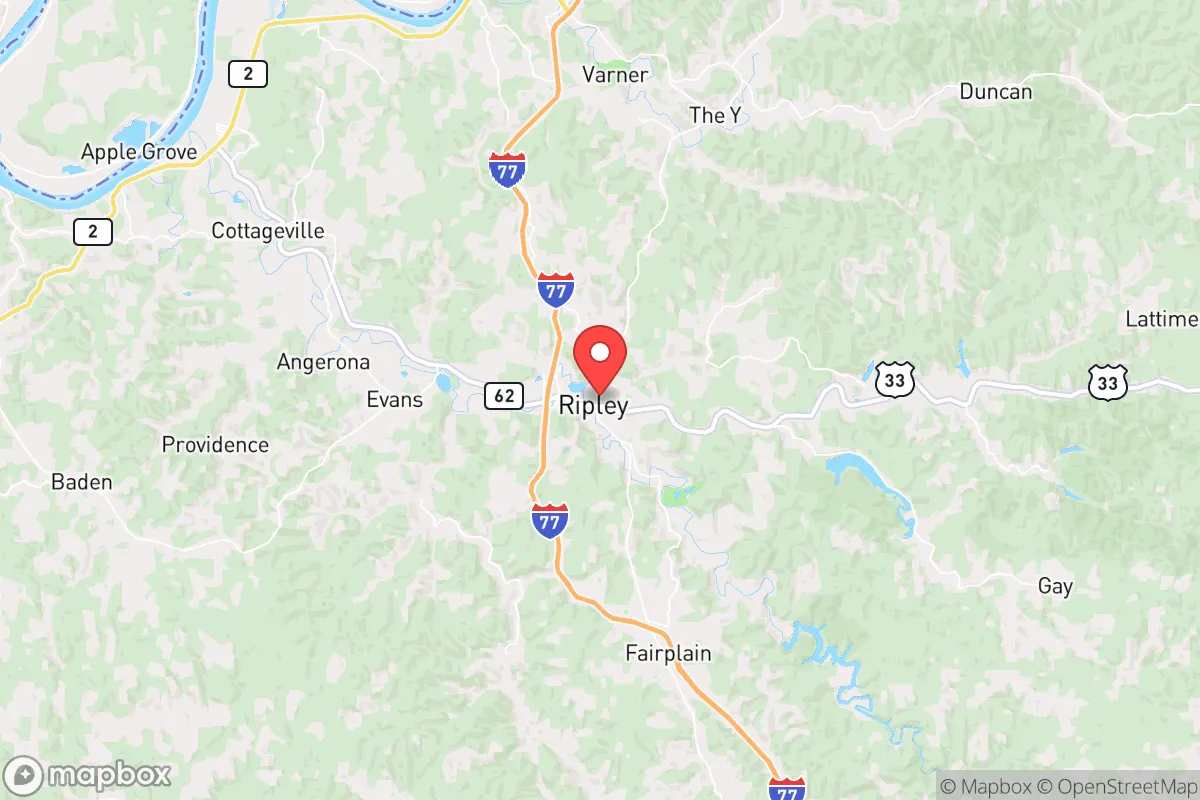
Most mornings in Ripley start with a cup of coffee at a local diner or a quick stop at the Save-A-Lot before heading to work. The biggest employers here are tied to the area's industrial and service backbone—think manufacturing, healthcare, and education—so the commute is refreshingly short. The average drive to work clocks in at about 27 minutes, which is a bit longer than you might expect for a town this size, but that's because many residents work in nearby towns like Ravenswood or even commute to Charleston, about 45 minutes south. The median household income sits at $35,120, which is modest, but the cost of living index is a striking 46—less than half the national average. That means your dollar stretches further here than in almost any other part of the country, and a median home value of $119,300 makes homeownership a realistic goal for most single people and young families.
Weekends are often spent outdoors or at community events. The town's geography—set in the rolling hills of western West Virginia—means hiking, fishing, and four-wheeling are popular pastimes. The nearby Ohio River offers boating and kayaking, and the Ripley City Park is a hub for family picnics and little league games. When it comes to eating out, you'll find a handful of local spots like El Mariachi for Mexican food and Ripley Restaurant for classic American fare, but don't expect a thriving food scene—most folks cook at home or drive to Parkersburg (about 20 minutes north) for more variety.
Sports, Community, and the High School Anchor
If there's one thing that unites Ripley, it's Ripley High School Vikings football. Friday nights in the fall are sacred, with the whole town turning out for games at the high school stadium. The energy is genuine—not the forced boosterism you see in some small towns, but a real sense of shared identity. Basketball and baseball also draw solid crowds, and the school itself serves as a social and cultural center for families. For college sports, you're looking at a loyal but distant following of West Virginia University Mountaineers (about two hours east in Morgantown) and Marshall University Thundering Herd (about an hour south in Huntington). There are no pro teams nearby, so the high school and college allegiances fill that void completely.
The community's identity is deeply tied to its Appalachian roots, which means a strong emphasis on self-reliance, neighborliness, and a certain wariness of outsiders. You'll hear "please" and "thank you" constantly, but it might take a while to be fully accepted if you're not from here. The annual Ripley Fall Festival in September is a highlight—think craft booths, live bluegrass, and a parade that shuts down Main Street—and the Jackson County Fair in July brings carnival rides and livestock shows that feel like a genuine slice of rural Americana.
Pros and Cons: The Honest Trade-Offs
Let's be straightforward about what works and what doesn't. On the plus side, the cost of living is almost impossibly low. You can buy a decent three-bedroom house for under $120,000, and your monthly bills will be a fraction of what they'd be in a city. The violent crime rate of 163.1 per 100,000 is below the national average, and most people feel safe leaving their doors unlocked. The pace of life is genuinely restful—traffic is a non-issue, and you can get from one end of town to the other in under ten minutes.
On the downside, economic opportunity is limited. With a median income that low and only about 20.3% of adults holding a college degree, well-paying professional jobs are scarce. If you're a remote worker or have a trade skill, you'll do fine; if you're looking for a corporate career, you'll likely need to commute or move. The median age of 44.9 also hints at a graying population—young adults often leave for bigger cities, which can make the social scene feel thin for singles in their 20s and early 30s. Weather-wise, winters are cold and gray, with occasional snow that can shut things down for a day or two, and summers are humid but bearable. The biggest frustration locals voice is the lack of entertainment options—there's no movie theater, no bowling alley, and only a couple of bars (try The Office Lounge for a low-key drink). For a night out with more energy, you're driving to Parkersburg or Charleston.
Who Fits In Here—and Who Might Not
Ripley is best suited for people who value stability, affordability, and community connection over excitement or career ambition. It's a natural fit for parents who want their kids to grow up in a safe, small-town environment where everyone knows each other, and for retirees or remote workers who want to stretch their income. Single people might find the dating pool shallow and the social options limited, but if you're content with quiet evenings, outdoor hobbies, and a tight-knit circle of friends, it can work. The cultural quirks are real—people here are proud of their independence, suspicious of government overreach, and generally conservative in their politics. If that aligns with your values, you'll feel right at home. If not, you might find the lack of diversity in thought and lifestyle a bit stifling. Either way, Ripley is what it is: a genuine, unpretentious small town where the biggest decision of the week is whether to get the meatloaf or the fried chicken at the church potluck.

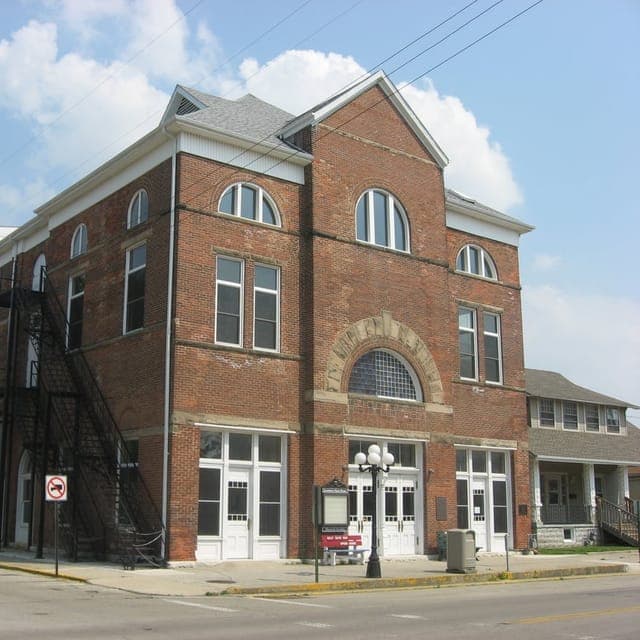
Similar small towns to Ripley
* Values derived from national, state, county, city and local statistics and may differ in a specific area. Last updated: 2026-04-24T11:44:14.000Z
Narrative content on this page is AI-generated and may contain mistakes. Verify any details that matter before acting on them.
ReloMaps may earn a commission from affiliate links at no extra cost to you.

