Photo: Wikipedia
Find The Best Places To Live
in Bluefield
PRO TIP! You can paste a Zillow or Redfin link to get info on that property.
What It's Like Living in Bluefield, WV
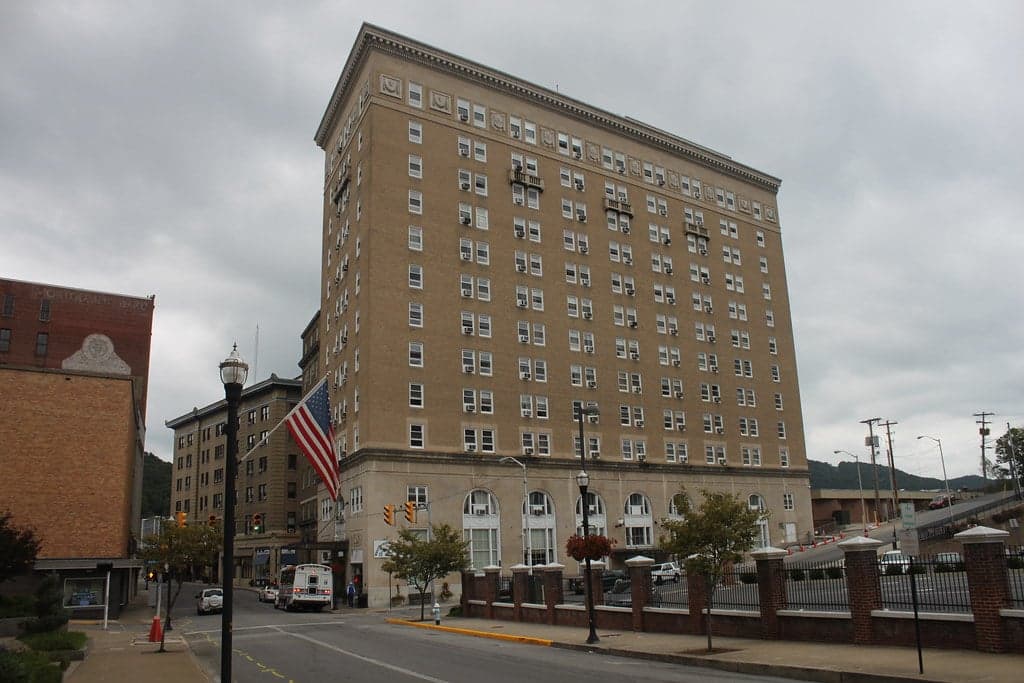
Living in Bluefield, WV feels a bit like being in a small city that time forgot in the best and most frustrating ways. It’s a place where the mountains press in close, the air is crisp, and everyone knows your name—or at least your last name. With a population just over 9,500, it’s tight-knit, proud of its railroad and coal heritage, and offers a slower pace that appeals to folks who want space, affordability, and a real sense of community, even if that means fewer options for nightlife or shopping.
The Daily Rhythm: What People Actually Do
Most mornings in Bluefield start with a cup of coffee at a local diner like R Place Restaurant or a quick stop at Sheetz before the 22-minute average commute. People work in healthcare (Bluefield Regional Medical Center is a major employer), education (Bluefield State University and local schools), or retail and logistics. The median household income sits at $43,826, which goes a long way here thanks to a cost of living index of 55—roughly half the national average. Weekends often mean yard work, a trip to Pinnacle Rock State Park for a hike, or catching up with neighbors at the Bluefield Farmers Market (May through October). Shopping is practical: you’ll hit Walmart or Food City for groceries, and for anything bigger, folks drive 45 minutes to Beckley or an hour to Roanoke, VA.
Sports, Community, and the Local Identity
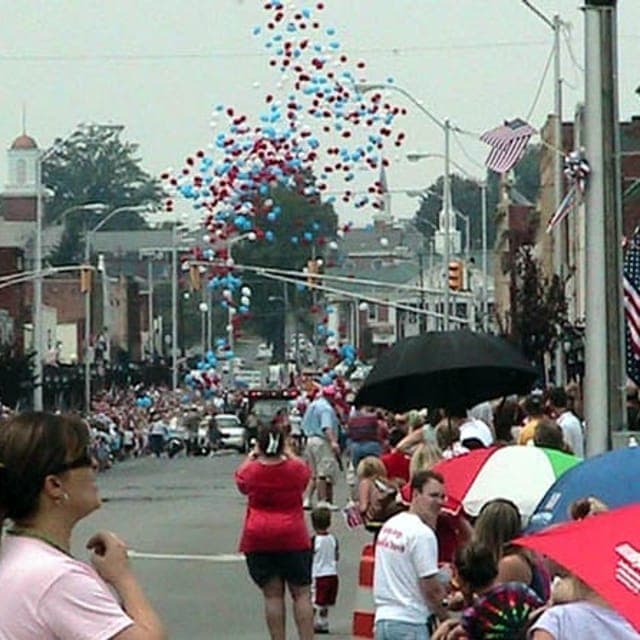
High school football is a big deal here—Bluefield High School’s Beavers pack the stands on Friday nights, and the rivalry with Graham High School across the state line in Virginia is legendary. There’s no pro sports team, but locals follow the West Virginia Mountaineers (college football and basketball) with real passion. The community’s identity is wrapped up in its Appalachian roots: the annual Bluefield Coal Show draws industry folks every two years, and the Ramp Festival (celebrating the wild leek) is a quirky, must-attend event for anyone who wants to understand local food culture. The Bluefield City Park hosts summer concerts and a popular Fourth of July fireworks show. One cultural quirk: people here are fiercely independent but also quick to help a neighbor—you’ll see it in the volunteer fire departments and church suppers that still thrive.
What’s There to Do (and What’s Missing)
Outdoor life is the main draw. East River Mountain Overlook gives you a killer view of three states, and the Bluestone River offers fishing, kayaking, and camping. The Bluefield Arts Center hosts plays and concerts, and the Ritz Theatre shows classic movies and live music. For bars, The RailYard is a popular spot for craft beer and live bands, while Shott’s Pub is more of a dive-bar hangout. The biggest frustration? Limited dining variety—you’ll find solid Mexican, Italian, and American fare, but no high-end sushi or trendy farm-to-table spots. Another con: the weather. Winters are cold and snowy (average 30-40 inches annually), and spring can be rainy. Summers are mild but humid. The violent crime rate of 364.7 per 100,000 is higher than the national average, though most crime is property-related and concentrated in specific areas—longtime residents say the city feels safe if you’re smart about where you go at night.
Who Fits In, and the Real Trade-Offs
Bluefield works best for people who value affordability and space over convenience and variety. The median home value is $101,000, meaning a young family or single person can buy a decent house on a modest income. The median age is 41.2, so it’s not a party town—more of a place for settling down. Only 24.7% of adults have a college degree, so the job market leans blue-collar and service-oriented; remote workers or retirees with savings do especially well here. The pros: low cost of living, strong community ties, beautiful scenery, and a slower pace. The cons: limited job opportunities, a shrinking population (down about 10% since 2010), and a lack of big-city amenities. Traffic is almost nonexistent—you can get from one end of town to the other in 10 minutes. Schools are a mixed bag; Bluefield High School has a solid reputation locally, but test scores lag state averages. For parents, the schools are a community hub—PTA meetings and ball games are where you’ll meet everyone.

Similar small towns to Bluefield
* Values derived from national, state, county, city and local statistics and may differ in a specific area. Last updated: 2026-05-01T13:45:23.000Z
Narrative content on this page is AI-generated and may contain mistakes. Verify any details that matter before acting on them.
ReloMaps may earn a commission from affiliate links at no extra cost to you.

