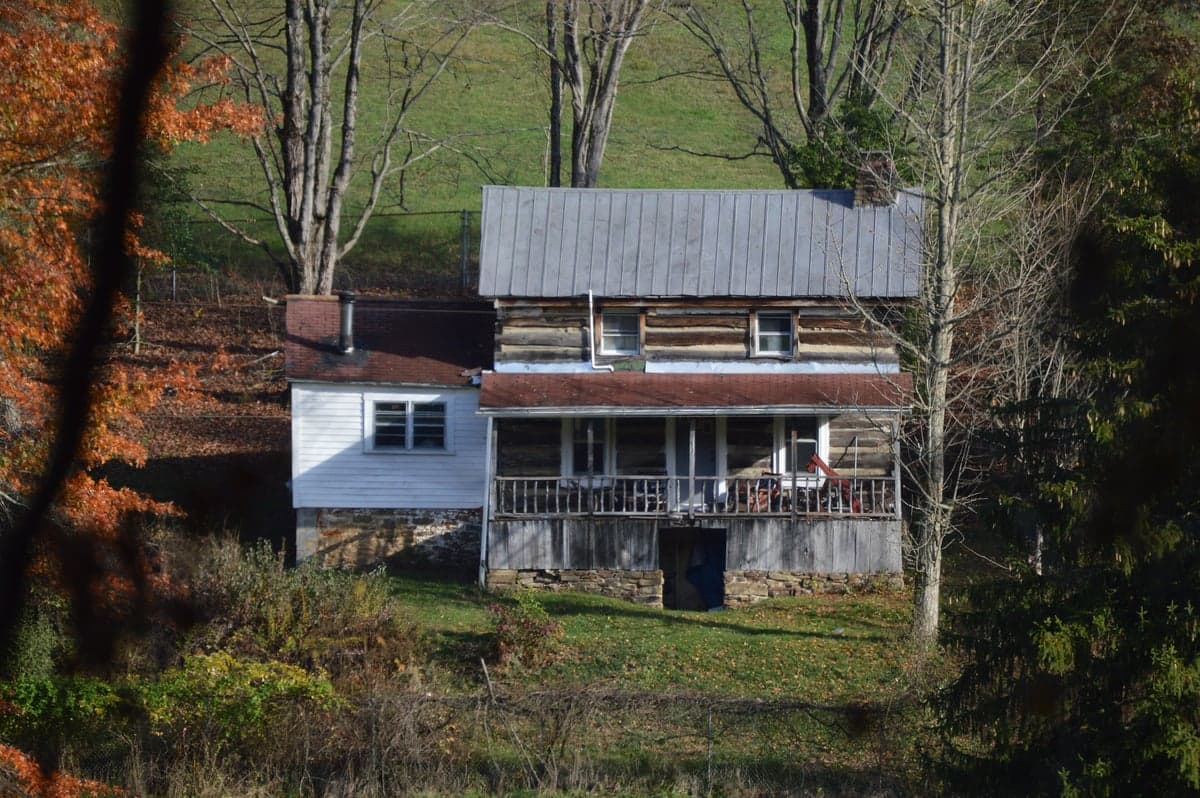
Photo: Wikipedia
Quality of Life in Taylor County
A livable area that tracks near national norms for affordability, walkability, and neighborhood health.
What does Quality of Life tell us?
Quality of Life measures an area by evaluating factors like cost of living, nearby amenities, country club access, airport proximity, socioeconomic signals and neighborhood character. For large states, this is a general average — quality of life can vary dramatically between metro areas, suburbs, and rural communities within the same state.
What does this tell us?
Quality of Life measures an area by evaluating factors like cost of living, nearby amenities, country club access, airport proximity, socioeconomic signals and neighborhood character. For large states, this is a general average — quality of life can vary dramatically between metro areas, suburbs, and rural communities within the same state.
Cost of Living
45% below national average
138%
The Real Cost of Living in Taylor County for 2026
| Tier | Individual | Family (4) |
|---|---|---|
| Survival | $11k | $20k |
| Comfortable | $28k | $41k |
| Luxury | $99k+ | $154k+ |
| Elite (Top 5%) | $117k+ | $181k+ |
Quality-of-Life Analysis
Taylor County, West Virginia, offers a spectrum of living environments that range from the modest commercial hub of Grafton to deeply rural, unincorporated communities, attracting everyone from budget-conscious families and retirees to outdoor enthusiasts seeking solitude. With a cost of living index of 55—well below the national average of 100—the county provides significant financial breathing room, though the trade-off is a quieter pace of life with fewer urban amenities. The county's character is defined by its rolling hills, historic railroad roots, and a population that values self-reliance and community ties, making it a fit for those who prioritize affordability and space over convenience and nightlife.
Largest town(s) & population centers
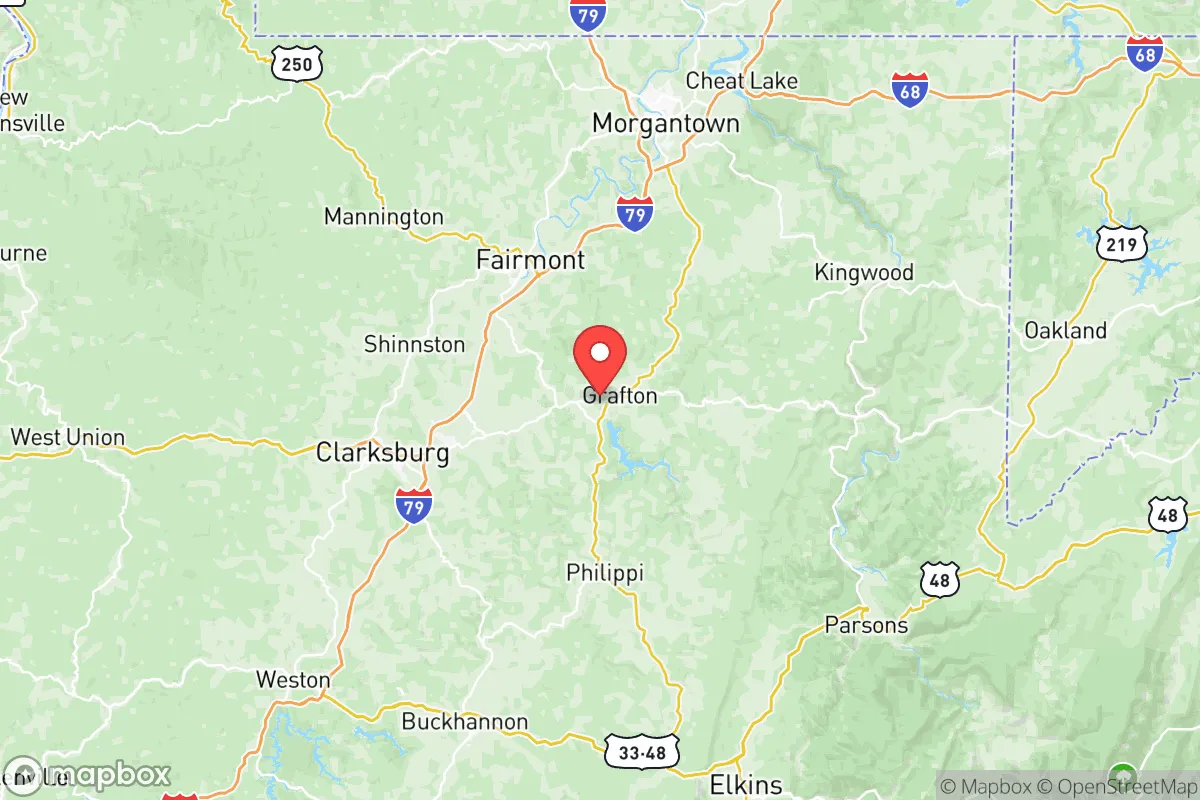
Grafton is the county seat and the largest population center, home to roughly 5,000 residents. Daily life here revolves around a compact downtown with local businesses, the historic Grafton National Cemetery, and the annual Taylor County Fair. The town offers essential services like a Walmart, grocery stores, and medical clinics, but residents often commute to Morgantown or Fairmont for major shopping and employment. The average commute across the county is about 25 minutes, which is manageable for those working in nearby larger cities. Grafton provides the most concentrated mix of housing options, from older Victorian homes to newer subdivisions, and serves as the primary social and commercial anchor for the county.
Smaller towns & rural pockets
Beyond Grafton, the county is dotted with smaller communities that offer a more secluded lifestyle. Flemington is a quiet village with a few hundred residents, known for its proximity to the Tygart Valley River and outdoor recreation. Pruntytown is an unincorporated area that hosts the West Virginia Industrial Home for Youth and a state correctional facility, providing local employment. Thornton and Boothsville are tiny rural hamlets where homes sit on larger lots and neighbors are spread out. These areas lack commercial services, so residents drive to Grafton or even Bridgeport for groceries and supplies. The rural pockets are ideal for those seeking acreage, privacy, and a direct connection to nature, with hunting, fishing, and hiking readily accessible.
Cost & lifestyle range
The cost of living in Taylor County is remarkably low, but the experience varies significantly by location. At the higher end of the spectrum, newer subdivisions on the outskirts of Grafton or near the county line with Harrison County offer homes with modern finishes and slightly higher price tags, though still well below national norms. The median home value is $144,000, and median rent is just $672, making homeownership attainable even for single-income households. At the lower end, older homes in rural areas like Fetterman or Maple Lake can be found for under $100,000, often requiring some renovation. Utility costs can be higher in remote pockets due to reliance on propane or well water, while Grafton residents benefit from municipal services. The lifestyle range is stark: Grafton offers sidewalks, a library, and a few restaurants, while rural areas demand self-sufficiency, longer drives, and a tolerance for gravel roads and limited internet options.
Taylor County is best suited for those who value financial freedom, a slower rhythm, and outdoor living over urban convenience. Retirees on fixed incomes, remote workers seeking low overhead, and families who want a safe, affordable place to raise children will find the county appealing. Those who require frequent access to cultural events, diverse dining, or high-end shopping will likely feel isolated. The county's mix of a small-town hub and vast rural landscape means there is a place for both the social retiree who enjoys the Grafton library and the homesteader who wants 10 acres of privacy in Thornton.

Crime in Taylor County
Generally safer than 68% of comparable U.S. locations.
Violent CrimeViolent Crime Analysis
Property CrimeProperty Crime Analysis
Crime Analysis
Taylor County, West Virginia, presents a mixed safety profile that is significantly shaped by its position as a rural county with a small urban core. The overall violent crime rate of 229.7 incidents per 100,000 residents is notably lower than the national average, but the property crime rate of 944.7 per 100,000 is a more pressing concern for residents, particularly in the county seat of Grafton and the town of Flemington. While not a high-crime region by national standards, the county's safety landscape is heavily influenced by the policies of local prosecutors and the proximity to larger, more problematic areas like Morgantown and Fairmont.
Crime in context
When compared to state and national benchmarks, Taylor County's violent crime rate of 229.7 per 100,000 is roughly 38% lower than the national average of approximately 370 per 100,000, and it sits below the West Virginia state average of around 310 per 100,000. This is a positive indicator for the county, suggesting that serious offenses like homicide, rape, robbery, and aggravated assault are less frequent here than in many other parts of the country. However, the property crime rate of 944.7 per 100,000 tells a different story. This figure is slightly above the national average of roughly 1,000 per 100,000 but is significantly higher than the West Virginia state average, which often hovers in the 700-800 range. This indicates that theft, burglary, and motor vehicle theft are more common problems in Taylor County than in the typical West Virginia community. The disparity between low violent crime and elevated property crime is a key characteristic of the county's safety profile.
What residents experience
For residents of Taylor County, the most tangible safety concern is property crime, not violent confrontation. The data suggests that while the risk of being a victim of a violent crime is low, the risk of having a home burglarized, a vehicle stolen, or personal property taken is a real and present issue. This is especially true in the more densely populated areas like Grafton, the county seat, where the concentration of people and commercial activity naturally leads to more opportunities for theft. Residents in smaller communities like Flemington and Thornton may experience a lower overall crime rate, but they are not immune to property crimes, particularly those targeting unoccupied homes or outbuildings. The county's location along major transportation corridors, including U.S. Route 50 and Interstate 79, also contributes to transient property crime, as it provides easy access for individuals passing through. A significant factor influencing the local justice system is the political leaning of the area. Taylor County, like much of West Virginia, is a conservative stronghold. This is a positive for public safety, as local judges and the district attorney are generally not influenced by the progressive, soft-on-crime ideologies seen in larger metropolitan areas. This means that offenders in Taylor County are more likely to face meaningful consequences, which acts as a deterrent and helps keep the violent crime rate low.
Neighborhood-level variation
Safety in Taylor County is not uniform, and there are clear distinctions between its various communities. The most significant variation exists between the urbanized area of Grafton and the more rural, unincorporated areas. Grafton, with its historic downtown and higher population density, sees the majority of the county's reported crime, particularly property offenses. In contrast, the rural areas surrounding Pruntytown and Fetterman are generally considered safer, with lower crime rates and a stronger sense of community vigilance. The presence of the Pruntytown Correctional Center, a state prison, is a notable feature of the area, but it does not appear to generate significant crime in the surrounding neighborhoods. For those considering a move to the county, choosing a home in the more sparsely populated townships or on the outskirts of Grafton can provide a noticeably safer living environment, especially regarding property crime. The conservative judicial philosophy in the county provides an additional layer of security, ensuring that the justice system prioritizes the safety of law-abiding residents over the rehabilitation of criminals.
* Values derived from national, state, county, city and local statistics and may differ in a specific area. Last updated: 2026-08-08T15:02:26.000Z
Narrative content on this page is AI-generated and may contain mistakes. Verify any details that matter before acting on them.
ReloMaps may earn a commission from affiliate links at no extra cost to you.

