Photo: Wikipedia
Political ClimatePolitical Climate in Westbrook, ME
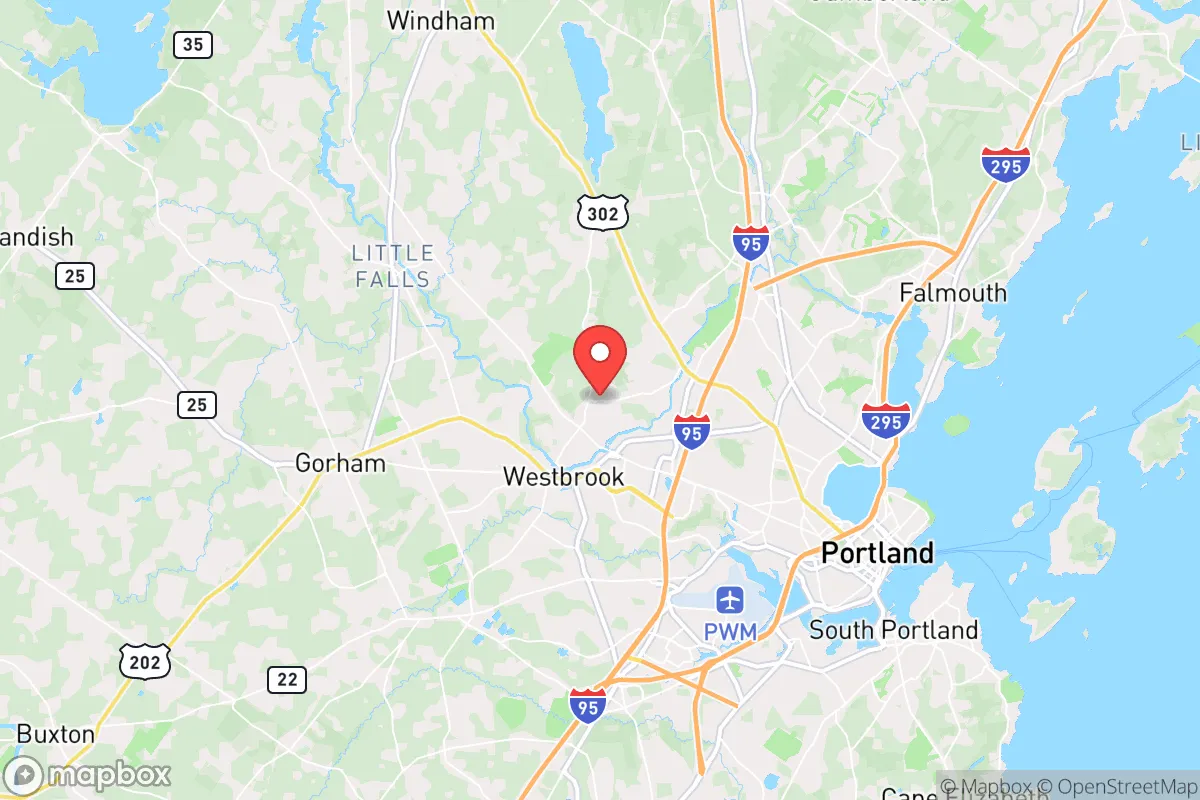
District shown is the primary district for this city’s centroid. Cities may span multiple districts.
Local Political AnalysisPolitical Analysis of Westbrook, ME
Westbrook, Maine, has a Cook PVI of D+11, meaning it leans significantly more Democratic than the national average, and that shift has accelerated noticeably over the past decade. If you've been around here long enough, you remember when Westbrook was a solidly blue-collar, independent-minded town where folks kept to themselves and didn't expect the government to solve every problem. Now, the political energy is dominated by progressive activism, with city council meetings increasingly focused on equity initiatives, climate resolutions, and zoning changes that prioritize density over property rights. The trajectory is clear: what was once a quiet mill town is becoming a satellite of Portland's left-leaning politics, and that's a concern for anyone who values local control and personal freedom.
How it compares
Westbrook sits in a political bubble compared to its immediate neighbors. Drive ten minutes west to Windham, and you'll find a town that voted for Trump in 2020 and where the local conversation is still about tax rates and school choice rather than racial equity audits. Head north to Gorham, and you'll see a more balanced mix, with a libertarian streak that resists overreach from both parties. Even Portland itself, while famously progressive, has a more established counterculture of fiscal conservatives and old-school Mainers who push back on the most aggressive proposals. Westbrook, by contrast, has become a staging ground for policies that feel imported from urban centers far from here—things like mandatory affordable housing set-asides and restrictions on short-term rentals that tell property owners what they can do with their own land. The contrast is stark: you can live in Westbrook and feel like you're in a different state than the rest of Cumberland County.
What this means for residents
For residents who value personal freedoms, the practical effects are already showing up. Property taxes in Westbrook have climbed steadily, partly because the city has embraced state-mandated growth targets that force higher-density development, which in turn strains infrastructure and schools. The school board has adopted curriculum materials that emphasize social justice frameworks, and parents who raise concerns at meetings are often dismissed as out of touch. On the housing front, the city's push for inclusionary zoning means that if you own a duplex or a small lot, you may face new regulations on what you can build or rent, reducing your ability to use your property as you see fit. The local police department, while still professional, has faced pressure to adopt "defund" adjacent reforms, including civilian oversight boards that can second-guess officer discretion. For a longtime resident, it feels like the government is inserting itself into more and more decisions that used to be left to families and neighbors.
What daily life is like for families
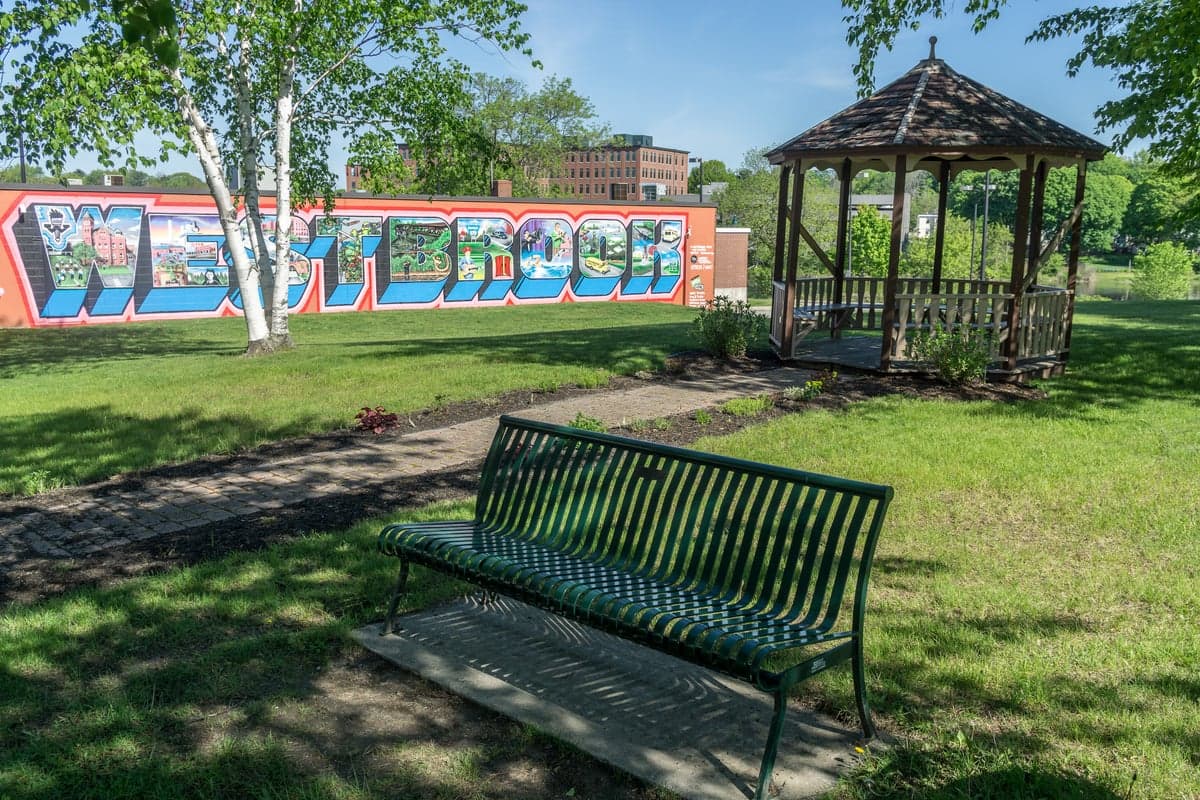
Day-to-day, Westbrook still has its charms—the River Walk is nice, and the schools are decent if you're willing to navigate the ideological drift. But the political climate creates a low-grade tension. At the grocery store or the Little League field, you'll hear neighbors grumbling about the latest city ordinance or school policy, but few feel comfortable speaking out publicly for fear of being labeled. The local paper and social media groups are dominated by progressive voices, so conservative or libertarian perspectives get drowned out. If you're a family that values self-reliance and minimal government interference, you'll find yourself increasingly on the outside looking in. The long-term trend points toward more regulation, higher taxes, and a culture that prizes collective outcomes over individual liberty. For now, Westbrook is still a livable place, but the direction is unmistakable, and it's worth watching closely if you're considering a move here.

State Political ClimatePolitical Climate in Maine
State Political AnalysisPolitical Environment in the State
Maine has long been a political paradox, leaning Democratic in presidential elections but with a fiercely independent streak that often defies party labels. Over the past 20 years, the state has shifted from a moderate, blue-collar Democratic stronghold to a more progressive, coastal-driven entity, while its vast rural interior has swung hard to the right. The 2024 election saw Maine split its electoral votes for the first time in a competitive way, with the 2nd Congressional District going to Trump by roughly 8 points, while the 1st District backed Biden by a similar margin, highlighting a state that is increasingly two nations under one flag.
Urban vs. rural divide
The political map of Maine is a study in contrast. The southern coastal corridor—Portland, Brunswick, and Biddeford—drives the state’s blue lean, with Portland’s Cumberland County alone delivering nearly a quarter of the state’s Democratic votes. These areas are dense with out-of-state transplants, young professionals, and retirees from Massachusetts and New York, who bring progressive voting habits with them. Inland, places like Bangor and Lewiston are more purple, but the real story is the rural north and west. Oxford County, once a Democratic stronghold for paper mill workers, flipped hard to Trump in 2016 and has stayed red. Aroostook County, the “crown of Maine,” is now reliably Republican, with potato farmers and loggers feeling abandoned by coastal elites. The divide isn’t just political—it’s cultural. A resident of Portland and one of Fort Kent live in different worlds, with different media, different concerns, and different visions for the state’s future.
Policy environment
Maine’s policy environment is a mixed bag that leans increasingly progressive at the state level. The income tax is a flat 5.8% for most earners, but the top marginal rate hits 7.15% above about $58,000—a heavy burden for middle-class families. Property taxes are among the highest in the nation, averaging 1.3% of home value, which stings in rural areas where home values are lower but mill rates are high. The state has expanded Medicaid under the Affordable Care Act, and Governor Janet Mills signed a paid family leave program in 2023 that mandates up to 12 weeks off, funded by a payroll tax split between employers and employees. On education, Maine has a “right to know” law that allows parents to access curriculum materials, but the state Department of Education has pushed controversial social-emotional learning and DEI initiatives that many conservative parents find intrusive. Election laws are relatively open: same-day voter registration is allowed, and no-excuse absentee voting is permanent. The state uses ranked-choice voting for federal and state primaries, which some conservatives argue dilutes the power of a straight-party vote.
Trajectory & freedom
Maine is trending toward less personal freedom, particularly in the areas of property rights and medical autonomy. In 2023, the state passed LD 2003, a sweeping energy bill that effectively bans new gas-powered vehicle sales by 2035 and mandates heat pump installations in new homes—a direct government intervention into consumer choice. The same year, the legislature overrode Governor Mills’ veto to pass a strict gun control package: a 72-hour waiting period for all firearm purchases, a “red flag” law allowing temporary confiscation without a criminal conviction, and a ban on “ghost guns.” For a state with a deep hunting tradition, this felt like a betrayal to many rural residents. On the positive side, Maine has no sales tax on groceries or clothing, and property tax relief programs like the Homestead Exemption offer some buffer. But the trend is clear: the state government is increasingly comfortable dictating how you heat your home, what you drive, and how you defend your family. The 2024 legislative session saw a push for a parental bill of rights, but it died in committee, signaling that the progressive majority in Augusta is not interested in rolling back the cultural agenda.
Civil unrest & political movements
Maine is not known for street protests, but the political temperature has risen. In 2020, Portland saw nightly Black Lives Matter demonstrations, some of which turned destructive, with statues vandalized and storefronts smashed. The city council later voted to defund the police by $1.2 million, though the move was partially reversed after a public backlash. On the right, the “Maine 2nd” movement has gained traction, with activists in rural counties pushing for secession from the 1st District—not from the Union, but from the coastal political machine. There have been formal resolutions in several towns, including Lincoln and Calais, calling for a “state of Maine 2nd” that would govern the rural interior separately. Immigration politics are a flashpoint in Lewiston, where a surge of Somali refugees since the early 2000s has reshaped the city. Tensions boiled over in 2023 when a Somali man was charged with a mass shooting in Lewiston, killing 18 people—the deadliest mass shooting in state history. The event sparked heated debates about immigration vetting and mental health policy, but the state legislature responded with more gun control, not immigration reform. Election integrity concerns are muted compared to swing states, but some rural clerks have reported pressure to accept same-day registrations without proper ID verification, and the ranked-choice voting system has been criticized for confusing voters and delaying results.
Projection
Over the next 5-10 years, Maine will likely become more polarized. The southern coast is growing faster than the rest of the state, with Cumberland County projected to add 30,000 residents by 2030, mostly from out-of-state. These new arrivals tend to vote blue, which will solidify the Democratic hold on the governor’s office and the legislature. Meanwhile, rural counties are aging and shrinking, with Aroostook County losing population every year. This demographic shift means the progressive agenda—gun control, green mandates, tax increases—will only accelerate. The 2nd Congressional District may flip to a more moderate Democrat in a wave year, but it will remain a battleground. The secession talk in the “Maine 2nd” movement is unlikely to succeed legally, but it reflects a deep alienation that could manifest in more local resistance, like town-level nullification of state gun laws or refusal to enforce energy mandates. A conservative moving to Maine today should expect a state where their vote is increasingly irrelevant in statewide races, but where local town meetings and county commissions still offer a real voice. The key is to choose your town wisely—Windham and Gorham are more conservative than Falmouth or Yarmouth, and the difference in daily life is palpable.
For a new resident, the bottom line is this: Maine offers stunning natural beauty, low crime outside of Portland, and a strong sense of community in its small towns. But the state government is on a trajectory of expanding control over your daily choices, from your car to your gun safe to your child’s curriculum. If you value personal liberty and want to live in a place where your vote still counts, you’ll need to settle in a rural town and get involved in local politics. The coastal cities are already lost to the progressive wave, but the interior is still fighting. Maine is a beautiful state to live in, but it’s no longer a free one—and it’s getting less free every year.
* Values derived from national, state, county, city and local statistics and may differ in a specific area. Last updated: 2026-05-01T18:10:16.000Z
Narrative content on this page is AI-generated and may contain mistakes. Verify any details that matter before acting on them.
ReloMaps may earn a commission from affiliate links at no extra cost to you.

