Photo: Wikipedia
Quality of Life in Westland, MI
Above-average quality of iife. The area offers a reasonable cost of living, decent mobility, and a mix of neighborhood amenities.
What does Quality of Life tell us?
Quality of Life blends cost of living, nearby amenities, socioeconomic signals, and neighborhood character. City-level scores represent the whole municipality; individual neighborhoods can differ.
What does this tell us?
Quality of Life blends cost of living, nearby amenities, socioeconomic signals, and neighborhood character. City-level scores represent the whole municipality; individual neighborhoods can differ.
Cost of Living
18% below national average
The Real Cost of Living in Westland, MI for 2026
| Tier | Individual | Family (4) |
|---|---|---|
| Survival | $18k | $33k |
| Comfortable | $34k | $50k |
| Luxury | $97k+ | $151k+ |
| Elite (Top 5%) | $114k+ | $177k+ |
123%
The Area Signal
A metric tracking the socioeconomic signals of the area.
Hobbies
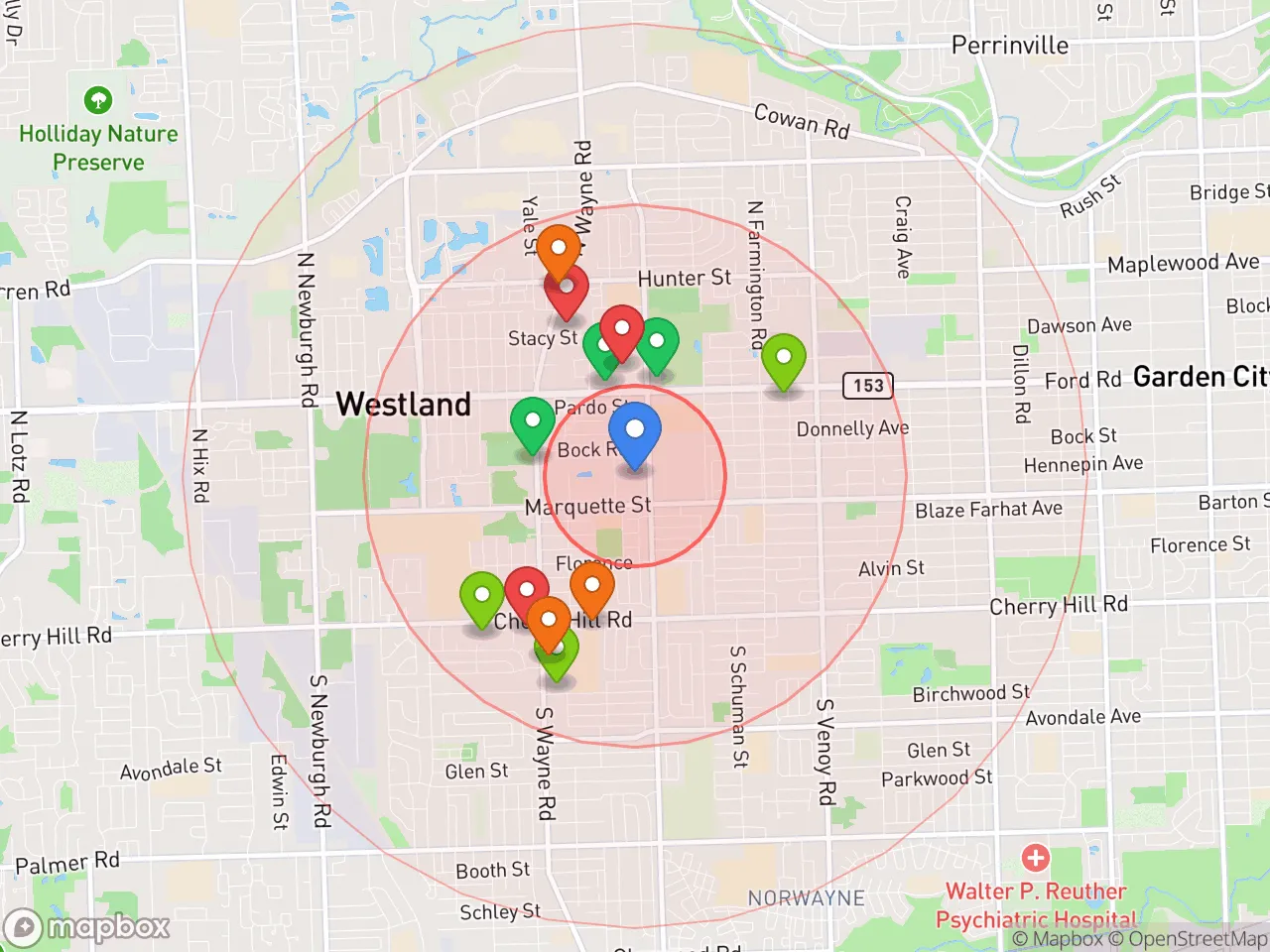
Explore the areaGroceries
6 within 10 miles
Gas
20 within 10 miles
Hospital
20 within 20 miles
Airport
DTW — Detroit Metropolitan Wayne County
Post Office
USPS — Westland, MI
Critical Amenities
Quality-of-Life Analysis
Westland, Michigan, offers a quality of life defined by solid middle-class affordability within reach of Detroit's job market, attracting a mix of young families, long-term residents, and commuters who prioritize value over prestige. With a cost of living index of 82—well below the national average of 100—the city provides a practical, down-to-earth lifestyle where a median home value of $176,500 and median rent of $1,113 make homeownership and stable renting attainable for households earning near the regional median income. This is not a wealthy enclave but a workaday suburb where residents trade some urban glamour for financial breathing room and a slower daily pace.
Cost of living, housing affordability, and how Westland compares to nearby suburbs
Westland's housing market is a clear standout for budget-conscious buyers and renters. The median home value of $176,500 is roughly half the metro Detroit average of around $250,000, and significantly undercuts pricier western suburbs like Plymouth ($350,000+) or Northville ($450,000+). Renters also benefit: the median rent of $1,113 is about 15% below the Wayne County average, making it one of the more affordable rental markets in the region. The overall cost of living index of 82 is driven primarily by housing, with utilities and groceries also slightly below national norms. However, property taxes in Wayne County are relatively high—typically 2.5% to 3.5% of assessed value—which partially offsets the low purchase price. For a household earning $60,000–$80,000, Westland offers a realistic path to homeownership that many nearby communities cannot match.
Schools, amenities, and what daily life is like for families and commuters
Daily life in Westland centers on practical convenience. The city is served by the Wayne-Westland Community School District, which includes several elementary schools rated average to above-average by state metrics, though high school options are more mixed. For shopping and errands, Westland Shopping Center and the surrounding Ford Road corridor provide big-box retailers, grocery stores, and chain restaurants within a 10-minute drive of most neighborhoods. The average commute of 25.2 minutes is manageable: downtown Detroit is about 25 miles east via I-94 or Michigan Avenue, while major employers like Amazon's Romulus fulfillment center, Detroit Metropolitan Airport (15 miles south), and automotive suppliers in Livonia and Dearborn are all within a 20- to 30-minute drive. Parks are plentiful—Hines Park runs along the city's northern edge, offering walking trails, fishing, and picnic areas—but nightlife and fine dining are limited, with most residents heading to nearby Livonia or Ann Arbor for entertainment. The rhythm is distinctly suburban: quiet evenings, weekend errands, and a strong sense of community in older neighborhoods with tree-lined streets.
Westland is best suited for middle-income families, first-time homebuyers, and long-term commuters who value affordability and convenience over prestige or walkability. Singles and young professionals may find the social scene thin, but for those prioritizing a low-cost home base with a short commute to Detroit-area jobs, the city delivers a stable, no-frills quality of life that is increasingly rare in the metro region.

Crime in Westland, MI
Crime rates similar to the national median for U.S. locations.
Violent CrimeViolent Crime Analysis
Property CrimeProperty Crime Analysis
Crime Analysis
Westland, Michigan, reports a violent crime rate of 421.1 incidents per 100,000 residents and a property crime rate of 1,196.4 per 100,000, placing it above national averages for both categories. As a suburban city within the Detroit-Warren-Dearborn metropolitan area, Westland's safety profile is influenced by regional crime patterns and the progressive criminal justice policies prevalent in Wayne County. These policies, which emphasize rehabilitation and reduced incarceration for non-violent offenders, have been linked to higher recidivism rates and a greater number of active criminals on the street, directly impacting public safety and victim justice.
Crime in context
Westland's violent crime rate of 421.1 per 100,000 is roughly 20% higher than the national average of approximately 380 per 100,000. Its property crime rate of 1,196.4 per 100,000 exceeds the national average of about 1,954 per 100,000, but is notably lower than the Michigan state average of roughly 1,300 per 100,000. However, these figures mask a critical concern: the influence of Wayne County's progressive district attorney and judiciary. These officials have implemented policies such as cash bail reform, reduced charging for property crimes, and diversion programs that prioritize offender treatment over accountability. While intended to reduce mass incarceration, these measures have resulted in more repeat offenders cycling through the system, undermining deterrence and leaving victims with diminished recourse. Neighboring cities like Livonia and Canton, which fall under different prosecutorial jurisdictions, report lower crime rates, suggesting that local justice philosophy plays a direct role in Westland's safety challenges.
What residents experience
Residents of Westland most frequently encounter property crimes, particularly vehicle theft and larceny from vehicles, which account for a significant portion of the 1,196.4 property crime rate. Aggravated assault is the most common violent crime, with robbery and burglary also occurring at elevated levels. The practical impact of progressive policies is felt acutely: stolen property is rarely recovered, and many property crime cases are not prosecuted due to low-dollar thresholds. For violent crimes, victims often face lengthy court processes where plea deals reduce charges, and offenders may receive probation rather than jail time. This creates a perception among residents that the justice system prioritizes offender rights over public safety, leading to frustration and a sense of vulnerability. Neighborhood watch programs and private security systems have become common, as residents take personal responsibility for safety in the absence of strong deterrent effects from the legal system.
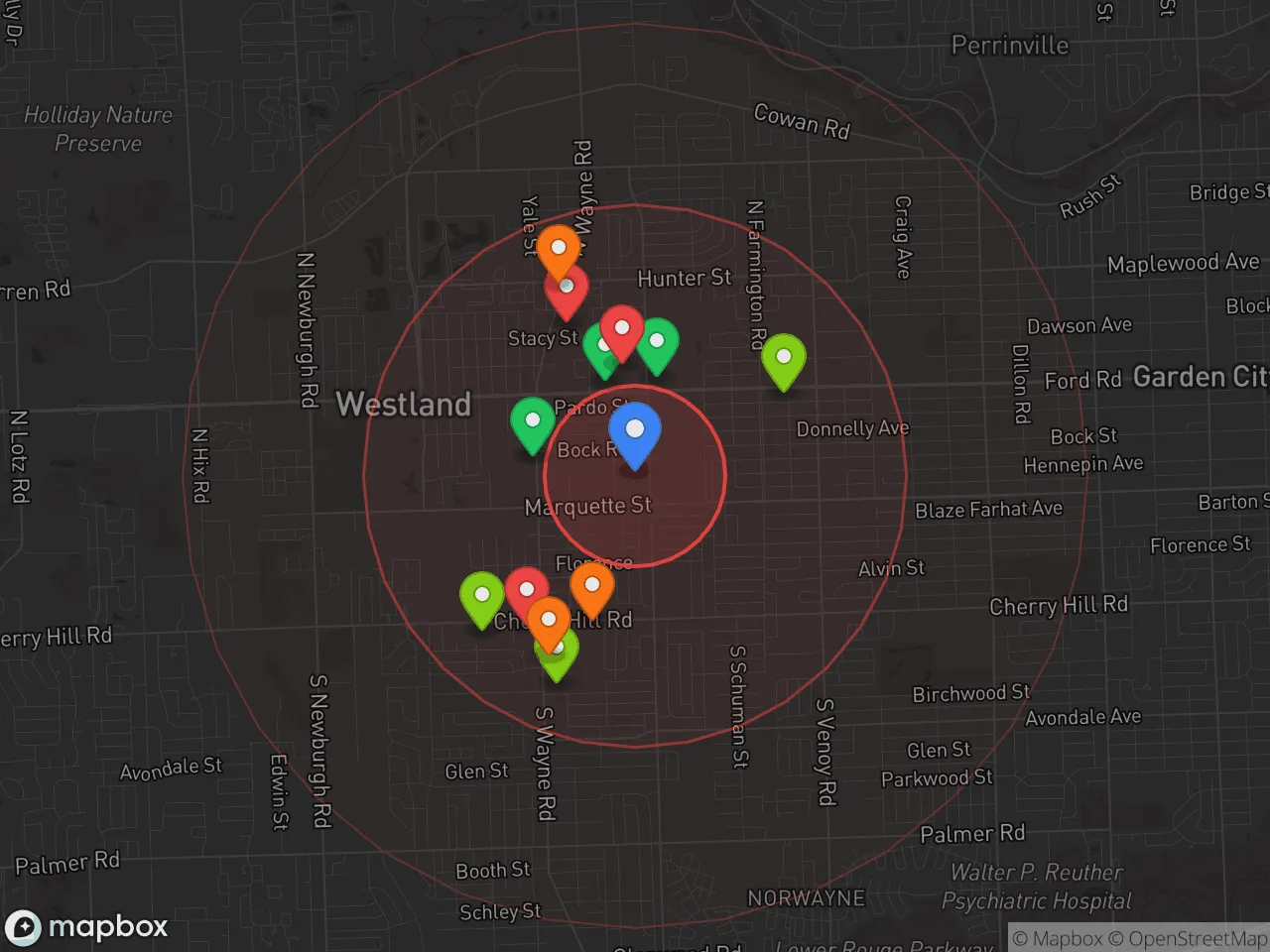
Neighborhood-level variation in Westland is notable. Areas west of Wayne Road and south of Cherry Hill Road, particularly around the Westland Shopping Center, experience higher concentrations of property crime and disorder. The northern and eastern residential sections, such as those near the Hines Park corridor, report fewer incidents. However, the city's overall safety is compromised by the regional justice environment: progressive policies in Wayne County have created a "catch and release" dynamic for many offenders, meaning that even lower-crime neighborhoods are not insulated from repeat criminal activity. Prospective residents should weigh these systemic factors heavily, as they directly influence long-term safety and quality of life in Westland.
* Values derived from national, state, county, city and local statistics and may differ in a specific area. Last updated: 2026-04-29T17:49:07.000Z
Narrative content on this page is AI-generated and may contain mistakes. Verify any details that matter before acting on them.
ReloMaps may earn a commission from affiliate links at no extra cost to you.

