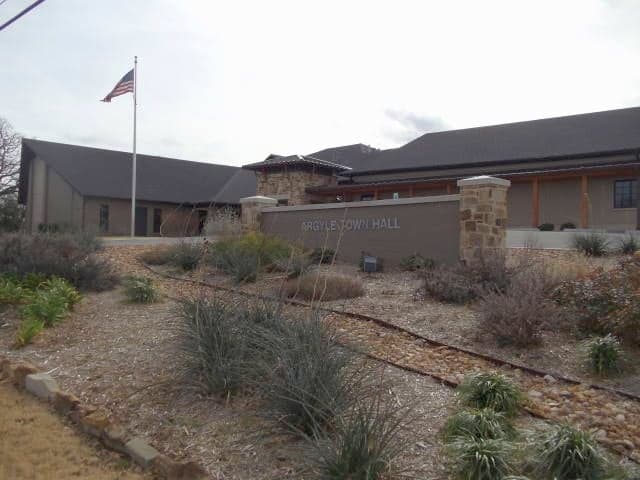
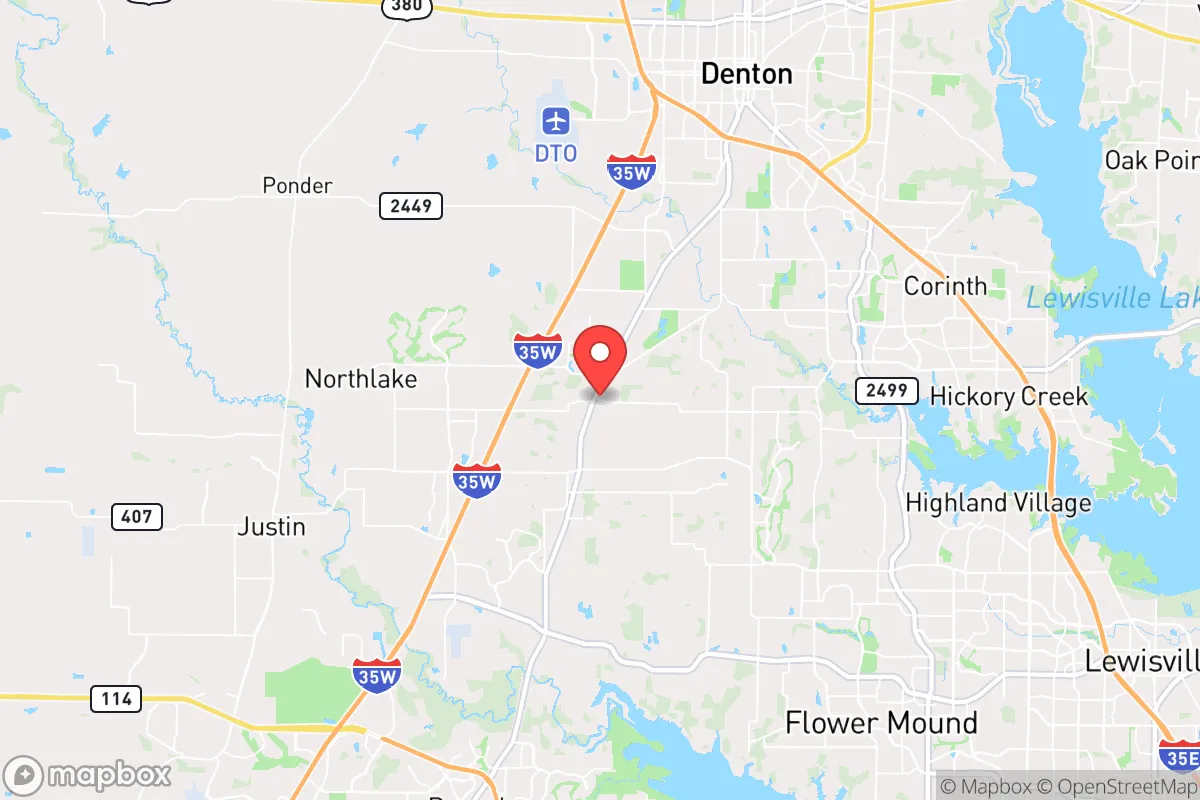
Photo: Wikipedia
Find The Best Places To Live
in Argyle
PRO TIP! You can paste a Zillow or Redfin link to get info on that property.
What It's Like Living in Argyle, TX
Argyle, Texas, feels less like a suburb and more like a small town that happens to be parked right next to a major metro. With just under 5,000 residents and a median age pushing 47, it’s a place where people know their neighbors, the high school football game is the weekend’s main event, and the nearest Starbucks is a 15-minute drive. It’s quiet, affluent, and deeply rooted in a conservative, family-first culture—think less “Dallas light” and more “rural compound with excellent schools.”
The Daily Rhythm: Quiet Mornings, Long Commutes, and School-Centric Evenings
Life in Argyle moves at a deliberate, unhurried pace—at least until you factor in the commute. The average resident spends 33 minutes each way getting to work, most often heading south toward Fort Worth or east to Dallas. That’s a solid hour-plus daily in the car, and it’s the single biggest trade-off people make for the space and safety Argyle offers. Once home, evenings revolve around kids’ activities, backyard barbecues, or catching up with neighbors at the handful of local spots like The Fillmore (a gastropub in a converted gas station) or Brix & Vine (a wine bar that doubles as a community bulletin board). Weekends mean trips to Ray Roberts Lake State Park for fishing and hiking, or a slow morning at Argyle Family Pharmacy’s soda fountain—a genuine old-school counter where the milkshakes are as much a draw as the prescriptions.
Who Fits In: Affluent, Educated, and Unapologetically Suburban
Argyle’s demographics tell a clear story: median household income of $172,604, median home value of $624,200, and 63.6% of adults holding a college degree. This isn’t a starter-home town. The typical resident is a married professional in their late 40s or early 50s, often in finance, healthcare, or tech, who chose Argyle specifically for the Argyle Independent School District—routinely ranked among Texas’s top public schools. The cost of living index sits at 221 (more than double the national average), so housing and services are pricey. You’ll see more Ford F-250s than Teslas, but the affluence is quiet and understated. People don’t flaunt money here; they spend it on land, horses, and private lessons for their kids.
Sports & Community: Friday Night Lights Are the Real Deal
If you don’t care about high school football, Argyle might feel a little lonely on fall Fridays. The Argyle Eagles are a powerhouse program—multiple state championships in recent years—and the stadium is packed with parents, grandparents, and former players. It’s the social anchor of the week. Beyond football, the community rallies around Argyle Days (a spring festival with a parade and carnival) and the Argyle Christmas Parade, which draws people from as far as Denton. There’s no pro sports team in town, but the Dallas Cowboys and Texas Rangers are a 45-minute drive away—close enough for a day trip, far enough to avoid the traffic on a Tuesday.
What’s There to Do: Outdoor Recreation and a Handful of Local Haunts
Entertainment options are limited, and that’s by design. Most social life happens at private homes, on the lake, or at school events. The main draws are:
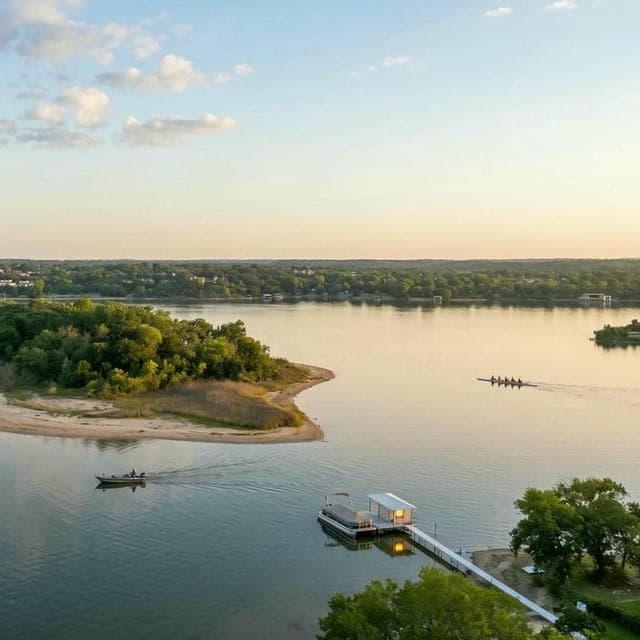
- Ray Roberts Lake State Park – 15 minutes north, with hiking, biking, and a swimming beach. The Isle du Bois unit is the most popular.
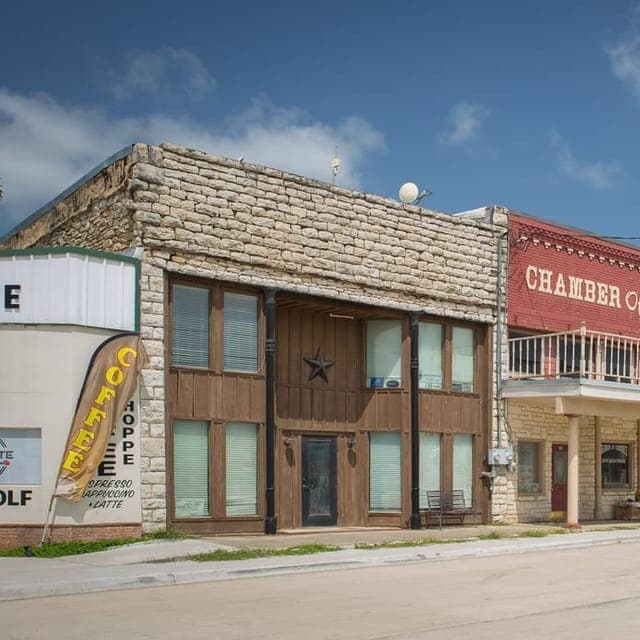
- Old Town Argyle – A tiny historic district with a few antique shops, a coffee roaster (Argyle Coffee Company), and the aforementioned Fillmore.
- Denton – 10 minutes east, offering a much wider restaurant and music scene, including the Denton Square and venues like Rubber Gloves Rehearsal Studio.
- Local wineries – Places like Sweetwater Farm & Vineyard and Bishop Arts Winery are popular for weekend tastings.
For daily errands, most residents drive to the Highland Village shopping center (15 minutes south) for Target, H-E-B, and chain restaurants. Argyle itself has no grocery store—just a small market and a few convenience stores.
Pros and Cons of Living Here
What residents love: The schools are genuinely excellent, the crime rate is extremely low (87.4 violent crimes per 100,000—well below the national average), and the sense of community is tangible. Neighbors watch out for each other, and the town feels safe enough that kids still ride bikes to friends’ houses. The land is also a big draw—many homes sit on 1-5 acres, giving families room to spread out.
What frustrates them: The commute is a grind, and there’s no public transit. Dining and shopping options are thin—you’ll drive 20 minutes for a sit-down dinner that isn’t pizza or bar food. Property taxes are high (typical for Texas), and the cost of living means even dual-income households feel the pinch. Some longtime residents also grumble about new construction eating up the open land that once defined the area.
Cultural Quirks and Local Identity
Argyle has a quiet, almost protective pride. It’s not trying to be the next Frisco or McKinney. The town motto might as well be “we like it small.” You’ll see more American flags than political yard signs, and the local Facebook group is a mix of lost-dog posts, complaints about school board decisions, and recommendations for lawn care. The biggest cultural quirk? Argyle has no stoplight—just a four-way stop at the main intersection of FM 407 and FM 1834. Residents treat that as a point of pride, a symbol that they’ve resisted the strip-mall sprawl that defines so much of North Texas. For now, at least.

Similar small towns to Argyle
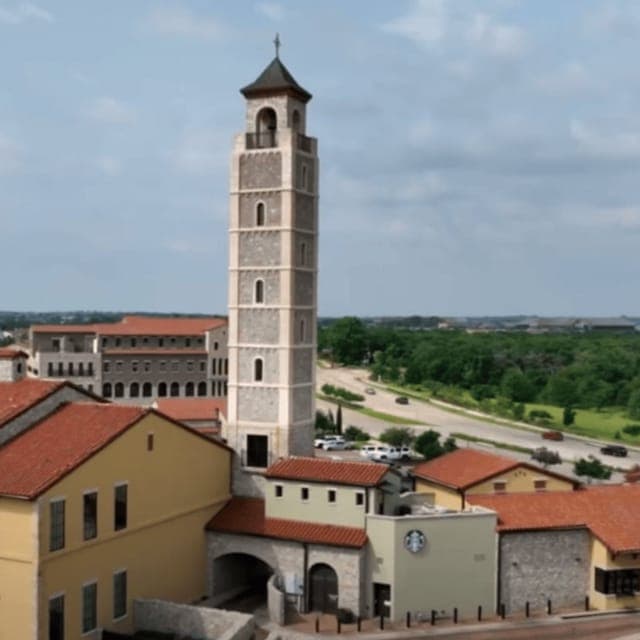

* Values derived from national, state, county, city and local statistics and may differ in a specific area. Last updated: 2026-10-10T16:26:29.000Z
Narrative content on this page is AI-generated and may contain mistakes. Verify any details that matter before acting on them.
ReloMaps may earn a commission from affiliate links at no extra cost to you.

