Photo: Wikipedia
Find The Best Places To Live
in Wheaton
PRO TIP! You can paste a Zillow or Redfin link to get info on that property.
What It's Like Living in Wheaton, IL
Wheaton is a place that wears its identity on its sleeve—a prosperous, deeply rooted western suburb where tree-lined streets, a historic downtown, and a palpable sense of order define daily life. It’s the kind of town where people wave to neighbors on morning walks, where the high school football game on a Friday night is a genuine community event, and where the phrase “Wheaton is a bubble” is said by residents as often as it is by outsiders. For a conservative-leaning audience, Wheaton offers a blend of traditional values, strong schools, and a pace of life that feels both intentional and comfortable—but it comes with a price tag and a certain cultural homogeneity that isn’t for everyone.
The Daily Rhythm: Work, Errands, and Weekend Rituals
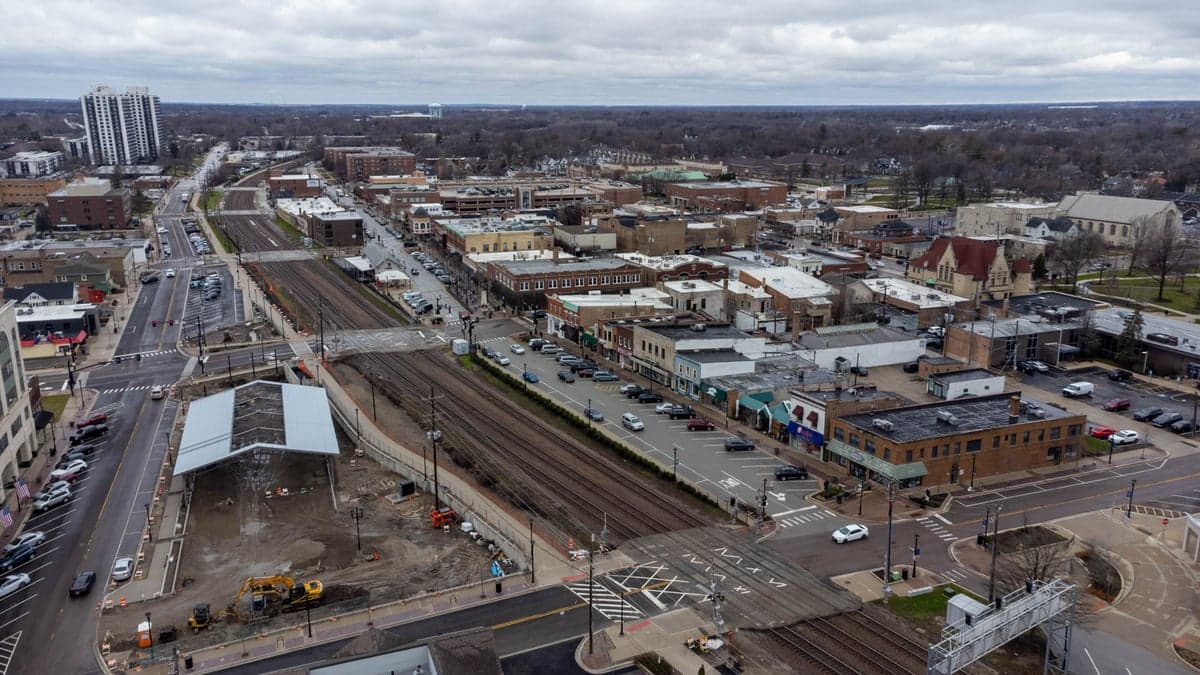
Most mornings in Wheaton start with a commute—the average drive to downtown Chicago clocks in at about 26 minutes, though that can stretch to 40 or more if you’re heading into the Loop during peak hours. The Metra Union Pacific West line is a lifeline for many, with a station right downtown that drops commuters at Ogilvie in under an hour. Once the workday ends, life shifts to the local: a run along the Illinois Prairie Path (a rails-to-trails system that cuts through town), a quick stop at the Wheaton Farmers Market on Saturdays from May through October, or dinner at one of the handful of well-regarded spots like Adelle’s for upscale American fare or Two Brothers Coffee for a quieter vibe. The downtown itself is compact but walkable—think independent bookstores, a historic movie theater (the Wheaton Grand, built in 1937), and a surprising number of boutique clothing shops for a suburb of 53,453 people. Weekend rhythms often revolve around family: soccer games at Seven Gables Park, a stroll through the Danada Forest Preserve with its equestrian trails, or a trip to the Cantigny Park gardens and military museum, which draws visitors from across the region.
Who Fits In—and Who Might Not
Wheaton skews heavily toward families and established professionals. The median age is 37.6, and the median household income sits at $119,566—well above the national average. Over 64% of residents hold a college degree, and the housing stock reflects that affluence: the median home value is $447,700, and the cost of living index of 153 means you’ll pay about 50% more for everyday goods than the typical American. This is a place where people prioritize stability, education, and community involvement. You’ll find a lot of homeowners in their 30s and 40s who moved here specifically for the schools (Wheaton Community Unit School District 200 is consistently rated among the top in the state), and a smaller but visible cohort of empty-nesters who stayed after raising kids. Single adults without children might feel a bit out of place—the social scene is heavily family-oriented, and the bar options are limited to a few spots like Mack’s Golden Pheasant (a divey local institution) or Wheaton Ale House. If you’re looking for a vibrant nightlife or a diverse, edgy urban energy, Wheaton will feel quiet and insular. But if you want a safe, predictable environment where neighbors know each other and the schools are a genuine asset, it’s hard to beat.
Sports, Community, and the Local Identity
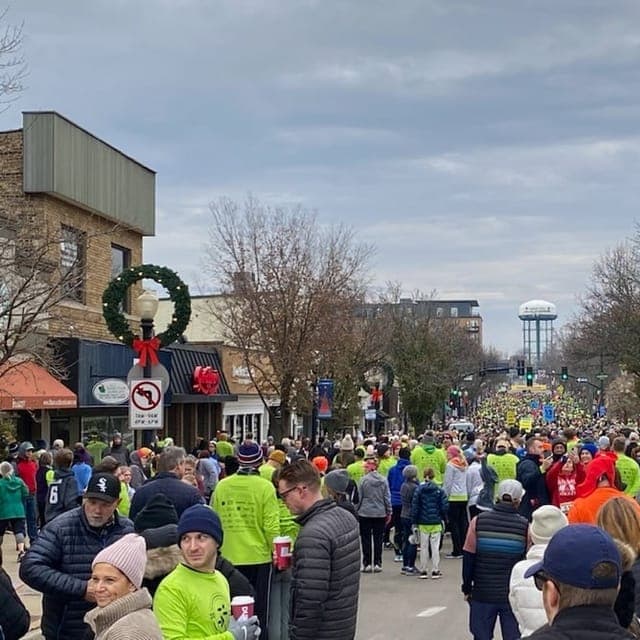
High school sports are a big deal here—Wheaton Warrenville South High School and Wheaton North High School both have storied football programs, and the rivalry game between them (the “Battle of the Bricks”) draws thousands of spectators every fall. The town also has a strong connection to Wheaton College, a private Christian liberal arts school that anchors the north side of downtown. The Thunder football team plays at McCully Field, and the college’s presence brings a steady stream of lectures, concerts, and art exhibits that are open to the public. On the pro sports front, Chicago teams are the default—Bears, Cubs, Bulls, Blackhawks—but the fandom here is less intense than in the city itself. What really defines Wheaton’s identity is its history as the home of Billy Graham (the evangelist lived here for decades and is buried at the Billy Graham Library in Charlotte, but his legacy is woven into the town’s fabric) and its reputation as a conservative stronghold in a blue state. The Marion E. Wade Center at Wheaton College houses the archives of C.S. Lewis and J.R.R. Tolkien, drawing literary pilgrims from across the country. Culturally, this is a place where church attendance is still common, where the Fourth of July parade on downtown Main Street is a major annual event, and where the phrase “Wheaton is a dry town” (alcohol sales were banned until 1985, and even now, liquor licenses are limited) still comes up in conversation with a mix of pride and eye-rolling.
What’s There to Do—and What Frustrates
Outdoor life is strong: the DuPage County Forest Preserve system offers miles of hiking and biking trails, and Herrick Lake and Warrenville Grove are popular for kayaking and picnicking. The Wheaton Municipal Band plays free concerts at Memorial Park in the summer, and the DuPage County Fair (held just south of town in July) is a genuine slice of Midwestern county-fair culture. For entertainment beyond that, you’re driving to Naperville (10 minutes south) for more restaurants and a bigger downtown, or into Chicago for concerts, museums, and pro sports. The honest frustrations: traffic on Roosevelt Road and Geneva Road can be a slog during rush hour, and the cost of living means that even well-off families feel squeezed. The violent crime rate is very low (33.5 per 100,000, compared to the national average of about 380), but property crime—especially package theft and car break-ins—is a minor but persistent annoyance. Some longtime residents grumble that the town has gotten “too expensive for what it is,” and that the downtown, while charming, lacks the variety of a place like Naperville or Glen Ellyn. But for those who value safety, schools, and a community that still feels like a community, Wheaton delivers on its promise—quietly, consistently, and without much fanfare.

Similar small cities to Wheaton
* Values derived from national, state, county, city and local statistics and may differ in a specific area. Last updated: 2026-04-29T19:18:21.000Z
Narrative content on this page is AI-generated and may contain mistakes. Verify any details that matter before acting on them.
ReloMaps may earn a commission from affiliate links at no extra cost to you.

