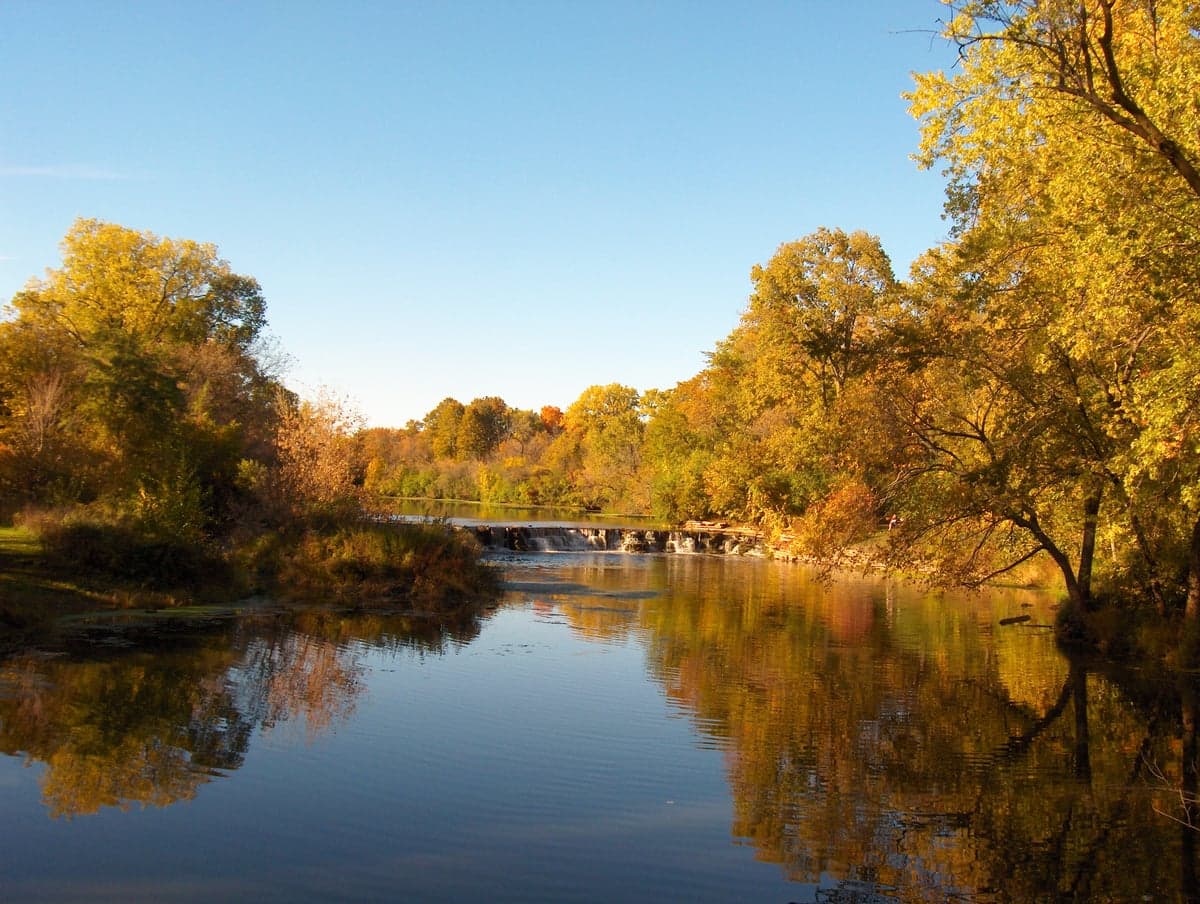
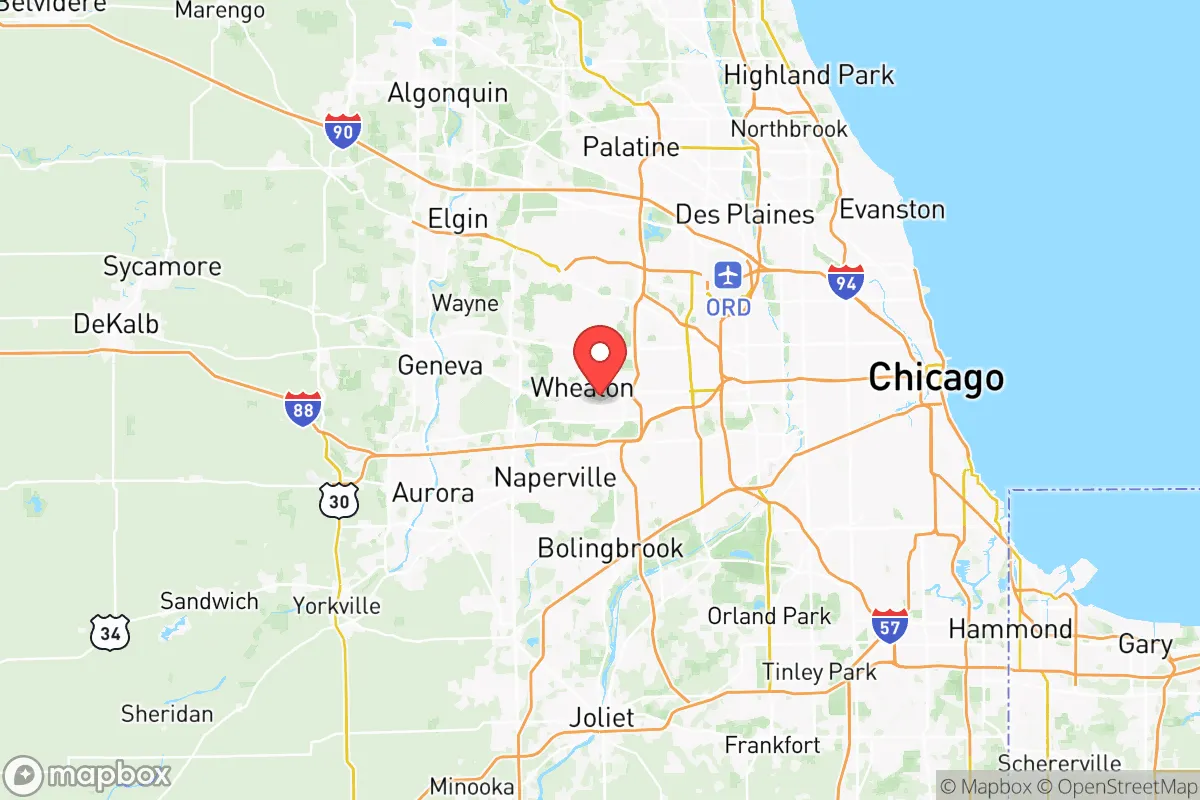
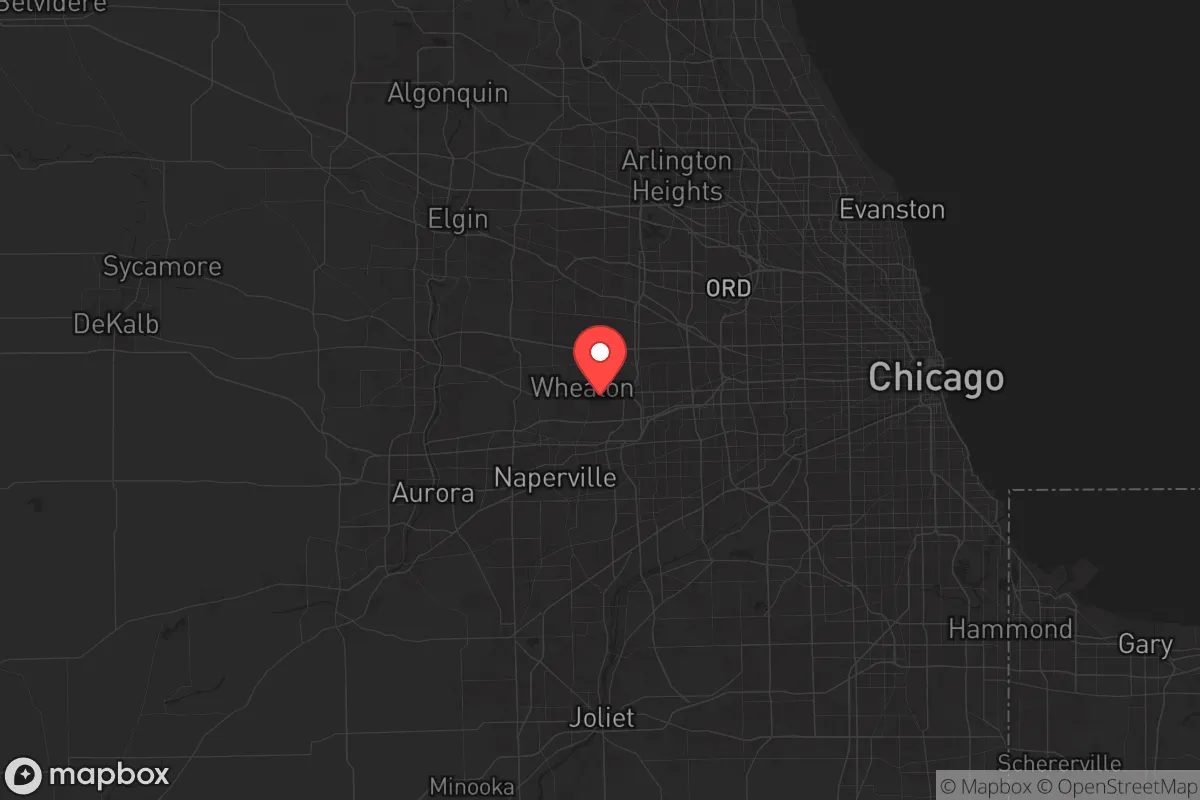
Photo: Wikipedia
Find The Best Places To Live in Dupage County
PRO TIP! You can paste a Zillow or Redfin link to get info on that property.
Best Places to Live in Dupage County
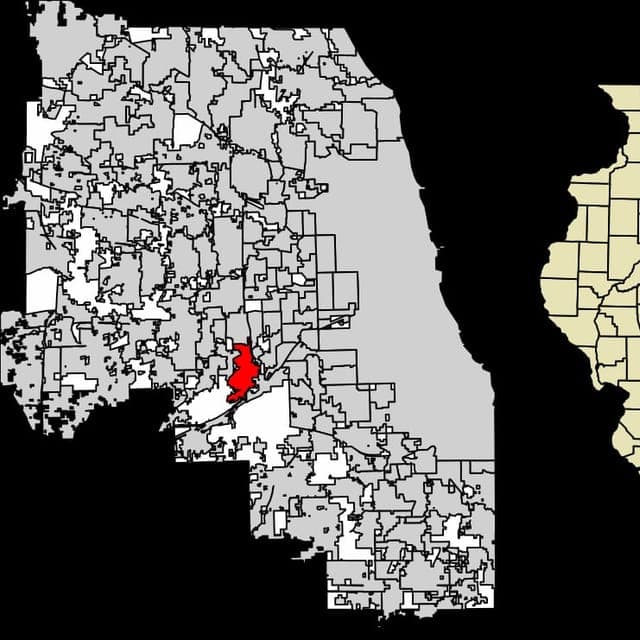
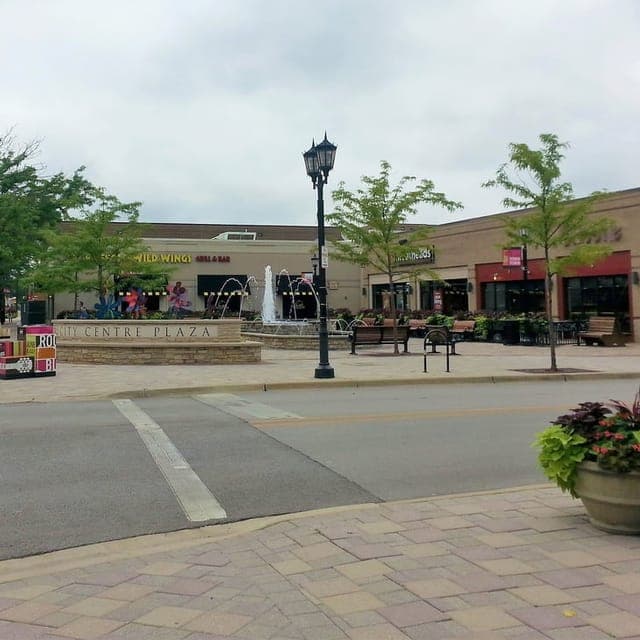
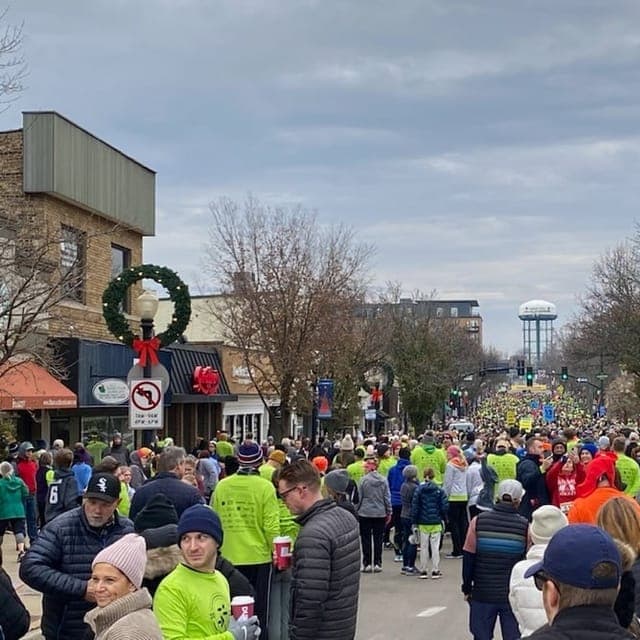
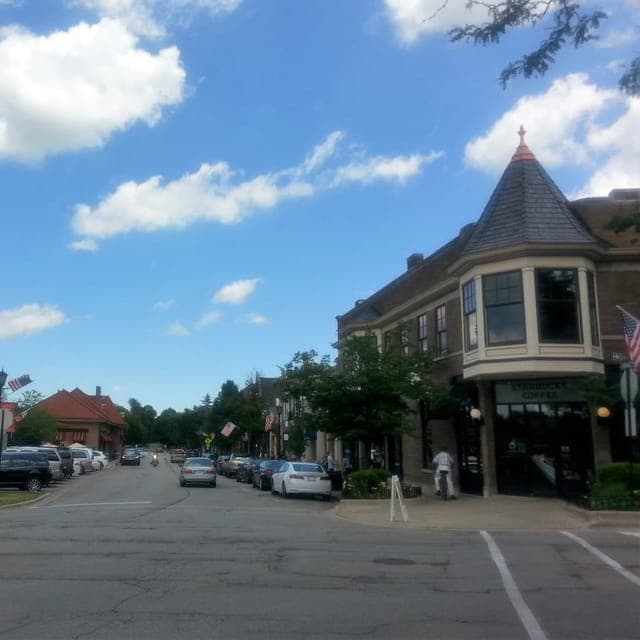
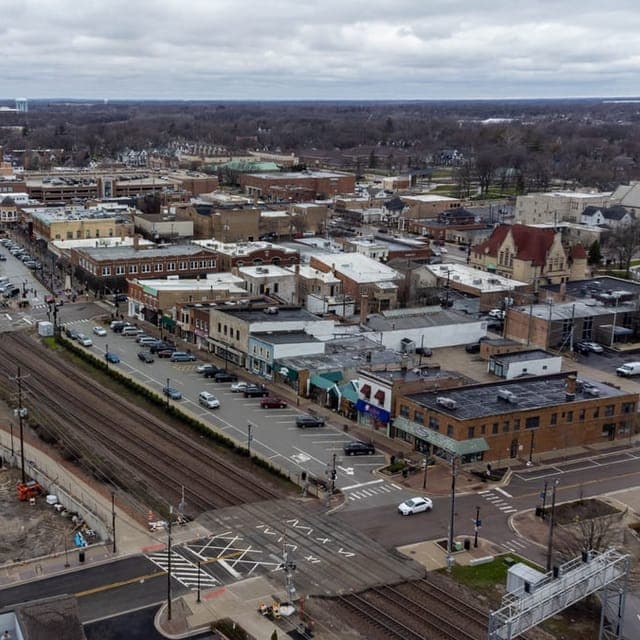
Cities & Towns in Dupage County
Cities in Dupage County
What It's Like Living in Dupage County, IL
Living in DuPage County feels a lot like being part of a well-oiled, family-sized machine. It’s the kind of place where the commute to Chicago is a daily reality for many, but the weekends are spent at a kid’s soccer game in Naperville, grabbing a deep-dish at a spot in Downers Grove, or hiking the trails at the Morton Arboretum in Lisle. With over 927,000 residents, it’s a densely populated suburban powerhouse that manages to feel both bustling and orderly, attracting professionals and families who value top-tier schools, safe streets, and a predictable, comfortable rhythm of life.
The Daily Grind: Commutes, Schools, and Weekend Rituals
For most people here, the day starts with a commute. The average drive is about 28 minutes, but that number can stretch significantly if you’re heading into the Loop or the West Loop. The Metra train lines—the BNSF, Union Pacific West, and Milwaukee District West—are lifelines, with stations in towns like Glen Ellyn, Wheaton, and Elmhurst packed with commuters by 7 AM. Once you’re home, the focus shifts hard to family and community. Schools are the central organizing principle of life here; districts like Naperville 203, Glenbard, and Hinsdale Township are why many parents move in, and they drive everything from real estate prices to Friday-night social calendars. Weekends often revolve around youth sports—think travel baseball, club volleyball, and high school football games that draw thousands—or a trip to the Danada Forest Preserve in Wheaton for a bike ride. Shopping is a serious pastime, with Oakbrook Center and the Yorktown Center in Lombard pulling in crowds, but so are local coffee shops and breweries like Noon Whistle Brewing in Lombard or Alter Brewing in Downers Grove.
Who Fits In: The DuPage County Character
DuPage is overwhelmingly a place for people who are in the thick of building a life—raising kids, advancing a career, and investing in a home. The median age is 40, and the median household income sits at a robust $110,502, reflecting a highly educated workforce (over 51% hold a bachelor’s degree or higher). This isn’t a place for the bohemian or the transient; it’s for the person who wants a reliable, high-amenity suburban existence. You’ll find a lot of professionals in finance, healthcare, and tech, many of whom work for major employers like Advocate Health Care, Fermi National Accelerator Laboratory in Batavia (just over the line, but a regional draw), or the sprawling office parks in Lisle and Oak Brook. The political leanings are a mix—traditionally Republican, with places like Wheaton and Glen Ellyn having a strong conservative base, but the county has shifted somewhat purple in recent years, especially in Naperville and Downers Grove. The kind of person who thrives here values order, safety, and opportunity over urban grit or rural solitude.
Sports, Festivals, and the Big Weekend Out
Sports are a big deal, but it’s not about the pros. High school and college athletics are the real stars. Friday nights in the fall are dominated by games like Naperville North vs. Naperville Central, which can draw 10,000 fans. The Kane County Cougars (a minor-league baseball team in nearby Geneva) are a popular summer outing, but within DuPage, the action is at the high school level or at the College of DuPage in Glen Ellyn. For entertainment, the area punches above its weight. The Morton Arboretum in Lisle is a world-class outdoor space, and the DuPage County Fair in Wheaton is a classic summer staple. Music venues like the Arcada Theatre in St. Charles (just west) and the McAninch Arts Center at the College of DuPage offer solid shows. For food, you’ve got iconic spots like Portillo’s in Downers Grove for an Italian beef, or the many steakhouses and sushi places in Naperville’s downtown. The biggest cultural quirk? A deep, almost proud obsession with local high school rivalries and the annual “Last Fling” festival in Naperville over Labor Day weekend.
The Honest Trade-Offs: What People Love and What Grinds Their Gears
Longtime residents will tell you the upsides are obvious: incredible schools, very low violent crime (a rate of 225.9 per 100,000, well below the national average), and a wealth of parks and forest preserves. The downsides are equally real. The cost of living index is 137, meaning it’s 37% more expensive than the U.S. average, and the median home value of $374,100 is a steep entry point for a starter home. Traffic is a genuine headache, especially on I-88, I-355, and I-290 during rush hour. Property taxes are notoriously high—among the highest in the nation—which is a constant source of frustration, even if residents acknowledge it funds those excellent schools. Another quirk: the weather. Winters can be gray and bitter, with lake-effect snow, while summers are humid and hot. The seasonal rhythm is real, with a collective sigh of relief when spring finally breaks in late April. For the conservative-leaning individual or parent, the trade-off is clear: you pay a premium for safety, education, and a predictable, family-focused environment where your kids can play outside and you know your neighbors. It’s not cheap, and it’s not exciting, but for the right person, it works.

* Values derived from national, state, county, city and local statistics and may differ in a specific area. Last updated: 2026-05-12T08:50:46.000Z
Narrative content on this page is AI-generated and may contain mistakes. Verify any details that matter before acting on them.
ReloMaps may earn a commission from affiliate links at no extra cost to you.

