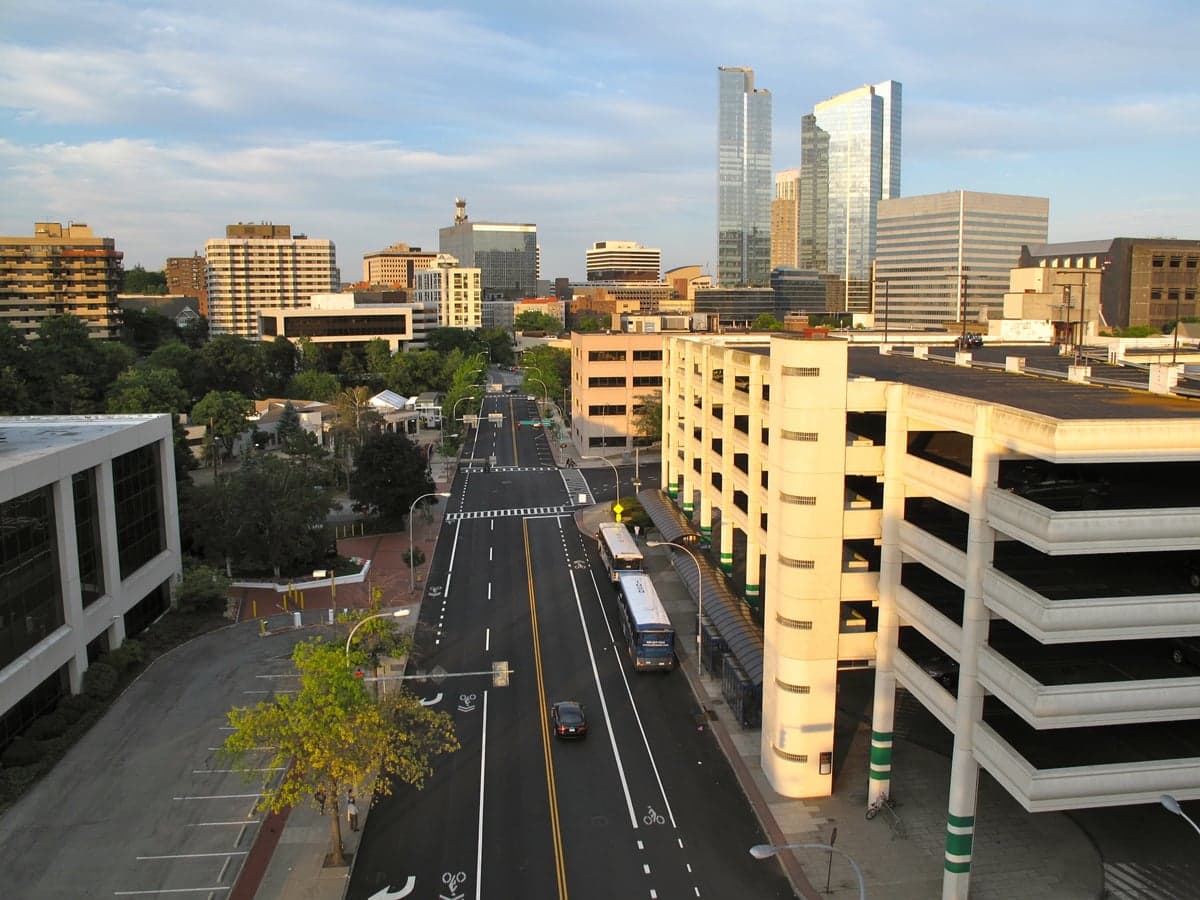
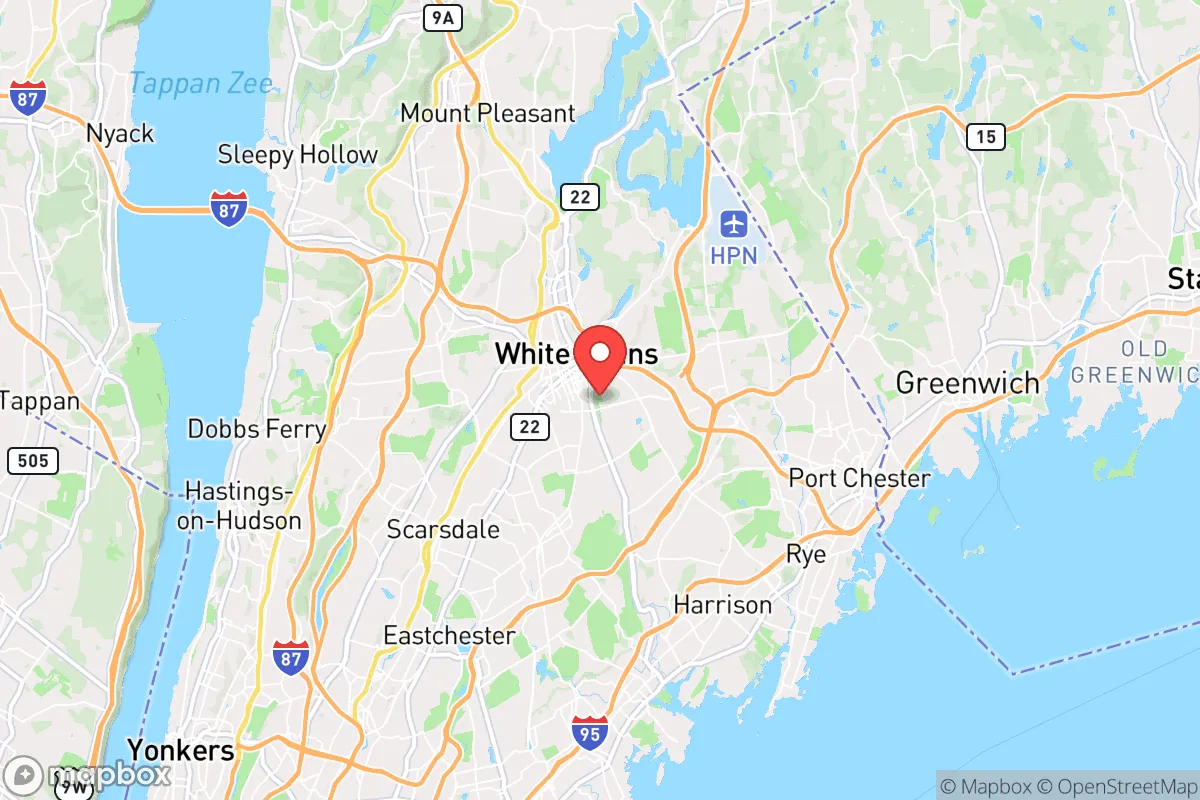
Photo: Wikipedia
Quality of Life in White Plains, NY
A high quality of life with strong walkability, manageable living costs, healthy neighborhood signals, and solid amenity access.
What does Quality of Life tell us?
Quality of Life blends cost of living, nearby amenities, socioeconomic signals, and neighborhood character. City-level scores represent the whole municipality; individual neighborhoods can differ.
What does this tell us?
Quality of Life blends cost of living, nearby amenities, socioeconomic signals, and neighborhood character. City-level scores represent the whole municipality; individual neighborhoods can differ.
Cost of Living
100% above national average
The Real Cost of Living in White Plains, NY for 2026
| Tier | Individual | Family (4) |
|---|---|---|
| Survival | $34k | $65k |
| Comfortable | $121k | $178k |
| Luxury | $209k+ | $324k+ |
| Elite (Top 5%) | $283k+ | $438k+ |
65%
The Area Signal
A metric tracking the socioeconomic signals of the area.
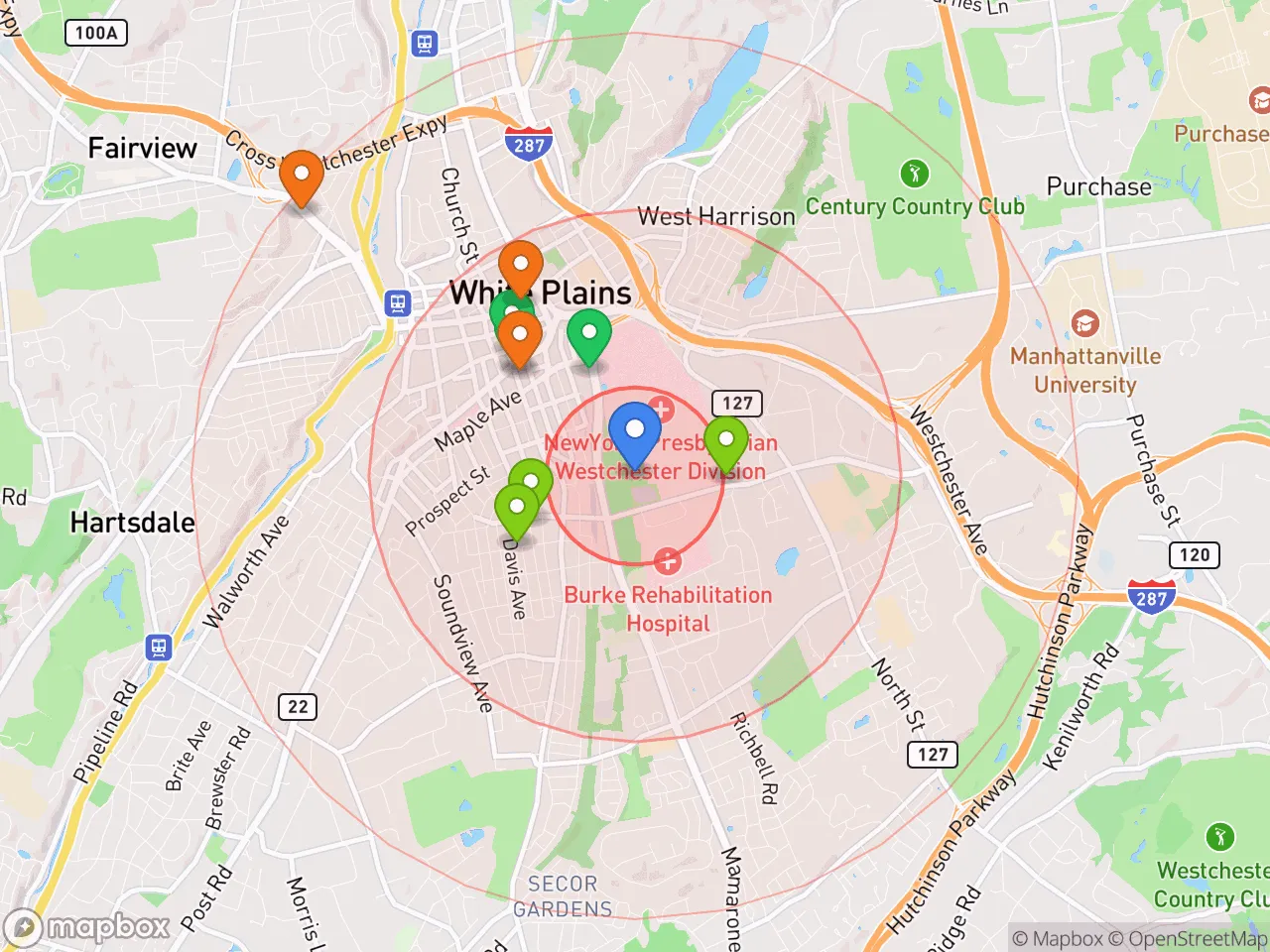
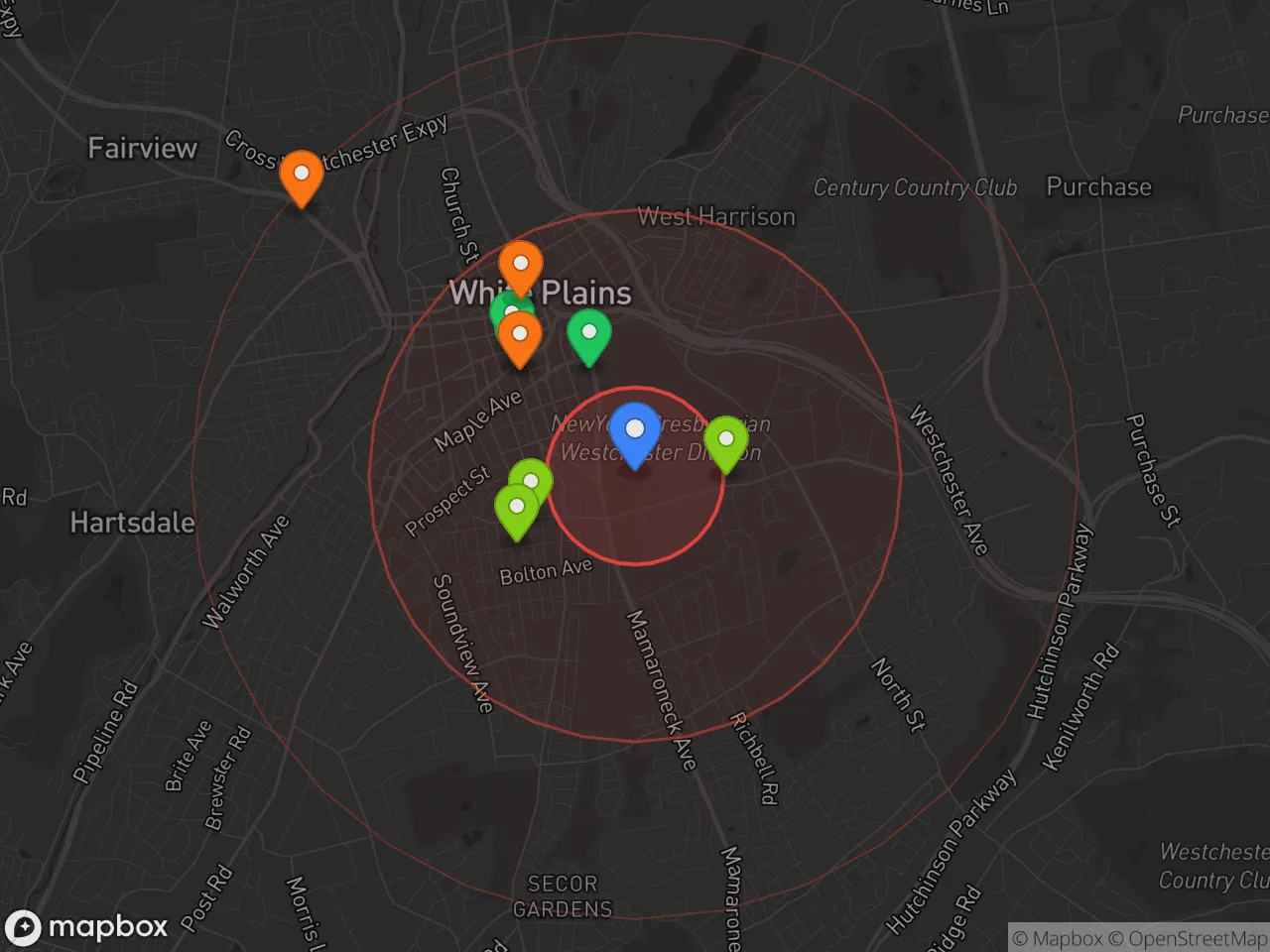
Hobbies
Explore the areaGroceries
8 within 10 miles
Gas
20 within 10 miles
Hospital
20 within 20 miles
Airport
JFK — John F. Kennedy International
Post Office
USPS — White Plains, NY
Critical Amenities
Quality-of-Life Analysis
White Plains, New York, is a high-affluence suburban city and the county seat of Westchester County, drawing a mix of upwardly mobile professionals, established families, and empty-nesters who prioritize proximity to Manhattan without the density of New York City itself. With a cost of living index of 200—double the U.S. average—the city commands a premium for its direct Metro-North commuter rail access, top-tier public schools, and a walkable downtown core that rivals many small cities. The median household income is well above the national figure, reflecting a population that works in finance, law, healthcare, and corporate headquarters, many of whom commute to Midtown Manhattan in under 30 minutes.
Cost of living, housing, and affordability compared to nearby areas
White Plains is expensive by any national standard, but it is often considered a relative value within Westchester County when compared to Scarsdale, Bronxville, or Rye. The city’s cost of living index of 200 is driven primarily by housing: the median home value sits at $624,100, which is roughly 30% lower than the median in Scarsdale but still more than double the national median. Renters face a median monthly rent of $2,151, a figure that is competitive with nearby Stamford, Connecticut, but significantly cheaper than Manhattan’s average. Property taxes in White Plains are high—typical for Westchester—with effective rates around 2.0% of assessed value, though the city offers a partial tax abatement for new construction and certain first-time homebuyer programs. For commuters, the average commute time of 27.7 minutes is notably shorter than the New York metro average of 34 minutes, thanks to the express Metro-North service that reaches Grand Central in 28 minutes. While affordability is a challenge, the trade-off is a dense, amenity-rich environment where many errands can be done on foot.
What daily life is like: amenities, schools, and local rhythm
Daily life in White Plains revolves around a compact, walkable downtown anchored by The Westchester Mall, City Center, and a growing roster of independent restaurants and bars. The White Plains City School District consistently earns GreatSchools ratings of 7–9 out of 10 across its elementary and middle schools, with White Plains High School offering a robust International Baccalaureate (IB) program and a graduation rate above 90%. For families, the city’s 12 public parks, the White Plains Public Library, and the Westchester County Center (hosting concerts, trade shows, and the annual New York State Fair) provide year-round recreation. The local rhythm is notably faster than a typical suburb: sidewalks are busy until 9 p.m., the train station sees over 10,000 daily boardings, and the city’s own police force and sanitation department keep streets clean and safe. Crime rates are low for a city of its size, with violent crime roughly 60% below the national average, though property crime—particularly car break-ins in parking garages—is an occasional concern.
White Plains is best suited for professionals and families who want a suburban safety net with urban conveniences and a short commute. It works well for dual-income households where one or both adults work in Manhattan or Stamford, and for empty-nesters downsizing from larger Westchester homes. Those seeking a quiet, car-dependent rural lifestyle or a low-tax environment will find it a poor fit. For anyone who values walkability, strong public schools, and direct rail access to New York City, White Plains delivers a quality of life that justifies its premium cost.

Crime in White Plains, NY
Generally safer than 56% of comparable U.S. locations.
Violent CrimeViolent Crime Analysis
Property CrimeProperty Crime Analysis
Crime Analysis
White Plains, New York, presents a mixed safety profile that requires careful consideration for potential residents. While the city is a thriving suburban hub in Westchester County, its crime rates exceed national averages, with a violent crime rate of 331.5 per 100,000 residents and a property crime rate of 1,323.4 per 100,000. These figures place White Plains in a category where crime is a tangible concern, particularly given the influence of progressive judicial policies common in the New York metropolitan area, which can lead to reduced incarceration and more offenders remaining on the street.
Crime in context
Compared to national benchmarks, White Plains' violent crime rate is roughly 15% higher than the U.S. average, while its property crime rate is about 10% higher. The city's rates are also elevated relative to the rest of New York State, which benefits from lower crime in many upstate and rural areas. However, White Plains is safer than nearby New York City, which has a violent crime rate near 500 per 100,000. The presence of progressive district attorneys and judges in Westchester County, who often prioritize diversion programs and reduced bail, is a factor that critics argue undermines public safety by allowing repeat offenders to cycle back into the community quickly. This judicial philosophy, while intended to reduce mass incarceration, can result in higher recidivism and a greater sense of insecurity among residents.
What residents experience
For those living in White Plains, property crime—particularly larceny and motor vehicle theft—is the most common concern. The city's dense downtown, with its shopping centers and transit hubs, attracts opportunistic theft. Violent crimes, including aggravated assault and robbery, occur but are less frequent, often concentrated in specific areas and times. Residents report that while daytime activity feels safe in commercial zones, nighttime caution is warranted, especially near the train station and in some residential pockets. The local police department maintains a visible presence, but the broader legal environment, shaped by liberal reforms like New York's bail reform law, means that many arrested individuals are released quickly, which can erode trust in the justice system and leave victims feeling underserved.
Neighborhood-level variation is notable. Areas like the Rosedale and Battle Hill sections experience higher crime rates, while the Hartsdale border and North White Plains are generally quieter. Proximity to the city's commercial core correlates with increased property crime. For families and professionals evaluating White Plains, the decision hinges on weighing the convenience of a transit-rich, amenity-filled city against the reality of above-average crime and a justice system that many believe prioritizes offender rehabilitation over victim protection and public order.
* Values derived from national, state, county, city and local statistics and may differ in a specific area. Last updated: 2026-05-01T23:54:06.000Z
Narrative content on this page is AI-generated and may contain mistakes. Verify any details that matter before acting on them.
ReloMaps may earn a commission from affiliate links at no extra cost to you.

