 Popular
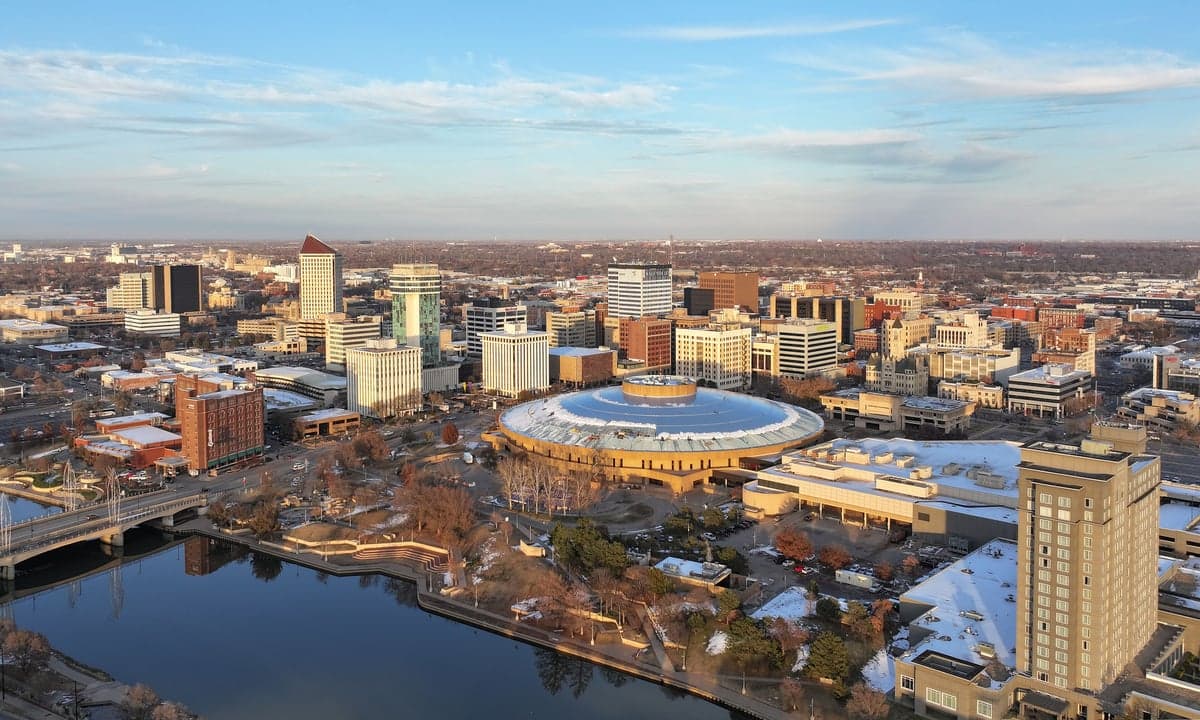
Photo: Wikipedia
Quality of Life in Wichita, KS
Above-average quality of iife. The area offers a reasonable cost of living, decent mobility, and a mix of neighborhood amenities.
What does Quality of Life tell us?
Quality of Life blends cost of living, nearby amenities, socioeconomic signals, and neighborhood character. City-level scores represent the whole municipality; individual neighborhoods can differ.
What does this tell us?
Quality of Life blends cost of living, nearby amenities, socioeconomic signals, and neighborhood character. City-level scores represent the whole municipality; individual neighborhoods can differ.
Cost of Living
25% below national average
The Real Cost of Living in Wichita, KS for 2026
| Tier | Individual | Family (4) |
|---|---|---|
| Survival | $15k | $29k |
| Comfortable | $35k | $51k |
| Luxury | $114k+ | $177k+ |
| Elite (Top 5%) | $144k+ | $223k+ |
123%
The Area Signal
A metric tracking the socioeconomic signals of the area.
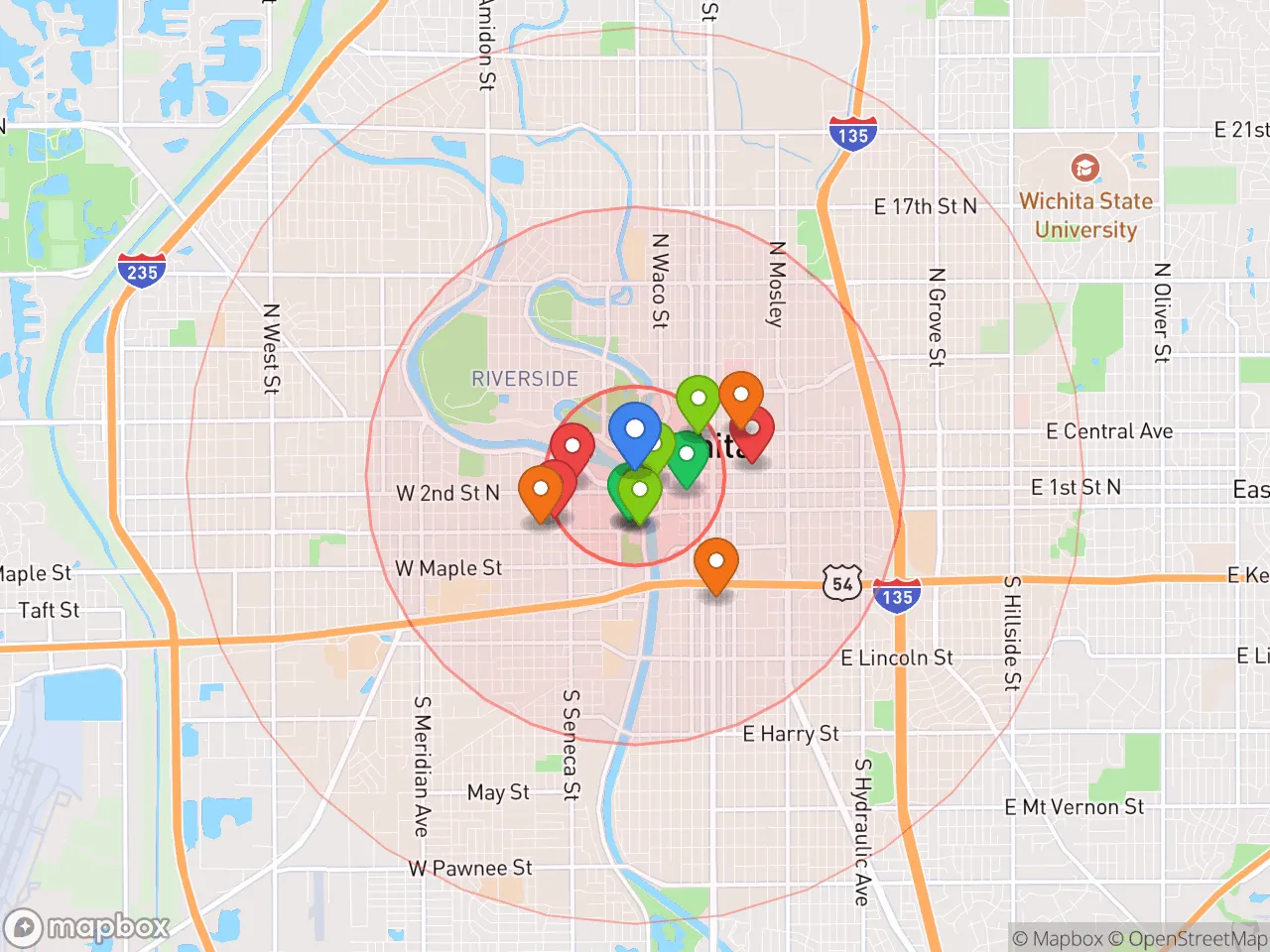
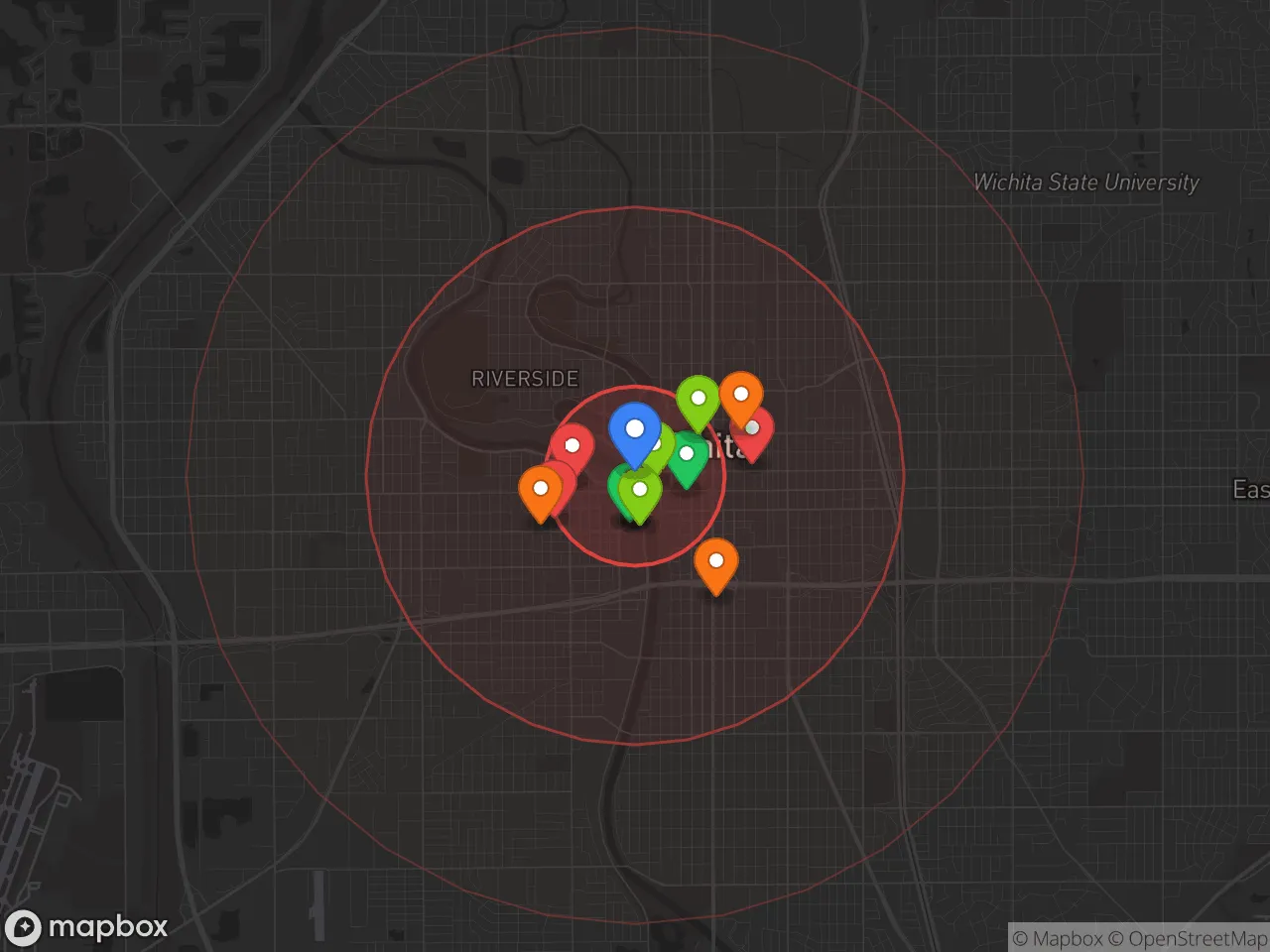
Hobbies
Explore the areaGroceries
4 within 10 miles
Gas
20 within 10 miles
Hospital
16 within 20 miles
Airport
MCI — Kansas City International
Post Office
USPS — Wichita, KS
Critical Amenities
Quality-of-Life Analysis
Wichita, Kansas, presents a quality of life defined by solid middle-class stability and a notably low cost of living, attracting a demographic mix of aerospace engineers, healthcare professionals, and families seeking affordable homeownership. With a cost of living index of 75—25% below the national average—the city offers a financial cushion that allows residents to stretch their incomes further than in most U.S. metro areas. The median household income hovers around $60,000, supporting a practical, no-frills lifestyle where saving for retirement or a child’s college education is more attainable than in coastal hubs.
How housing costs and affordability compare to nearby cities
Wichita’s housing market is a standout draw, with a median home value of $179,500—roughly half the national median—and a median rent of $960. This makes homeownership accessible for first-time buyers and keeps monthly housing costs well below the 30% income threshold recommended by financial planners. Compared to nearby Kansas City (COL index 90) or Oklahoma City (index 82), Wichita is significantly cheaper, particularly in home prices. The average commute of 18.8 minutes is among the shortest for a U.S. city of its size, meaning less time stuck in traffic and more time at home or with family. Property taxes are moderate, averaging about 1.3% of assessed value, and Kansas offers a homestead tax refund for low-income seniors and disabled residents, further easing the burden.
What daily life is like for families and professionals
Daily life in Wichita revolves around a manageable pace and accessible amenities. The city’s public school system, Wichita Public Schools (USD 259), serves over 47,000 students with several magnet and International Baccalaureate programs, though suburban districts like Maize and Andover often rank higher on state assessments. For recreation, the 2,000-acre Sedgwick County Park and the Arkansas River Trail system provide green space for walking, biking, and fishing. The city punches above its weight in cultural offerings, with the Wichita Art Museum, the Exploration Place science center, and a thriving live music scene at venues like the Wave and the Orpheum Theatre. Groceries and utilities are about 10% cheaper than the national average, and dining out—from local barbecue joints to farm-to-table spots—remains affordable, with a typical meal for two costing under $50. The city’s economy is anchored by major employers like Textron Aviation, Spirit AeroSystems, and Via Christi Health, providing stable white- and blue-collar jobs that support the area’s low unemployment rate (typically 3-4%).
Wichita is best suited for those who prioritize financial breathing room over urban intensity. Families, early-career professionals, and retirees on fixed incomes will find the low housing costs and short commutes especially appealing. The city lacks the nightlife and rapid transit of larger metros, but its strong sense of community, low crime rates in many neighborhoods (particularly west and east Wichita), and access to outdoor activities make it a practical choice for anyone seeking a balanced, affordable life in the Great Plains.

Crime in Wichita, KS
Significantly higher crime rates than 82% of comparable U.S. locations.
Violent CrimeViolent Crime Analysis
Property CrimeProperty Crime Analysis
Crime Analysis
Wichita, Kansas, faces a serious public safety challenge, with violent crime rates more than three times the national average and property crime rates that are among the highest in the state. The city's 2023 crime data shows a violent crime rate of 1,168.7 per 100,000 residents and a property crime rate of 4,486.6 per 100,000, placing it in the top 10% of U.S. cities for overall crime. These figures reflect systemic issues that directly affect daily life for residents and should be a primary consideration for anyone evaluating a move to the area.
Crime in context
Wichita's violent crime rate is roughly 3.2 times higher than the national average of about 370 per 100,000, and its property crime rate is nearly double the U.S. average of approximately 2,200 per 100,000. Compared to other Kansas cities, Wichita is the most dangerous major metro area in the state. The city's crime problem is exacerbated by a local justice system that has been influenced by progressive prosecutorial policies. Sedgwick County's District Attorney's office has, in recent years, adopted diversion programs and reduced sentencing recommendations for certain nonviolent offenses. While intended to reduce incarceration, these policies have contributed to a perception among law enforcement and residents that the system prioritizes offender rehabilitation over public safety. This approach, common in liberal-leaning jurisdictions, can lead to higher recidivism rates and more criminals returning to the streets, directly undermining victim justice and community security.
What residents experience
For those living in Wichita, the crime statistics translate into tangible daily concerns. Property crime—including burglary, larceny-theft, and motor vehicle theft—is the most pervasive issue, with residents frequently reporting stolen packages, vehicle break-ins, and home burglaries. Violent crime, while less common, is concentrated in specific neighborhoods and often involves aggravated assault. The city's homicide rate has fluctuated but remains elevated compared to national benchmarks. Residents in affected areas report feeling unsafe walking alone at night, and many have invested in security systems, neighborhood watch programs, and even personal protection measures. The cumulative effect is a lower quality of life, with public spaces like parks and downtown areas seeing reduced foot traffic after dark.
Neighborhood-level variation is significant. The highest crime rates are concentrated in central and northeastern Wichita, particularly around the Planeview, Oaklawn, and Northeast Heights neighborhoods. These areas experience violent crime at rates 2-3 times the city average. In contrast, western and southern suburbs like Maize, Goddard, and Derby report crime rates closer to the national average, offering safer alternatives within commuting distance. However, even these areas are not immune to property crime spillover from the city core. For prospective residents, choosing a neighborhood carefully—and verifying local crime maps—is essential to mitigating risk in the Wichita metro area.
* Values derived from national, state, county, city and local statistics and may differ in a specific area. Last updated: 2026-04-30T23:46:43.000Z
Narrative content on this page is AI-generated and may contain mistakes. Verify any details that matter before acting on them.
ReloMaps may earn a commission from affiliate links at no extra cost to you.

