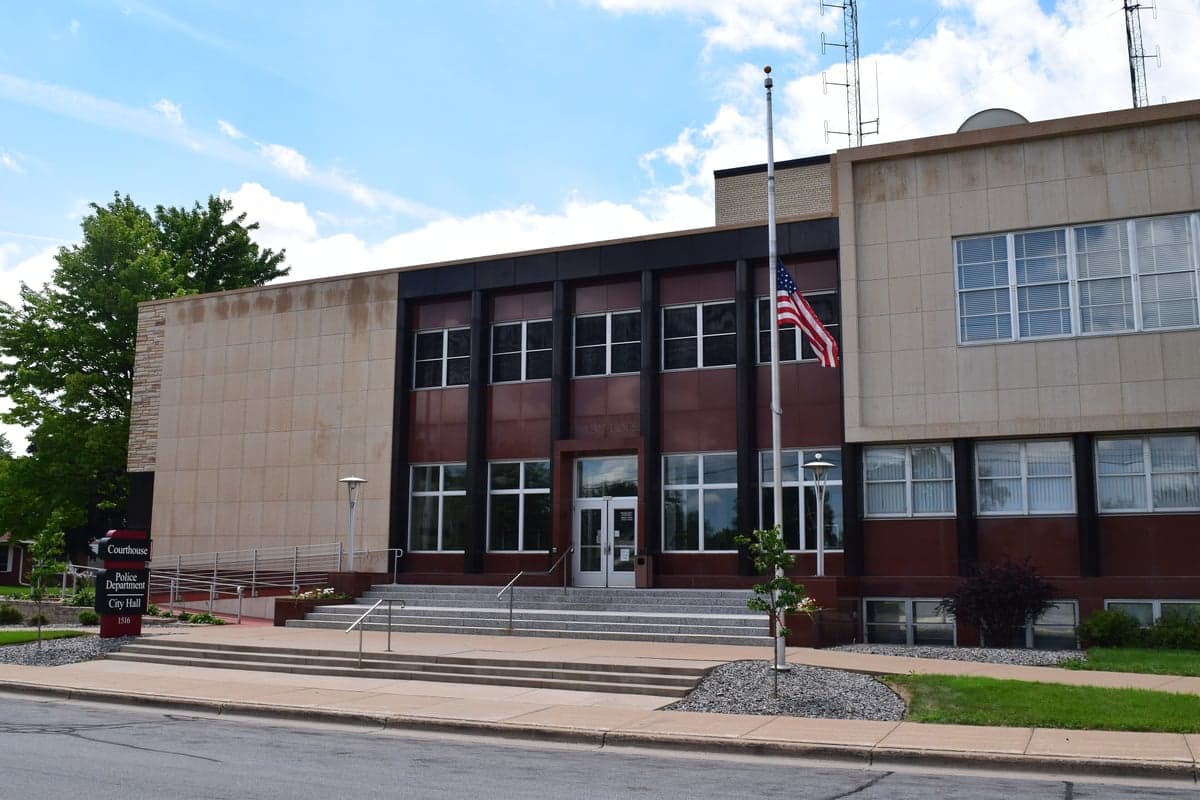
Photo: Wikipedia
Quality of Life in Portage County
A livable area that tracks near national norms for affordability, walkability, and neighborhood health.
What does Quality of Life tell us?
Quality of Life measures an area by evaluating factors like cost of living, nearby amenities, country club access, airport proximity, socioeconomic signals and neighborhood character. For large states, this is a general average — quality of life can vary dramatically between metro areas, suburbs, and rural communities within the same state.
What does this tell us?
Quality of Life measures an area by evaluating factors like cost of living, nearby amenities, country club access, airport proximity, socioeconomic signals and neighborhood character. For large states, this is a general average — quality of life can vary dramatically between metro areas, suburbs, and rural communities within the same state.
Cost of Living
21% below national average
111%
The Real Cost of Living in Portage County for 2026
| Tier | Individual | Family (4) |
|---|---|---|
| Survival | $14k | $27k |
| Comfortable | $45k | $66k |
| Luxury | $116k+ | $180k+ |
| Elite (Top 5%) | $136k+ | $212k+ |
Quality-of-Life Analysis
Portage County, Wisconsin offers a broad spectrum of living environments, from the college-town energy and regional retail hub of Stevens Point to the quiet, unincorporated crossroads of places like Custer and Almond. This central Wisconsin county attracts a mix of university faculty, students, retirees seeking affordable lakefront property, and commuters who work in the paper and manufacturing industries. The county’s character shifts noticeably as one moves from the dense, walkable core of Stevens Point outward into the agricultural flats and forested moraines of its smaller townships.
Largest town(s) & population centers
Stevens Point is the county’s undisputed center, home to the University of Wisconsin-Stevens Point (UWSP) and roughly 26,000 residents. Daily life here revolves around the downtown strip along Main Street, which features independent coffee shops, the historic Fox Theater, and a strong farmers’ market. The university heavily shapes the local economy and culture, with a younger median age and a calendar packed with arts and sporting events. Plover, immediately south of Stevens Point along Highway 51, functions as the county’s primary retail and commercial corridor, with big-box stores, chain restaurants, and newer subdivisions that appeal to families and commuters. Plover’s population has grown steadily, and its schools (part of the Stevens Point Area School District) are a draw for those wanting suburban-style amenities without leaving the county. Whiting and Park Ridge are smaller, affluent villages directly adjacent to Stevens Point, offering older, established neighborhoods with mature trees and easy access to the Green Circle Trail, a 27-mile loop popular with walkers and cyclists.
Smaller towns & rural pockets
Beyond the core, Portage County contains a string of small villages and unincorporated communities that offer a distinctly slower pace. Amherst and Amherst Junction sit in the southeastern corner, near the Portage County line; Amherst’s historic downtown has a growing reputation for boutique shopping and the popular Central Waters Brewing Company. Rosholt, in the northeast, is a tight-knit farming community with a strong school system and a quiet, agricultural feel. Almond, further south, is a classic Wisconsin small town centered on a grain elevator and a handful of local businesses. Nelsonville and Stockton are tiny unincorporated hamlets where residents often live on multi-acre lots or small hobby farms. The townships of Buena Vista, Grant, and Linwood are largely rural, with vast potato and vegetable fields, scattered farmsteads, and a handful of churches and volunteer fire departments. These areas lack municipal water and sewer in many places, which keeps land prices lower but requires self-sufficiency.
Cost & lifestyle range
The county’s overall cost of living index of 79 (100 = U.S. average) masks significant internal variation. The most affordable housing is found in the rural townships and smaller villages like Almond and Rosholt, where the median home value of $230,400 can still buy a three-bedroom farmhouse on an acre or more. In Stevens Point’s older neighborhoods near campus, rents hover near the county median of $903, but competition for units is higher. At the upper end, newer subdivisions in Plover and the lakefront properties around Lake DuBay (on the Wisconsin River) and Lake Emily push home values well above the county median, often exceeding $350,000. The average commute of 19.5 minutes is remarkably short even by Wisconsin standards, meaning a resident in rural Buena Vista can reach a job at the Sentry Insurance headquarters in Stevens Point in under 25 minutes. Amenities thin out quickly outside the Stevens Point-Plover corridor: grocery stores, medical clinics, and sit-down dining are concentrated in that central zone, while smaller towns rely on gas stations, taverns, and occasional dollar stores.
Portage County is best suited for people who want a genuine choice between walkable college-town living, suburban convenience, and rural self-reliance—all within a 20-minute drive. Families who prioritize short commutes and affordable homeownership will find the Plover and Stevens Point areas practical, while those seeking land, privacy, and lower taxes will gravitate toward the outlying townships. The county’s mix of university culture, agricultural roots, and recreational access (the Tomorrow River, the Green Circle Trail, and multiple county parks) means that no single lifestyle dominates, and residents can shift between environments without leaving the county line.

Crime in Portage County
Generally safer than 64% of comparable U.S. locations.
Violent CrimeViolent Crime Analysis
Property CrimeProperty Crime Analysis
Crime Analysis
Portage County, Wisconsin, presents a mixed safety profile that is notably safer than the national average but slightly elevated compared to the rest of Wisconsin. The county's violent crime rate of 222.4 per 100,000 residents is roughly 40% lower than the U.S. average, while its property crime rate of 922.9 per 100,000 sits near the state median. However, safety varies significantly between the county's urban hub of Stevens Point and its more rural townships, with local policing strategies and prosecutorial philosophies playing a key role in outcomes.
Crime in context
Portage County's violent crime rate is well below the national benchmark of 380 per 100,000, but it exceeds the Wisconsin state average of approximately 290 per 100,000. Property crime in the county is slightly above the state average of 890 per 100,000, driven largely by theft and burglary in the Stevens Point area. The county's overall crime index is 14.5 per 1,000 residents, compared to the national median of 22.0. These figures place Portage County in a moderate-risk tier among Wisconsin's 72 counties, with Rural towns like Almond and Amherst reporting significantly lower crime rates than the county average, while Stevens Point and Plover account for the majority of reported incidents.
What residents experience
For most residents, property crime is the primary concern. Larceny-theft and motor vehicle theft are the most common offenses, particularly in commercial corridors along Highway 10 and around the University of Wisconsin-Stevens Point campus. Violent crime is less frequent but tends to be concentrated in specific areas: Stevens Point's downtown and near-campus neighborhoods see higher rates of assault and robbery, while the Village of Whiting and the Town of Hull report very low violent crime. The Portage County District Attorney's office, which operates under a moderate prosecutorial approach, has maintained a conviction rate above 85% for felony cases since 2020. However, critics note that progressive diversion programs for non-violent offenders, while intended to reduce recidivism, can result in shorter sentences that some residents feel undermine public safety. The county's judicial district, part of Wisconsin's 11th Judicial Circuit, has not adopted the sweeping bail reform seen in larger urban counties, which helps keep repeat offenders off the streets.
Neighborhood-level variation and key areas
Safety in Portage County is highly localized. Stevens Point, the county seat and largest city, has a crime rate roughly 1.5 times the county average, with property crime rates near 1,400 per 100,000. In contrast, Amherst and Almond consistently report violent crime rates below 100 per 100,000, making them among the safest communities in central Wisconsin. Plover, a growing suburb of Stevens Point, has a property crime rate slightly below the county average but has seen a 12% increase in thefts since 2022, likely tied to its expanding retail sector. Junction City and Rosholt are rural villages with minimal crime, though residents there face longer emergency response times. For those considering relocation, the safest bets are the smaller townships and villages outside the Stevens Point metro area, where community policing and lower population density keep crime rates low. The county's overall trajectory is stable, with no major upward trends in violent crime since 2020, though property crime remains a persistent nuisance in commercial zones.
* Values derived from national, state, county, city and local statistics and may differ in a specific area. Last updated: 2026-05-12T10:04:25.000Z
Narrative content on this page is AI-generated and may contain mistakes. Verify any details that matter before acting on them.
ReloMaps may earn a commission from affiliate links at no extra cost to you.

