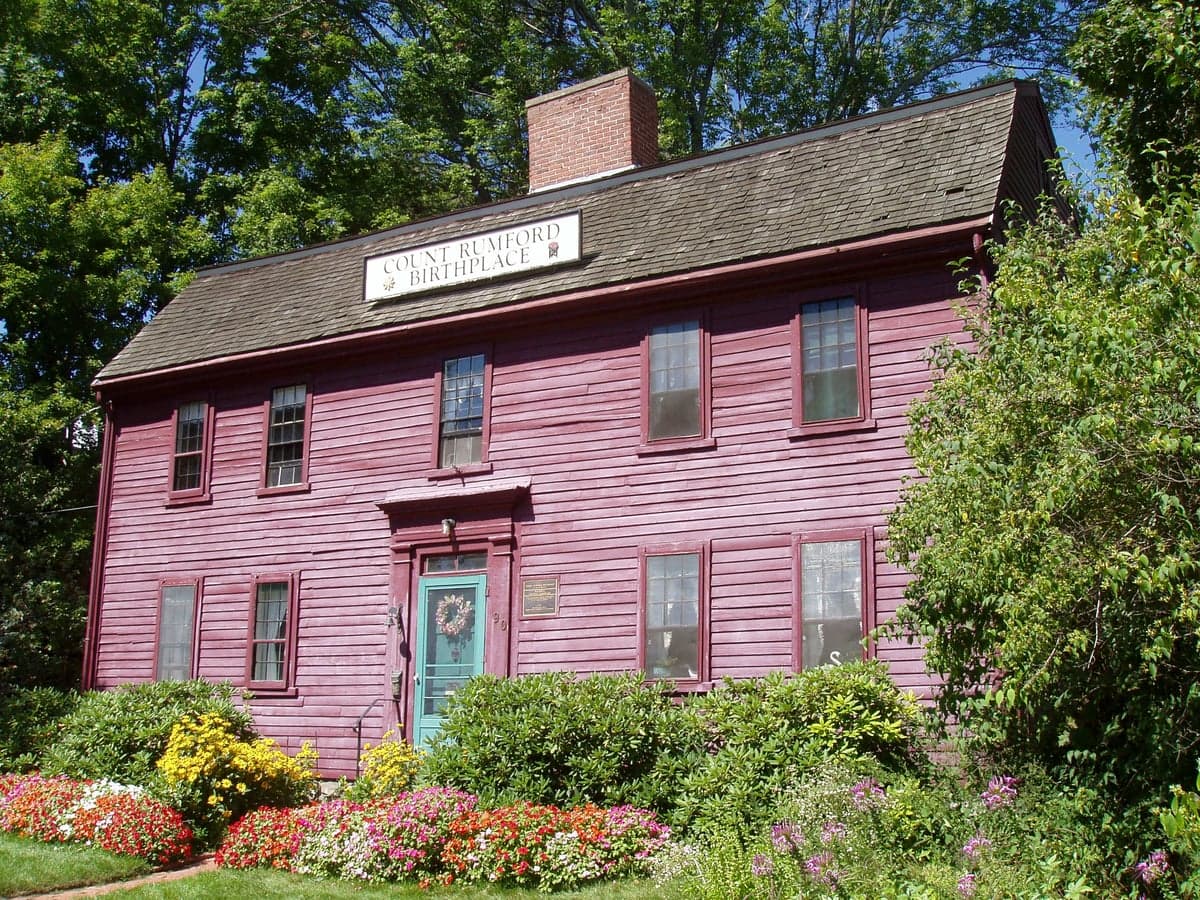
Photo: Wikipedia
Quality of Life in Woburn, MA
A high quality of life with strong walkability, manageable living costs, healthy neighborhood signals, and solid amenity access.
What does Quality of Life tell us?
Quality of Life blends cost of living, nearby amenities, socioeconomic signals, and neighborhood character. City-level scores represent the whole municipality; individual neighborhoods can differ.
What does this tell us?
Quality of Life blends cost of living, nearby amenities, socioeconomic signals, and neighborhood character. City-level scores represent the whole municipality; individual neighborhoods can differ.
Cost of Living
104% above national average
The Real Cost of Living in Woburn, MA for 2026
| Tier | Individual | Family (4) |
|---|---|---|
| Survival | $35k | $66k |
| Comfortable | $124k | $182k |
| Luxury | $182k+ | $282k+ |
| Elite (Top 5%) | $214k+ | $332k+ |
59%
The Area Signal
A metric tracking the socioeconomic signals of the area.
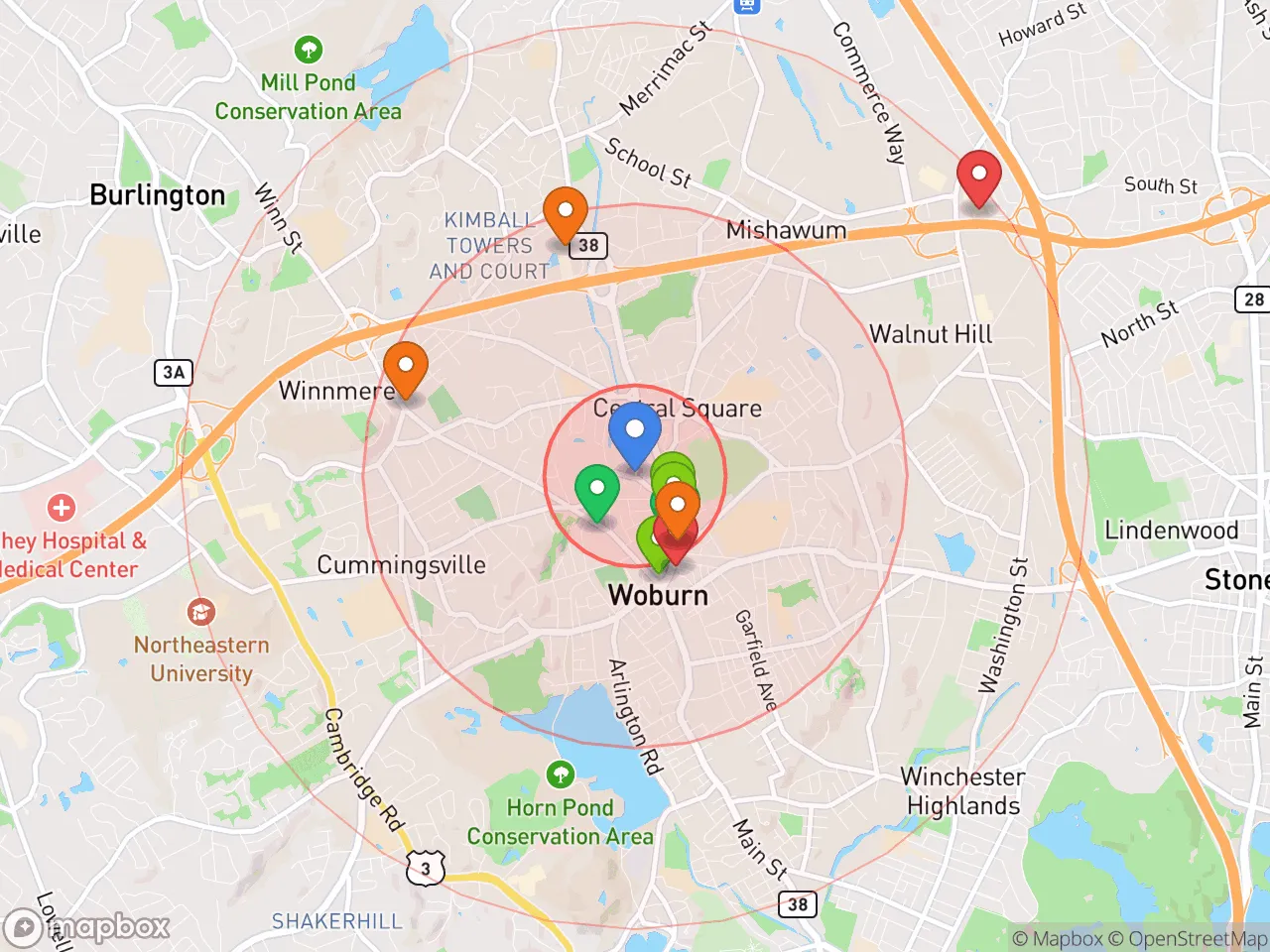
Hobbies
Explore the areaGroceries
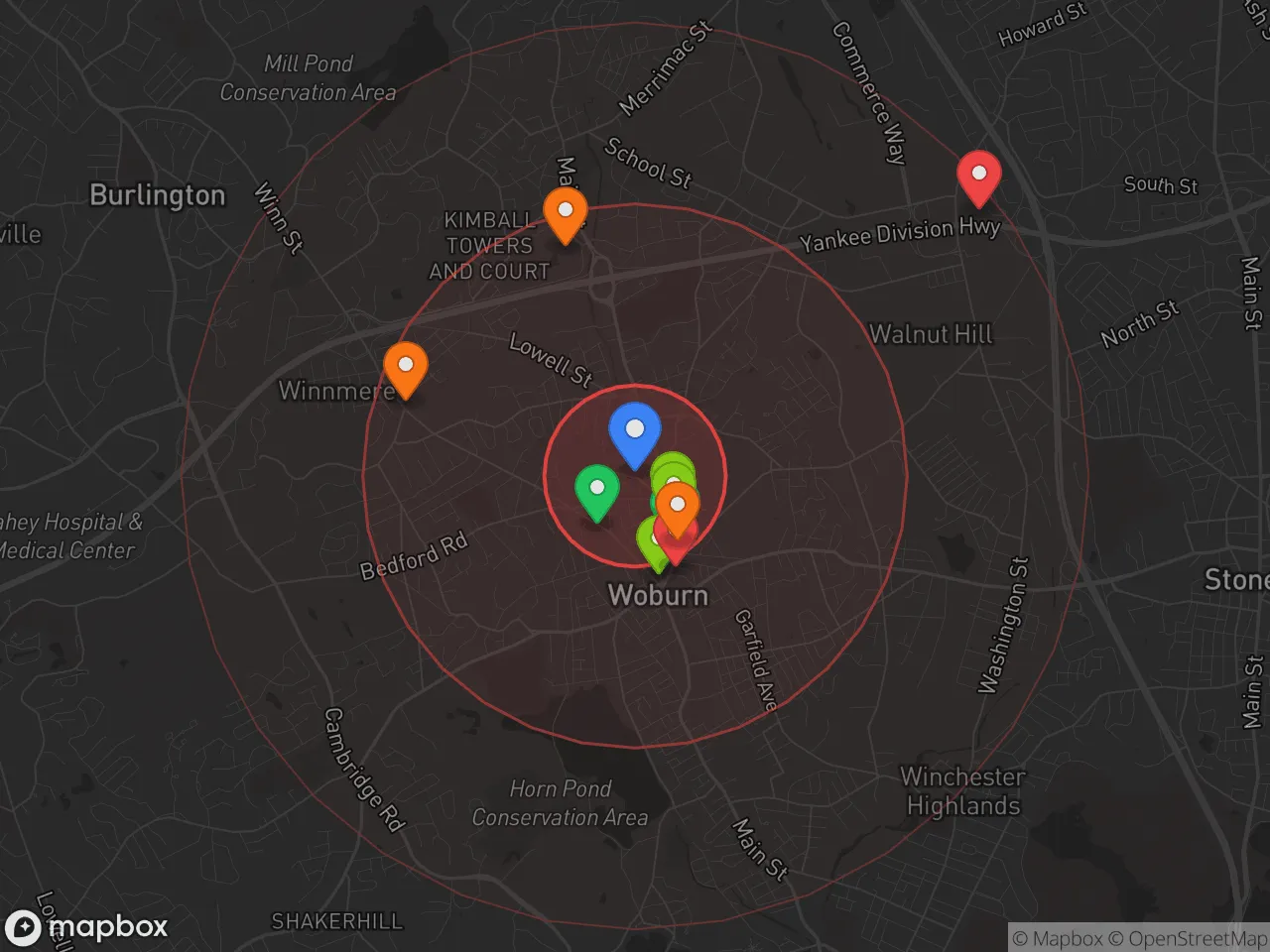
6 within 10 miles
Gas
20 within 10 miles
Hospital
20 within 20 miles
Airport
PDX — Portland International Jetport
Post Office
USPS — 1 Abbott Street, Woburn
Critical Amenities
Quality-of-Life Analysis
Woburn, Massachusetts, presents a classic Boston-suburb trade-off: high affluence and strong local amenities come with a cost of living that far exceeds the national average. The city's cost of living index of 204 (where 100 equals the U.S. average) signals a community where professionals, dual-income families, and long-term residents dominate the demographic landscape. Median household incomes in Woburn consistently outpace state and national figures, reflecting a population that prioritizes proximity to Boston’s job market, top-tier schools, and a stable, well-maintained suburban environment over lower expenses.
How housing costs and affordability compare to nearby suburbs
Woburn’s housing market sits in a middle tier among Boston’s northern suburbs — less expensive than Lexington or Winchester, but pricier than Wilmington or Billerica. The median home value of $641,800 and median rent of $2,190 both run roughly double the national medians, aligning with the area’s elevated cost-of-living index. For buyers, this means a typical single-family home requires a substantial down payment and household income well above $150,000 to avoid being cost-burdened. Renters face similar pressure: a two-bedroom apartment at $2,190 demands a monthly income of roughly $7,300 to meet the standard 30% rent-to-income ratio. While these figures are steep, they remain notably lower than core Boston neighborhoods or the priciest inner-ring suburbs, making Woburn a pragmatic compromise for those who need reasonable commute times — the average commute clocks in at about 26 minutes — without sacrificing space or school quality.
What daily life is like for families and professionals
Woburn balances suburban calm with urban convenience. The city’s public school system, part of the Woburn Public Schools district, draws families seeking strong academic outcomes without the bidding wars of Lexington or Winchester. Horn Pond, a 200-acre conservation area with walking trails and a lake, serves as a central outdoor amenity, while the Woburn Mall and nearby retail corridors along Route 38 and I-93 provide everyday shopping and dining. The city’s location at the intersection of I-93 and I-95 gives residents direct highway access to Boston (about 12 miles south), Cambridge, and the Route 128 tech corridor, which hosts major employers like Raytheon, Pfizer, and Keurig Dr Pepper. For daily errands, the Anderson Regional Transportation Center offers commuter rail service to Boston’s North Station, though most residents rely on cars. The rhythm of life here leans toward the practical: good schools, reliable services, and a mix of older triple-deckers, mid-century ranches, and newer subdivisions create a lived-in feel rather than a polished, exclusive one.
Woburn is best suited for professionals and families who value a strong school system, short commute to Boston-area jobs, and a stable, middle-to-upper-middle-class environment — and who can absorb the high housing costs that come with it. Empty-nesters and long-term residents also find the city appealing for its walkable downtown pockets and access to medical facilities like Lahey Hospital & Medical Center in nearby Burlington. Those seeking nightlife, walkable urban density, or significantly lower costs will likely find Woburn a mismatch; but for anyone prioritizing a balanced, family-oriented suburb with solid fundamentals and quick access to the region’s economic core, it remains a consistently strong choice.

Crime in Woburn, MA
Lower crime rates than 91% of comparable U.S. locations.
Violent CrimeViolent Crime Analysis
Property CrimeProperty Crime Analysis
Crime Analysis
Woburn, Massachusetts, presents a mixed safety profile for prospective residents. While the city’s violent crime rate of 85.2 incidents per 100,000 people is notably lower than both the Massachusetts state average and the national median, its property crime rate of 594.3 per 100,000 sits slightly above the state average, indicating a higher risk for theft and burglary. However, the overall safety picture is heavily influenced by the surrounding legal and political environment, which is a significant concern for those relocating to the Greater Boston area.
Crime in context
Woburn’s violent crime rate is roughly one-third the national average, a statistic that places it among the safer communities in Middlesex County for serious offenses like assault and robbery. The property crime rate, however, is a more nuanced metric. At 594.3 per 100,000, it is higher than the Massachusetts average of approximately 400 per 100,000, driven largely by larceny and motor vehicle theft. This disparity is common in suburbs of large metro areas like Boston, where property crime often correlates with proximity to urban transit corridors and highway access (I-93 and I-95). The city’s proximity to a progressive legal ecosystem—including the Middlesex County District Attorney’s office and judges in the state’s trial courts—is a critical factor. These offices have increasingly adopted policies emphasizing diversion programs and reduced incarceration for non-violent property offenders. While intended to reduce recidivism, such approaches can result in more repeat offenders remaining on the street, directly undermining public safety and victim restitution.
What residents experience
Daily life in Woburn for most residents involves a low risk of violent confrontation, but a tangible awareness of property crime. Common incidents include package thefts from porches, break-ins of unlocked vehicles, and occasional commercial burglaries. The city’s police department is proactive, with a strong community policing presence, but its effectiveness is constrained by the broader judicial philosophy in Massachusetts. The state’s progressive bail reform laws and district attorney policies often prioritize the rights of the accused over the security of victims, leading to situations where known offenders are released quickly. For families and homeowners, this means that while the streets may feel safe during the day, the legal system’s leniency creates a persistent, low-level risk of property loss and a sense that justice is not fully served when crimes occur.
Neighborhood-level variation in Woburn is notable. Areas closer to the city’s downtown core and the commercial corridors along Main Street and Washington Street see higher concentrations of property crime, particularly larceny from vehicles. The more residential, tree-lined neighborhoods in the western and northern parts of the city, such as those near Horn Pond, generally report fewer incidents. However, the overarching concern for any resident is the regional legal climate: progressive judicial policies across Middlesex County mean that even in safer pockets, the risk of encountering a repeat offender is elevated compared to communities in more conservative jurisdictions. For those prioritizing safety, Woburn requires a vigilant approach to home security and a clear-eyed understanding of the local justice system’s impact on crime prevention.
* Values derived from national, state, county, city and local statistics and may differ in a specific area. Last updated: 2026-05-01T10:25:36.000Z
Narrative content on this page is AI-generated and may contain mistakes. Verify any details that matter before acting on them.
ReloMaps may earn a commission from affiliate links at no extra cost to you.

