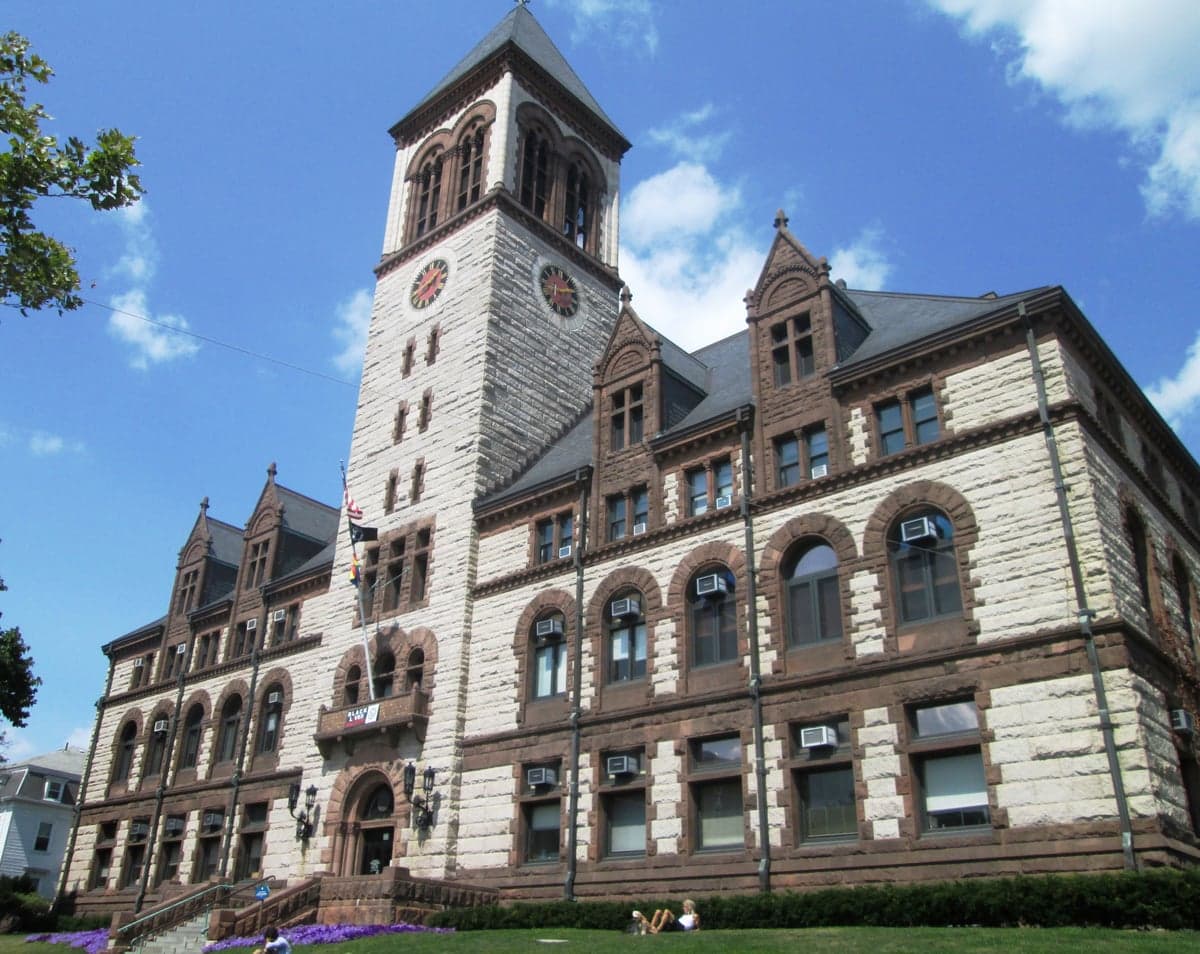
Photo: Wikipedia
Find The Best Places To Live
in Cambridge
PRO TIP! You can paste a Zillow or Redfin link to get info on that property.
What It's Like Living in Cambridge, MA
Cambridge has a specific energy that’s hard to replicate—part college town, part tech hub, part historic New England city, all packed into just over six square miles. With a population just shy of 118,000 and a median age of 30.5, it feels young and ambitious, but not in a frat-party way. The kind of person who fits in here is likely well-educated (over 80% of adults hold a college degree), career-driven, and comfortable with a high cost of living in exchange for intellectual stimulation and walkable urban life.
The Daily Rhythm: Walkable Blocks and Academic Anchors
Daily life in Cambridge revolves around three main squares: Harvard, Central, and Kendall. Harvard Square is the historic heart—bookstores, coffee shops, street musicians, and the constant hum of students and tourists. Central Square feels grittier and more diverse, with ethnic restaurants, dive bars, and a live music scene that punches above its weight. Kendall Square is the biotech and tech corridor, home to MIT and a dense cluster of startups and pharmaceutical labs. Most residents walk, bike, or take the T (the Red Line runs through all three squares). The average commute is about 26 minutes, which is reasonable for the Boston metro area, but driving is a different story—traffic on Memorial Drive and Mass Ave can be brutal during rush hour, and parking is a nightmare. Many longtime residents simply give up on owning a car.
Weekends often mean a trip to the Harvard Farmers Market (Sundays, year-round), a walk along the Charles River, or brunch at spots like Felipe’s Taqueria (a Harvard Square institution) or Russell House Tavern. For groceries, Whole Foods and Trader Joe’s dominate, but the Cambridge Public Market near Kendall offers local produce and prepared foods. The weather follows a classic New England rhythm: winters are cold and gray (expect snow from December through March), springs are muddy and brief, summers are humid but pleasant, and fall is spectacular with leaf-peeping along the Charles.
Sports, Culture, and What People Actually Do for Fun
Sports fandom here is less about pro teams and more about college rivalries. Harvard vs. Yale football games in November draw alumni from across the country, and MIT’s athletics have a quirky, underdog appeal. That said, Boston’s pro teams (Red Sox, Celtics, Bruins, Patriots) are just a T ride away, and you’ll see plenty of Sox caps around town. High school sports are not a major community focal point—Cambridge Rindge & Latin has teams, but they don’t dominate local conversation the way they might in a suburban town.
Entertainment leans intellectual and indie. The Brattle Theatre in Harvard Square shows classic and art-house films. The Middle East in Central Square is a legendary live music venue hosting everything from punk to world music. The Cambridge Science Festival (usually in April) and the Cambridge River Festival (June) draw big crowds. For outdoor space, the Charles River Esplanade is the go-to for running, cycling, and sailing, while Fresh Pond Reservation offers a quieter, wooded loop popular with dog walkers. The Harvard Museum of Natural History and the MIT Museum are excellent for rainy-day visits.
Pros and Cons: The Honest Trade-Offs of Living Here
What longtime residents love:
- Walkability and transit access. You can live car-free in most of Cambridge, with the T, buses, and bike lanes covering the city. The Red Line connects directly to downtown Boston in 10–15 minutes.
- Intellectual and cultural density. You’re surrounded by world-class universities, museums, lectures, and a population that values education and debate. It’s easy to find a book club, a coding meetup, or a political discussion group.
- Diverse food scene. From Oleana (upscale Middle Eastern) to Pizza Days (cash-only, no-frills slices) to the Cambridge Brewing Company (craft beer and pub food), the range is impressive for a city this size.
What frustrates residents:
- Cost of living is extreme. The median home value is over $1 million, and the cost of living index sits at 289 (nearly three times the national average). Even renters feel the squeeze—a one-bedroom apartment often runs $2,500–$3,000 per month. The median household income of $126,469 sounds high, but it doesn’t go as far as you’d think.
- Crime is a real concern in spots. The violent crime rate is 401.2 per 100,000, which is higher than the national average. Most incidents are concentrated in specific areas (parts of Central Square and around some public housing complexes), but it’s not something residents ignore. Property crime, especially bike theft, is very common.
- Transient population. With so many students and young professionals, it can feel hard to build deep, lasting friendships. Many people are here for 2–4 years and then move on. The city has a “revolving door” feel that some find lonely.
Cultural Quirks and Practical Realities
One of Cambridge’s most distinctive traits is its strong local political identity. The city is famously progressive—it was an early adopter of rent control (since repealed), universal pre-K, and strict environmental policies. Yard signs for local city council races are everywhere, and residents take zoning and development debates very seriously. This can feel invigorating or exhausting depending on your perspective. For a conservative-leaning audience, it’s worth noting that Cambridge is one of the most liberal cities in the country; political conversations are common and can be intense.
Schools play a surprisingly central role in community life, given the high number of childless households. The Cambridge Public Schools system is well-regarded, with strong programs at Cambridge Rindge & Latin (the only public high school) and several highly-rated elementary schools. However, many families opt for private schools (like Buckingham Browne & Nichols or Shady Hill), which adds another layer of cost. The city’s universal pre-K program is a big draw for parents of young children.
Seasonal rhythms are pronounced. Winter can feel long and dark, with short days and frequent nor’easters. But summer brings a palpable release—outdoor concerts, patio dining, and the Cambridge Carnival in September (a Caribbean-style parade through Central Square). The Head of the Charles Regatta in October is the world’s largest rowing event, turning the river into a spectacle of boats and spectators. If you’re considering a move here, the key question isn’t whether you can afford it—it’s whether you’re ready for a city that rewards ambition, values intellect, and never slows down.

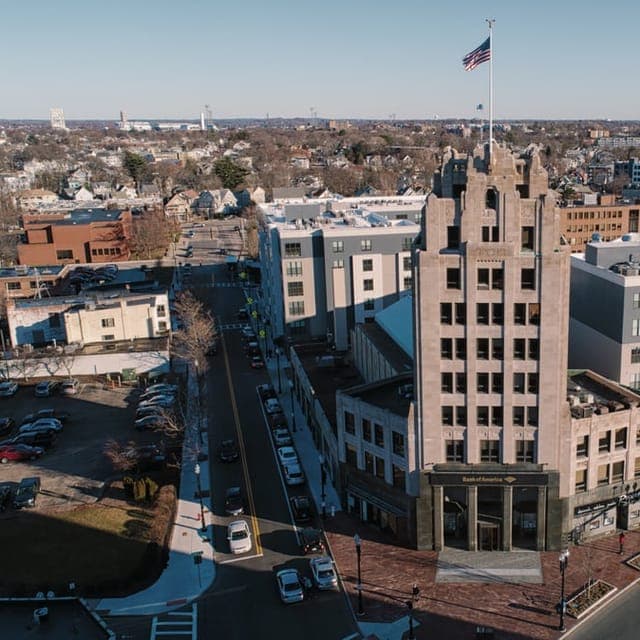
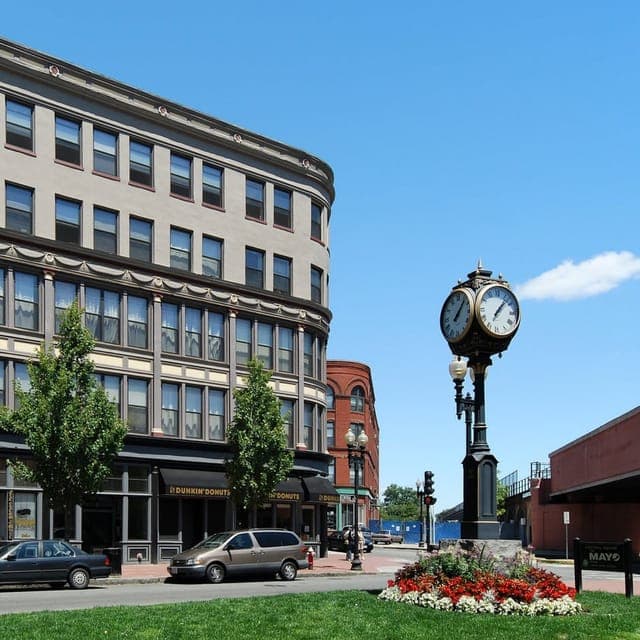
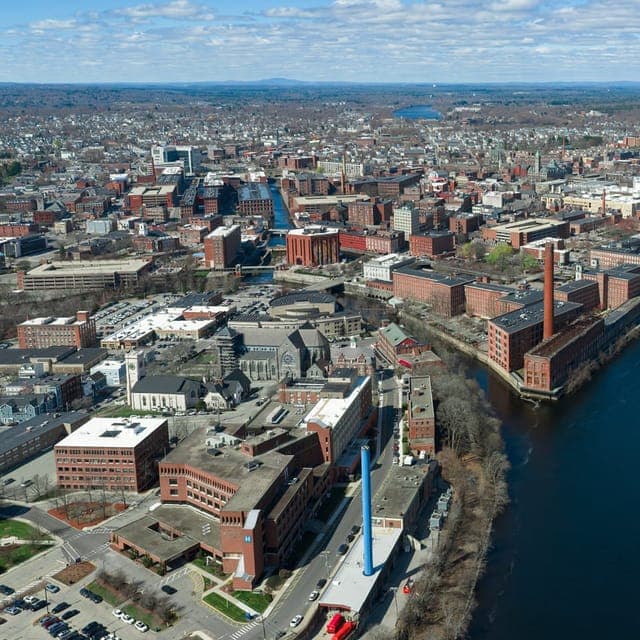
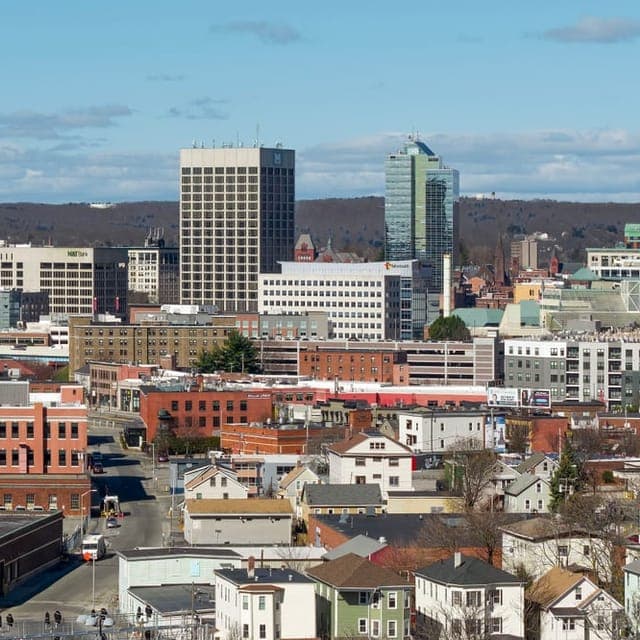
Similar small cities to Cambridge
* Values derived from national, state, county, city and local statistics and may differ in a specific area. Last updated: 2026-04-15T23:38:45.000Z
Narrative content on this page is AI-generated and may contain mistakes. Verify any details that matter before acting on them.
ReloMaps may earn a commission from affiliate links at no extra cost to you.

