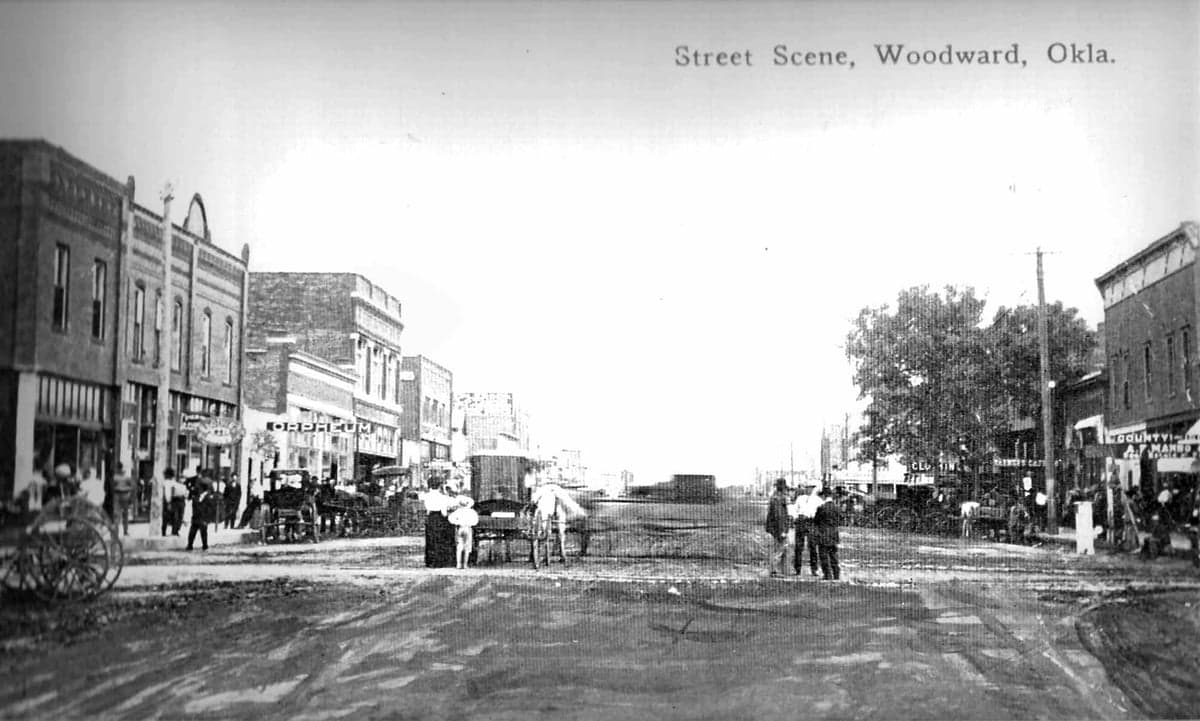
Photo: Wikipedia
Strategic Assessment of Woodward, OK
Strong survivability profile. Good buffer from population centers, with manageable environmental and tactical risks.
What does the Strategic Assessment tell us?
Our Strategic Assessment grades tactical survivability of an area. Major population centers, military targets, fallout zones, natural disasters, and border exposure all drive risk — lower exposure means a more defensible position in a crisis.
This is heavily inspired by Joel Skousen's Strategic Relocation book. Highly recommended you checkout the book ($)What does this tell us?
Our Strategic Assessment grades tactical survivability of an area. Major population centers, military targets, fallout zones, natural disasters, and border exposure all drive risk — lower exposure means a more defensible position in a crisis.
This is heavily inspired by Joel Skousen's Strategic Relocation book. Highly recommended you checkout the book ($)Strategic Pillars

Key Distances
Regional Safe Places
Below is our recommended "safe zones" in Oklahoma and the surrounding area based on our strategic heuristics. For most people, it's unrealistic to live in a “safe zone” full-time due to work, family or other personal reasons. They tend to be more rural. However, many of these areas are perfect for second homes and retreat properties that double as a vacation home or even a short-term rental.
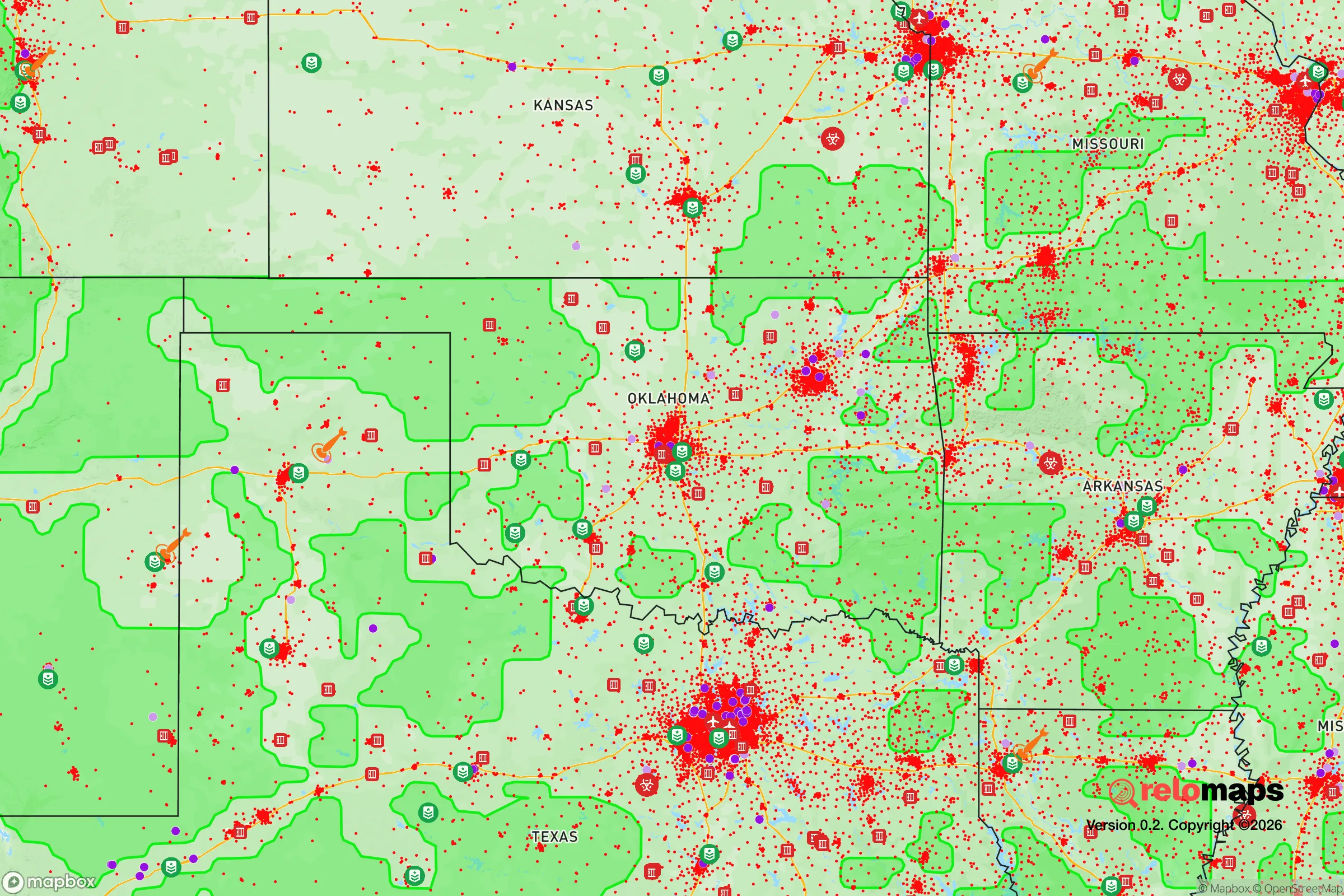
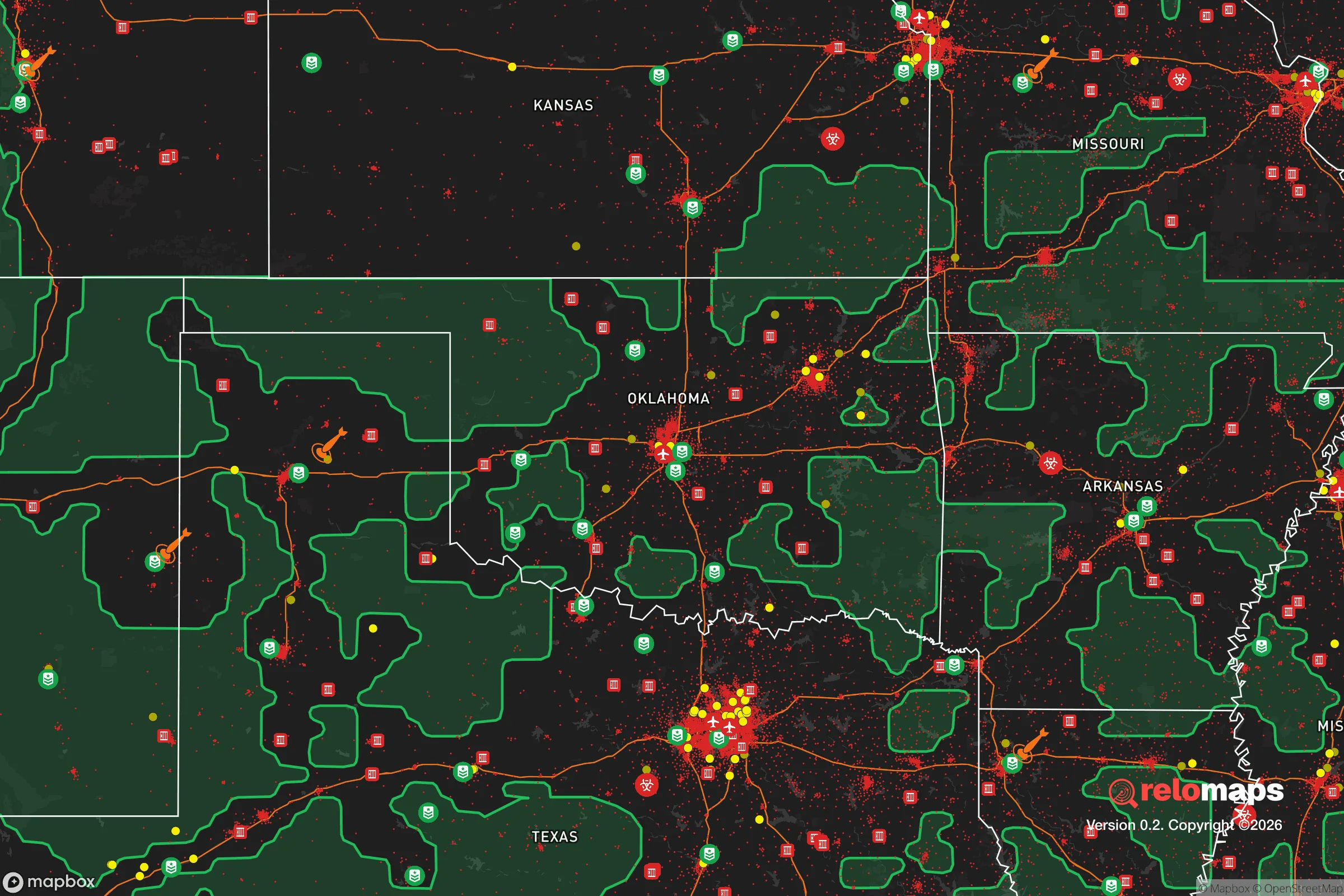


Important Note: For informational purposes only. This does not mean nothing bad ever happens in the green zones. Please use common sense. This is based on public data and modeled with AI. We tried to take a conservative approach but mistakes happen. We update this regularly as new information becomes available.
Solar Generator Recommendations
Backup power matters more here than in safer locations. We've picked three solar generators across budgets and capacity tiers — start with the budget unit if you only need a few essentials, or step up if you want to run a fridge and HVAC for days at a time.

Jackery Portable Power Station Explorer 300
Budget OptionPower on the Go: Weighing only 11 lbs, it's convenient to set up and store with book-sized foldable solar panels

BLUETTI Portable Power Station AC180
Designed for both indoor and outdoor scenarios, AC180 is highly capable as it has a robost capacity and continuous output power.

EF ECOFLOW DELTA Pro Ultra Power Station
Upgraded PickEcoFlow DELTA Pro Ultra is a whole-home energy system designed to grow with your family. Integrated with the Smart Home Panel 2, it scales to meet your evolving energy needs — keeping your home powered, intelligent, and secure through every stage of life.
We earn a commission, at no additional cost to you.
Strategic Assessment Analysis
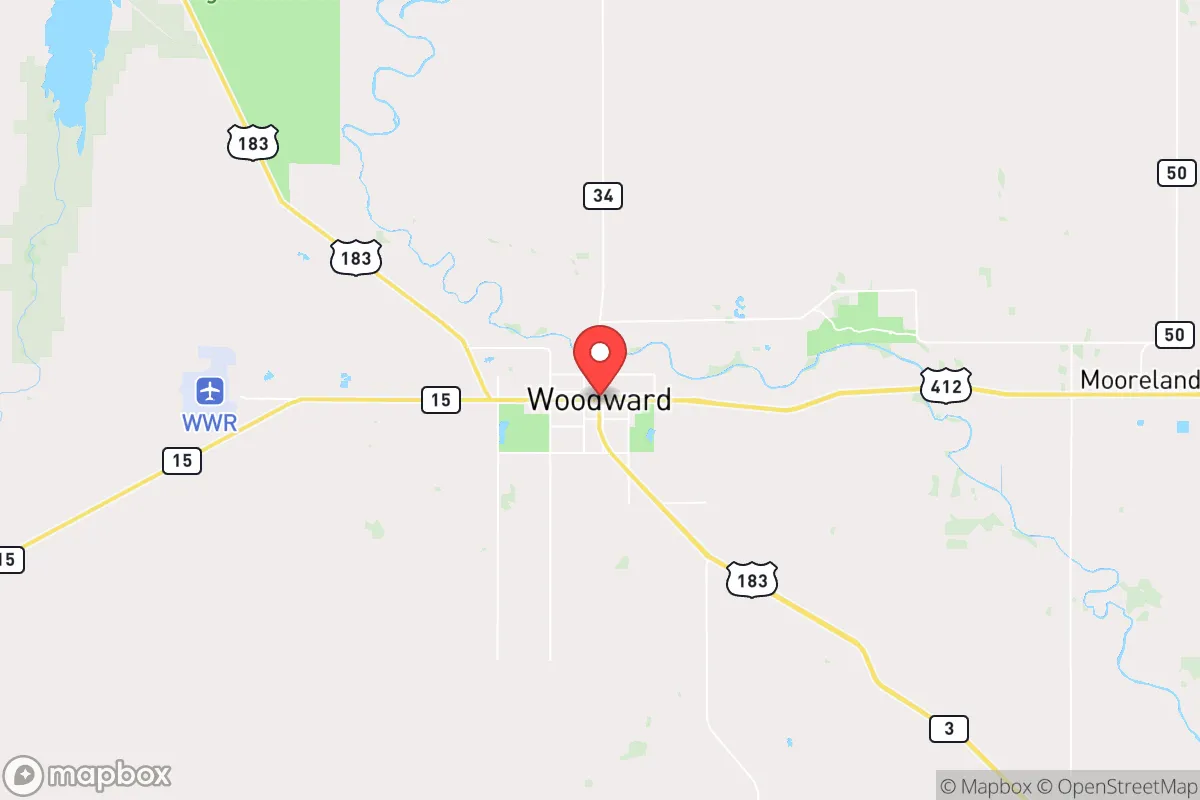
Woodward, Oklahoma, offers a compelling strategic position for those prioritizing resilience and self-sufficiency, sitting at the intersection of the Southern Great Plains and the High Plains. Its location roughly 140 miles northwest of Oklahoma City and 100 miles south of the Kansas border places it well outside the immediate fallout zones of major metropolitan targets, while its agricultural and energy infrastructure provides a baseline for sustained operations during disruption. The area’s low population density—around 12,000 residents in the city proper—and its historical role as a regional trade hub for cattle, wheat, and oil give it a quiet but functional backbone for a relocator looking to weather instability.
Geographic position and natural advantages for long-term security
Woodward’s geography is defined by the rolling plains and the nearby Gloss Mountains, offering natural terrain that provides both visibility and limited defensibility without the isolation of deep wilderness. The city sits along the North Canadian River, which, while not a major water source, supports local aquifers and irrigation for the surrounding agricultural land. The area’s elevation—around 1,900 feet—means cooler summers than points south, reducing heat stress during grid-down scenarios, and the dry climate limits mold and decay issues for stored supplies. The region’s position in the heart of the Oklahoma Panhandle corridor means it’s a natural waypoint for movement between the Rockies and the eastern plains, but it’s far enough from Interstate 35 and I-40 to avoid the chokepoint chaos that would follow a major event. For a prepper, this means you’re not in a primary evacuation route, but you’re close enough to access supplies or relocate if needed. The surrounding farmland is productive—wheat, cattle, and hay dominate—so local food production is a real asset, not just a theoretical one.
Risks, exposures, and proximity to fallout-relevant landmarks
The primary risk in Woodward is its proximity to energy infrastructure that could become a secondary target or a source of contamination. The area sits within the Anadarko Basin, a major oil and natural gas producing region, with numerous wells, pipelines, and processing facilities scattered across the county. While these aren’t likely primary nuclear targets, a cascading failure in the energy grid—whether from cyberattack, EMP, or conventional sabotage—could disrupt local fuel supplies and create hazardous leaks. The city itself is about 90 miles from the Pantex nuclear weapons plant near Amarillo, Texas, which is a high-value target in any conflict scenario. A ground burst at Pantex would produce significant fallout that could drift eastward over Woodward depending on wind patterns, though prevailing winds in the region are typically from the south-southwest, which would push contamination north of the city in many scenarios. The nearby Vance Air Force Base in Enid (about 70 miles east) is a training hub for tanker aircraft and could be a secondary target, but its strategic value is lower than major bomber or missile bases. For a relocator, the key takeaway is that Woodward is not in a primary blast zone, but it’s within the fallout risk radius for a major strike on Pantex or a large-scale industrial accident. The area also experiences severe weather—tornadoes, hailstorms, and occasional blizzards—which can disrupt supply chains and damage infrastructure, but these are manageable with proper preparation and don’t represent the kind of existential threat that urban collapse does.
Practical resilience for a relocator: food, water, energy, and defensibility
Water access is a critical consideration, and Woodward’s municipal supply comes from the Woodward Lake and the North Canadian River, but a relocator should plan for well water or rainwater catchment. The local water table is generally accessible at depths of 100-300 feet, and many rural properties already have private wells. The city’s water treatment plant is a single point of failure, so a prepper should not rely on municipal supply during a prolonged event. Food security is strong: the surrounding county (Woodward County) is among the top wheat producers in the state, and local ranchers supply beef and pork. The Woodward Farmers Market and co-ops provide seasonal produce, but for long-term storage, you’ll want to establish relationships with local growers and processors. The area has a handful of grain elevators and feed stores that could serve as bulk supply points if you’re willing to barter or trade. Energy is a mixed bag: the grid is served by OG&E and Western Farmers Electric Cooperative, both of which are vulnerable to EMP and cyberattack, but natural gas is plentiful and many rural homes already use propane or heating oil. Solar potential is excellent—the region averages over 260 sunny days per year—so a off-grid solar setup with battery storage is viable. Defensibility is moderate: the terrain is open, which means you can see threats coming from miles away, but it also means you’re exposed. A rural property with a good perimeter, a well, and a root cellar or storm shelter provides a solid base. The local law enforcement presence is small—Woodward County has about 20 deputies—so during a breakdown, you’ll largely be on your own. The community itself is tight-knit and conservative, with a strong hunting and gun culture, which means you’re likely to find like-minded neighbors, but also that you should expect a high rate of firearm ownership and a general expectation of self-reliance.
The overall strategic picture for Woodward is that of a solid B-tier relocation option for the serious prepper. It’s not a remote bunker location—you’re still within a few hours of a major city and a high-value target—but it offers a realistic balance of access to resources, low population density, and a community that won’t look at you sideways for stockpiling supplies or carrying a rifle. The risks from Pantex and the local oil infrastructure are real but manageable with proper planning, and the climate and geography are forgiving enough for long-term subsistence. For a single individual or a family looking to get out of the urban chaos and into a place where you can actually dig in, Woodward deserves a serious look—just make sure you’ve got your water and power sorted before you arrive, and keep an eye on the wind direction if things go hot.

* Values derived from national, state, county, city and local statistics and may differ in a specific area. Last updated: 2026-04-19T19:40:04.000Z
Narrative content on this page is AI-generated and may contain mistakes. Verify any details that matter before acting on them.
ReloMaps may earn a commission from affiliate links at no extra cost to you.

