Quality of Life in Wrangell City And, AK
A high quality of life with strong walkability, manageable living costs, healthy neighborhood signals, and solid amenity access.
What does Quality of Life tell us?
Quality of Life blends cost of living, nearby amenities, socioeconomic signals, and neighborhood character. City-level scores represent the whole municipality; individual neighborhoods can differ.
What does this tell us?
Quality of Life blends cost of living, nearby amenities, socioeconomic signals, and neighborhood character. City-level scores represent the whole municipality; individual neighborhoods can differ.
Cost of Living
5% below national average
The Real Cost of Living in Wrangell City And, AK for 2026
| Tier | Individual | Family (4) |
|---|---|---|
| Survival | $17k | $31k |
| Comfortable | $56k | $83k |
| Luxury | $101k+ | $157k+ |
| Elite (Top 5%) | $119k+ | $185k+ |
78%
The Area Signal
A metric tracking the socioeconomic signals of the area.


Hobbies
Explore the areaGroceries
2 within 10 miles
Gas
0 within 10 miles
Hospital
1 within 20 miles
Airport
Alaska Airlines - Wrangell
Post Office
USPS — Wrangell, AK
Critical Amenities
Quality-of-Life Analysis
Wrangell City and Borough, Alaska, presents a distinctive quality-of-life profile defined by a cost of living slightly below the national average and a population that values self-reliance, outdoor access, and small-community cohesion. With a cost-of-living index of 95 (where 100 equals the U.S. average), the area is more affordable than many Southeast Alaska communities, yet it attracts a mix of commercial fishermen, remote workers, and retirees who prioritize wilderness proximity over urban convenience. The borough’s median household income hovers near the state average, supporting a stable, middle-class demographic that leans heavily toward resource-based and public-sector employment.
Cost of living, housing affordability, and how Wrangell compares to nearby towns
Wrangell’s cost of living is notably lower than in Juneau or Ketchikan, making it one of the more budget-friendly options in the Alaska Panhandle. The median home value sits at $289,700, which is roughly 15% below the statewide median and significantly less than the $400,000+ averages seen in Sitka or Petersburg. Renters also benefit, with a median rent of $1,047—well under the $1,300 typical in Juneau. However, goods and groceries are pricier than the Lower 48 due to shipping costs, partially offsetting housing savings. The average commute of 19.5 minutes is short by national standards, reflecting the borough’s compact geography and limited road network; most residents live within a few miles of downtown or the ferry terminal. For those comparing affordability, Wrangell offers a tangible cost advantage over larger Southeast hubs while maintaining comparable access to marine resources and air service.
Local amenities, schools, and what daily life feels like in Wrangell
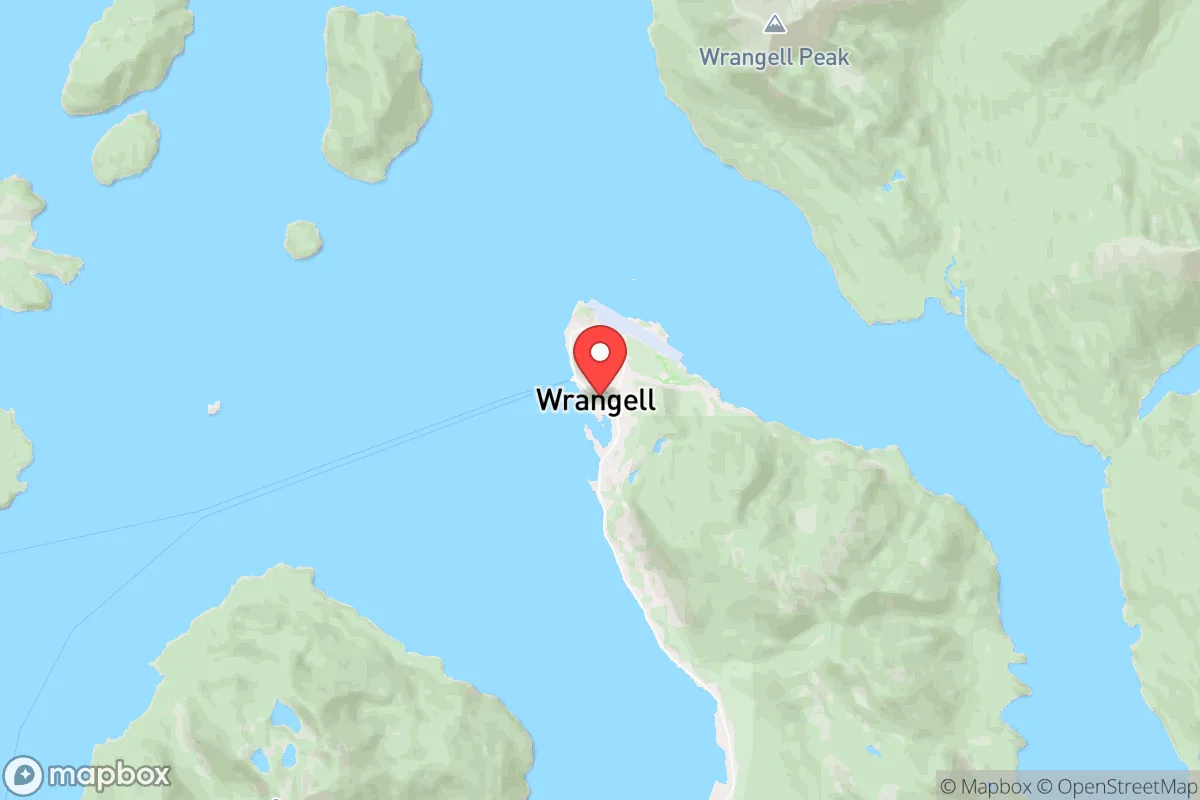
Daily life in Wrangell revolves around the waterfront, the Stikine River delta, and a handful of community anchors. The Wrangell Public Schools system serves roughly 300 students across a single K-12 campus, with a student-teacher ratio near 12:1 and a graduation rate consistently above 90%. Healthcare is provided by the Wrangell Medical Center, a critical-access facility with a small emergency room and limited specialist care—residents often travel to Juneau or Seattle for advanced procedures. Grocery shopping is concentrated at the Alaska Commercial Company and a local co-op, while dining options include a handful of cafes and seafood-focused restaurants. Outdoor recreation defines leisure time: residents fish for salmon and halibut, hunt deer and bear, boat through the Inside Passage, and hike the trails of the Tongass National Forest. The borough lacks a movie theater or major retail chain, so entertainment is largely self-directed. Internet access is available via cable and satellite, but speeds lag behind urban standards, which can challenge remote workers.
Wrangell is best suited for individuals and families who value deep connection to nature, small-town interdependence, and a slower pace of life. Those who thrive here are comfortable with limited shopping, long winters, and the need to plan ahead for supplies and medical care. Retirees on fixed incomes, commercial fishermen, and outdoor professionals will find the affordability and access to wilderness compelling. Conversely, people seeking diverse employment, cultural amenities, or year-round road access may struggle with the isolation. For the right resident, Wrangell offers a rare combination of financial sustainability and raw Alaskan beauty that is increasingly hard to find in more developed parts of the state.

Crime in Wrangell City And, AK
Higher crime rates than 66% of comparable U.S. locations.
Violent CrimeViolent Crime Analysis
Property CrimeProperty Crime Analysis
Crime Analysis
Wrangell, Alaska, presents a complex safety profile that diverges sharply from national averages, with a violent crime rate of 726.6 per 100,000 residents—more than double the U.S. national rate of roughly 380 per 100,000—and a property crime rate of 1,909.5 per 100,000, which sits slightly below the national average of approximately 1,950 per 100,000. These figures place Wrangell in a challenging position: while property crime is near the national norm, violent crime is elevated to a degree that warrants careful consideration for anyone evaluating relocation to this Southeast Alaska community.
Crime in context
Wrangell’s violent crime rate is significantly higher than Alaska’s statewide average of roughly 600 per 100,000, itself the highest in the nation. The city’s property crime rate, however, is notably lower than the Alaska state average of about 2,500 per 100,000. This disparity suggests that while theft and burglary are less frequent than in many other Alaskan communities, incidents of assault, robbery, and other violent offenses occur at a disproportionately high frequency. The small population of Wrangell (approximately 2,100 residents) means that even a handful of violent incidents can dramatically inflate per-capita rates, but the raw numbers still indicate a genuine public safety concern that exceeds both state and national benchmarks.
What residents experience
Daily life in Wrangell is shaped by its remote island geography and tight-knit community, where most residents know their neighbors and property crime is often opportunistic rather than organized. However, the elevated violent crime rate is a persistent undercurrent, with many incidents linked to domestic disputes, alcohol-fueled altercations, and the broader challenges of rural Alaska life, including limited law enforcement resources and high rates of substance abuse. The Wrangell Police Department, with fewer than a dozen sworn officers, faces significant strain in responding to calls across the island’s 3,000 square miles, and the nearest backup from Alaska State Troopers can be hours away. For families and retirees, the risk of violent crime is a tangible factor, though many long-term residents report feeling safe in their immediate neighborhoods during daylight hours, with most serious incidents concentrated in specific social circles or late-night settings.
Neighborhood-level variation in Wrangell is less pronounced than in larger cities, but some patterns emerge. The downtown core and areas near the ferry terminal see higher foot traffic and occasional property crime, while outlying residential zones like Shoemaker Bay and the airport area tend to be quieter. The city’s isolated nature means that crime data reflects the entire community rather than distinct districts, and prospective residents should consider that the small population amplifies the impact of any single incident. For those prioritizing safety, Wrangell demands a realistic assessment: the violent crime rate is a genuine red flag, but the property crime rate is manageable, and community vigilance remains the primary defense in this remote Alaskan outpost.
* Values derived from national, state, county, city and local statistics and may differ in a specific area. Last updated: 2026-04-19T19:43:40.000Z
Narrative content on this page is AI-generated and may contain mistakes. Verify any details that matter before acting on them.
ReloMaps may earn a commission from affiliate links at no extra cost to you.

